
Norse Mythology • Divine Directory
Asgardian Pantheon — Norse Gods, Giants & Mythic Powers
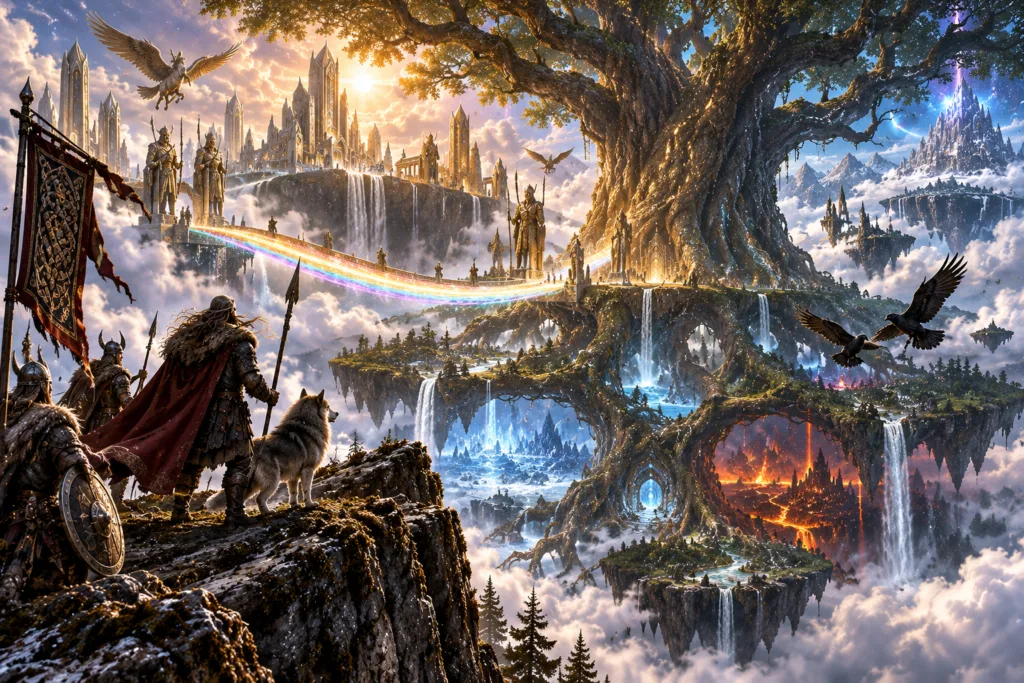
The gods and powers of the northern world do not form one uniform family. Æsir and Vanir stand beside ancient jötnar, sea powers, fate-beings, divine servants, monstrous children of prophecy and sacred beasts. Their rivalries, marriages, oaths and prophecies bind the Nine Worlds together without erasing the differences between them.
At a Glance
The Northern Divine Powers
| Divine Clans | Æsir and Vanir, alongside older powers, jötnar, fate-beings, sacred beasts and divine servants. |
|---|---|
| Primary Realms | Asgard, Vanaheim, Jötunheim and the worlds joined through Yggdrasill. |
| Best-Known Powers | Odin, Thor, Frigg, Týr, Freyja, Freyr and Njörðr. |
| Central Pressures | Oaths, kinship, feud, fate, giant conflict, divine rivalry and the approaching consequences of Ragnarök. |
| Campaign Use | Divine patrons, oath-bound quests, giant wars, prophecy, planar travel and disputes between mortal rulers and northern powers. |
Cosmology
The Norse Divine World
Asgard is the fortified high realm of the Æsir within Ysgard: a divine stronghold of halls, courts, bridges, feast-houses and sacred places rather than the capital of every northern world.
Vanaheim, Jötunheim, Midgard and the other worlds of northern cosmology remain distinct realms connected through the greater structure of Yggdrasill. Bifröst provides one celebrated road toward Asgard, but the cosmology is larger than the bridge and larger than the Æsir themselves.
Divine Clan
The Æsir and Asynjur
The principal divine household associated with Asgard. Their identities are defined by their myths, kinships and deeds rather than by forcing every figure into a simple modern portfolio.
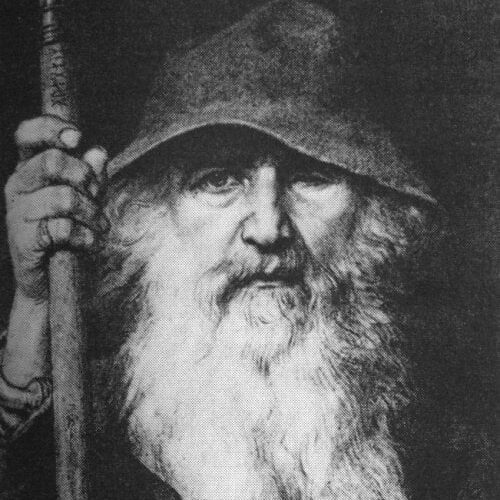
Odin
War-wisdom, poetry, kingship, sacrifice and the chosen dead; lord of a vast and complicated divine household.
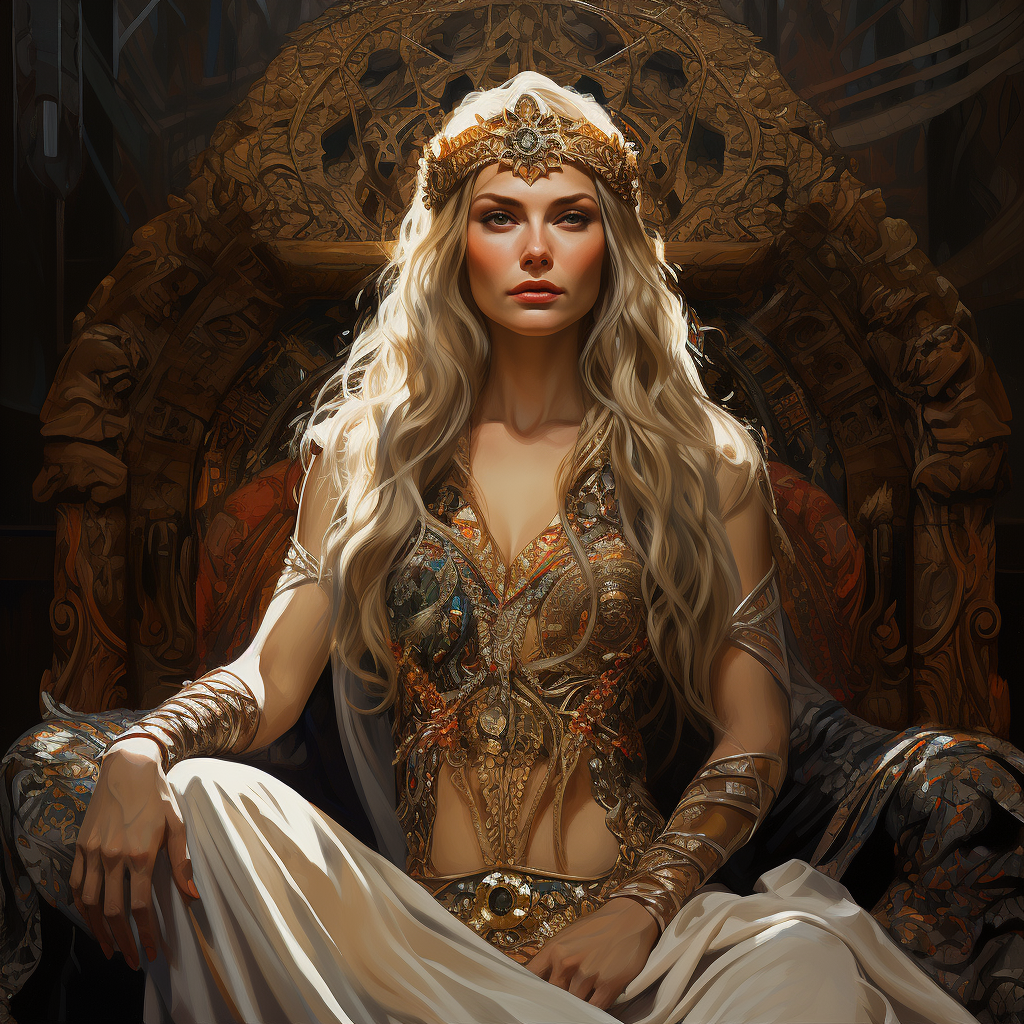
Frigg
Queenly power, marriage, household authority, foresight and protected kinship; wife of Odin.
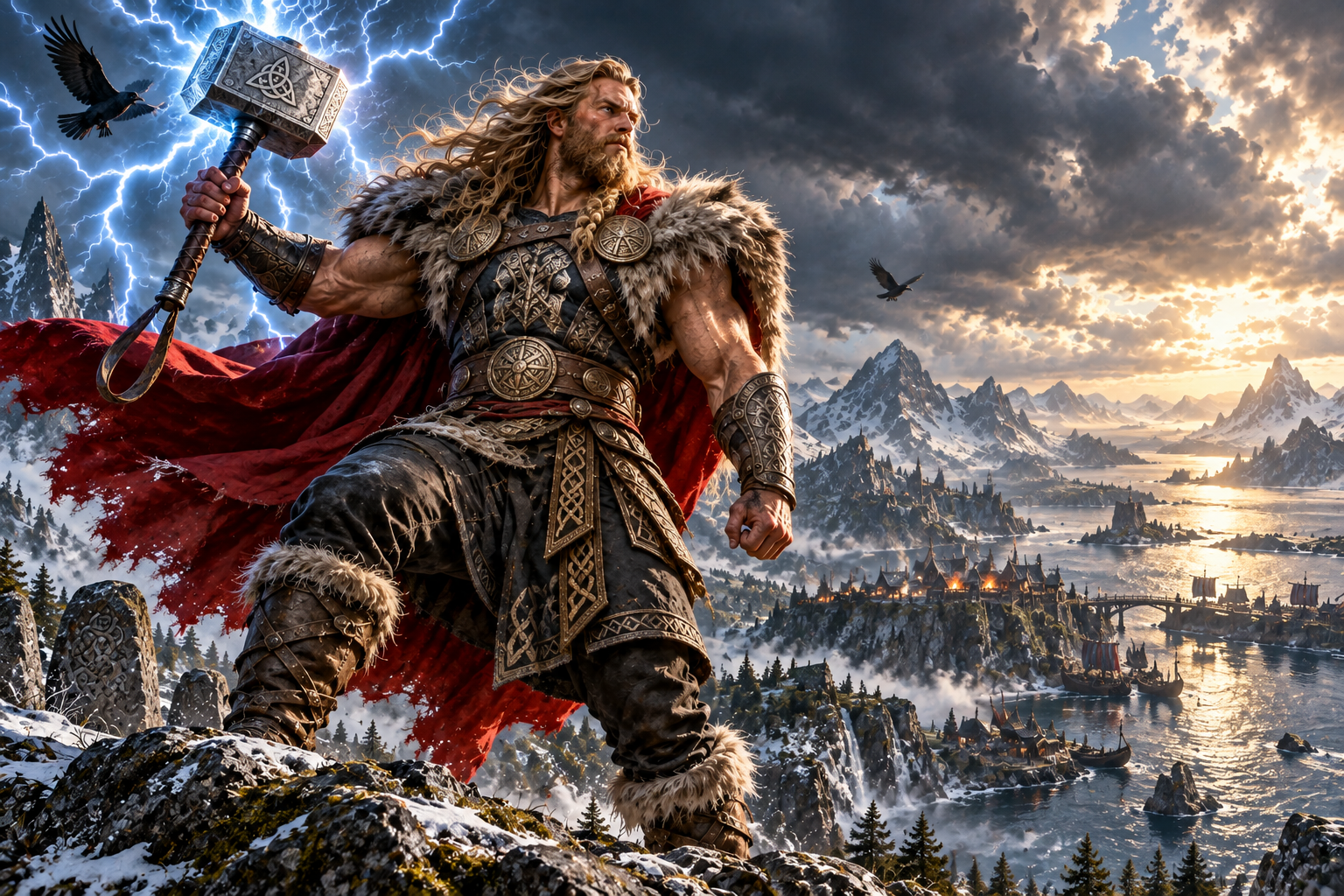
Thor
Thunder, strength and protection; son of Odin and Jörð and the great defender against hostile giants.
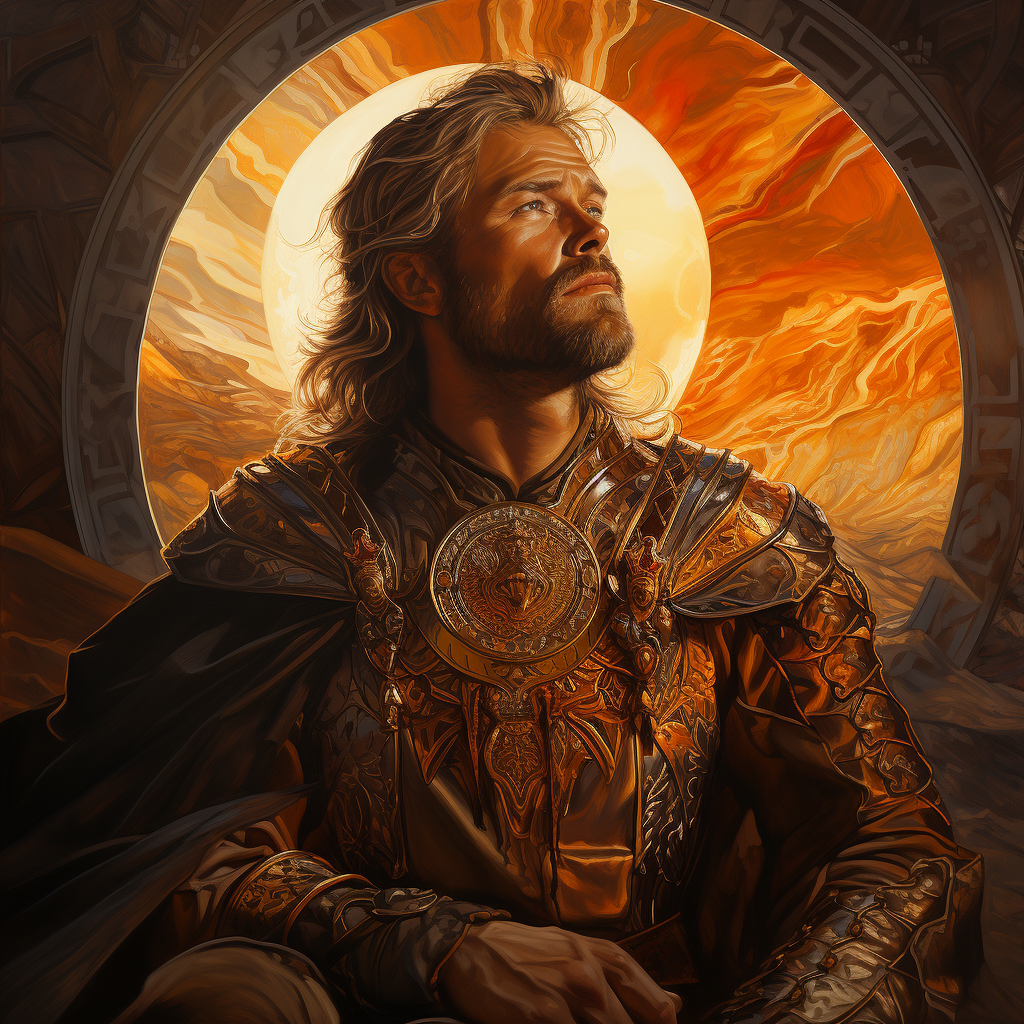
Baldr
Beloved son of Odin and Frigg, famed for beauty and radiance and central to the doom-cycle surrounding Ragnarök.
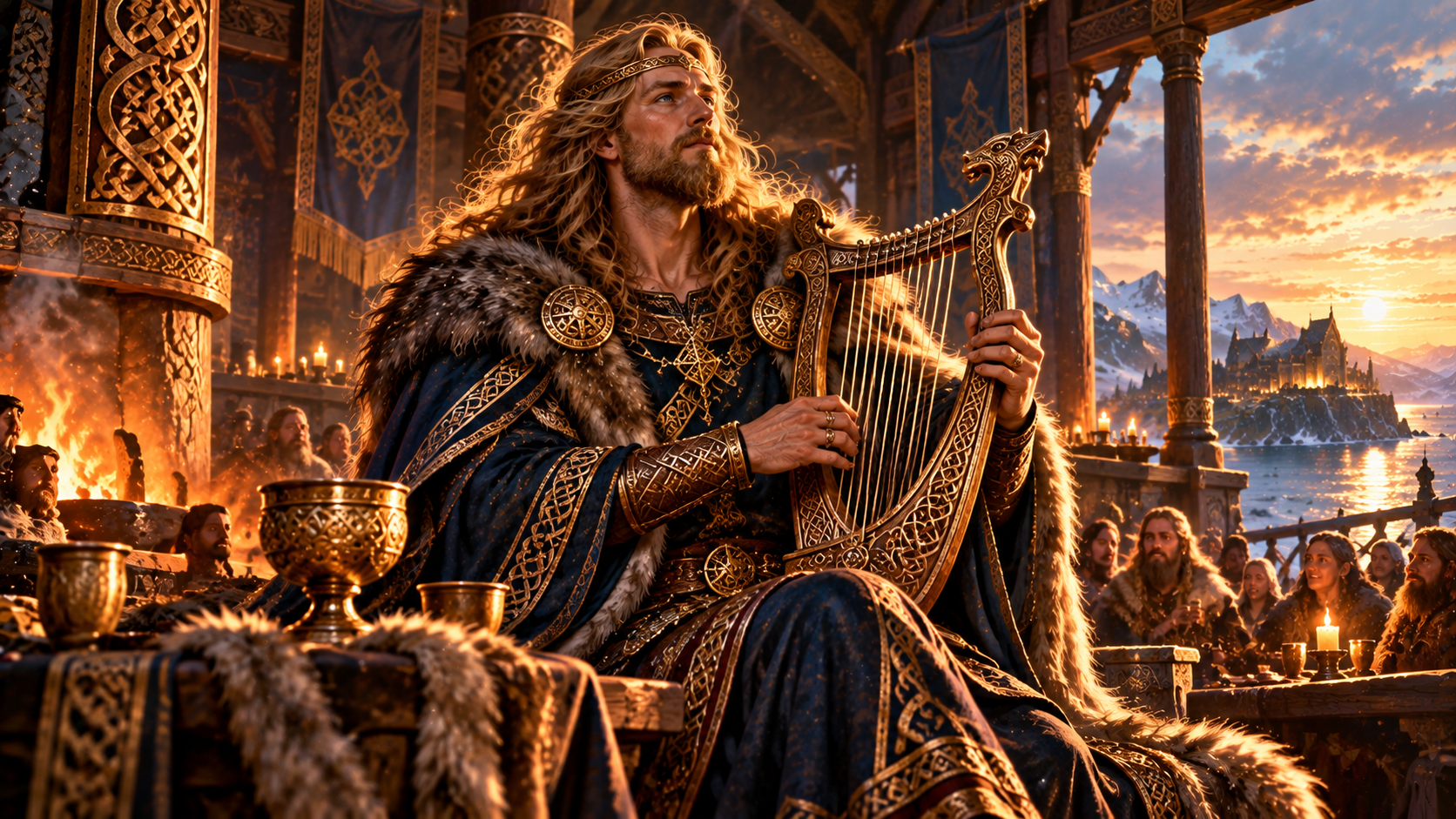
Bragi
Divine figure of poetry, eloquence and the art of the skald.
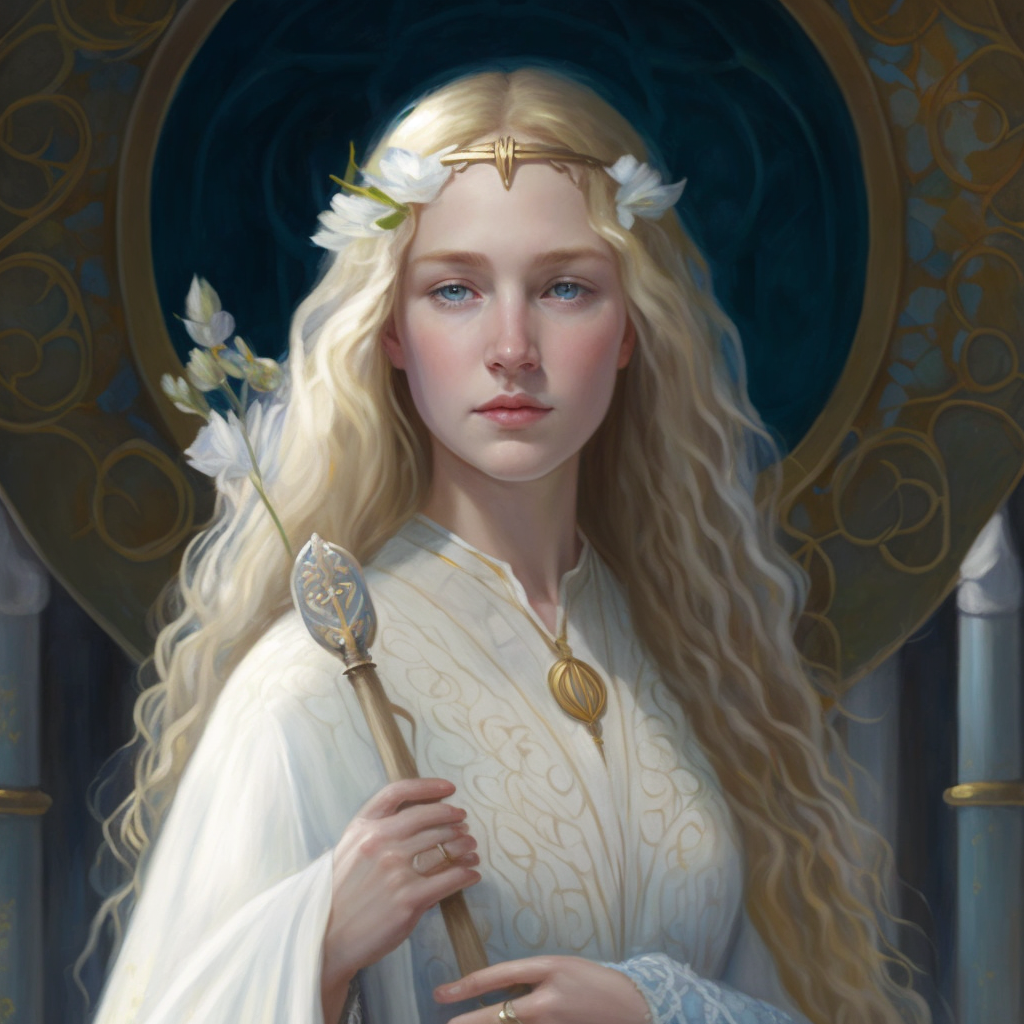
Eir
A healing-associated divine woman, named among the Asynjur in the Prose Edda and elsewhere associated with supernatural healing women.
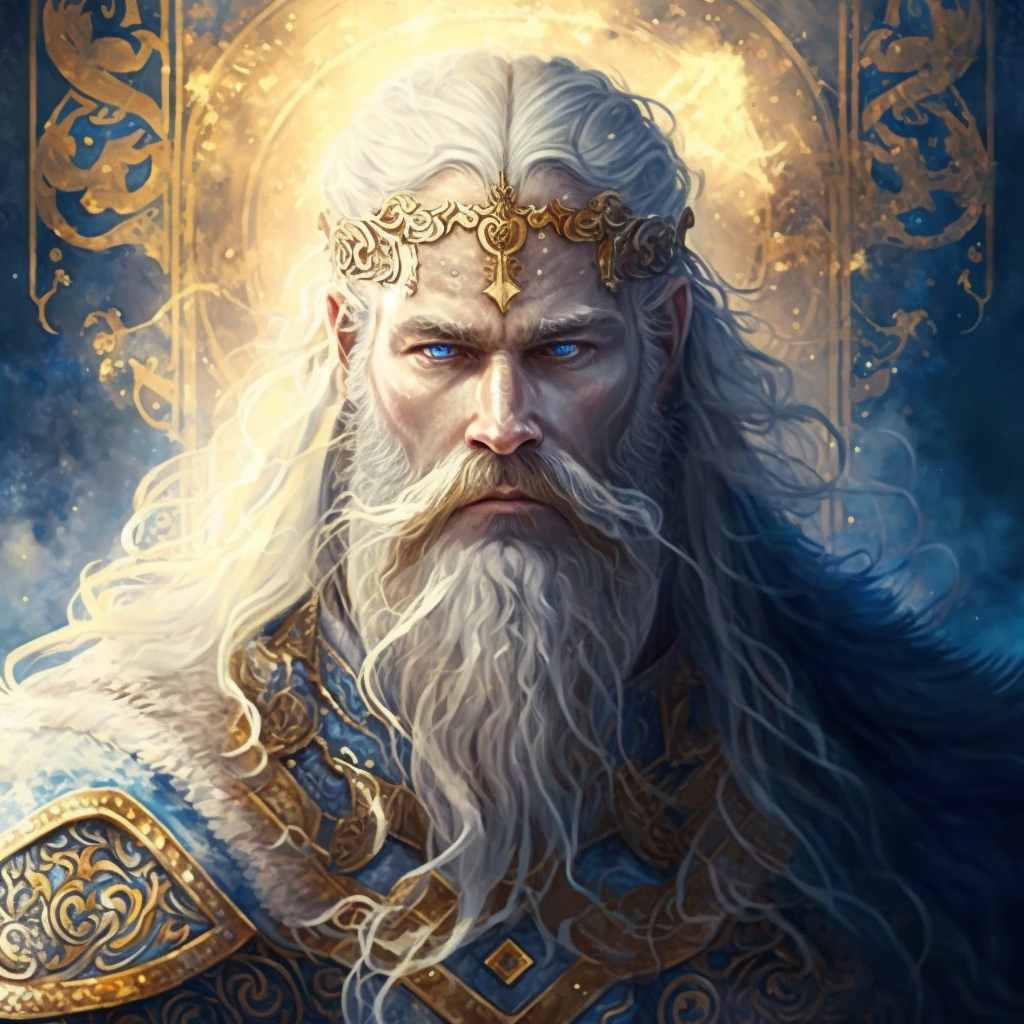
Forseti
Judgement, arbitration and the settlement of difficult disputes.
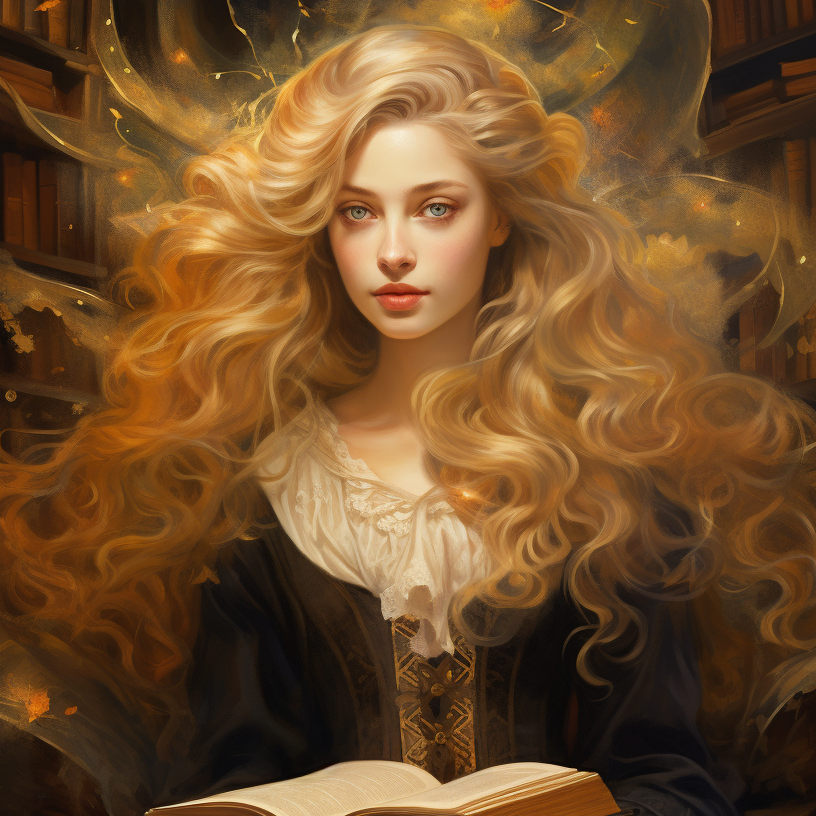
Fulla
Trusted attendant and confidante of Frigg.
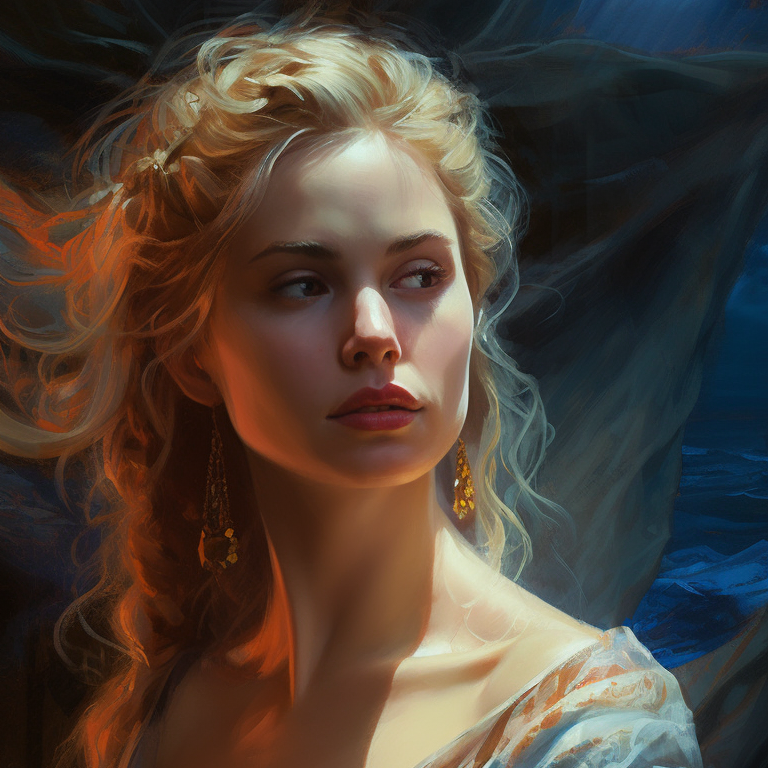
Gefjon
Divine woman associated especially with land, ploughing and legendary territorial tradition.
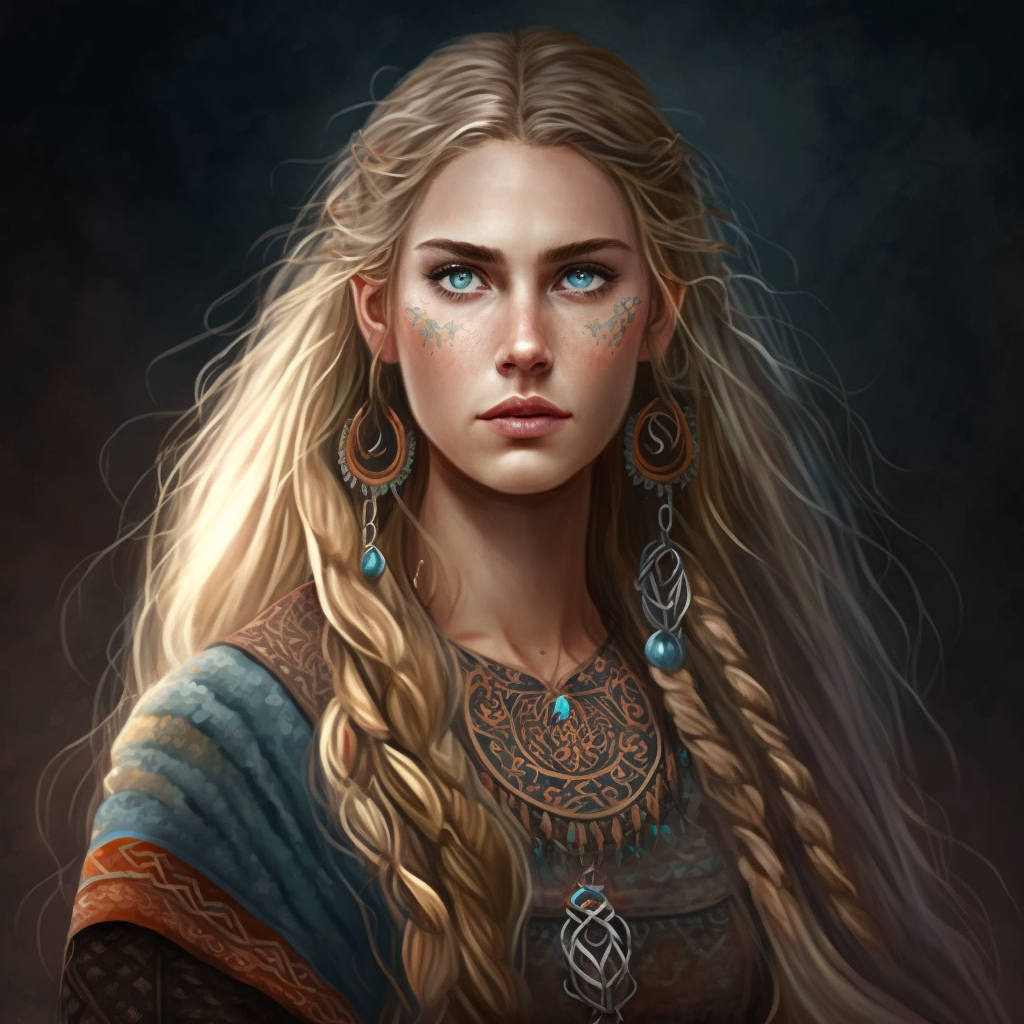
Gná
Frigg’s messenger, famed for swift travel on divine errands.
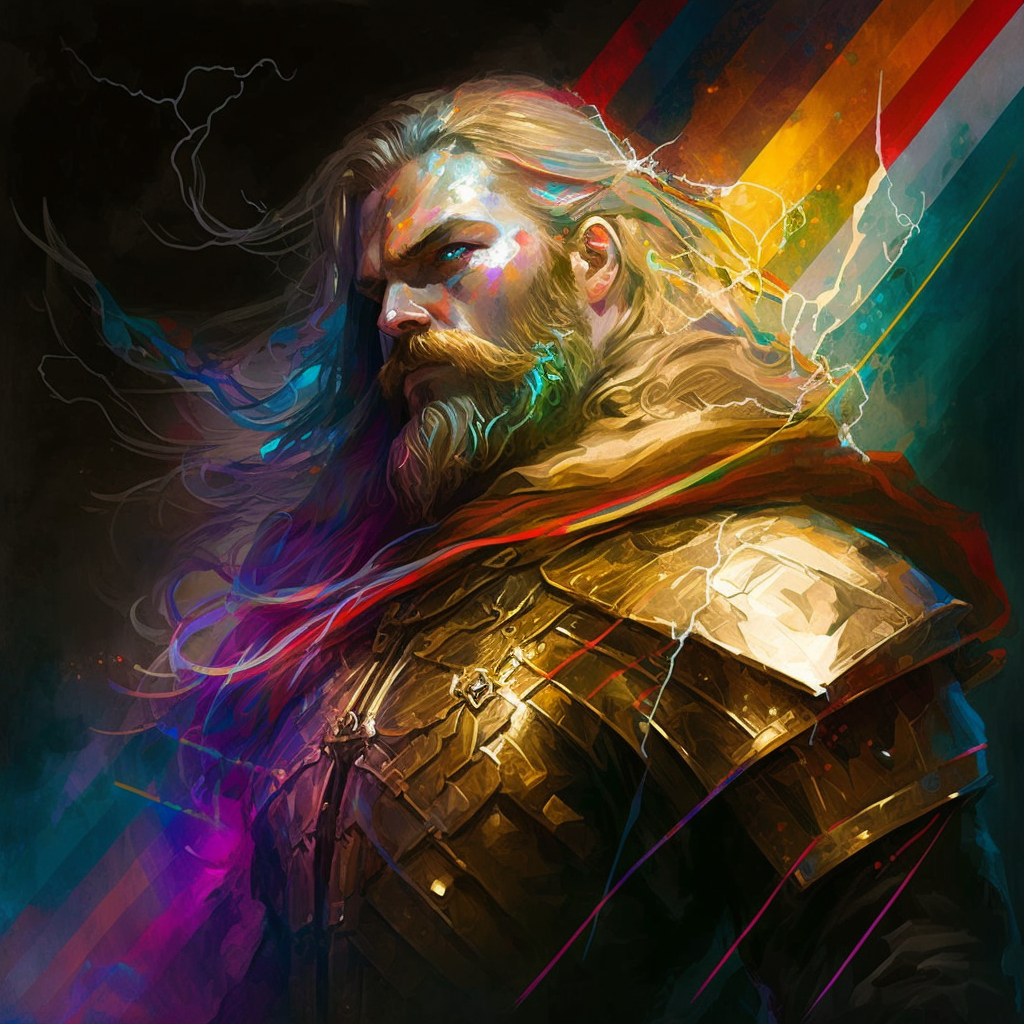
Heimdall
Watcher of Bifröst, guardian of thresholds and divine sentinel against approaching danger.
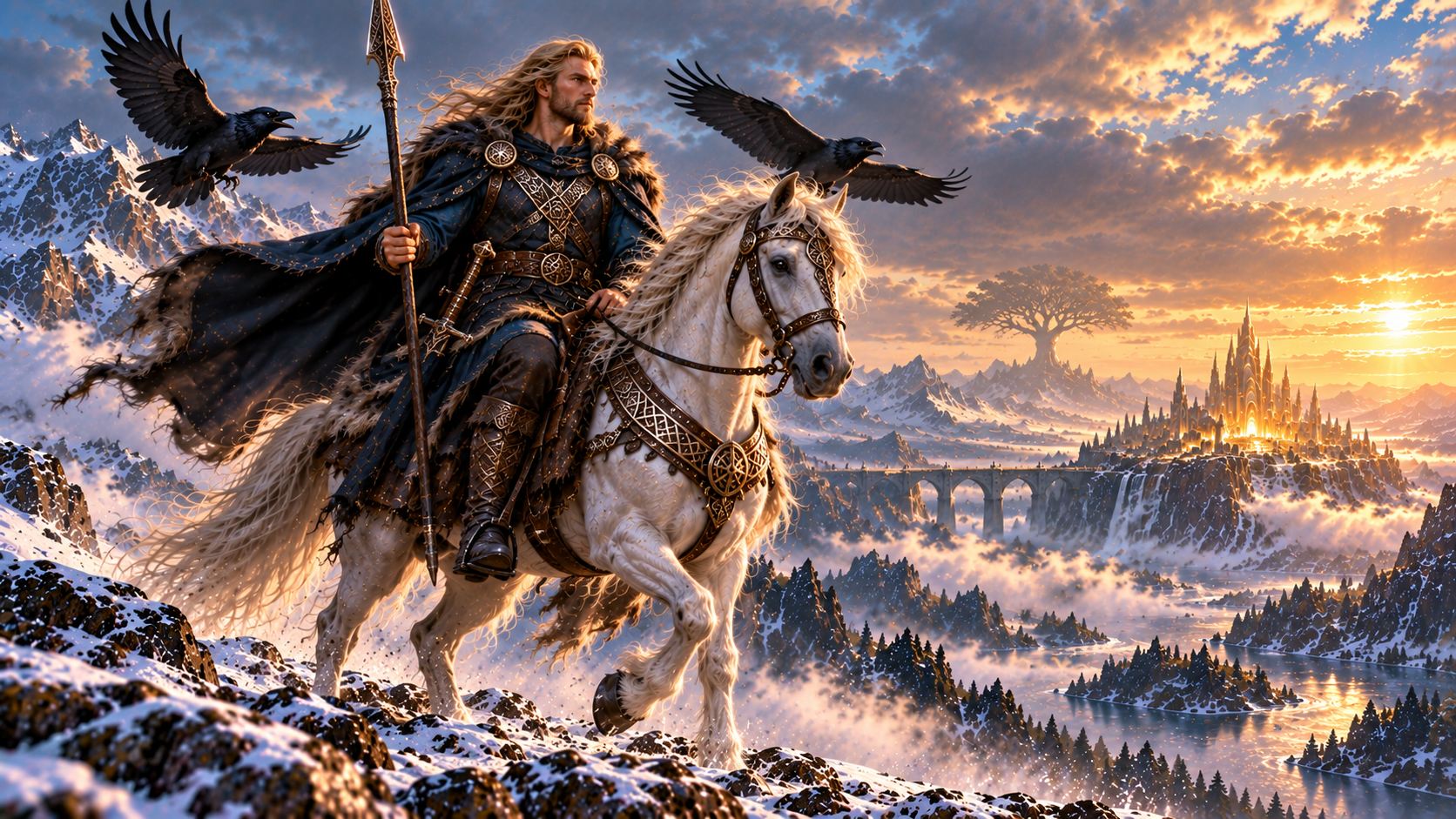
Hermóðr
Divine messenger remembered especially for the perilous ride to Hel on behalf of Baldr.
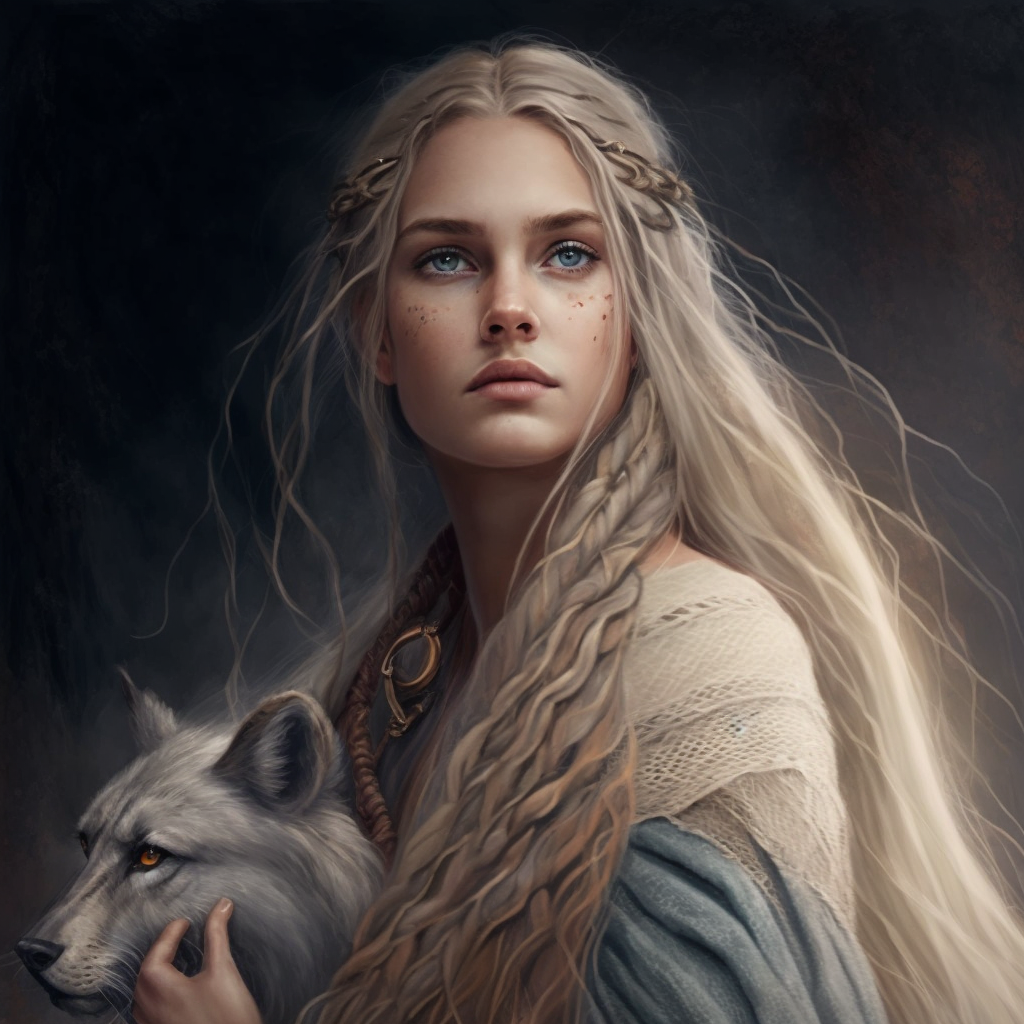
Hlín
Divine woman closely associated with Frigg and protection.
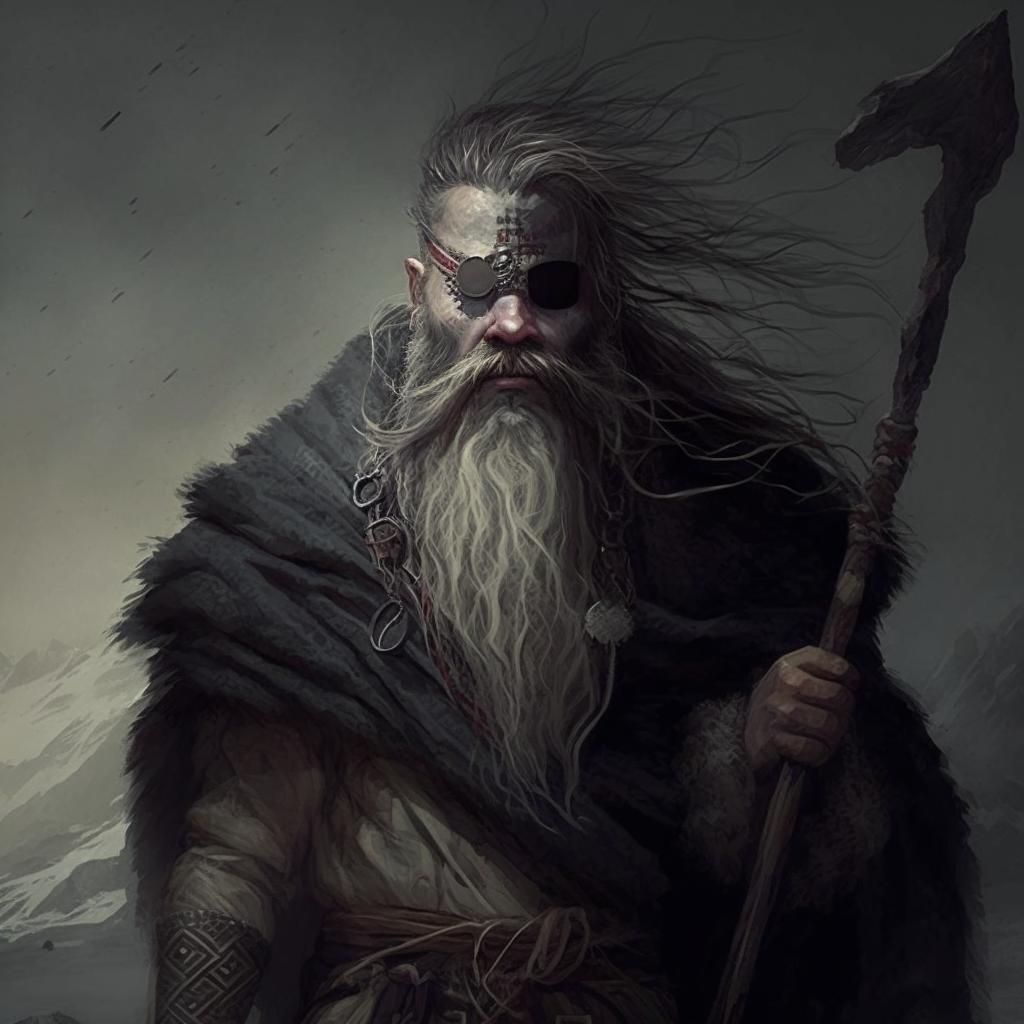
Höðr
The blind Æsir whose hand becomes central to the death of Baldr.
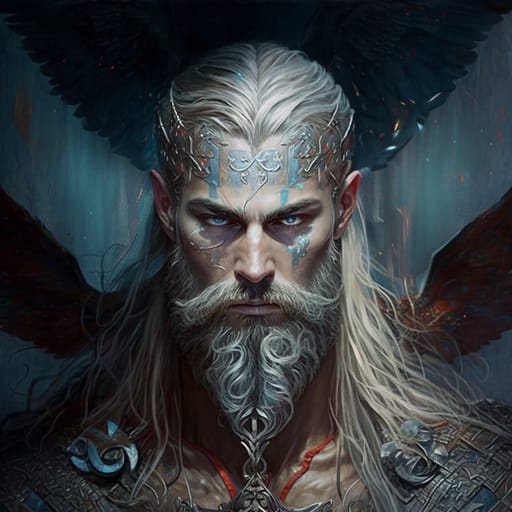
Hœnir
Ancient Æsir figure associated with creation traditions and the settlement between Æsir and Vanir.
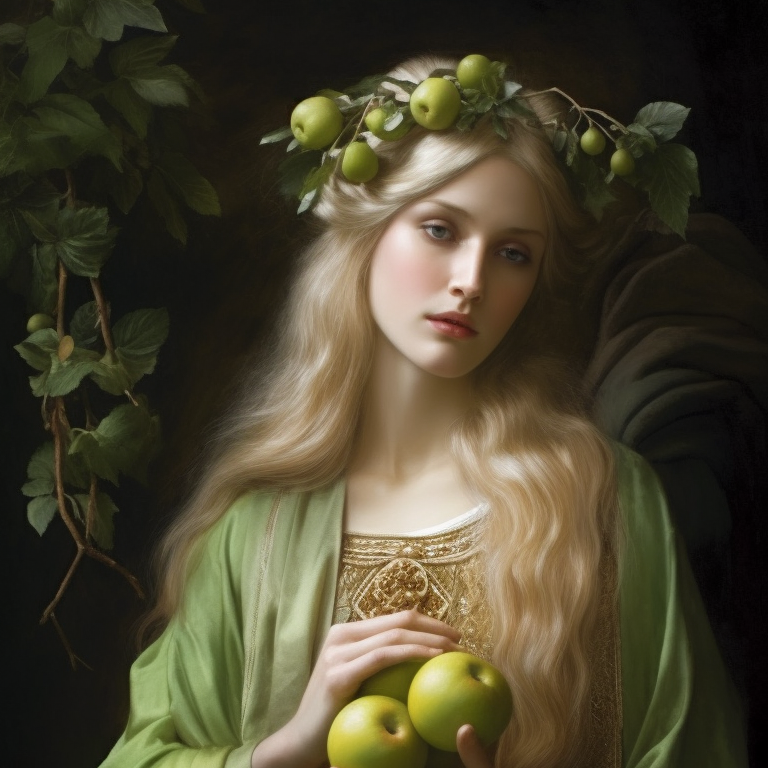
Iðunn
Keeper of the apples through which the gods preserve their youth.
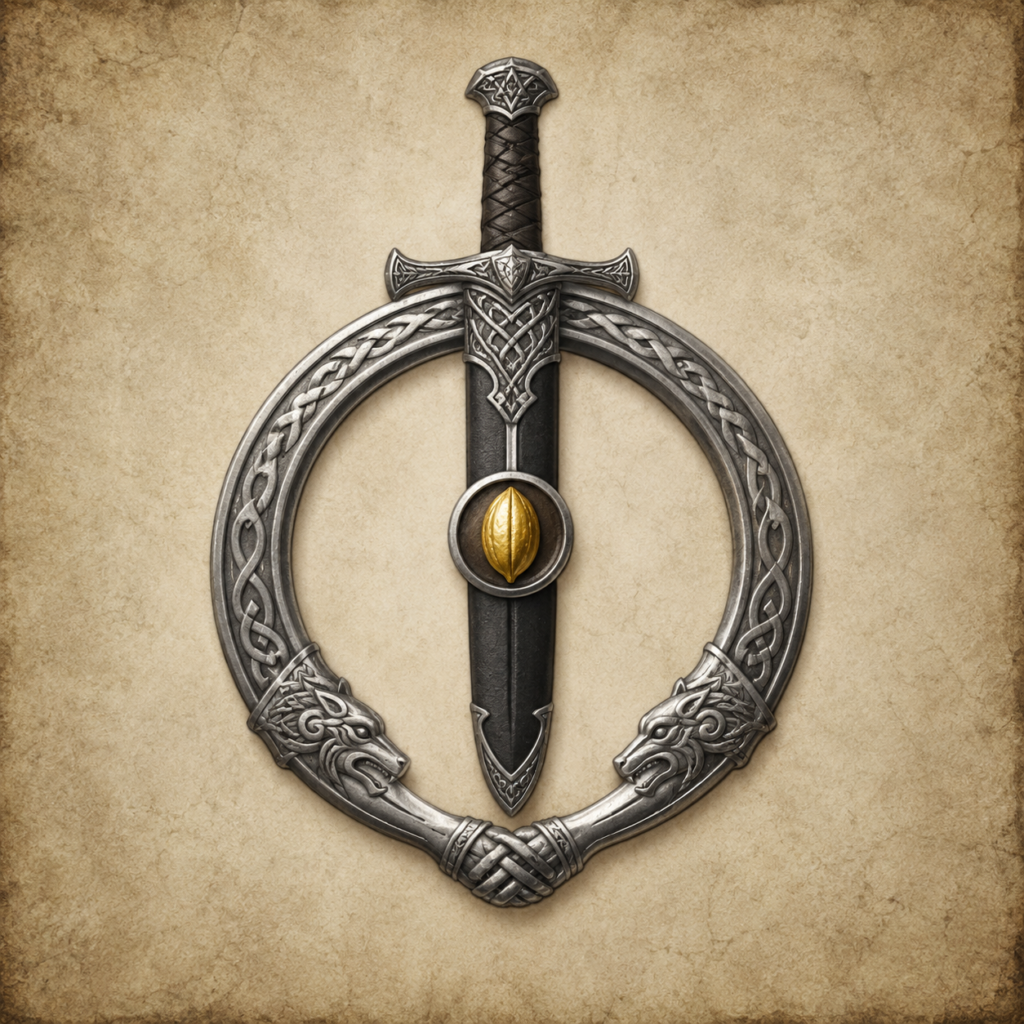
Ítreksjóð
Æsir power of inherited prosperity, rightful succession, lineage-wealth and the preservation of valued heirlooms.
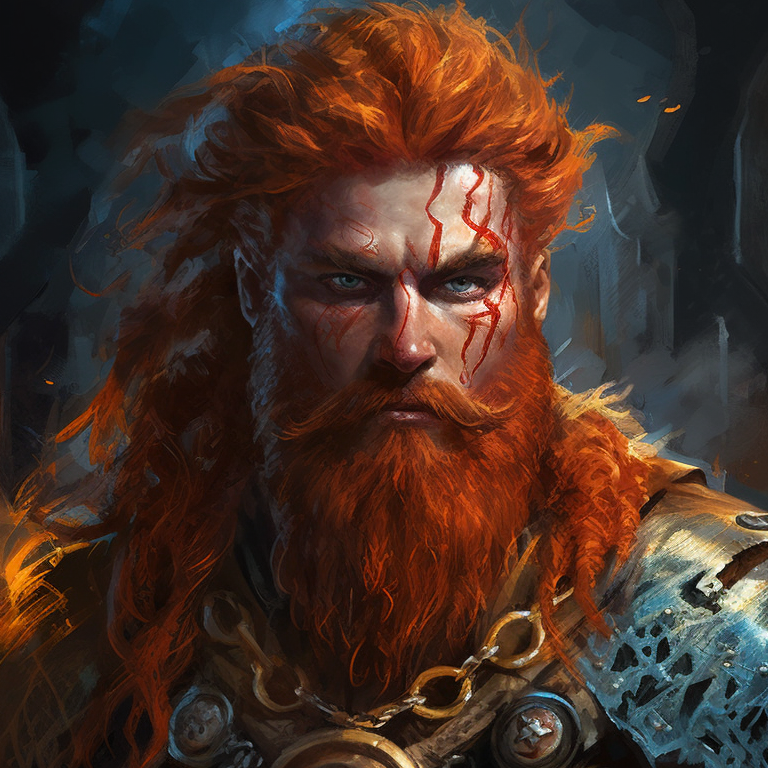
Magni
Son of Thor, remembered for exceptional strength and heroic endurance.
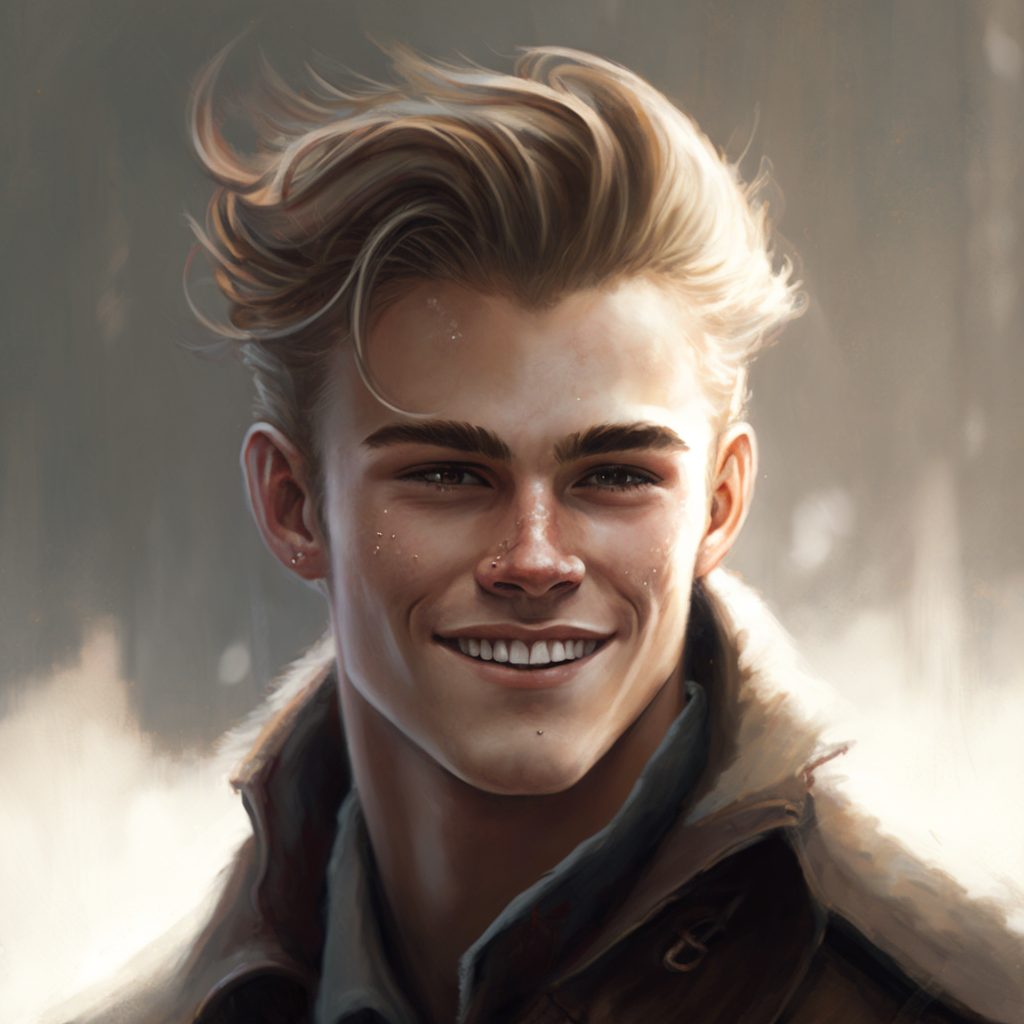
Meili
Brother of Thor; a sparsely attested member of the divine family whose surviving mythic role is limited.
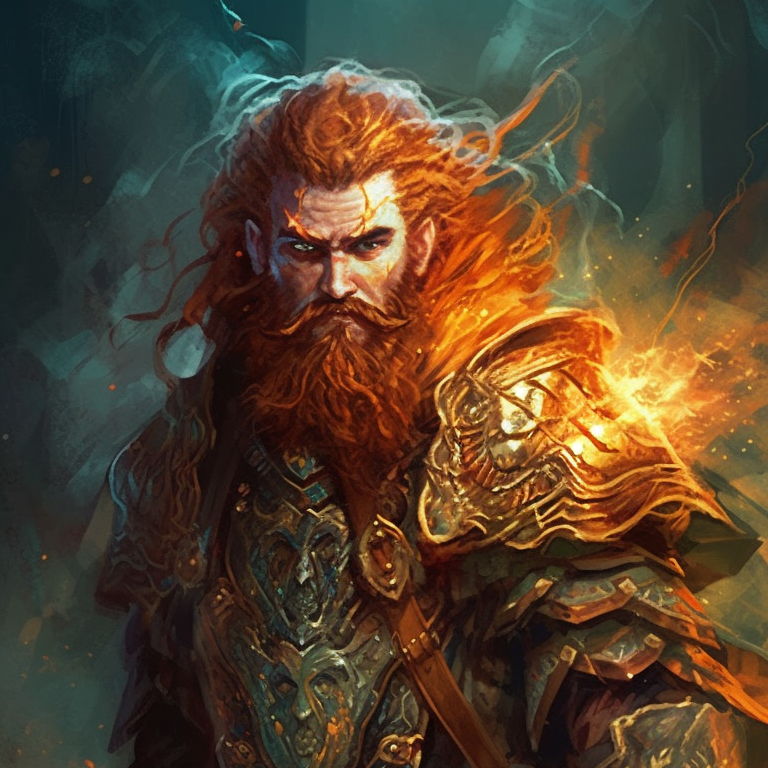
Móði
Son of Thor and one of the divine survivors named in traditions concerning the world after Ragnarök.
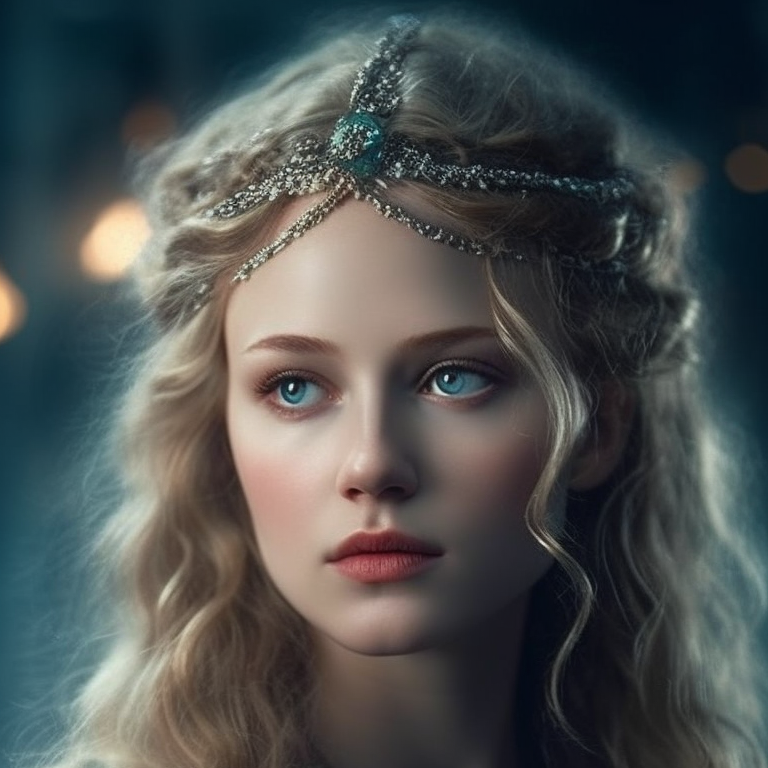
Nanna
Wife of Baldr, remembered above all within the story-cycle of his death and funeral.
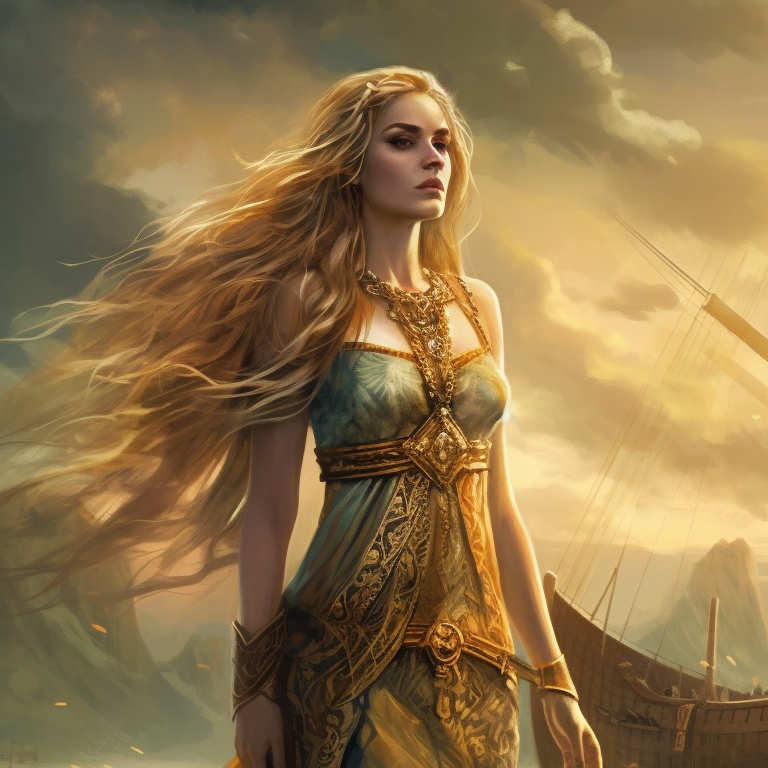
Þrúðr
Daughter of Thor; her name is closely associated with strength and power.
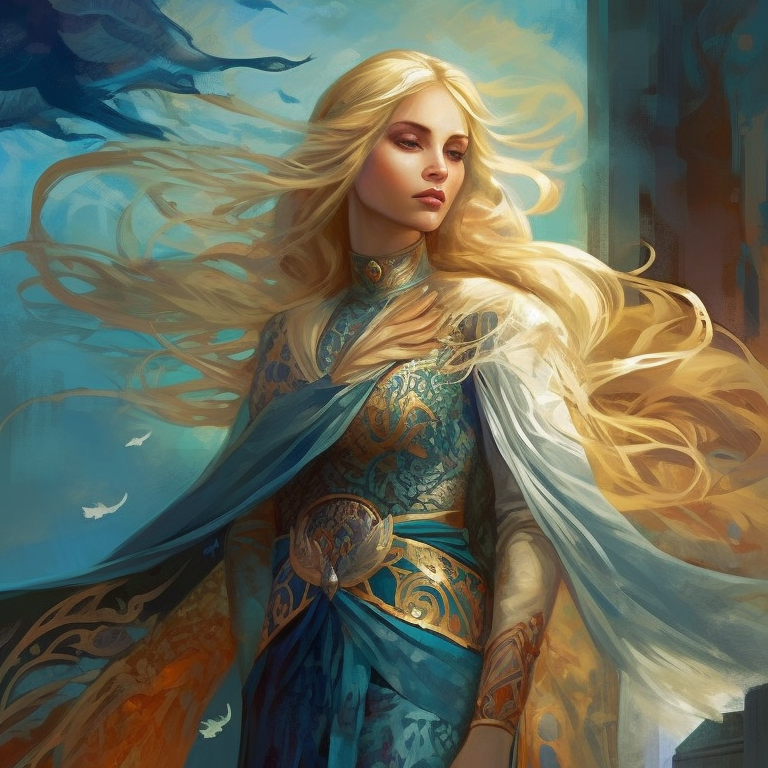
Sif
Wife of Thor, renowned for her golden hair and her place within his divine household.
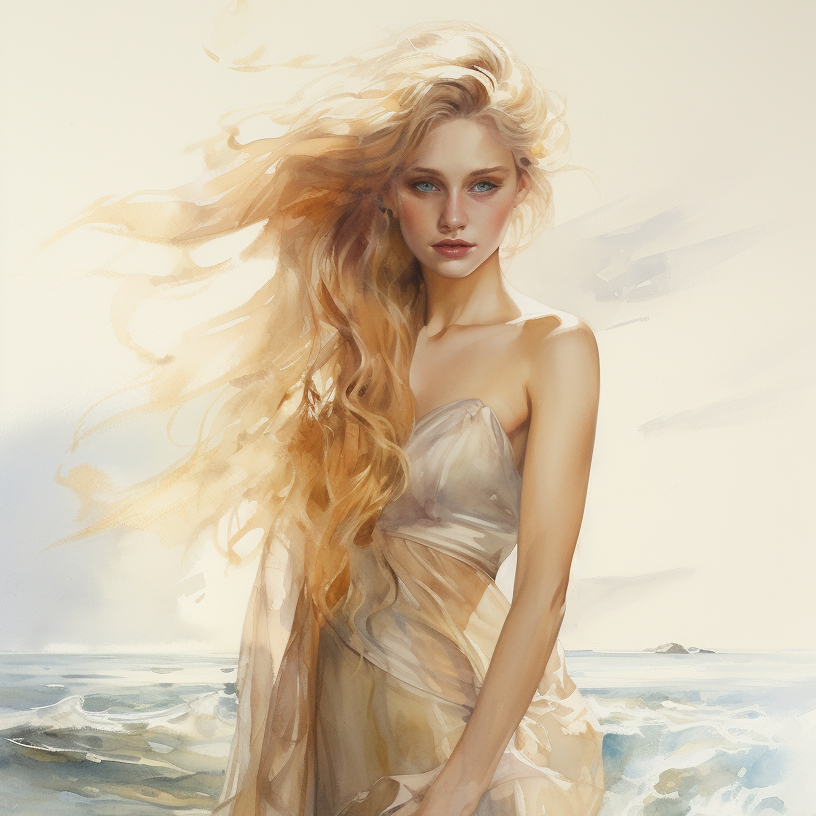
Sigyn
Wife of Loki, remembered especially for remaining beside him during his punishment and catching the venom that falls above him.
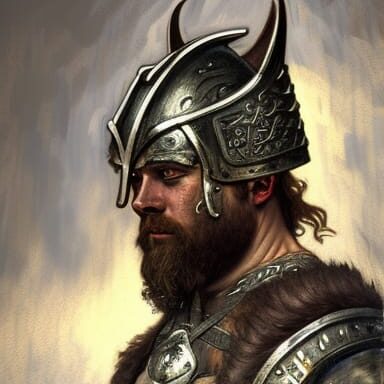
Týr
Courage, law, battle-oaths and the terrible price paid when the gods bind Fenrir.
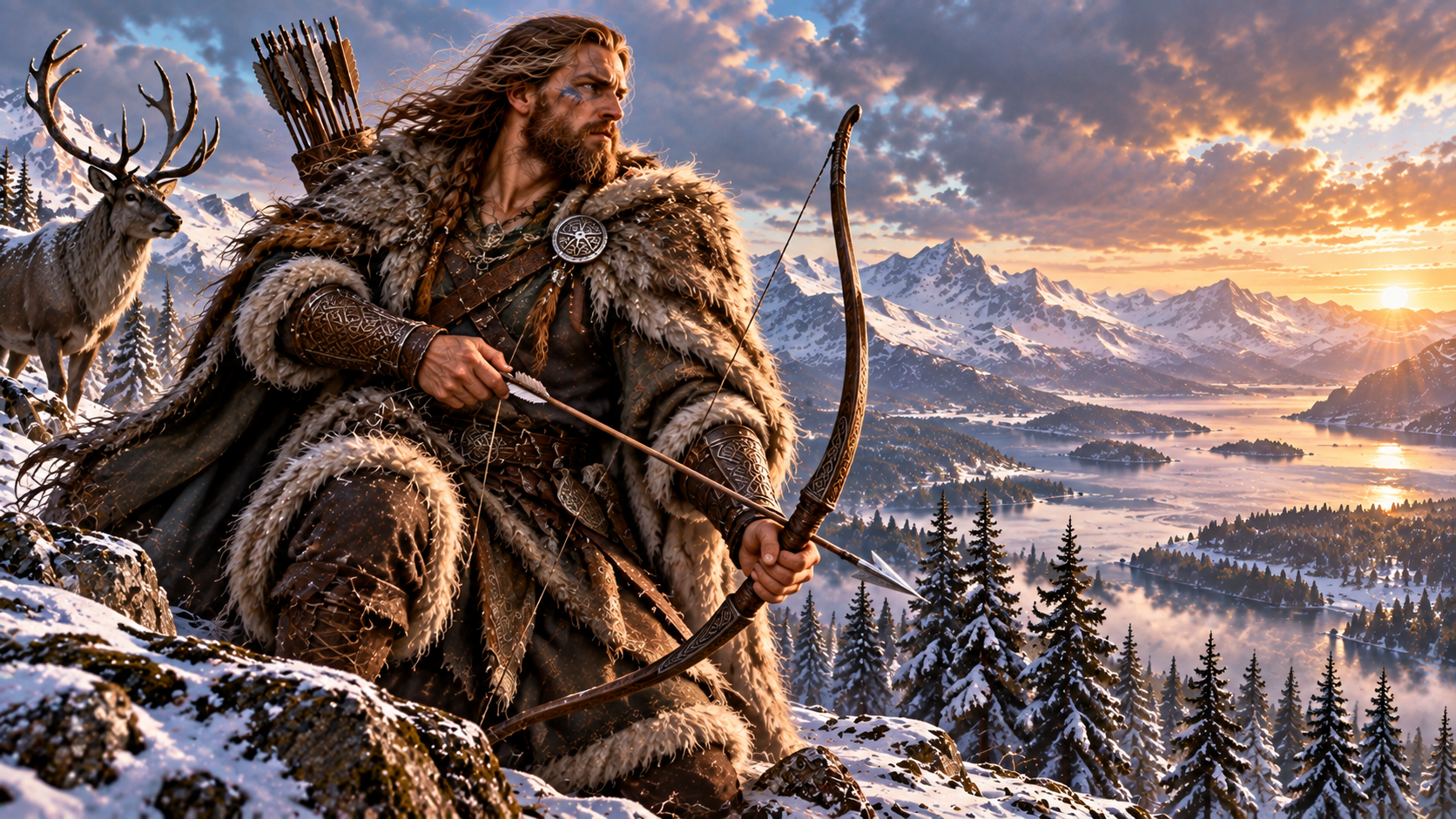
Ullr
Bow, skis, winter travel, hunting and single combat.
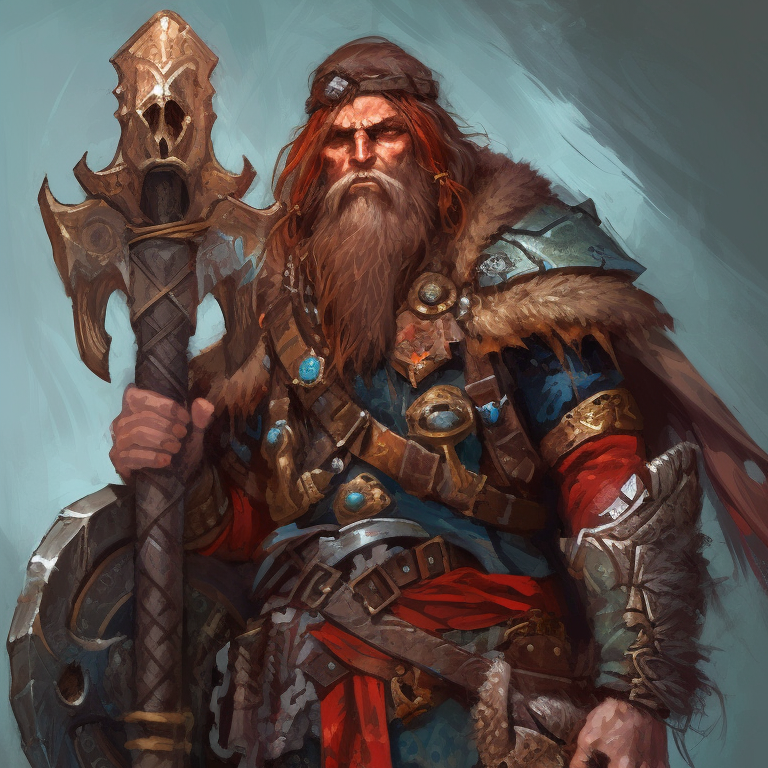
Váli
Son of Odin whose birth is bound to the vengeance-cycle surrounding Baldr.
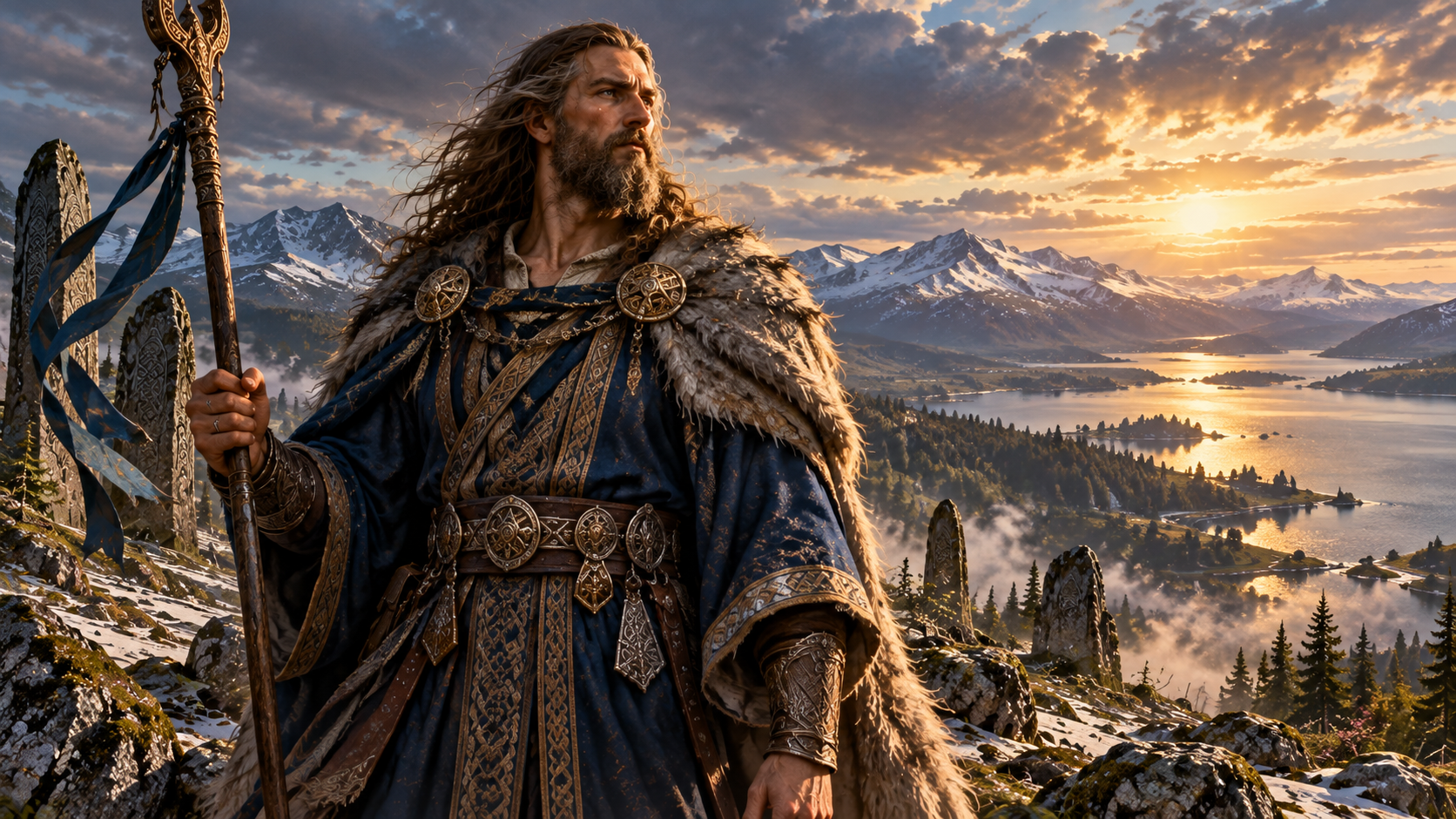
Vé
Brother of Odin and Vili and a creation-associated member of the earliest divine generation.
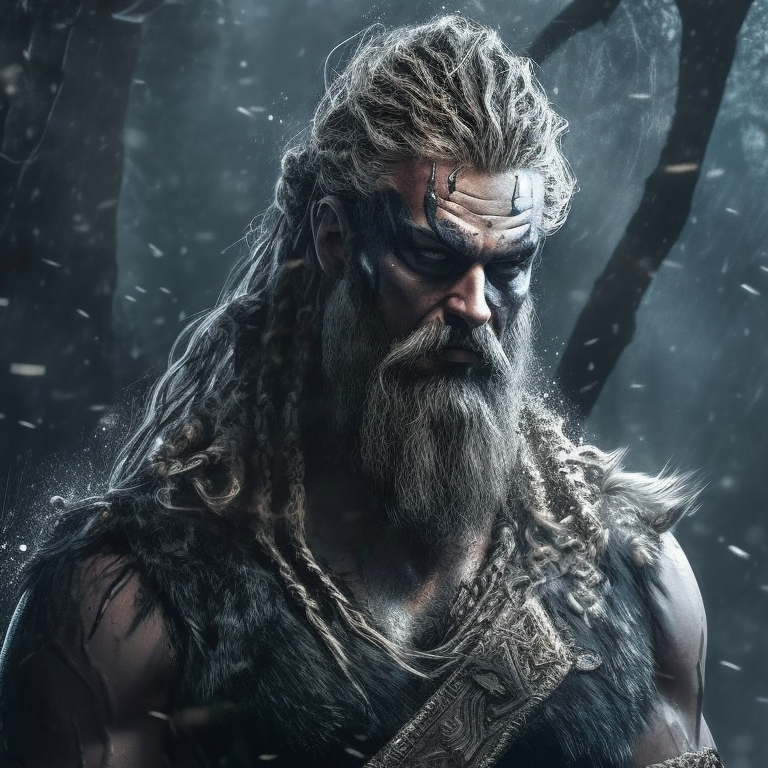
Víðarr
The silent son of Odin whose destiny is bound to Fenrir and the vengeance of Ragnarök.
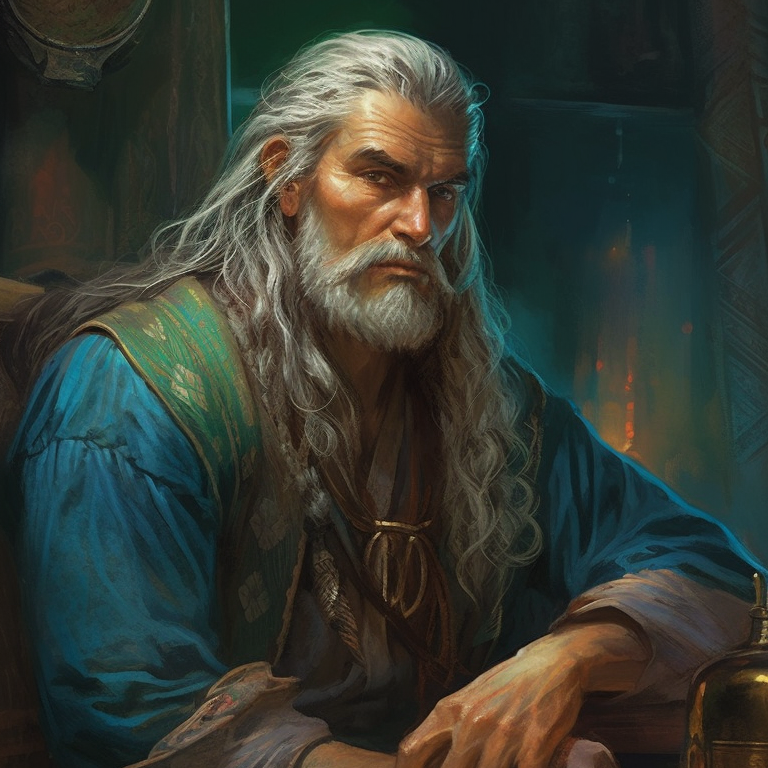
Vili
Brother of Odin and Vé and a creation-associated member of the earliest divine generation.
Divine Clan
The Vanir
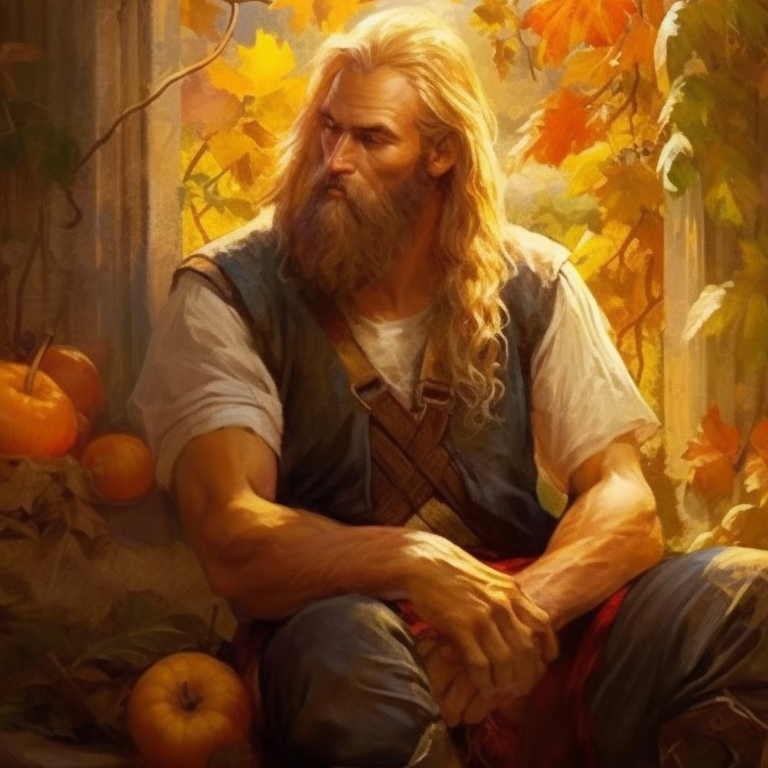
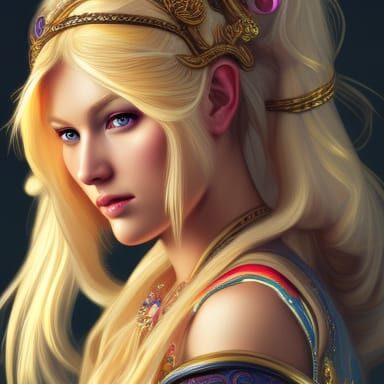
The Vanir are a distinct divine clan associated strongly with prosperity, fertility, sea-going wealth and abundance. The peace following the Æsir–Vanir conflict binds the two divine houses closely without erasing their identities.
Origins & Heavens
Primordial, Ancestral & Cosmic Powers
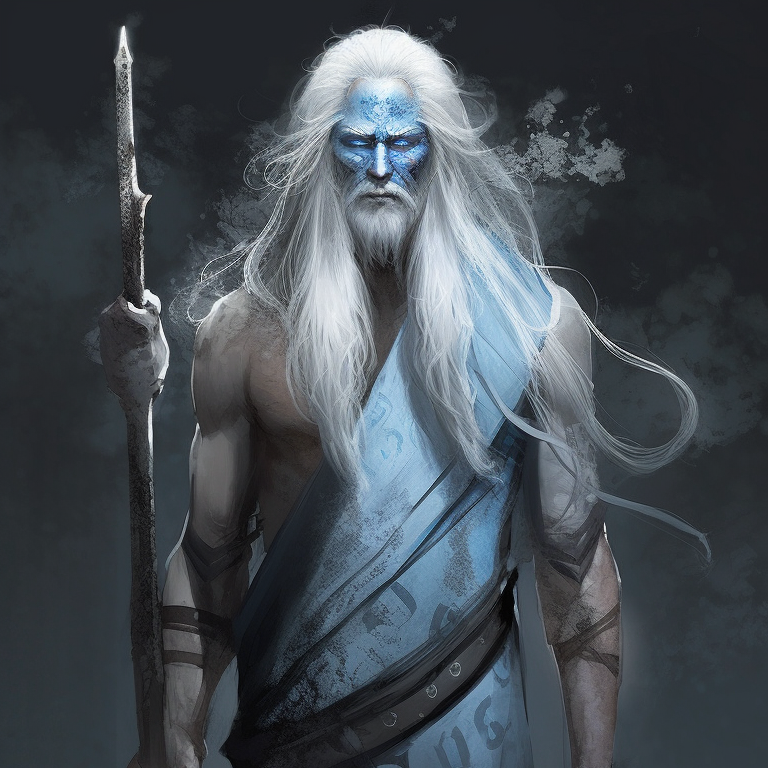
Búri
Primeval ancestor of the divine lineage, revealed from the primordial ice.
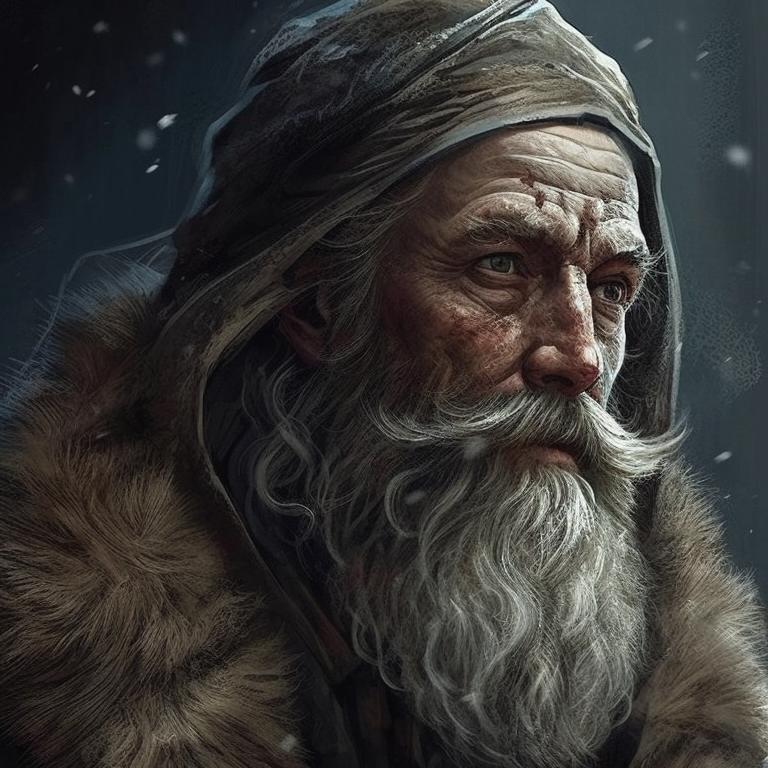
Borr
Son of Búri and father of Odin, Vili and Vé.
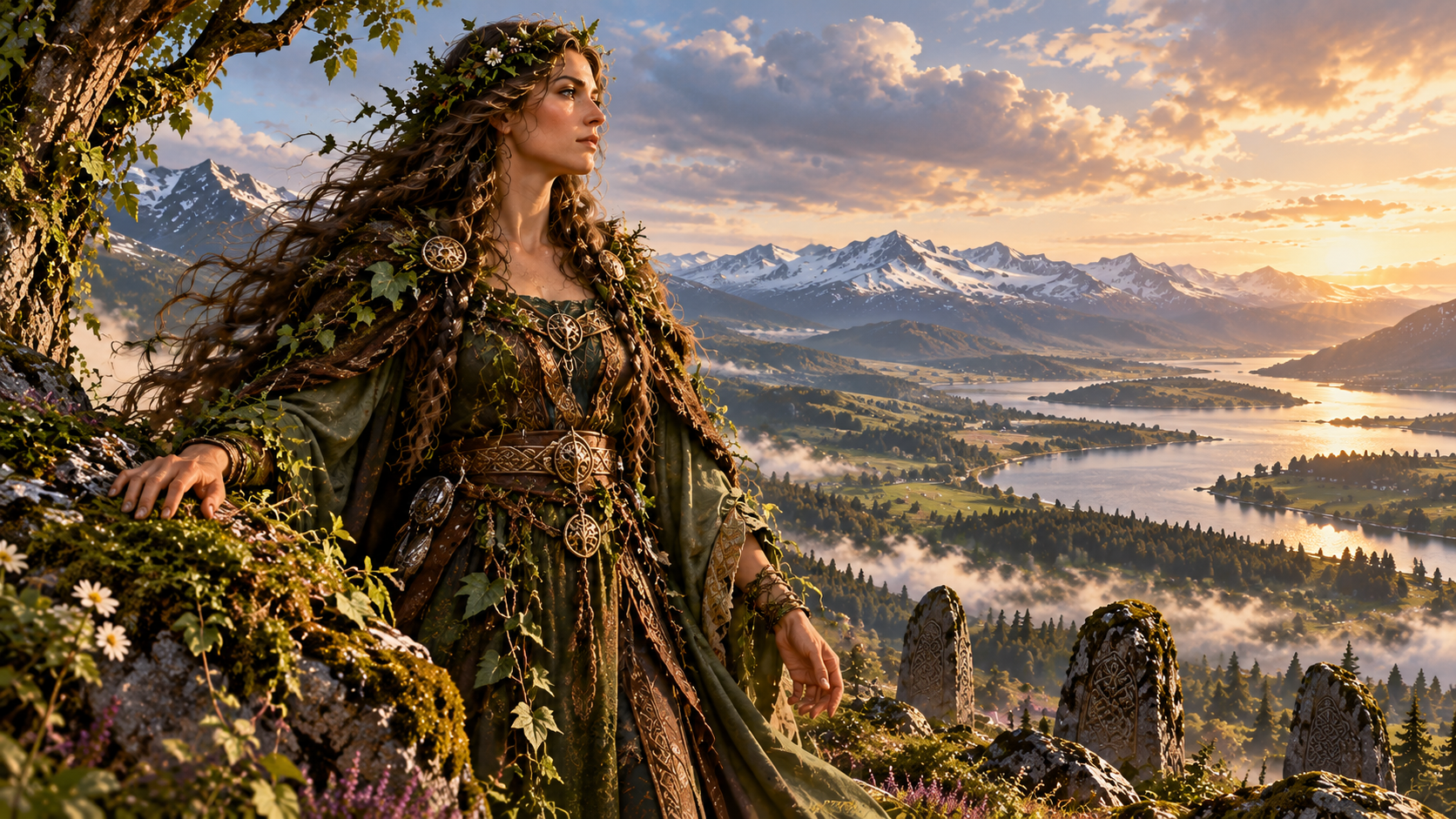
Jörð
The Earth personified and mother of Thor by Odin.
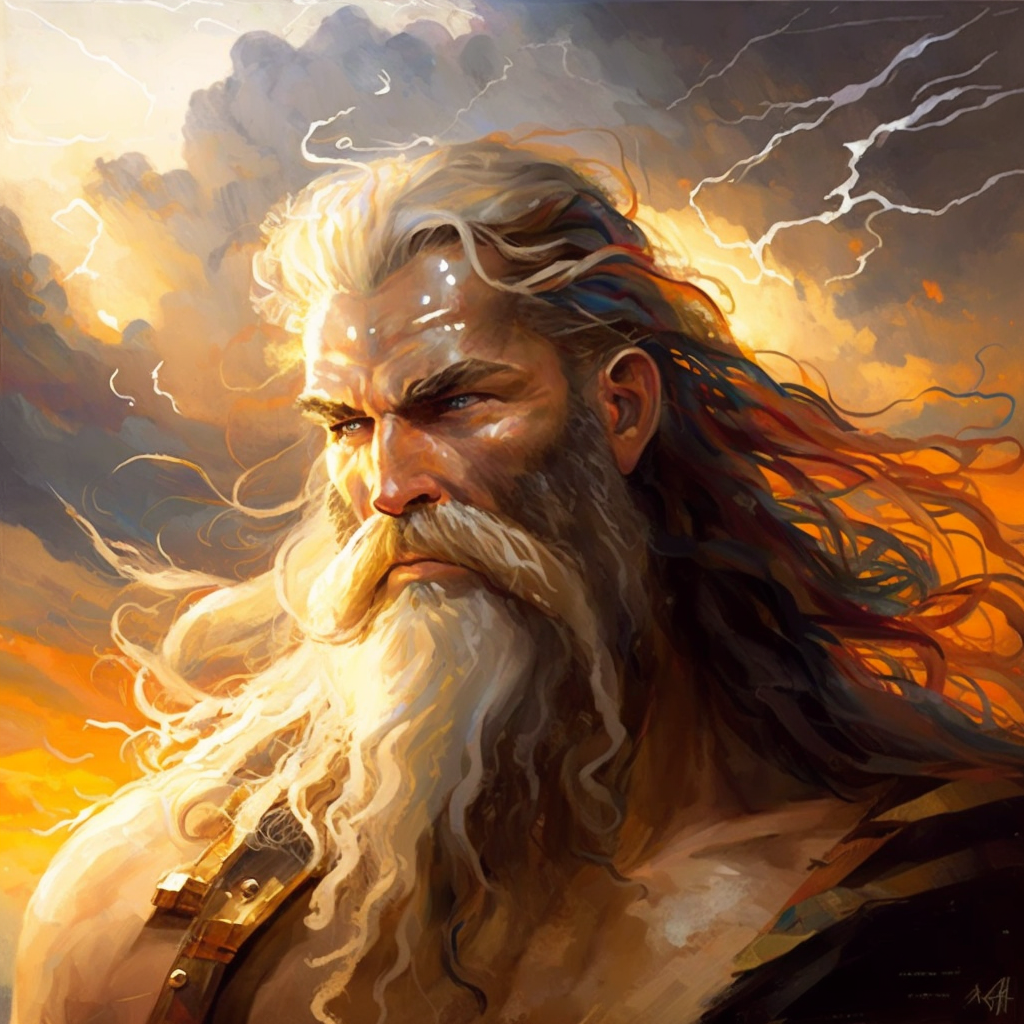
Dellingr
Dawn-associated figure within the celestial and ancestral traditions.

Sól
The Sun personified, driving her brilliant course across the heavens.
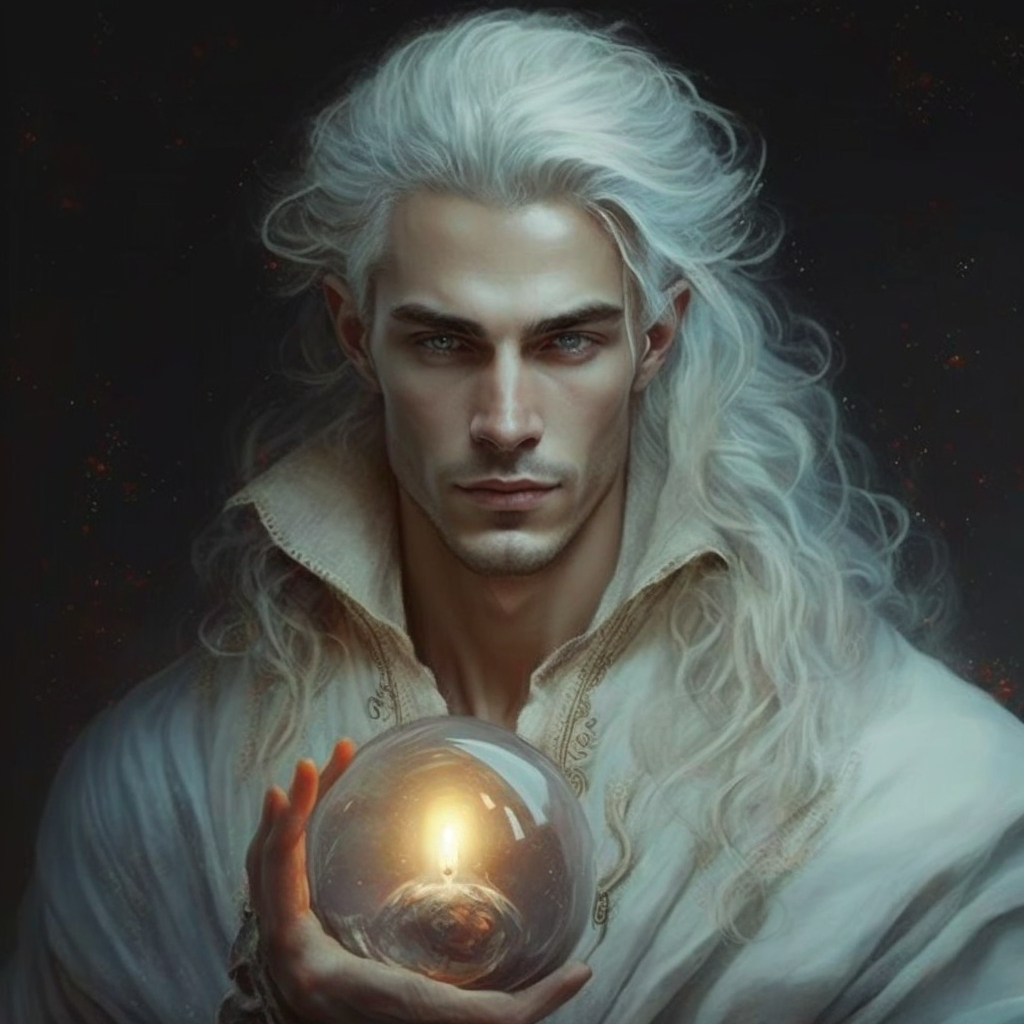
Máni
The Moon personified and the celestial counterpart of Sól.
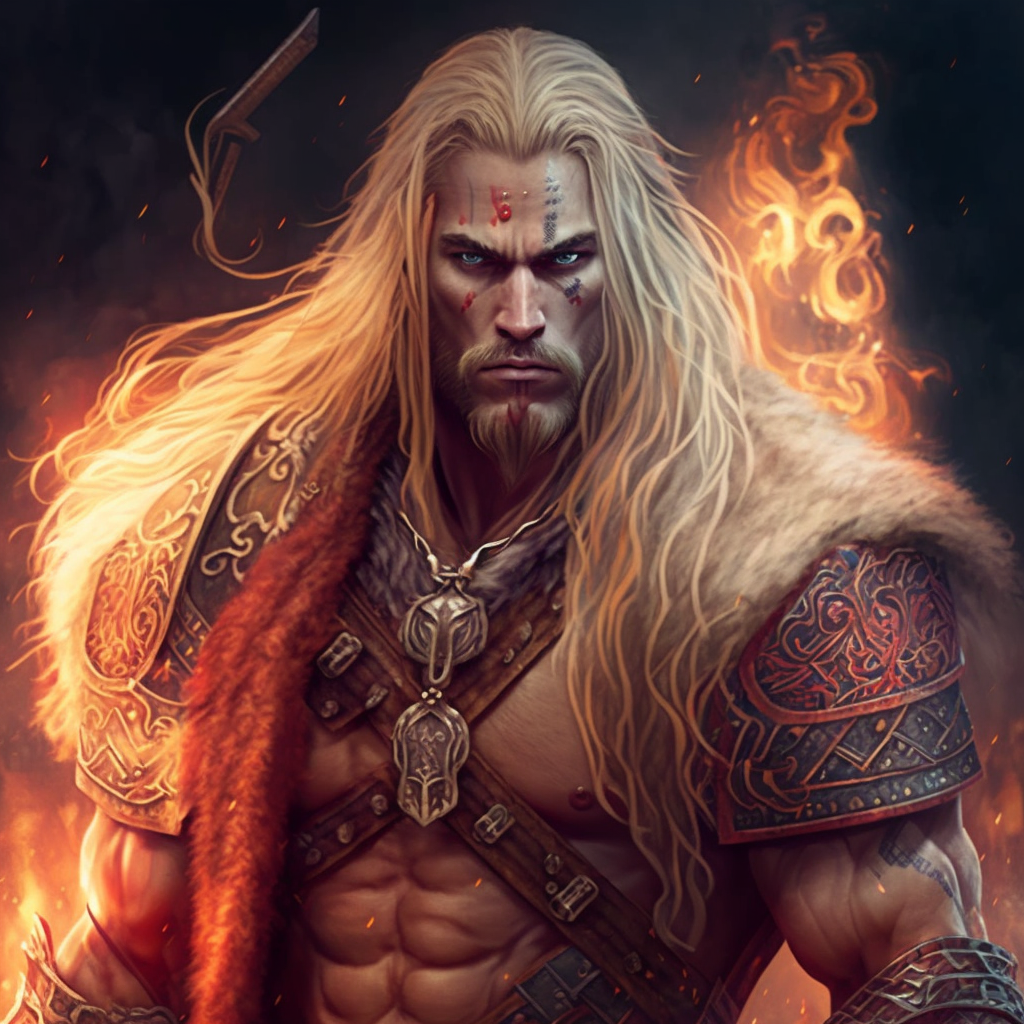
Lóðurr
Creation-associated divine figure named in the making of humankind.
Jötnar
Giants & Giant-Linked Powers
The jötnar are not merely a species of disposable enemies. They include ancestral, elemental, prophetic and dynastic powers whose bloodlines are deeply entangled with those of the gods.
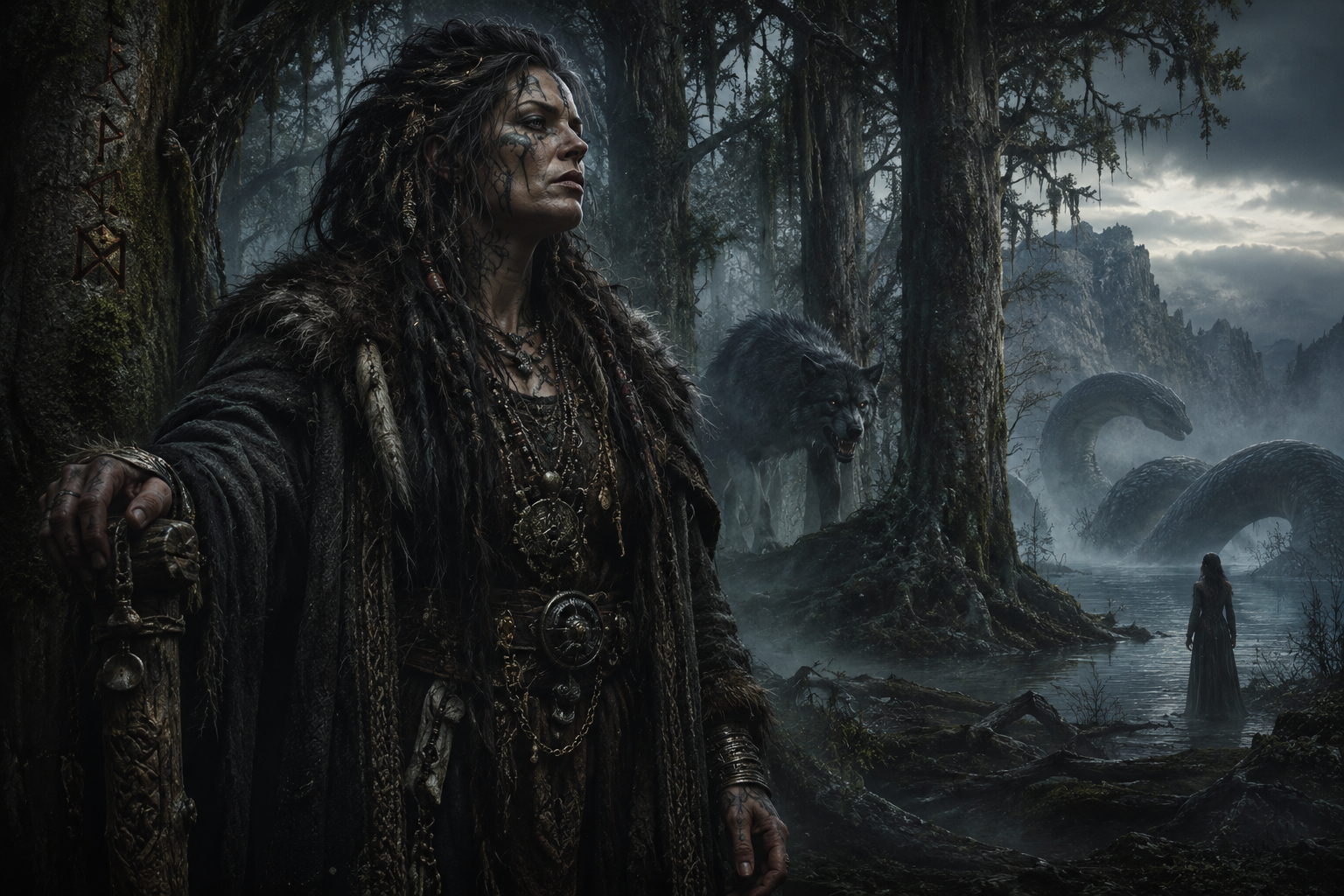
Angrboða
Jötunn of Ironwood, partner of Loki and mother of Fenrir, Jörmungandr and Hel.
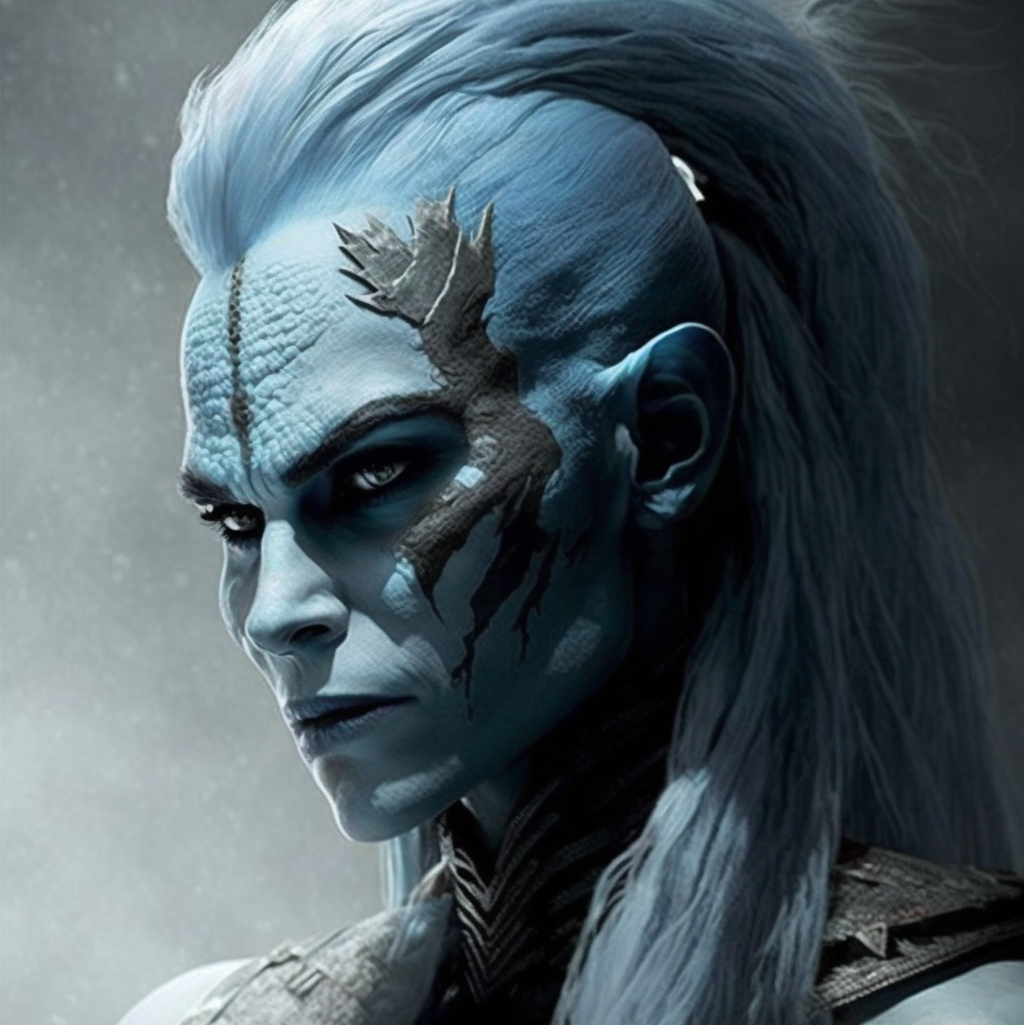
Bestla
Giant-born mother of Odin, Vili and Vé and a crucial ancestor of the Æsir line.
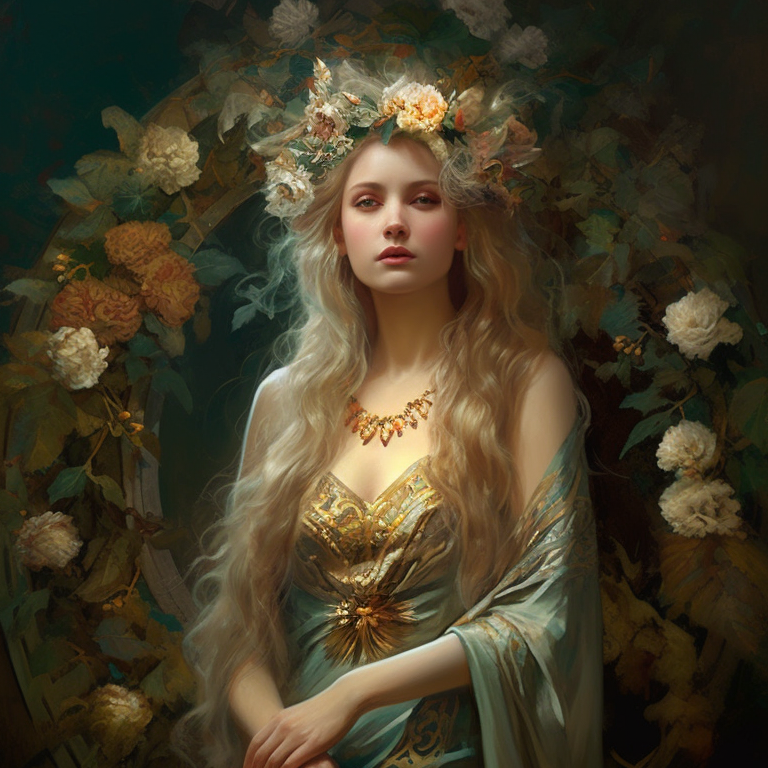
Gerðr
Giant-born woman whose union with Freyr binds the Vanir household to an important jötunn lineage.
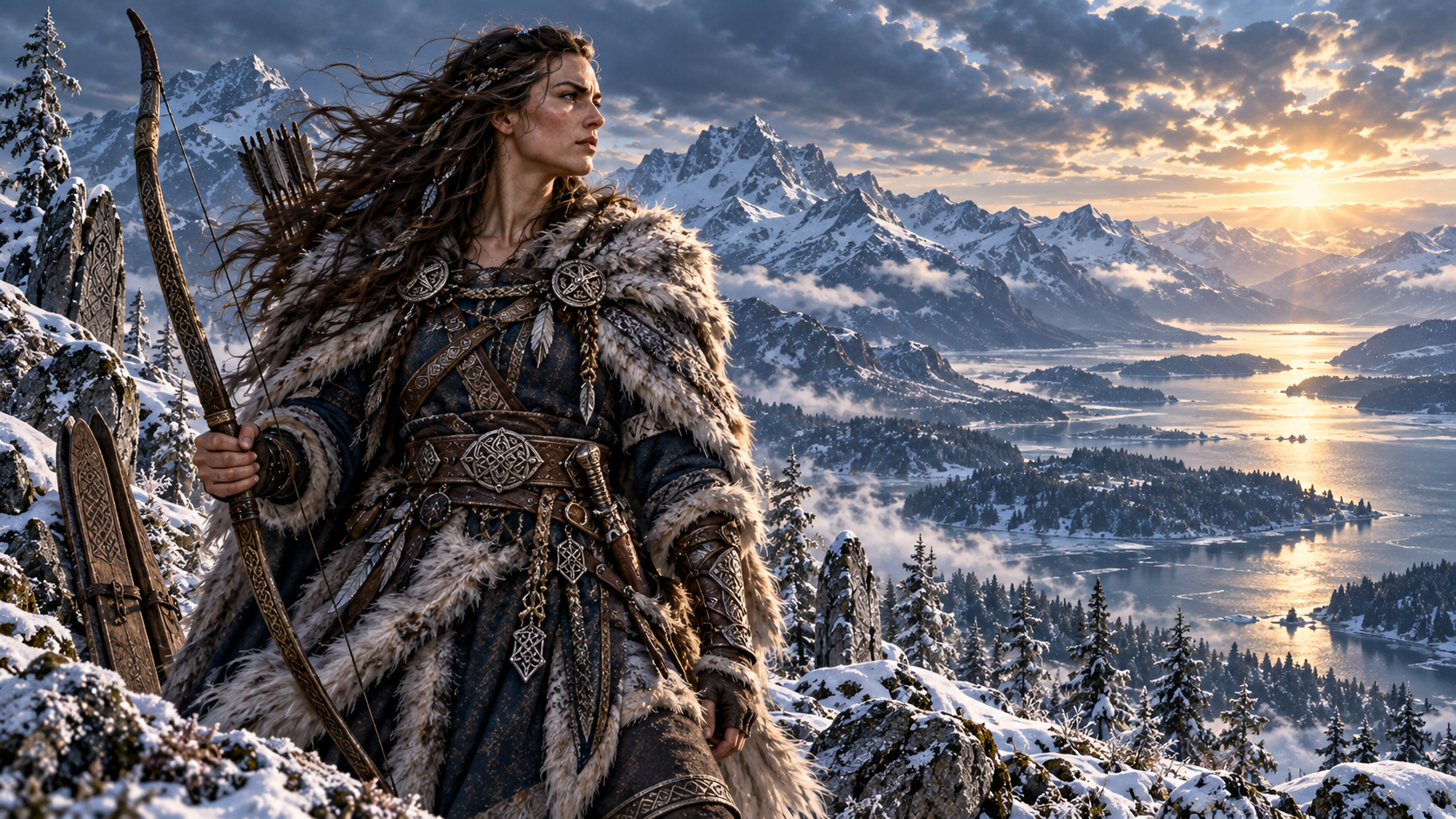
Skaði
Daughter of the jötunn Þjazi, hunter of the mountains and wife of Njörðr in the famous divine settlement.
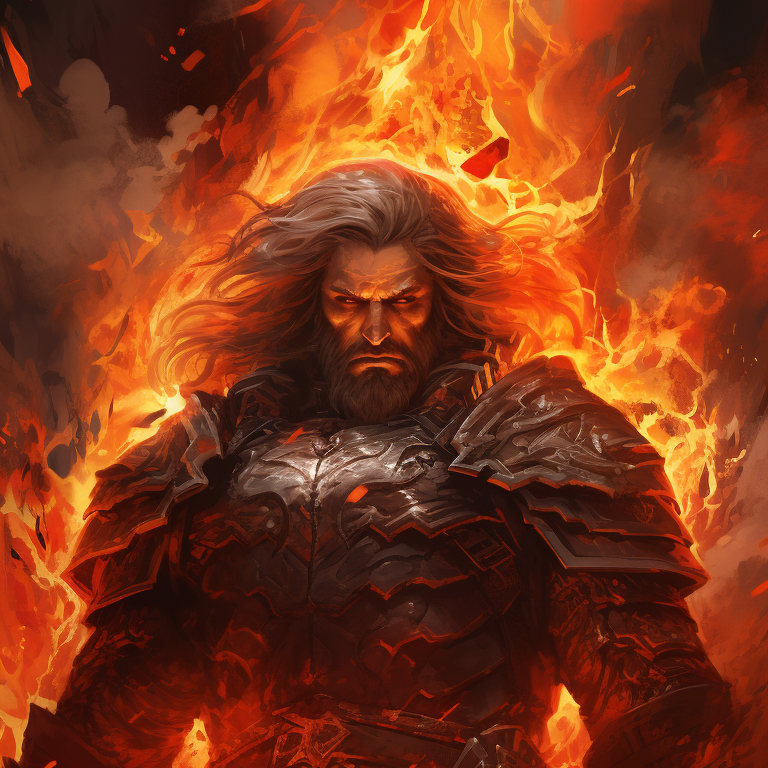
Surtr
Ancient fire-associated jötunn of Muspell whose role belongs to the future catastrophe of Ragnarök.
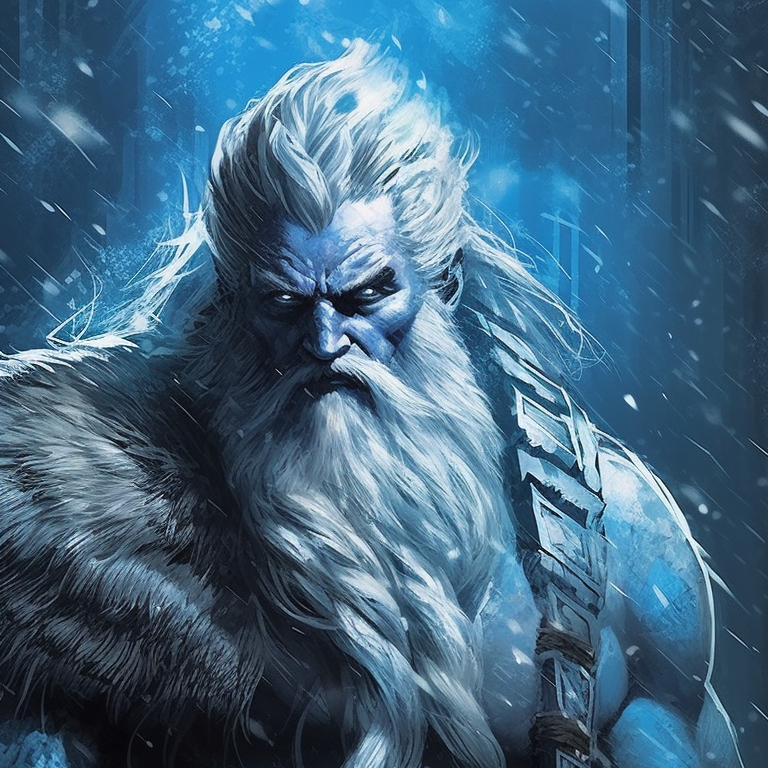
Þrymr
Jötunn remembered above all for stealing Mjölnir and demanding Freyja as the price of its return.
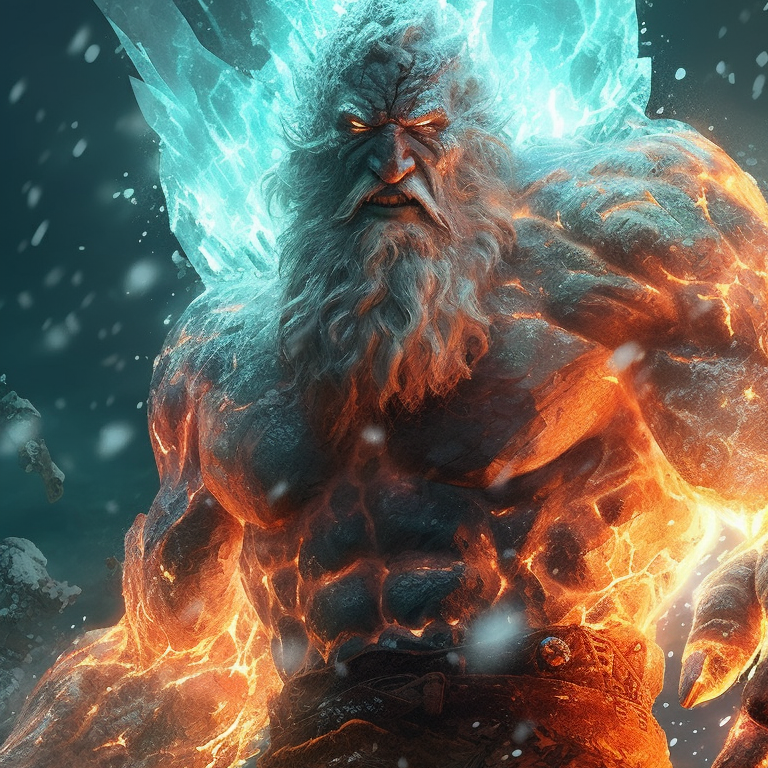
Ymir
Primordial giant from whose body the ordered world is fashioned in the creation tradition.
Beyond the Clan Lists
Sea, Fate, Death & Boundary Powers
Several important Norse figures resist a simple Æsir-or-Vanir label. They remain central to the mythology without being forced into a divine clan the surviving stories do not clearly give them.
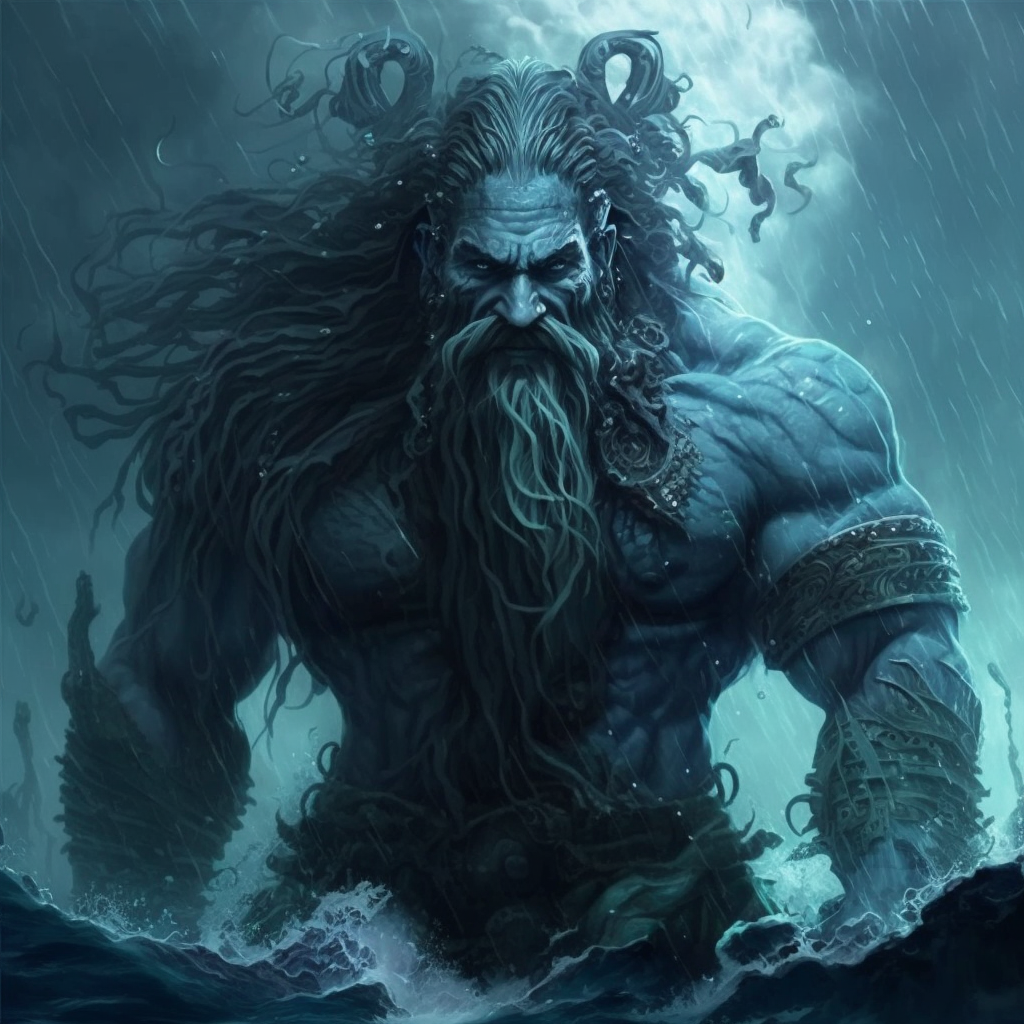
Ægir
Sea power and renowned host of the gods, standing within the wider divine world without being treated here as one of the Vanir.
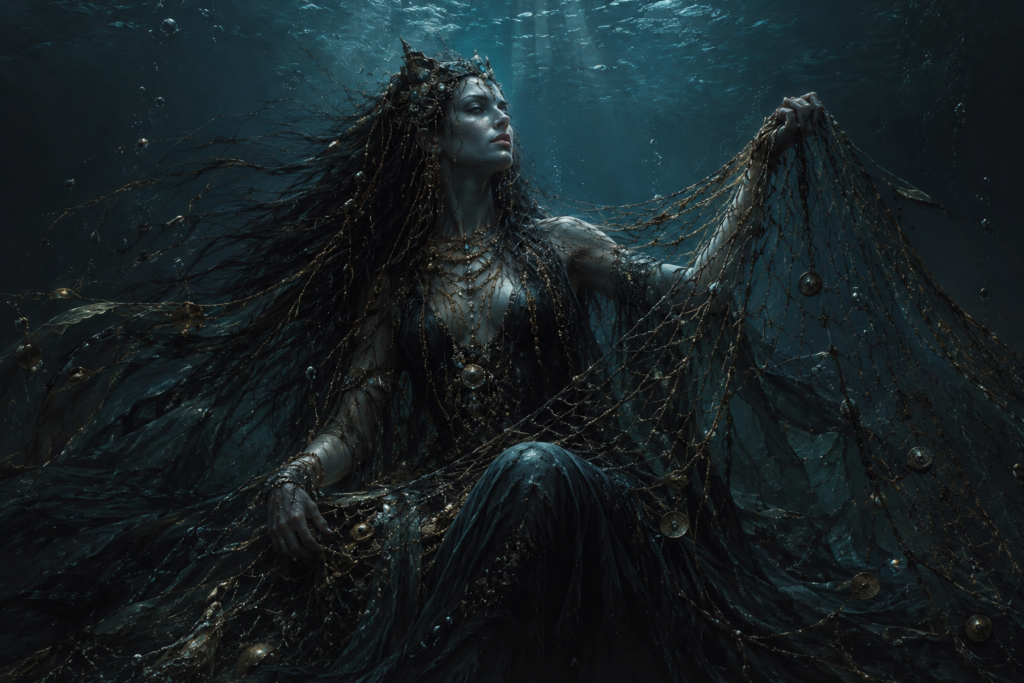
Rán
Sea power associated with the dangerous taking of those lost beneath the waves.
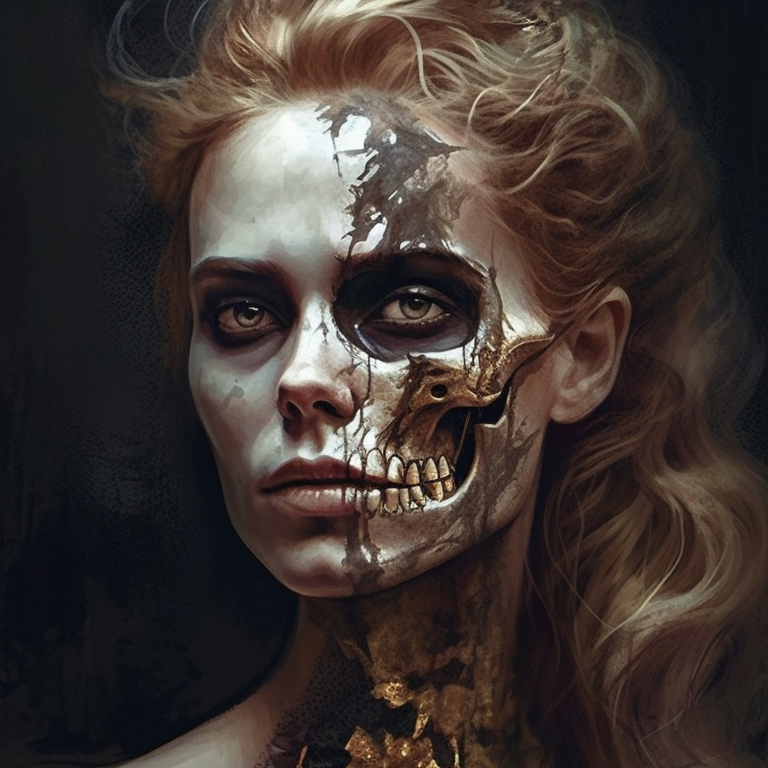
Hel
Daughter of Loki and Angrboða and ruler of the northern realm of the dead that bears her name.
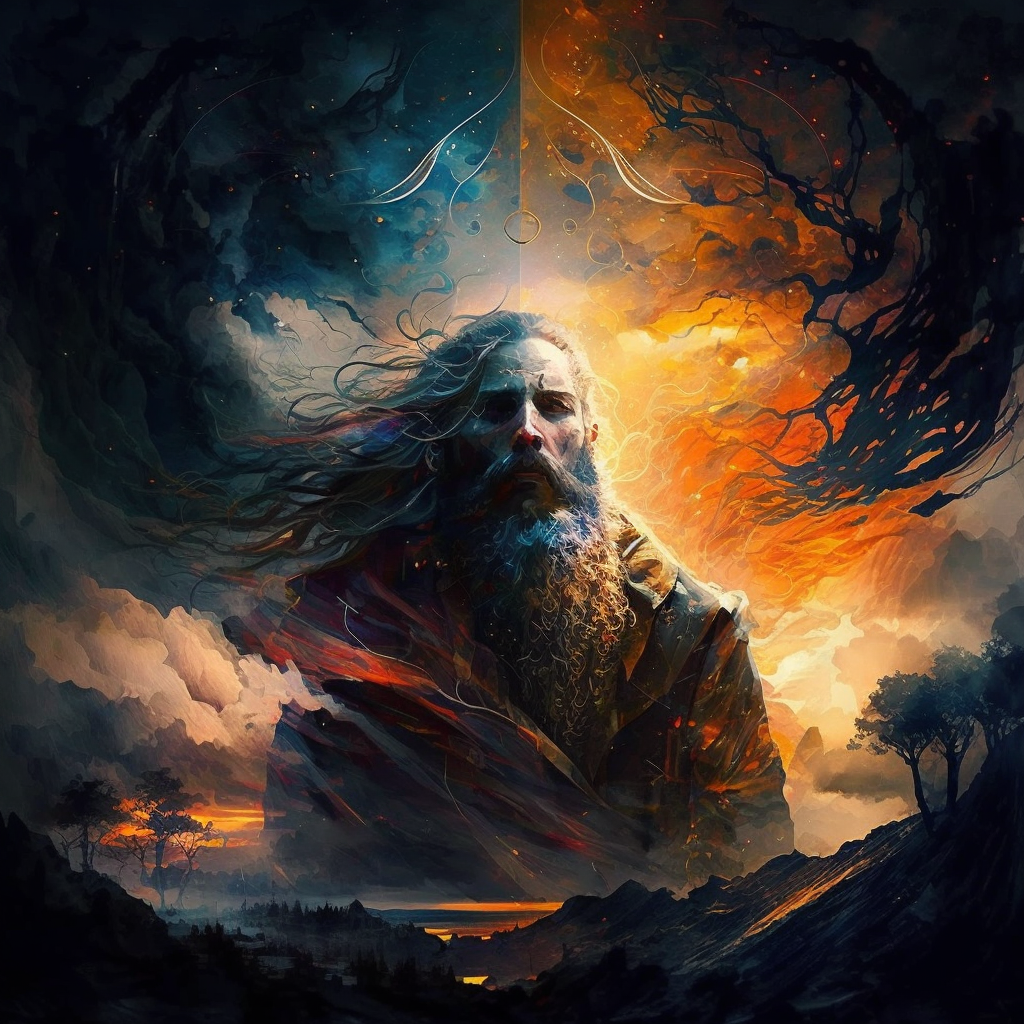
Mímir
Ancient wisdom figure associated with Mímir’s well and the deepest counsel of the gods.
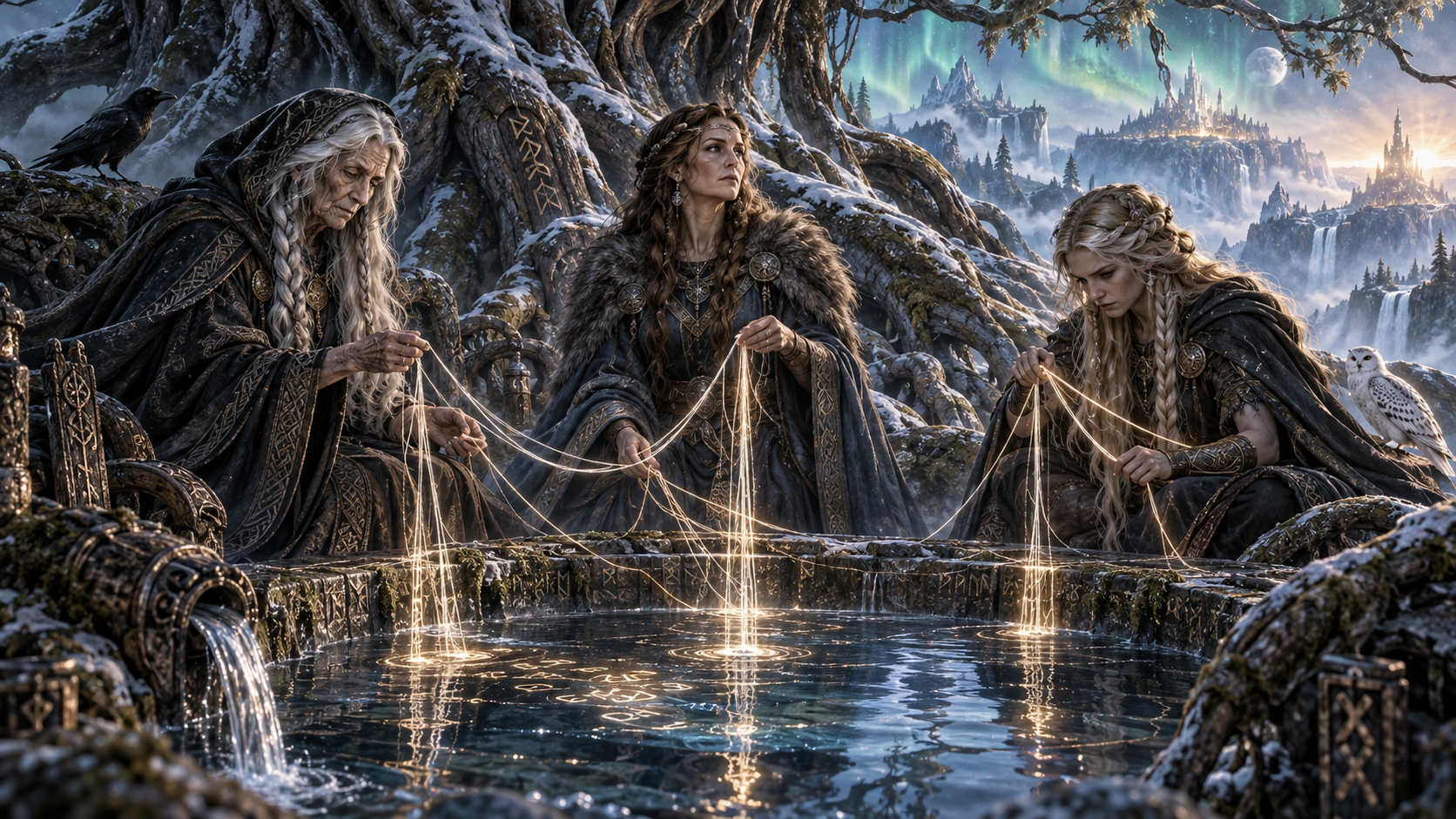
The Norns
Fate-shaping beings, most famously Urðr, Verðandi and Skuld, whose work reaches gods and mortals alike.
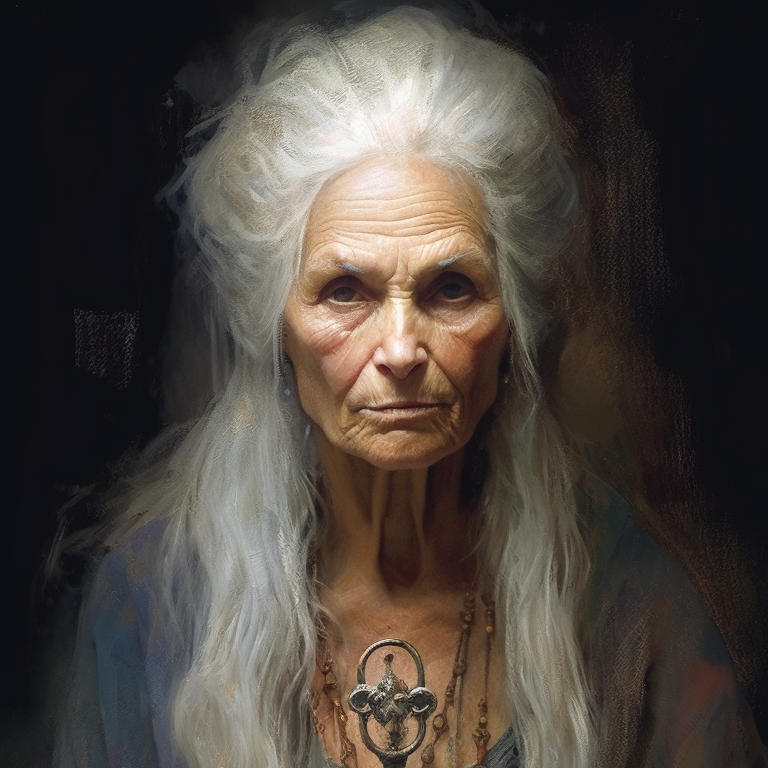
Elli
Old Age personified, whose apparently impossible victory over Thor reveals the limits even gods cannot escape.
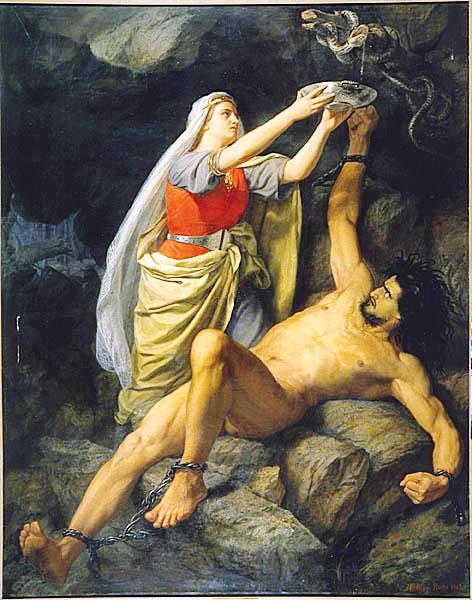
Loki
Shape-shifter, trickster, ally, adversary and boundary-crosser whose actions repeatedly transform the fortunes of gods and giants.
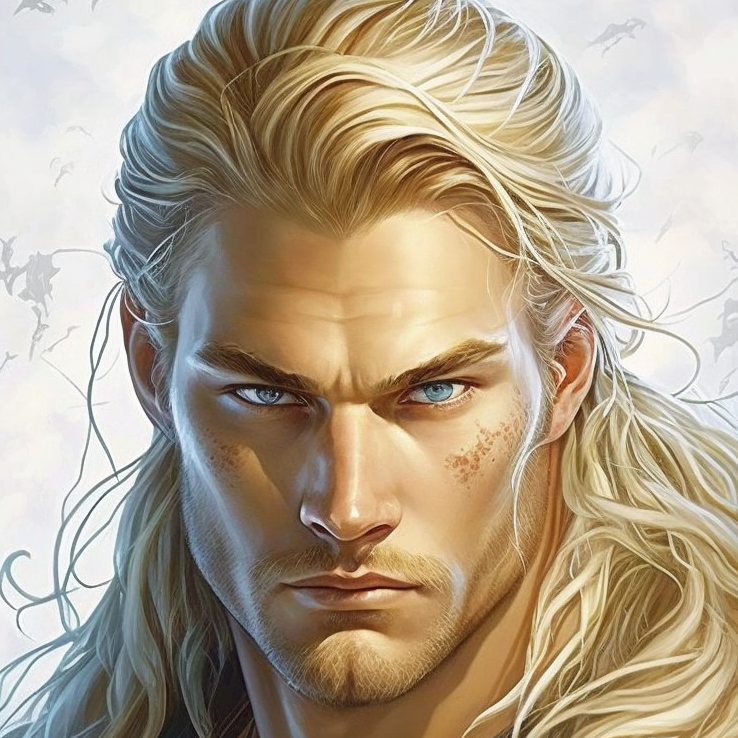
Kvasir
Extraordinarily wise being created from the peace between Æsir and Vanir and later bound to the story of the Mead of Poetry.
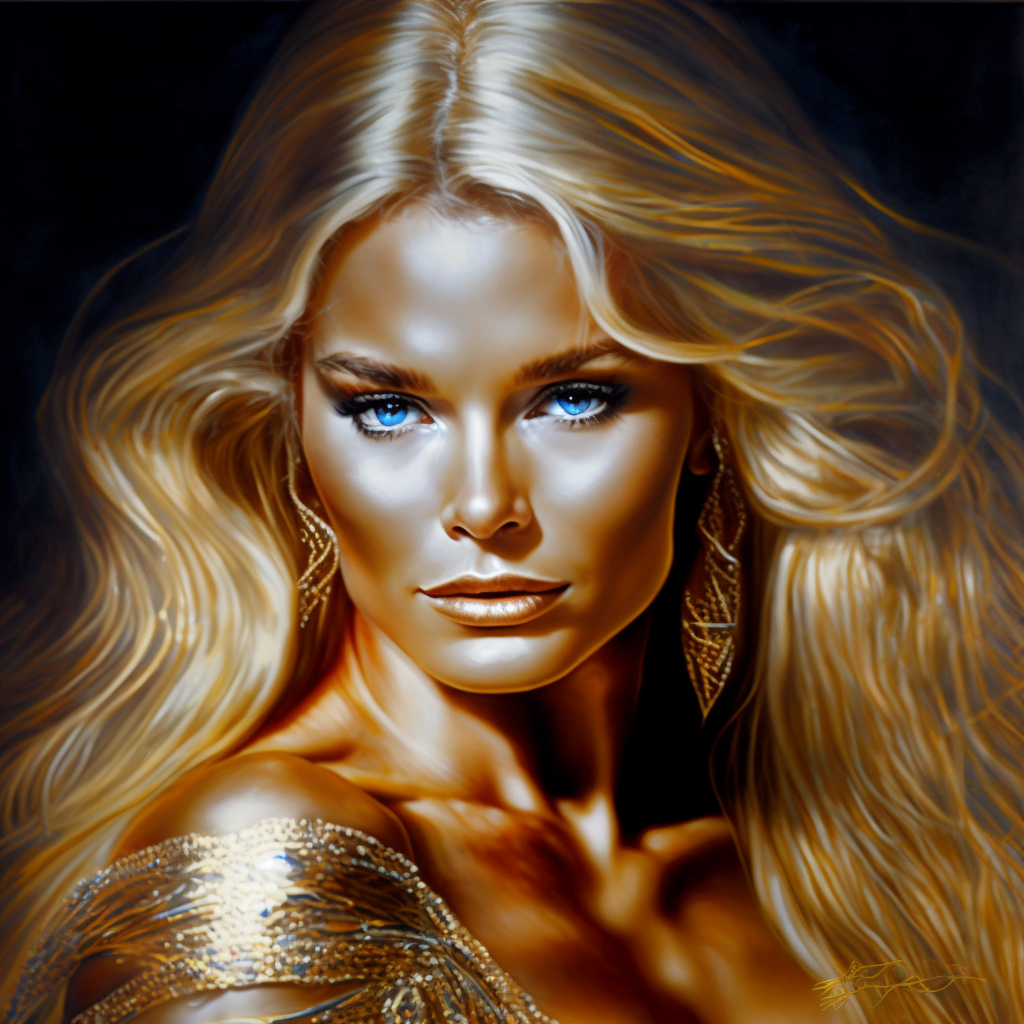
Gullveig and Heiðr
Mysterious figures—or possibly names for the same figure— associated with magic, gold and the conflict surrounding the Æsir and Vanir.
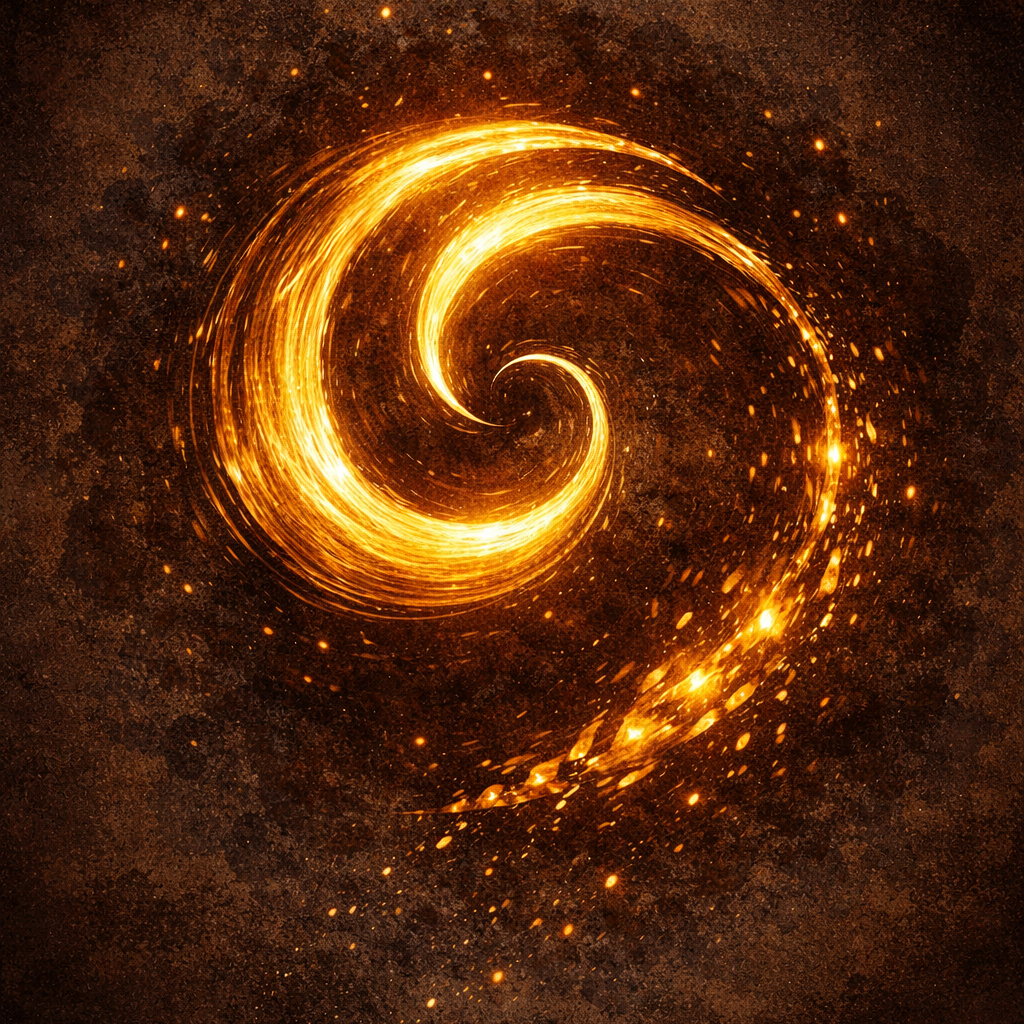
Óðr
The frequently absent husband of Freyja in surviving tradition.
Divine Households
Servants, Attendants & Heroic Dead
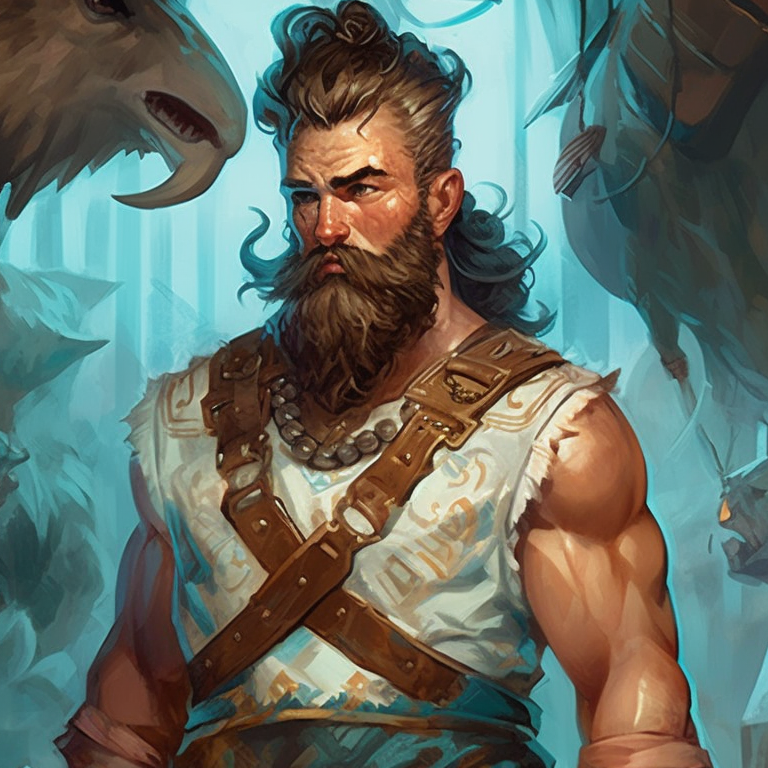
Andhrímnir
The cook of Valhalla, preparing Sæhrímnir for the warriors’ recurring feast.
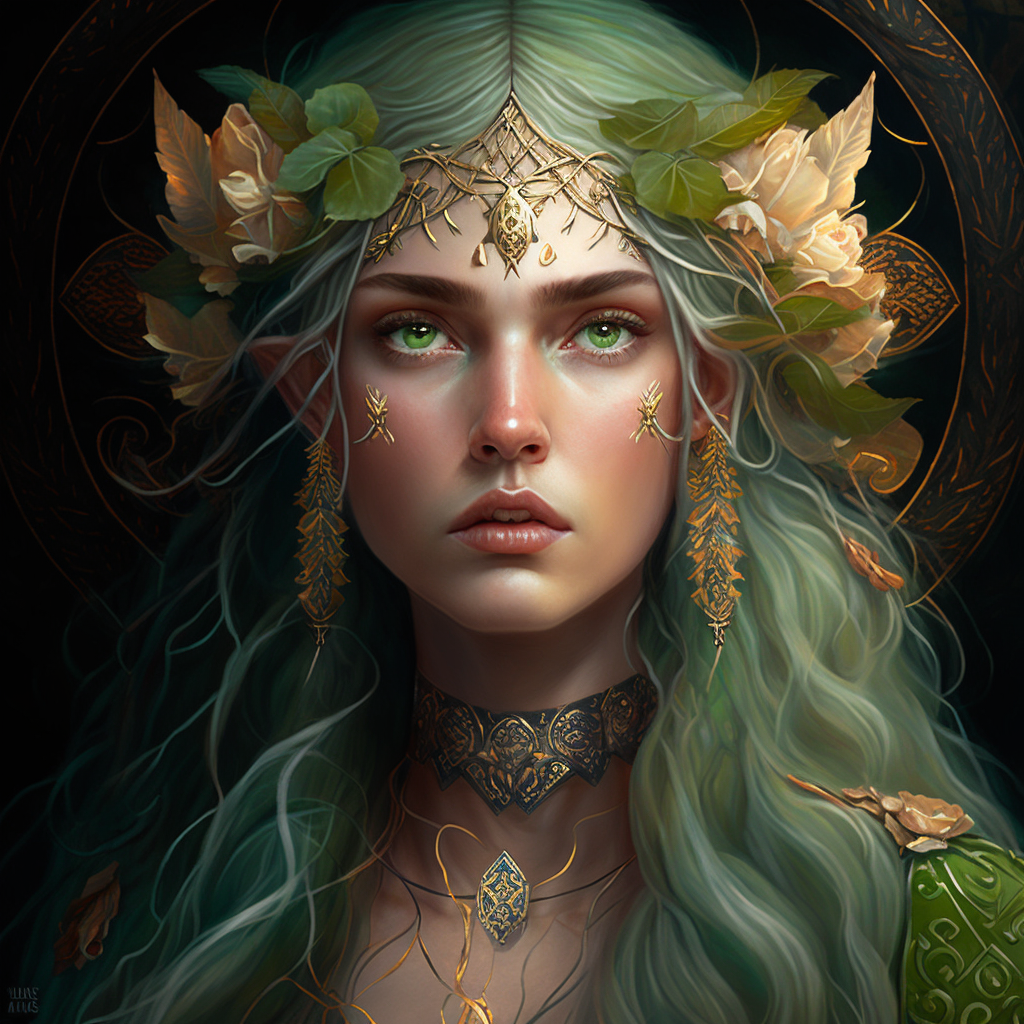
Beyla
Attendant of Freyr, appearing alongside her husband Byggvir in his household.
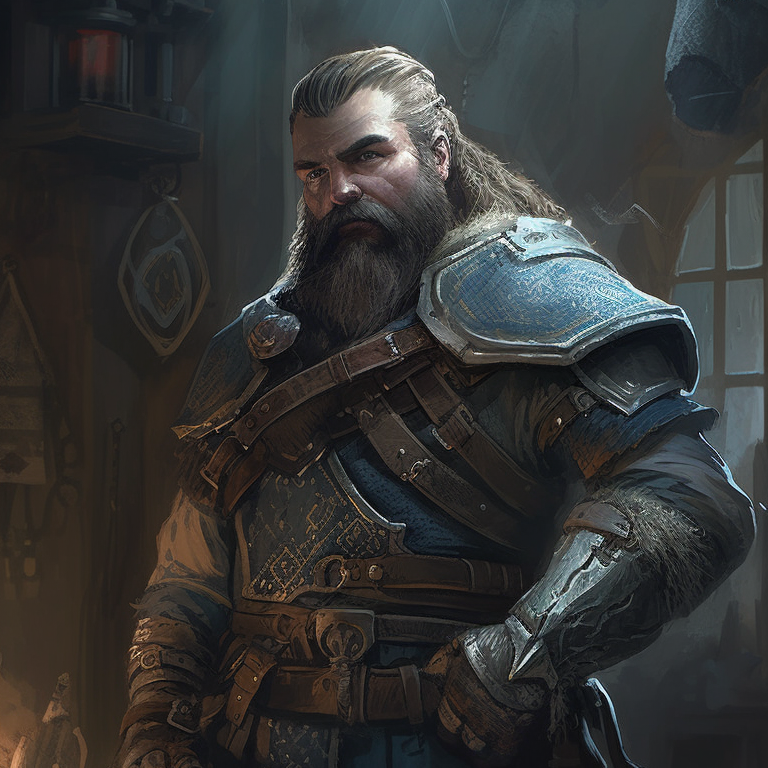
Byggvir
Attendant of Freyr within the Vanir god’s household.
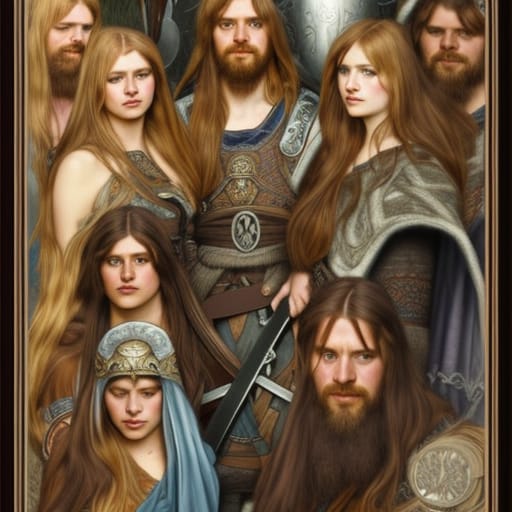
Einherjar
The honoured slain gathered in Valhalla, feasting and training beneath Odin’s rule as part of the host destined for Ragnarök.
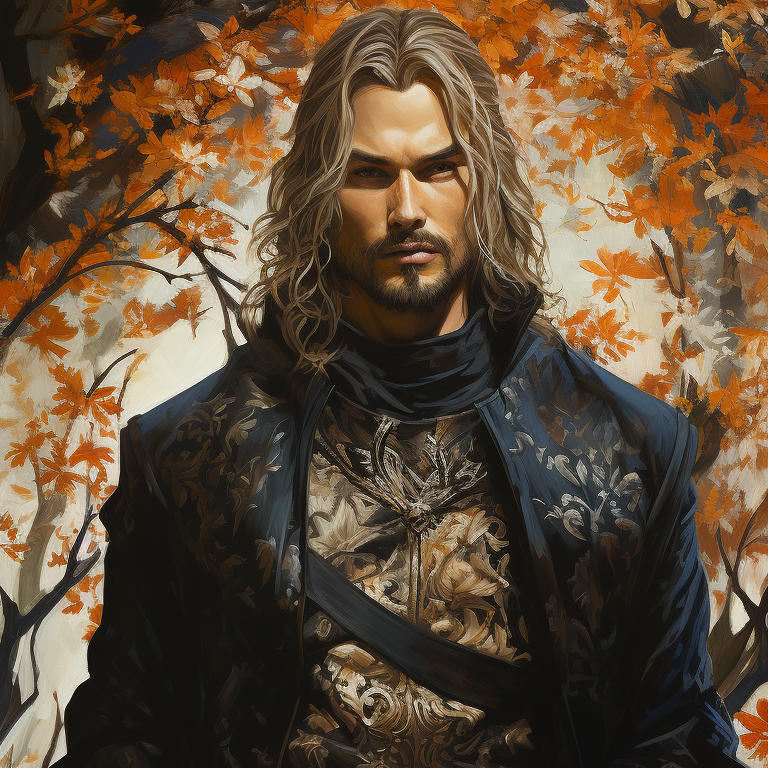
Skírnir
Freyr’s trusted emissary and servant, most famous for the journey to Gerðr.
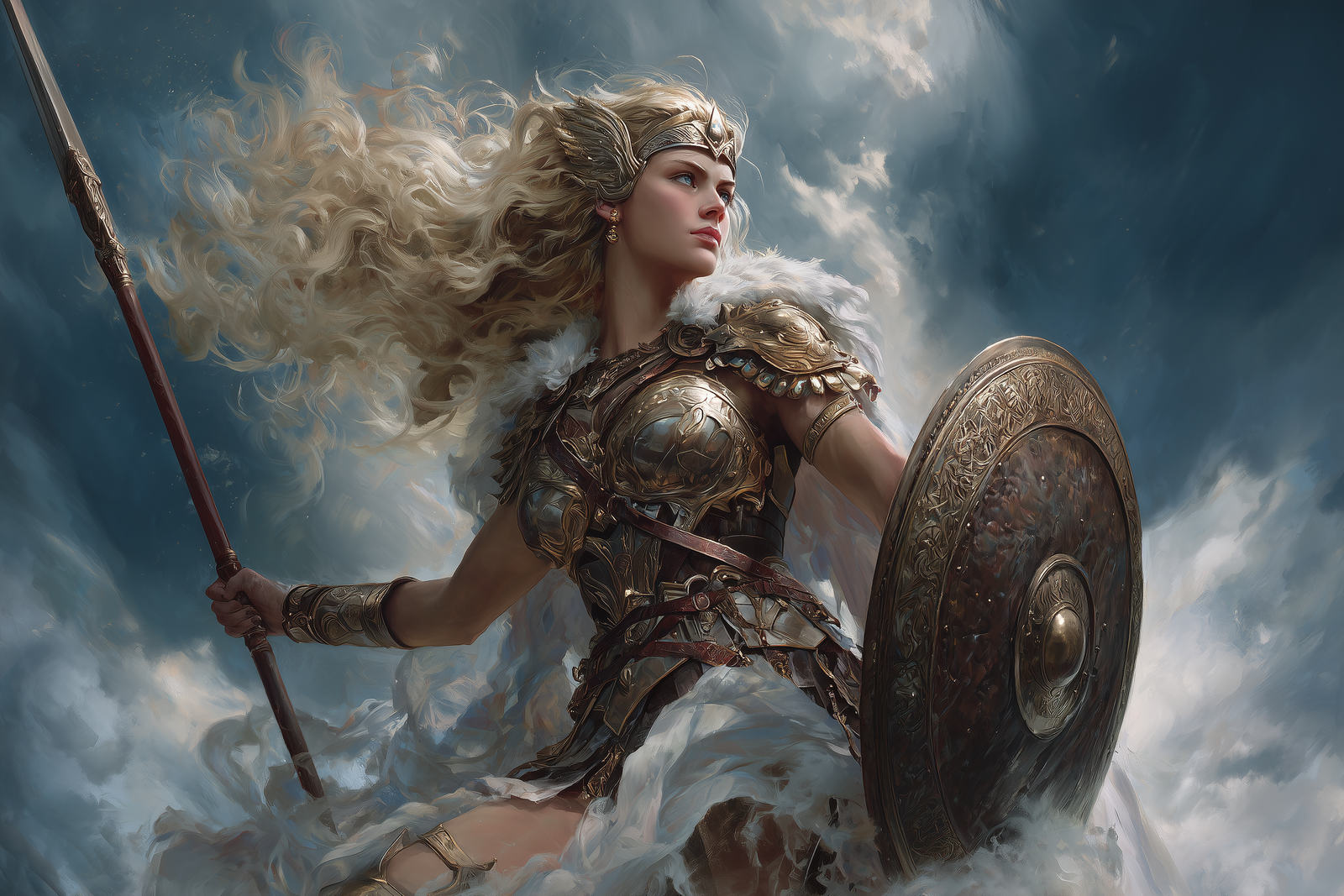
Valkyries
Supernatural choosers of the slain and servants of the divine war-host, carrying selected warriors from battle.
Monsters & Sacred Creatures
Mythic Beasts of the Norse World
These beings belong to the same mythic network as the gods without thereby becoming members of a divine clan.
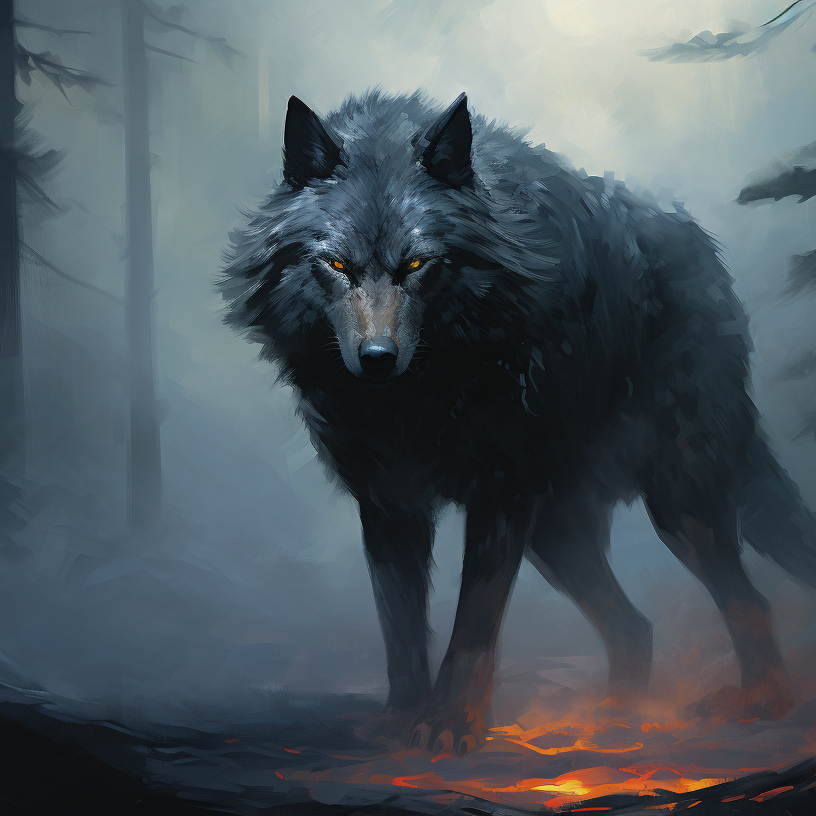
Fenrir
The bound wolf, child of Loki and Angrboða, whose future breaking of his bonds belongs to Ragnarök.
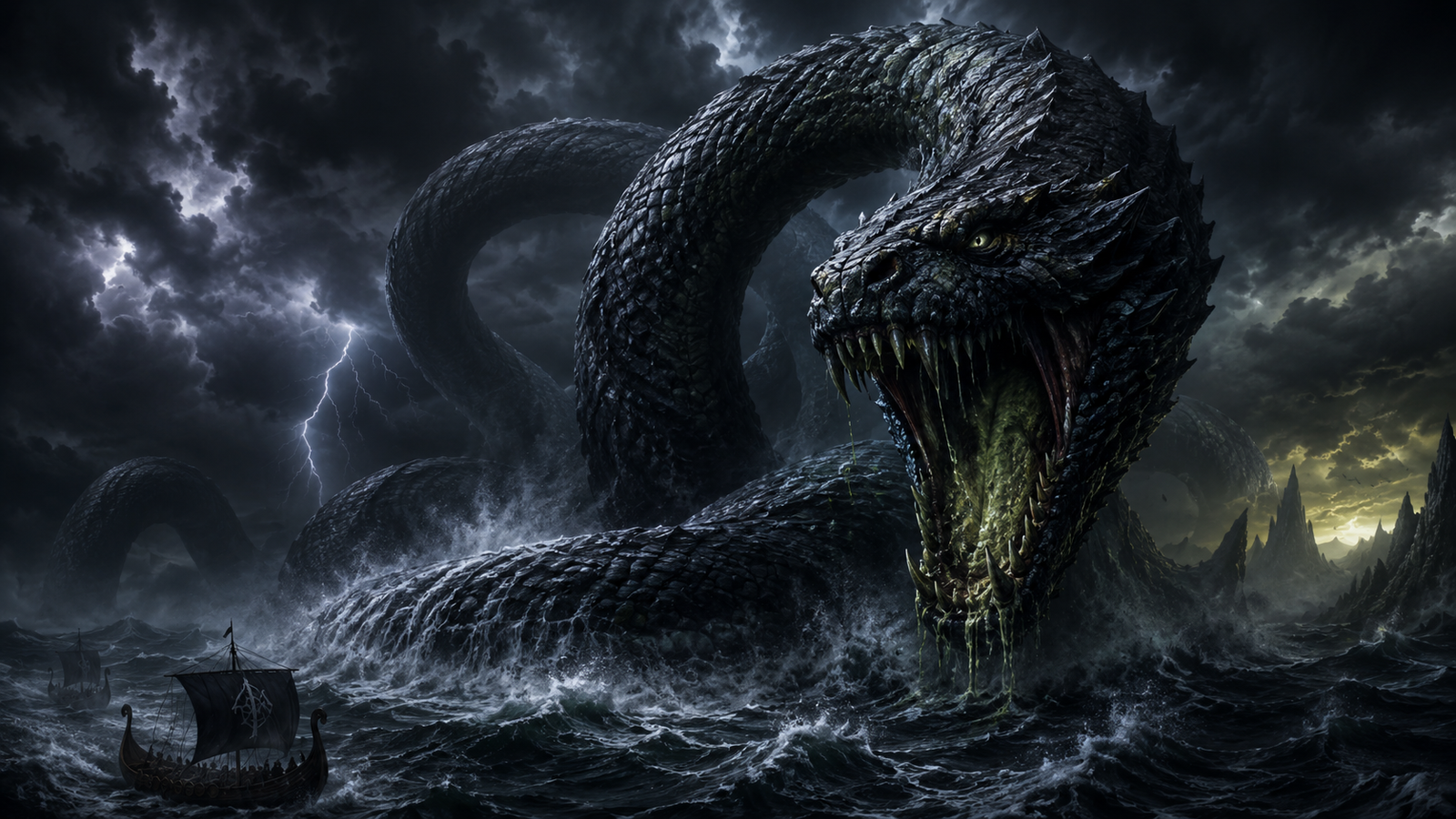
Jörmungandr
The Midgard Serpent, child of Loki and Angrboða and great adversary of Thor.
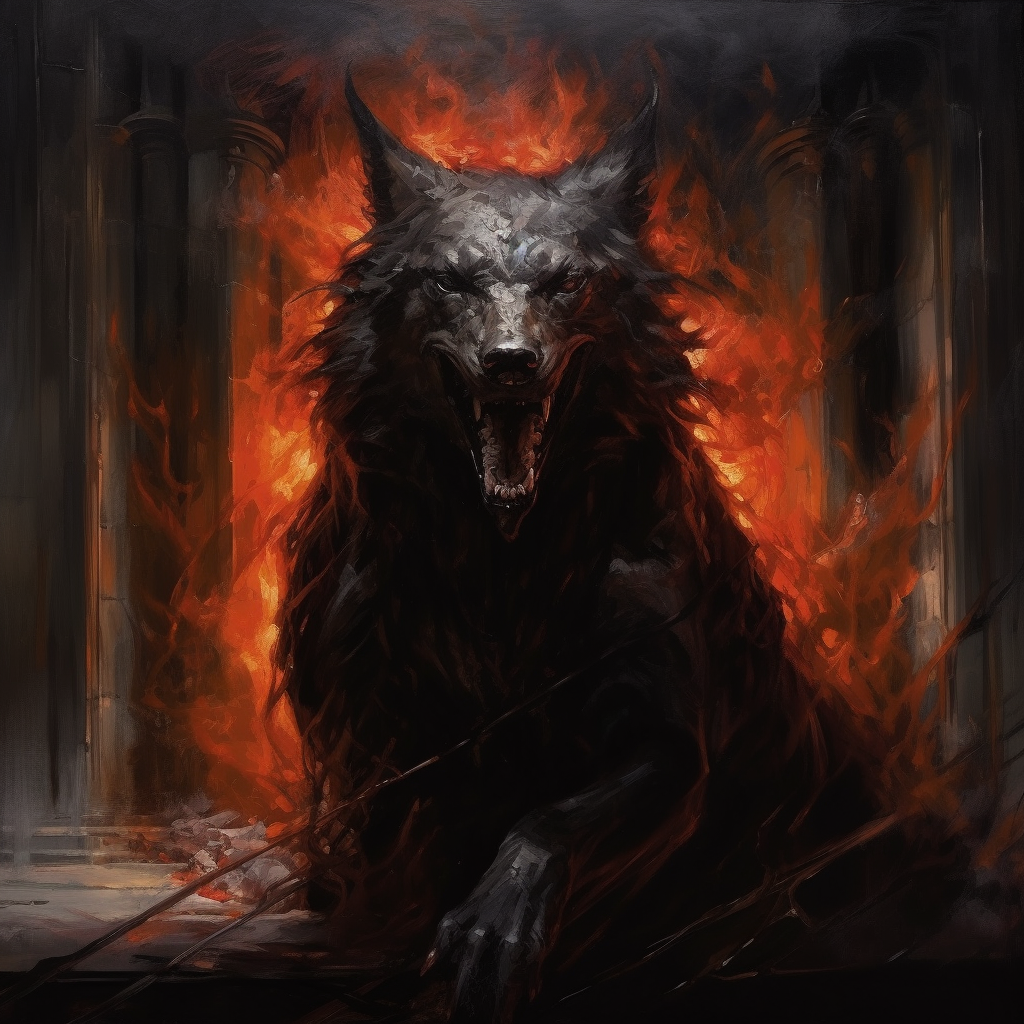
Garmr
Terrible hound associated with the realm of the dead and the doom-cycle of Ragnarök.
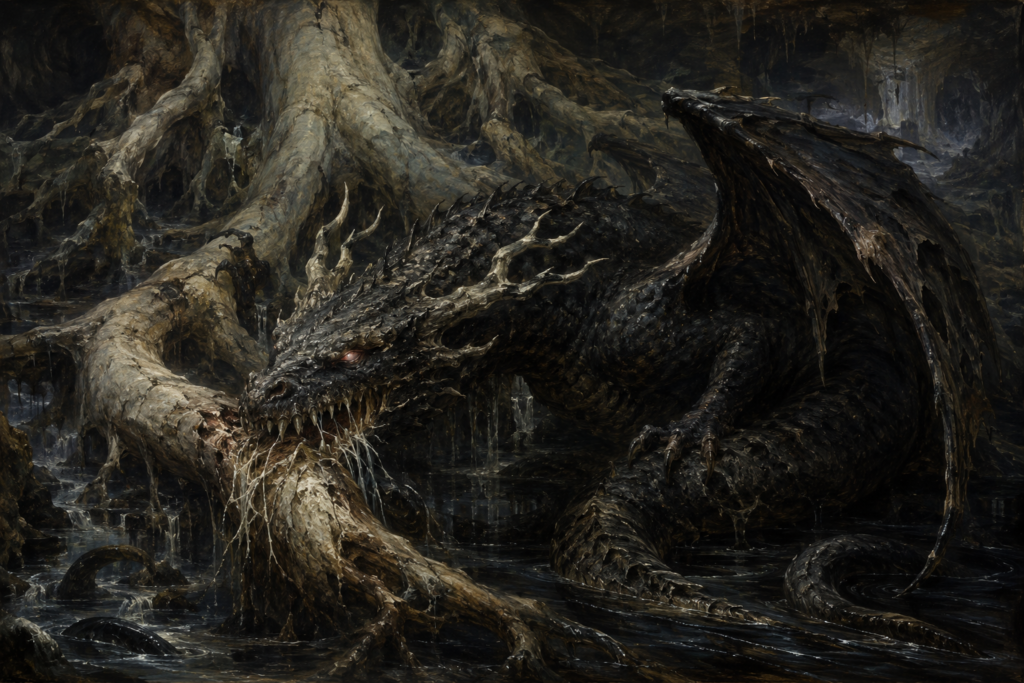
Níðhöggr
Ancient wyrm associated with the roots of Yggdrasill and the dark reaches beneath the ordered worlds.
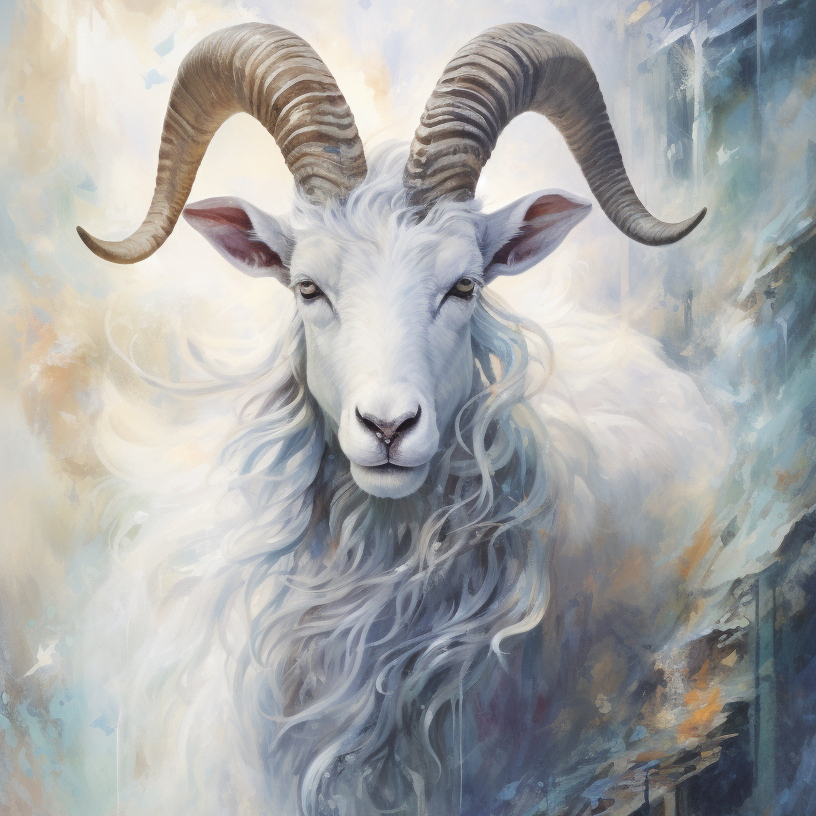
Heiðrún
The great goat whose drink sustains the endless fellowship of Valhalla.
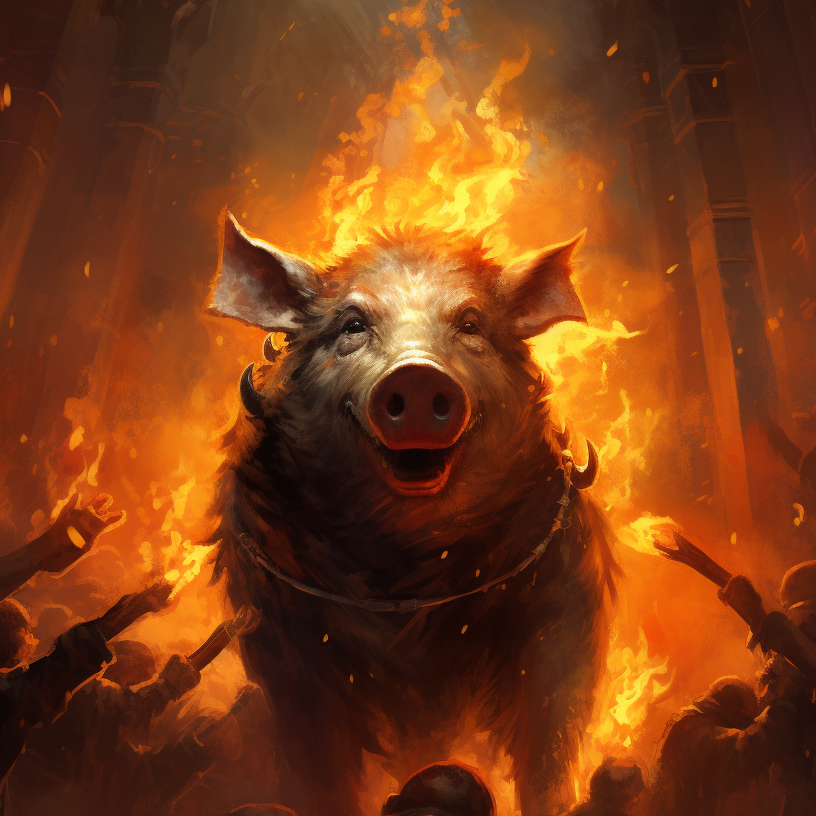
Sæhrímnir
The great boar cooked for Valhalla’s feast and renewed for the banquet to come again.
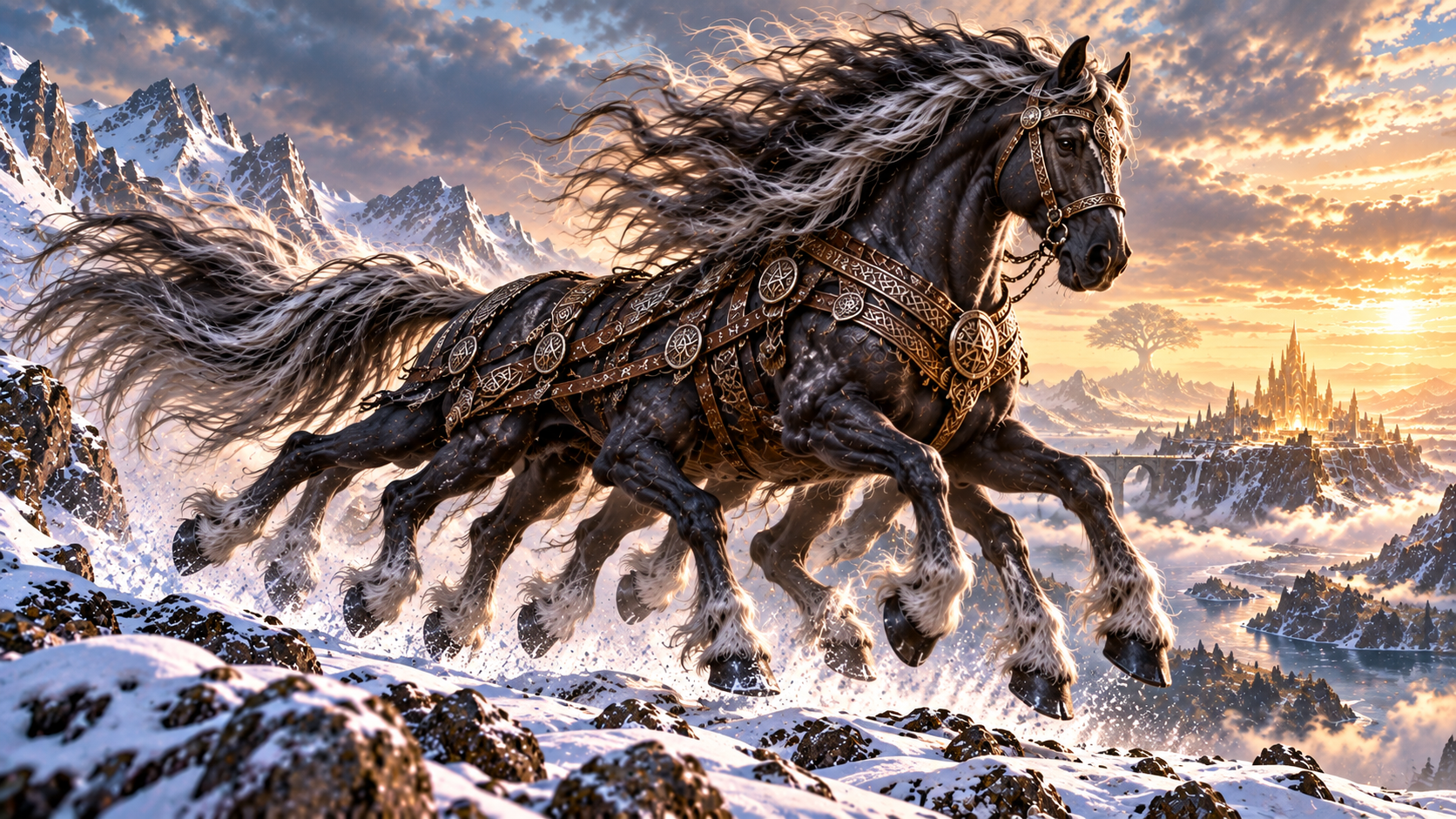
Sleipnir
Odin’s extraordinary eight-legged horse and one of the most celebrated supernatural mounts of northern myth.
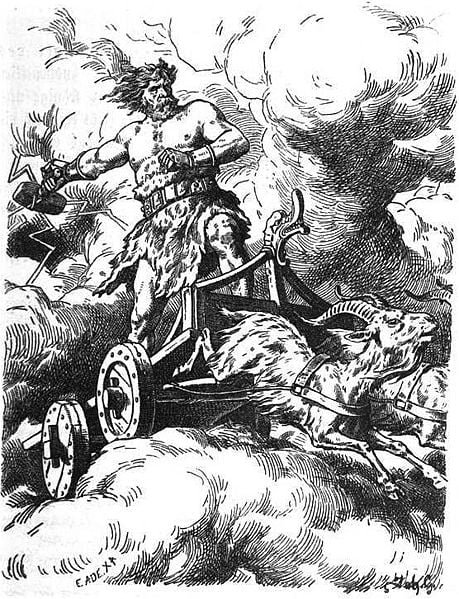
Tanngrisnir & Tanngnjóstr
Thor’s mighty goats, who draw his chariot across the worlds.
Adjacent Tradition
Related Germanic Powers
These figures belong to the wider Germanic mythic landscape. They stand beside the Norse divine tradition without being rewritten as ordinary Æsir or Vanir.
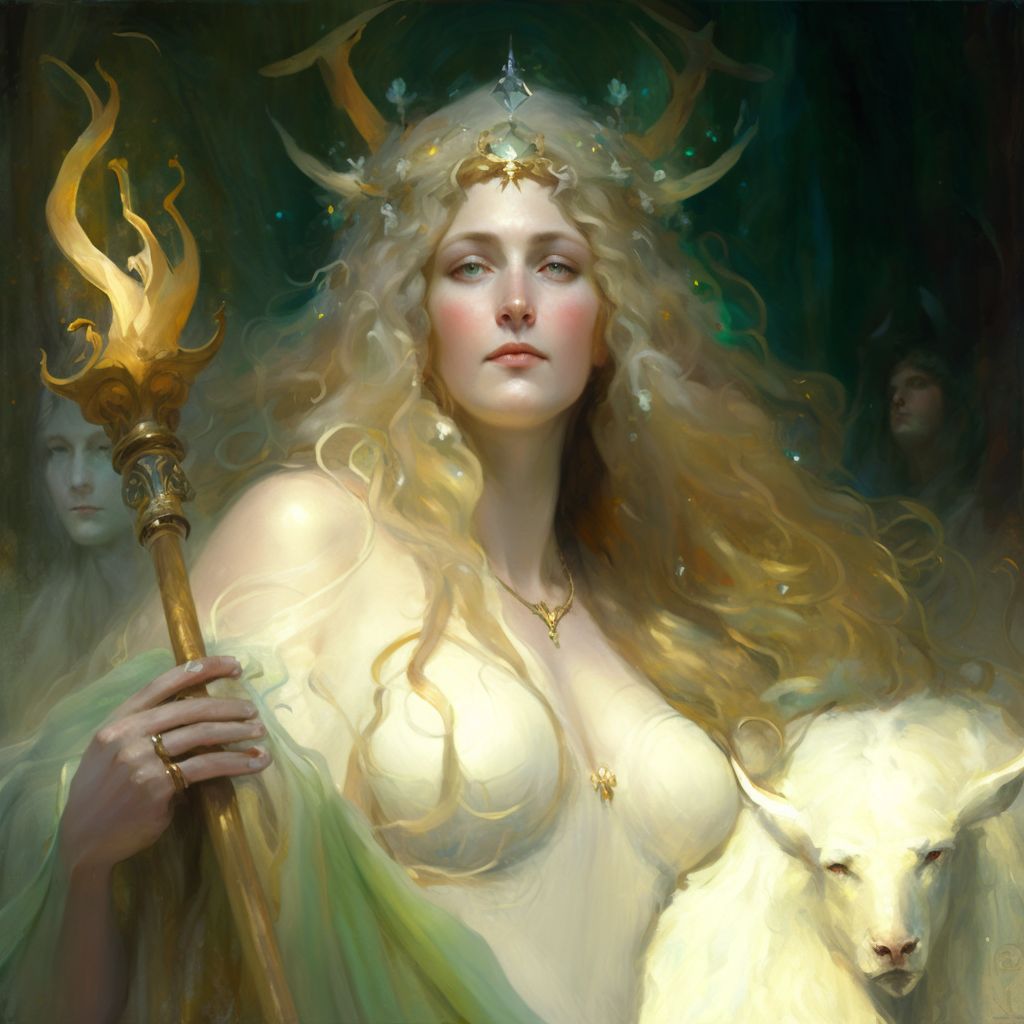
Current Divine Order
The Pantheon Now
The Asgardian Pantheon remains active in the campaign present. Ancient myths describe deeds already woven into the history of gods, giants and mortals, while other prophecies remain unresolved.
Ragnarök has not begun. Fenrir remains bound by Gleipnir, and the foretold destruction associated with his release, the advance of Surtr and the final battles of gods and monsters remains prophecy rather than the current campaign calendar.
The prophecies nevertheless shape cults, politics, quests, wards, prisons, rivalries and attempts to alter fate. Gods and mortals can act because the foretold end is known without assuming that every detail of that end is immutable.
Asgard itself remains a living divine realm within Ysgard. Vanaheim, Jötunheim and the other northern worlds retain their own identities, peoples and powers, linked through the greater cosmology of Yggdrasill rather than reduced to districts of a single heavenly kingdom.
Sources & Interpretation
Historical & Mythological Context
The surviving traditions behind the Asgardian Pantheon do not present one modern encyclopaedic list in which every named being carries a fixed portfolio and rank. Different poems, prose accounts, genealogies and later traditions preserve different relationships and emphases.
Accordingly, this directory treats the pantheon as a network of histories rather than a flat inventory. Æsir, Vanir, jötnar, monsters, fate-beings, servants and related Germanic figures remain identifiable even where their stories overlap.
Mythological Tradition
Establishes names, relationships, major stories, remembered deeds and the broad shape of the Norse divine world.
Later Tradition
Later folklore and Continental Germanic material can be retained, but it is labelled rather than silently projected backward into the Eddic pantheon.
Campaign Present
Myth is real within the campaign world. Cults, domains, present-day activity and divine politics grow from the surviving traditions while historical evidence remains distinct from campaign development.
Individual entries develop these powers further for campaign use. Historical sources remain useful for distinguishing inherited mythology from later tradition and present-day developments.
Gods & Pantheons • Eddic source material at Project Gutenberg
Selected Viewing
Norse Mythology — Further Viewing
Selected introductions to the gods, myths and surviving literary traditions of the Norse world.

Keep this reference growing
If this page helped with your reading or game, you can support its upkeep or explore the curated books.
Explore the Bookshop — epics, classics and stories behind imagined worlds.