
The Vanir — Norse Gods of Sea, Peace and Prosperity
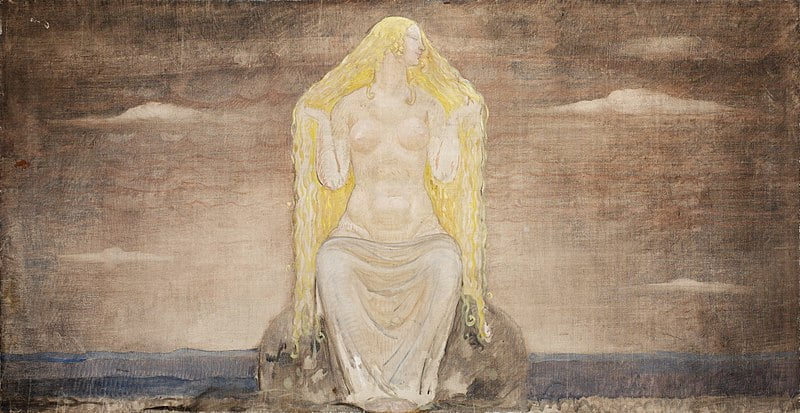
Asgardian Pantheon · Divine clans
The Vanir are one of the two great families of northern gods. Their best-known members are Njörðr, Freyr and Freyja. They have close ties to sea voyages, good harvests, wealth and seiðr, but they are not all interchangeable gods of fertility. Their history with the Æsir is a story of war followed by a difficult peace.
The Vanir at a Glance
Who Are the Vanir?
In the surviving Norse accounts, the Vanir are distinguished from the Æsir even when individual Vanir are counted among the gods living in Asgard. Njörðr is said to have been raised in Vanaheimr. After the war, he went to the Æsir as a hostage of peace. His children Freyr and Freyja became powerful figures in the wider company of gods.
It is useful to think of the Vanir as a family with shared history, not a single cult with one temple, alignment or set of cleric spells. A coastal captain might call on Njörðr for calmer water; a farmer might make an offering to Freyr for a good season. Freyja brings her own concerns, including seiðr and the battle-slain. Their individual entries explain those powers without making every Vanir god identical.
Three Gods to Know
- Njörðr — The Sea and Safe Return. Wind, voyages and prosperity. He is also the hostage whose presence helps hold peace between the clans.
- Freyr — Good Seasons and Peace. Rain, sunlight and fruitful fields. A ruler who needs food and stability has reason to seek his favour.
- Freyja — Seiðr and the Chosen Slain. Magic, desire, wealth and authority over part of the battle-dead. Her stories do not reduce to marriage or harvest alone.
What Happened Between the Æsir and Vanir?
The old poems remember a war between the clans. The prose traditions describe hostages exchanged to settle it: Njörðr goes to the Æsir, while Hœnir is sent the other way. Later accounts disagree over some details. The peace does not erase either family’s ancestry. A shared hall or oath can bind former enemies without making them one bloodline.
The wise being Kvasir is also linked to the settlement, but the sources tell his origin in different ways. He should not simply be entered on a fixed family list without that qualification. Other divine names sometimes proposed as Vanir, such as Ullr or Heimdall, are not securely named members in the surviving texts.
What Are the Vanir Doing Now?
In a campaign set before Ragnarök, the peace between the clans still matters. A failed harvest can make a ruler desperate for Freyr’s favour. Ships lost at sea can provoke demands for Njörðr’s help. A magic-worker who claims to have learned directly from Freyja may draw the attention of rivals. Those are choices for a campaign, not additional claims about what the Eddas say.
Using the Vanir in an Adventure
- The missing envoy. A ship carrying a peace-token between two rival courts vanishes on a calm sea. Its loss could break a hard-won truce. The party can find the ship, recover the token or prove who wanted the voyage to fail.
- Fields without rain. Farmers ask for an offering to Freyr, but the local lord has pledged the first harvest elsewhere. A good season requires a political settlement as much as a rite.
- A disputed teacher. Two seiðr practitioners both claim Freyja’s authority. One has knowledge the other lacks; neither can simply order the goddess to appear. The players must judge what the competing claims are being used to justify.
Mythic Sources and Game Use
The key passages are Gylfaginning, chapters 23–24, on Njörðr and his children, together with Völuspá and the differing accounts of the Æsir–Vanir settlement. A scholarly discussion of those versions appears in Stefan Olsson, The Hostages of the Northmen. The political conflicts and adventure situations above are original campaign applications.
Rules: This is a reference to a divine clan, not a monster or one god. For individual D&D and Pathfinder mechanics, use the linked Njörðr, Freyr and Freyja entries.
Keep this reference growing
If this page helped with your reading or game, you can support its upkeep or explore the curated books.
Explore the Bookshop — epics, classics and stories behind imagined worlds.