This site is games | books | films

NPCs: Guards, Merchants, Rulers, Villains and Non-Player Characters

Overview

Use this Non-Player Character index for D&D, Pathfinder, and late medieval fantasy campaigns. These non-player characters can serve as patrons, enemies, witnesses, specialists, faction agents, social complications, travelling companions, civic authorities, criminals, rulers, or quick opponents whenever a scene needs a person with a purpose.

This page is built for practical use at the table. Most of the NPCs here are the people who make towns, roads, ports, markets, courts, temples, ships, prisons, noble households, military camps, and criminal networks feel alive.

A good NPC should change what the characters know, want, can access, fear, or must decide.

Quick Non-Player Character Picks for Common Scenes

SceneUse These NPCs
Tavern TroubleBarmaid, Barkeep, Drunkard, Street Thug, Storyteller
Road EncounterCaravan Guard, Guide, Highwayman, Wanderer, Sellsword
City LawCity Guard, Courthouse Guard, Parish Constable, Guard Officer, Watch Captain
Market IntrigueShopkeep, Pawnbroker / Fence, Successful Merchant, Traveling Merchant, Merchant Prince
Temple ProblemAcolyte, Cultist, Doomsayer, Priest, High Priest
Noble CourtSquire, Steward, Noble Scion, Princess, Noble, King, Queen
Crime SceneCutpurse, Pickpocket, Burglar, Smuggler, Thief-Taker, Turnkey
Sea VoyageShipmate, Pirate / Buccaneer, Veteran Buccaneer, First Mate, Pirate Captain
Dangerous KnowledgeAtheist Philosopher, Cautious Mage, Hedge Wizard, Archaeologist, Sage
Military PressureFoot Soldier, Cavalry, Gladiator, Knight, General

Browse NPCs by Challenge Rating

Use the links below to find an NPC quickly by challenge rating. Low-CR NPCs are best for towns, roads, ports, witnesses, minor trouble, local law, and everyday campaign pressure. Higher-CR NPCs work better as faction leaders, serious rivals, rulers, elite threats, and campaign-shaping powers.

Low-Level Non-Player Characters: CR Below 1–3

Use these NPCs for ordinary life, village disputes, road encounters, tavern scenes, hired blades, gate guards, informants, apprentices, minor criminals, militia, servants, witnesses, pilgrims, shopkeepers, local priests, sailors, and everyday dangers with a human face.

These characters work best when the scene is about pressure rather than raw combat power: a locked gate, a false accusation, a missing child, a disputed toll, a stolen horse, a drunken witness, a forbidden shrine, or a rumour no one wants spoken aloud.

This is the page’s strongest everyday campaign tier. A barmaid, beggar, porter, fisherman, constable, shopkeep, cutpurse, acolyte, or caravan guard may not dominate combat, but each can start trouble, reveal a clue, block a road, hide a crime, or connect the party to a larger faction.

NPCs Below CR 1

Acolyte, AcolyteAlcoholic FishermanAndroid Rogue, Apprentice Jeweler, Atheist Philosopher, BanditBarbarian Raider , BarmaidBeggar, Careful Initiate, Cautious Mage, City Guard, Courthouse GuardCutpurse, Damsel in DistressFarmer Foot SoldierGuideInnkeeper’s ChildNative/Tribal HumanOrphan Child, Parish ConstablePickpocketPirate/BuccaneerPorterShipmateSquireStewardVillage Idiot

CR 1 NPCs

BeggarButlerCannibalCaravan GuardCarnyDoomsayerDrunkardGuardInitiateInnkeeperMiner, Pawnbroker/FenceProstituteShopkeepSmuggler, StorytellerStreet Performer, Street ThugVagabond.

CR 2 NPCs

Academy Performer, BurglarCafe Owner, CultistHell Knight ArmigerNoble ScionPoacher, PrisonerThief-takerVeteran Buccaneer, Village ElderWanderer.

CR 3 NPCs

BarkeepDealerGuard OfficerPilgrimSlaverTrapperTurnkey

Local Threats and Skilled Professionals: Non-Player Characters CR 4–7

Use these NPCs for capable rivals, veteran soldiers, hedge mages, hunters, merchants, guild agents, local champions, corrupt officials, occult advisers, dangerous specialists, and people skilled enough to survive serious trouble.

These characters are strong enough to matter in a fight, but they are often more interesting when they represent something larger: a court, temple, guild, mercenary company, noble household, thieves’ network, ship’s crew, monastery, shrine, trade route, or old family feud.

CR 4 NPCs

Battle monkHedge Wizard,

CR 5 NPCs

Battle MageCavalryFortune TellerGladiatorMinstrelMonster HunterRaiderRuffianShamanSuccessful Merchant Tomb RaiderTorturerTraveling Merchant,

CR 6 NPCs

ArchaeologistBeast MasterConjuristHermitHighwaymanHoly WarriorPrincessWatch Captain.

CR 7 NPCs

GuideHell Knight EnforcerKnightSellswordViking

Serious Rivals and Named Enemies: Non-Player Characters CR 8–12

Use these NPCs for faction leaders, elite agents, commanders, priests, assassins, pirate officers, guild masters, cult leaders, nobles, rulers, saints, sages, champions, and recurring enemies.

NPCs in this range should rarely feel disposable. They are strong enough to survive first contact, plan ahead, gather allies, punish insults, and reshape local events.

A mayor, priest, slayer, traitor, guild master, pirate captain, cult leader, sage, saint, queen, or high priest should change the story around them. They bring followers, obligations, secrets, legal power, money, reputation, or sacred authority with them.

CR 8 NPCs

Aloof ScholarFirst MateKing, Mayor/GovernorNoblePriestSlayer, Traitor.

CR 9 NPCs

ChampionDancing DervishMerchant Prince.

CR 10 NPCs

Celebrity Bard,  ChieftainGeneralGuild MasterHell KnightQueen.

CR 11 NPCs

Bandit LordBounty HunterCaptainCult LeaderPirate CaptainSageSaint.

CR 12 NPCs

CourtesanHigh Priest.

Major Powers: Non-Player Characters CR 13–17

Use these NPCs for rulers, legendary champions, high masters, archmages, high priests, ancient warriors, infernal agents, tyrants, prophet-kings, and campaign-shaping enemies.

A major NPC should affect more than one room or encounter. Their choices should be felt through messengers, soldiers, laws, prices, rumours, assassins, taxes, sacred obligations, blocked roads, frightened witnesses, and shifting alliances.

Even when the list is short, this tier matters. A high-CR king, master, or equivalent figure should be treated as a centre of gravity, not just a stronger version of a courtier, warrior, priest, or monk.

CR 14 NPCs

King,  Master.

CR 20 NPCs

Ageless Master.

Browse NPCs by Role

None Player Characters (NPCs)
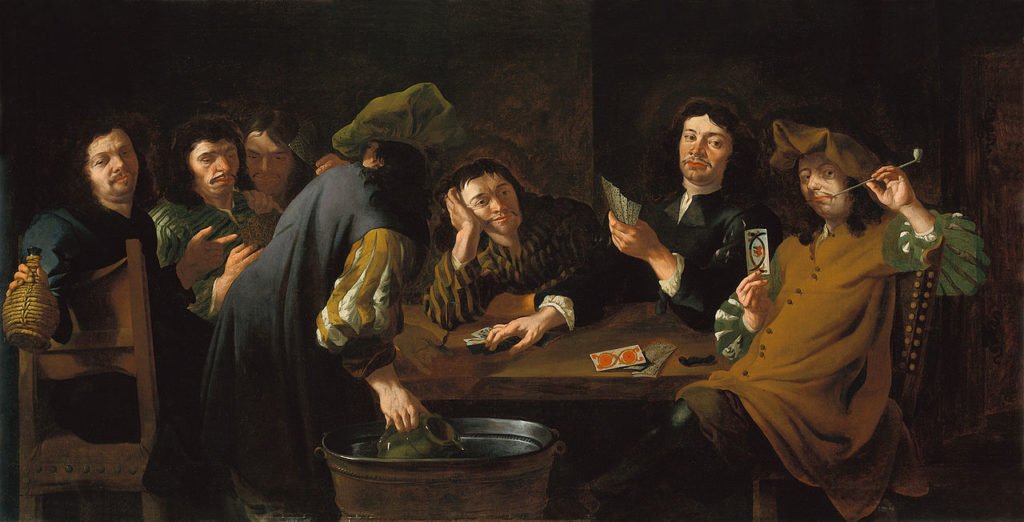
Image: Almanach (fl. 1667–1689), Kvartopirci II. A tavern gaming scene used to evoke the social pressure, suspicion, rumour, debt, and everyday human drama that NPCs bring to a campaign.
RoleExample Non-Player Characters from This IndexUse in Play
Common FolkFarmer, Porter, Barmaid, Beggar, Drunkard, Fisherman, Village IdiotGround the setting in ordinary life, local rumour, labour, fear, hunger, gossip, and witnesses.
Civic AuthorityCity Guard, Courthouse Guard, Parish Constable, Guard Officer, Watch Captain, Mayor / GovernorControl gates, arrests, taxes, public order, law, warrants, curfews, and local consequences.
Criminals and OutlawsCutpurse, Pickpocket, Burglar, Smuggler, Highwayman, Bandit Lord, Pirate CaptainCreate theft, blackmail, ambushes, underworld contacts, pursuit, betrayal, and dirty bargains.
Trade and CraftApprentice Jeweller, Shopkeeper, Pawnbroker / Fence, Successful Merchant, Traveling Merchant, Merchant PrinceProvide goods, credit, rumours, supply chains, debts, forged papers, rare items, and economic pressure.
Faith and OccultAcolyte, Cultist, Doomsayer, Shaman, Priest, High Priest, Fortune TellerBring omens, blessings, curses, cult pressure, temple politics, heresy, healing, and sacred law.
Scholars and SpecialistsAtheist Philosopher, Cautious Mage, Hedge Wizard, Archaeologist, Sage, Monster HunterOffer knowledge, research, warnings, maps, translations, dangerous advice, and specialised services.
Soldiers and WarriorsFoot Soldier, Caravan Guard, Cavalry, Gladiator, Sellsword, Knight, GeneralProvide violence, discipline, battlefield pressure, escorts, raids, rival companies, and military authority.
Nobles and RulersSquire, Steward, Noble Scion, Princess, Noble, King, QueenCreate inheritance disputes, court intrigue, patronage, command, ransom, marriage politics, and dynastic danger.
Sailors and TravellersShipmate, Pirate / Buccaneer, Veteran Buccaneer, First Mate, Guide, WandererSupport journeys, sea travel, ports, smuggling, storms, lost roads, exploration, and frontier trouble.

Choosing NPCs by Challenge Rating

Challenge rating is useful, but it should not be the only way to choose an NPC. A weak character with legal authority, a powerful patron, or dangerous knowledge can matter more than a stronger combatant.

Use CR 0–3 NPCs for ordinary life, town scenes, road trouble, local witnesses, minor criminals, guards, shopkeepers, priests, porters, servants, sailors, and tavern encounters.

Use CR 4–7 NPCs for skilled professionals, dangerous rivals, veteran soldiers, hedge mages, monster hunters, guild agents, corrupt officials, local champions, and serious specialists.

Use CR 8–12 NPCs for faction leaders, elite agents, commanders, priests, assassins, pirate officers, guild masters, cult leaders, nobles, rulers, saints, sages, champions, and recurring enemies.

Use CR 13+ NPCs sparingly. These characters should shape courts, kingdoms, temples, armies, roads, prices, rumours, laws, wars, and supernatural politics.

Using Non-Player Characters in a Late Medieval Campaign

In a late medieval campaign, an NPC’s place in society matters.

A guard may represent the town gate, the tax, the lord, the watch, the militia, the fear of plague, and the rumour of what came through the road after dark.

A priest may be a temple witness, keeper of oaths, plague-handler, exorcist, political officer, shrine guardian, or the only literate person the party can trust.

A merchant is credit, supply, gossip, smuggling, debt, faction pressure, and access to the next road.

A noble is land, law, marriage, inheritance, armed retainers, old crimes, public honour, private fear, and the ability to ruin someone without drawing a sword.

A criminal is not just an enemy. A thief, smuggler, fence, pirate, or bandit may be the only person who knows which guard can be bribed, which tunnel is open, which noble is lying, or which ship leaves before dawn.

The best NPCs make the setting feel occupied. They remind the players that every road belongs to someone, every favour has a cost, and every public action leaves witnesses.

Make Any NPC Better in 30 Seconds

QuestionWhy It Helps
What does this NPC want right now?Gives the scene momentum.
What are they afraid of losing?Creates pressure.
Who do they answer to?Connects them to the wider world.
What do they know that the party does not?Creates investigation value.
What would make them change sides?Creates drama and choice.
What visible detail makes them memorable?Helps players remember them.

Do not overcomplicate every minor character. One desire, one fear, one connection, and one memorable detail are usually enough.

Common Non-Player Characters Mistakes

NPCs: Guards, Merchants, Rulers, Villains and Non-Player Characters
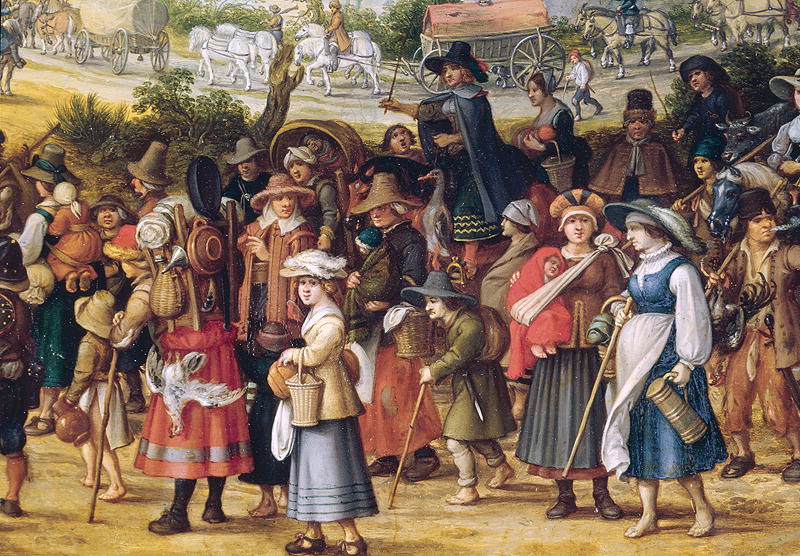
Sebastiaen Vrancx  (1573–1647)  War Scene

Avoid NPCs who exist only to recite information.

Avoid quest-givers with no motive, risk, cost, or consequence.

Avoid villains who wait passively in a room until the characters arrive.

Avoid shopkeepers who are only menus with names.

Avoid rulers who have no agents, enemies, taxes, messengers, duties, or fears.

Avoid making every NPC secretly powerful, secretly evil, or secretly important. The world feels stronger when some people are ordinary, some are compromised, some are useful, and only a few are truly dangerous.

Every important NPC should change the scene. They should open a door, close a door, raise the stakes, complicate a choice, reveal a truth, demand a price, or make the party’s actions matter.

Related Non-Player Characters Collections

Use these collections to find NPCs by region, mythic tradition, court, culture, or campaign role.

CollectionBest Used For
Heroes and VillainsMajor named figures, recurring enemies, legendary allies, dangerous patrons, and campaign-shaping NPCs.
African NPCsKings, queens, warriors, priests, spirit-servants, merchants, scholars, monster-slayers, and regional powers from African myth-history.
Amazon NPCsWarrior queens, champions, scouts, priestesses, exiles, rivals, and mythic women of war and sovereignty.
Arabian NPCsSultans, viziers, desert guides, scholars, merchants, poets, assassins, jinn-bound figures, and courtly powers.
Arthurian NPCsKnights, queens, enchanters, traitors, holy champions, rival kings, and figures tied to Britain’s mythic cycle.
Caribbean NPCsPirates, mariners, island rulers, spirit-agents, smugglers, traders, rebels, and sea-haunted figures.
Eastern European NPCsBoyars, witches, vampire-haunted nobles, border lords, soldiers, forest guides, and old mountain powers.
Eastern NPCsCourtiers, monks, generals, sages, assassins, wandering heroes, spirit-servants, and mythic figures from eastern traditions.
Finnish NPCsSages, singers, smiths, hunters, witches, heroes, rivals, and figures drawn from northern mythic tradition.
Hellenic NPCsHeroes, rulers, seers, demigods, philosophers, witches, monsters in human form, and figures from Greek mythic history.
Holy Roman Empire NPCsElectors, dukes, bishops, mercenary captains, burghers, guild officials, imperial agents, and border nobles.
Italian NPCsCity-state rulers, merchants, condottieri, cardinals, scholars, assassins, artists, bankers, and courtly rivals.
The British Isles NPCsHighwaymen, pirates, witchfinders, occultists, criminals, corrupt officials, literary villains, folk heroes, nobles, sheriffs, knights, outlaws, druids, witches, royal agents, island powers, and dangerous figures tied to the roads, courts, forests, coasts, cities, and old sacred places of Britain and Ireland.
French NPCsPrinces, courtiers, chevaliers, bishops, spies, soldiers, scholars, rebels, and powers of the French crown and provinces.
Midgard NPCsJarls, shieldmaidens, seers, skalds, dwarven envoys, giants’ kin, oath-bound warriors, and figures from the northern mythic world.
Western NPCsFrontier riders, lawmen, gamblers, gunsmiths, prospectors, outlaws, settlers, scouts, and mythic figures of western roads and settlements.
Oceania NPCsNavigators, chiefs, warriors, spirit-speakers, island rulers, sea-road guides, and figures tied to oceanic mythic traditions.

Scroll to Top