Eastern NPCs

A fantasy warrior following a misty forest road
Illustration: andsproject / Pixabay.

At a Glance

Meet the rulers, warriors, sailors and wanderers whose deeds shape the routes from the Volga and Mongol steppe to Ming China, Japan and the Indian subcontinent. Some fight for power in the present; others are remembered from different ages, heroic epics or tales still told around the fire.

20 character profiles

Directly linked rulers, champions, travellers and extraordinary companions.

The Volga frontier

In the Khanate of Kazan, Myev Stone-Eye and Azgar fight over the river strongholds.

Choose your encounter

Seek an audience, bargain for passage, face a champion or join a legendary pilgrimage.

Power in the Present

The Ming court and Kazan’s river fortresses draw emissaries, spies and adventurers into their rivalries.
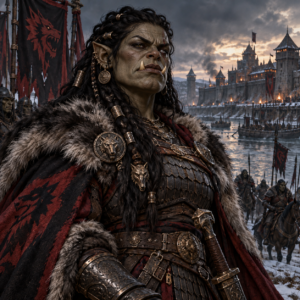
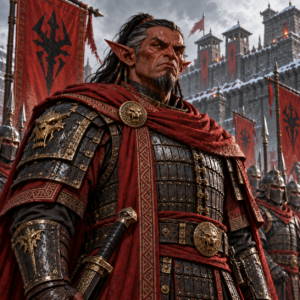
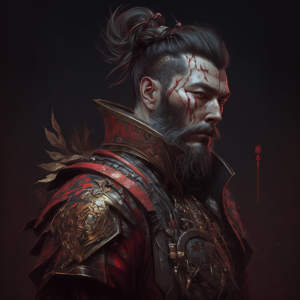
Myev Stone-Eye — character illustration

Orc khan of Kazan

Myev Stone-Eye

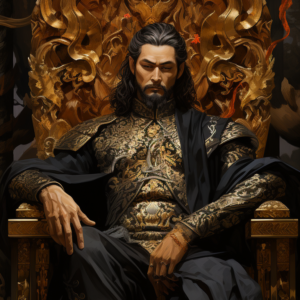
Holds the Volga khanate through clan loyalties, diplomacy and force.

Azgar — character illustration

Hobgoblin pretender

Azgar

Commands Kazan’s Red-Banner Quarter and challenges Myev’s rule.

Courts, Caravans and Sea Roads

From steppe champions and long-distance merchants to far-reaching fleets, these names open doors to new lands and dangerous alliances.
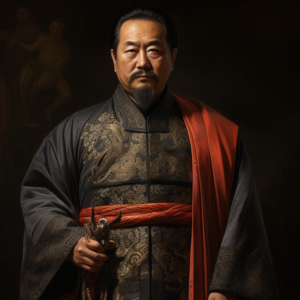
Zheng He — character illustration

Admiral

Zheng He

His legendary voyages link distant ports, envoys and foreign courts.

Historic depiction of Mongol cavalry, not a portrait of Khutulun

Mongol princess and wrestler

Khutulun

A steppe champion whose strength and independence command respect.

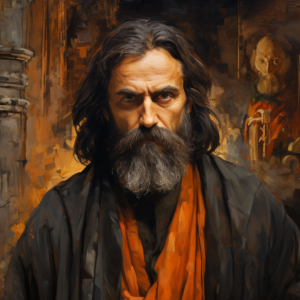
Marco Polo — character illustration

Merchant and traveller

Marco Polo

His journeys reveal roads, courts and markets beyond familiar borders.

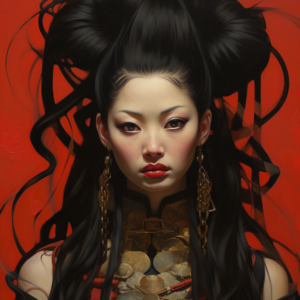
Ching Shih — character illustration

Pirate queen

Ching Shih

A formidable sea commander, feared for her fleets and iron discipline.

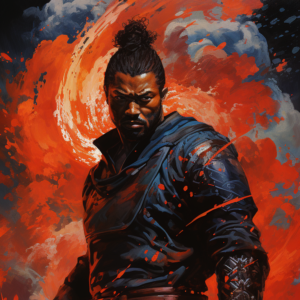
Yasuke — character illustration

Warrior and retainer

Yasuke

A foreign warrior whose reputation draws admiration and suspicion.

Swords, Banners and Hidden Blades

Warrior monks, cavalry champions, duellists and secret agents offer allies, rivals and challenges.
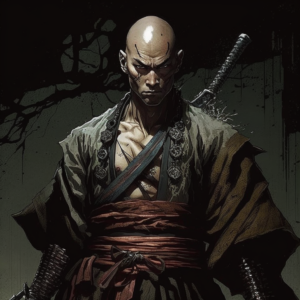
Benkei — character illustration

Warrior monk

Benkei

A towering combatant and loyal companion on Japan’s dangerous roads.

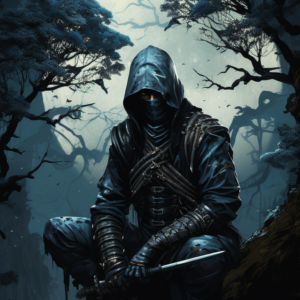
Fūma Kotarō — character illustration

Shadow leader

Fūma Kotarō

A master of covert warfare, ambushes and shifting secret loyalties.

Honda Tadakatsu — character illustration

Samurai commander

Honda Tadakatsu

A tenacious warrior whose presence can turn a battle.

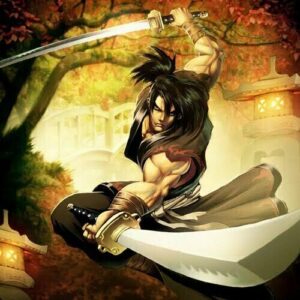
Miyamoto Musashi — character illustration

Master swordsman

Miyamoto Musashi

An uncompromising duellist, strategist and itinerant teacher.

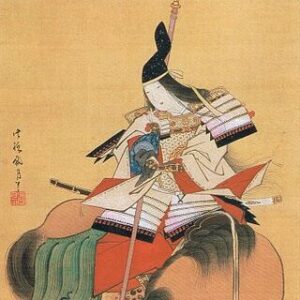
Tomoe Gozen — character illustration

Mounted warrior

Tomoe Gozen

A famed onna-musha who rides into battle with courage and skill.

Hattori Hanzō — character illustration

Shinobi and retainer

Hattori Hanzō

A trusted operative working between dangerous political rivals.

Epic Heroes and Pilgrims

Great epics and long journeys bring sacred oaths, supernatural protectors, magic and terrible trials into play.
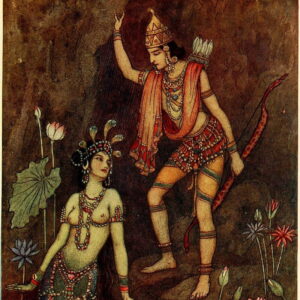
Arjuna from Indian Myth and Legend (1913)

Epic archer

Arjuna

A heroic bowman caught between sacred duty and the costs of war.

Dasharatha — character illustration

King of Ayodhya

Dasharatha

A king bound by his oath, with devastating consequences for his family.

Sha Wùjìng (Sandy) — character illustration

Pilgrim and guardian

Sha Wùjìng (Sandy)

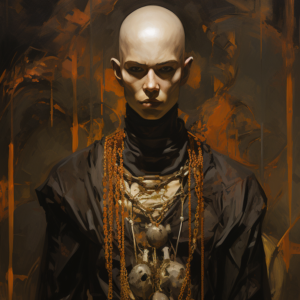
A steadfast companion with a fearsome supernatural past.

Zhu Bajie (Pigsy) — character illustration

Trickster and pilgrim

Zhu Bajie (Pigsy)

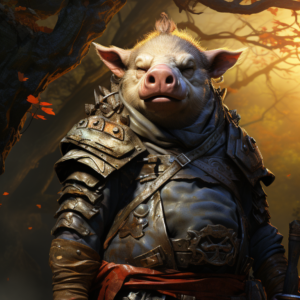
A powerful but easily tempted fellow traveller.

Sun Wukong — character illustration

Monkey King

Sun Wukong

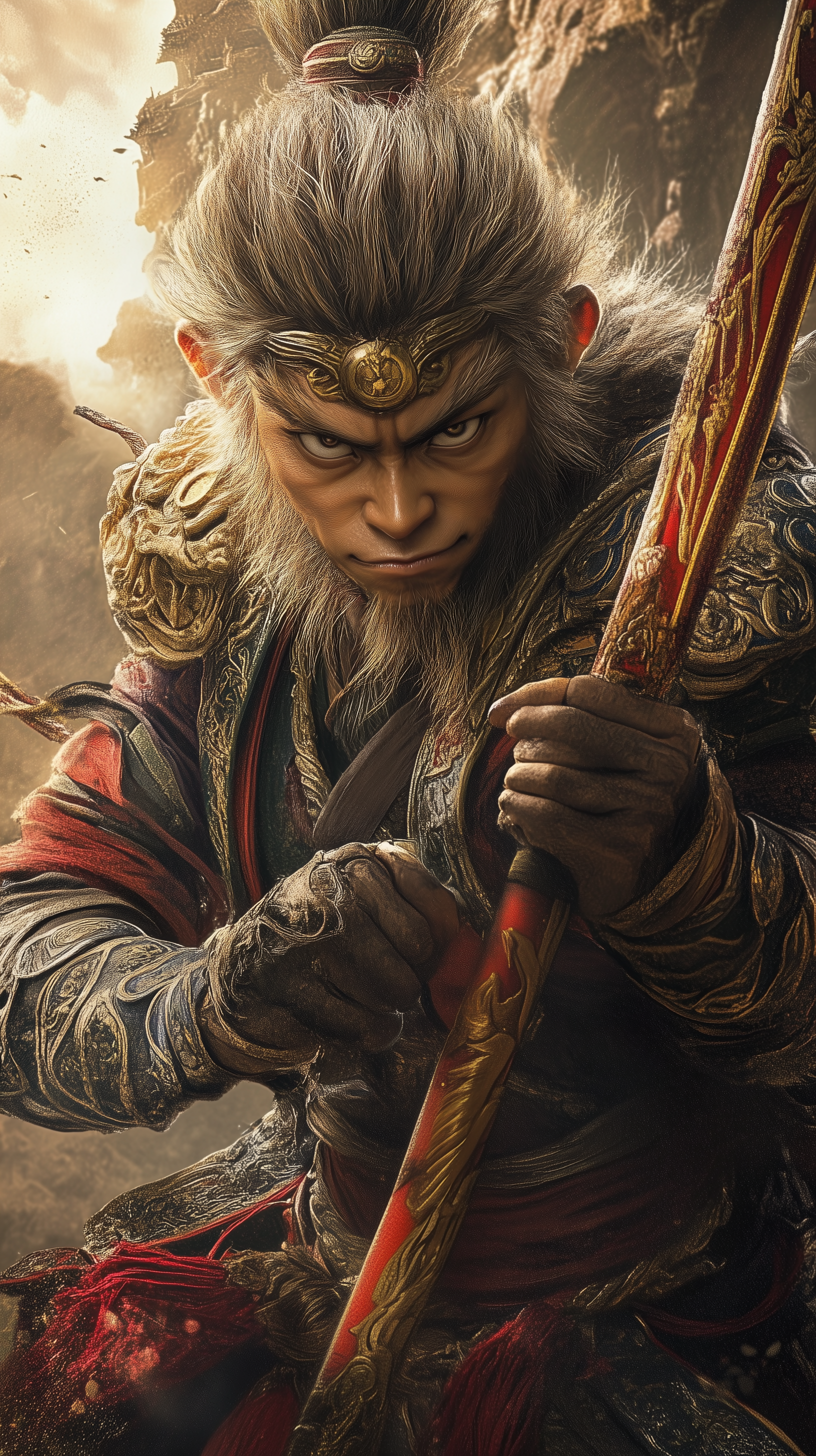
A master of transformations whose bold exploits become legend; see his bestiary profile.

Where Will the Road Lead?

Start at Kazan, where clans feud over Volga trade and command of the river crossings. Further roads lead to imperial halls, frontier camps, sword schools and haunted passes. Beyond these lands, the Heroes and Villains directory leads to every regional character collection.

Artwork notes: The Arjuna illustration comes from Indian Myth and Legend (1913), via Wikimedia Commons. The public-domain Mongol cavalry illustration beside Khutulun represents her steppe setting, not her likeness. The Musashi illustration is credited to GenzoMan in the original media filename.

Keep this reference growing

If this page helped with your reading or game, you can support its upkeep or explore the curated books.

Buy the creator a coffee

Explore the Bookshop — epics, classics and stories behind imagined worlds.

Scroll to Top