
Oceania NPCs
Meet the rulers, pilots, traders and fugitives who make a voyage through Oceania worth playing. Takalaua can bring rival chiefs to one table; Hinewai knows who moved the harbour markers; Pelu knows which river crossing will get a stranded crew home.
Aboriginal countries, Māori communities, island chiefdoms and ancient halfling homelands have their own people, histories and sea roads. Follow a character into the Oceania gazetteer, along the Pacific routes or around Aotearoa. Each profile gives that person motives, relationships and a situation the party can enter.
People of Oceania
From the chiefly courts and reef passages to the river portages and distant charter towns, these lives meet at sea. A guest may need a ruler’s consent, an envoy’s word or an outlaw’s whereabouts before the next tide.





Island courts and their neighbours
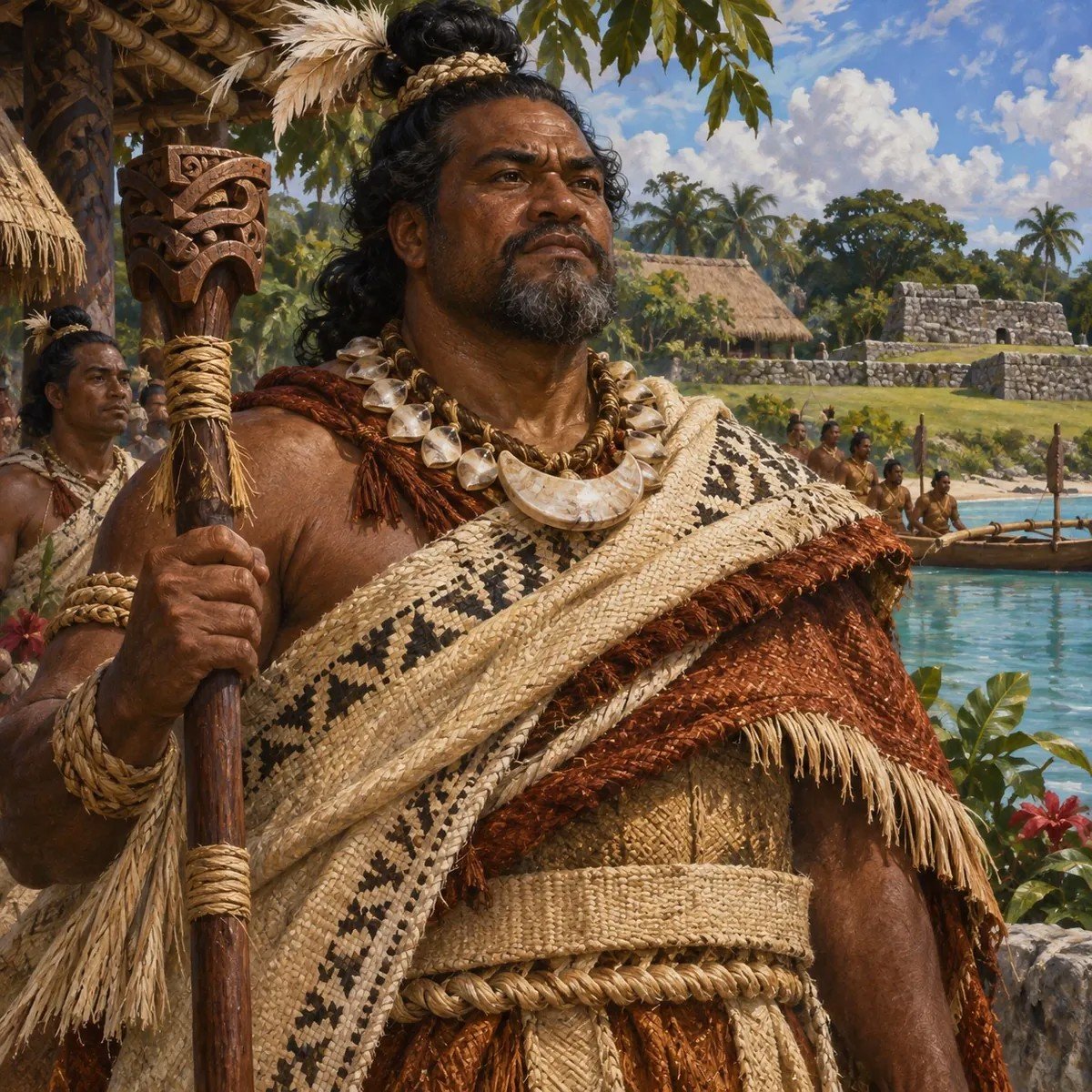
At Lapaha on Tongatapu, Takalaua, the Tuʻi Tonga, holds a court whose decisions carry sacred and political weight. Visiting chiefs arrive with gifts and grievances; a dispute over the order of precedence threatens to turn a voyage of reconciliation into a naval feud. His sons Kauʻulufonua and Moʻungamotuʻa each have supporters within the royal household.
On Oʻahu, Laʻakona needs food, crews and allies to strengthen his rule. A district chief sends empty canoes in place of the promised paddlers. Before he treats it as defiance, the party can discover whether a damaged watercourse has left the chief unable to spare his workers.
Guides, envoys and traders
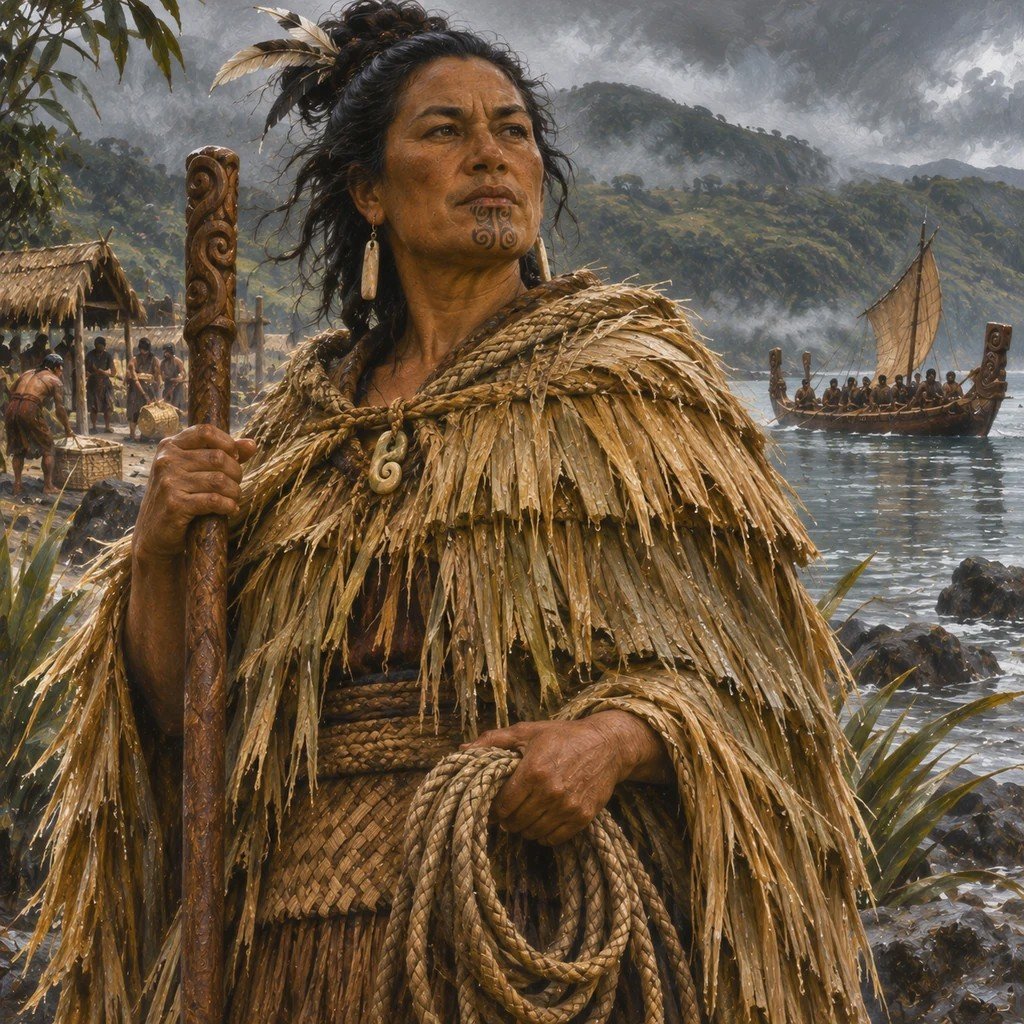
At Te Whanganui-a-Tara, Hinewai, a Ngāi Tara harbour warden, receives a boat whose crew insist they have permission to land. Her people hold the shores and approach routes; a navigator’s foreign chart cannot override their agreements. She demands the name of the pilot who shifted the harbour markers before a neighbouring community’s waka was driven onto the rocks.
In Fiji, Naisua, an envoy of the reef chiefs, must carry a pledge across a passage disputed by rival families. Sea powers and the shark deity Dakuwaqa have their own claims, but no chief is automatically their servant. Naisua offers safe passage to the party only after they agree not to seize the ceremonial gifts entrusted to her.
On New Guinea’s river routes, Pelu, a halfling trader, belongs to one of the island’s ancient local halfling communities, with family ties older than the charter voyages. He knows which portage is dry and which market will honour a promise made the previous season. He carries shell valuables, worked fibre and news, and refuses to lead strangers into a community’s gardens without its consent. The price of passage is not simply gold: the party may have to return cargo stolen from a family canoe. The wider halfling histories preserve many such independent homelands.
Fugitives and castaways
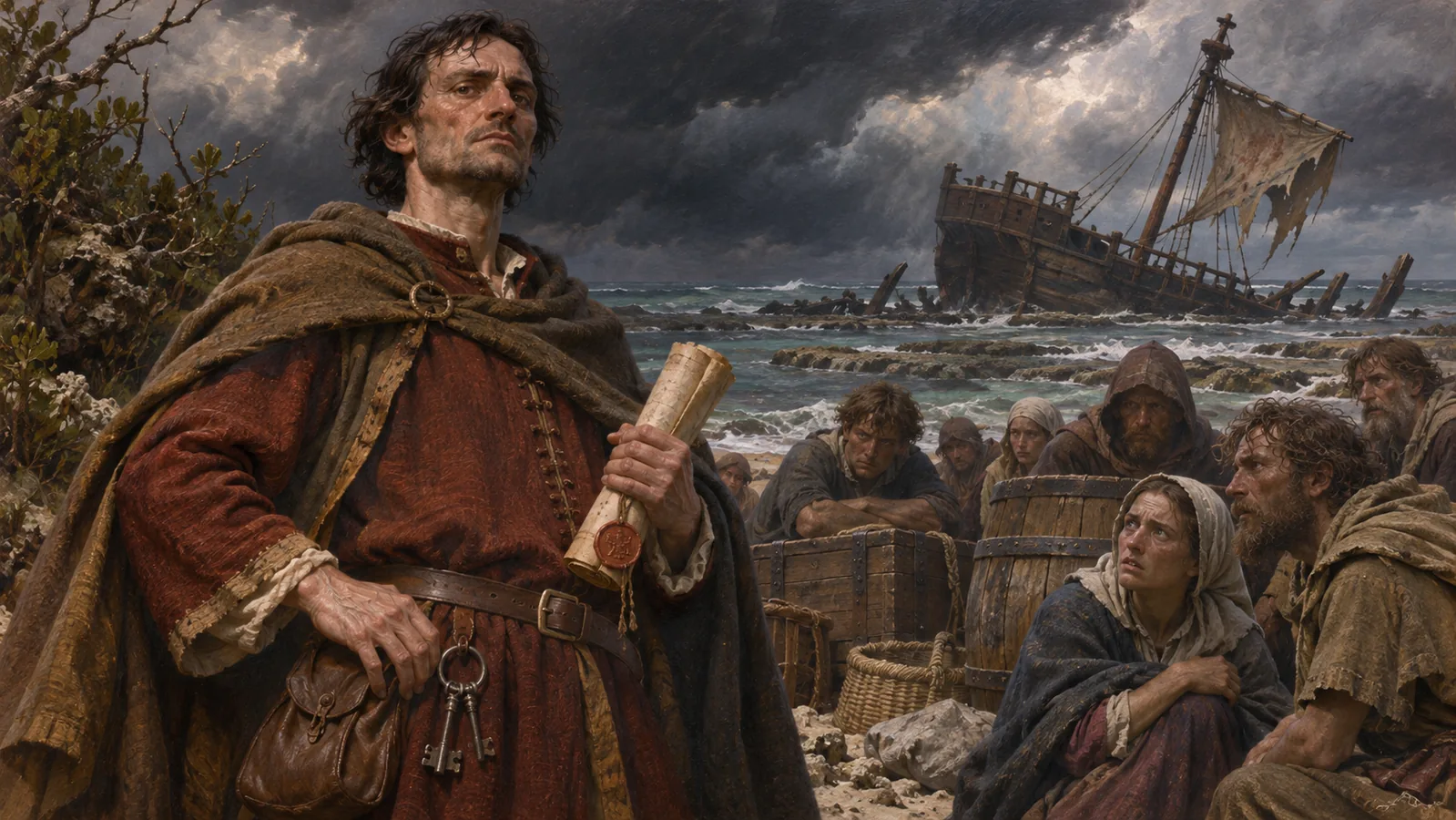
Alexander Pearce emerges from the forest with a hidden knife and a plea for food. He needs a boat, and the people pursuing him are close behind. Farther west, Jeronimus Cornelisz turns a shipwreck into a struggle for control among the castaways. Both offer immediate dangers for a party arriving by sea.
What Is Happening Right Now?
Tonga’s rival oaths. At the chiefly court, a delegation disputes the obligations of neighbouring island leaders. The Tuʻi Tonga’s decision may win obedience or send a fleet home with an insult that demands an answer. A foreign adventurer’s weapon is worth less here than a faithful witness.
Aotearoa’s night landing. A fishing family finds its waka hauled above the tide after a night raid. The Ponaturi demand a chest recovered from a wreck, but the family never had it. Those responsible must be found before darkness falls again.
Glenrowan’s wanted men. A charter sheriff’s armed party follows Ned Kelly through the frontier. Settlers disagree over the outlaw’s conduct, the sheriff’s writ and whose land either side has the right to cross.
Other shores and powers
The island world is not a single kingdom. Follow the Aotearoa coast and the Pacific sea roads to the Adaro of Makira, or follow Tangaroa and Tāwhirimātea into the rival claims of the gods. Established New Guinea halfling settlements, independent island chiefs and sea peoples have their own interests, and not all welcome foreign envoys.
Keep this reference growing
If this page helped with your reading or game, you can support its upkeep or explore the curated books.
Explore the Bookshop — epics, classics and stories behind imagined worlds.