
Near East Bestiary | Mythic Creatures & RPG Monsters
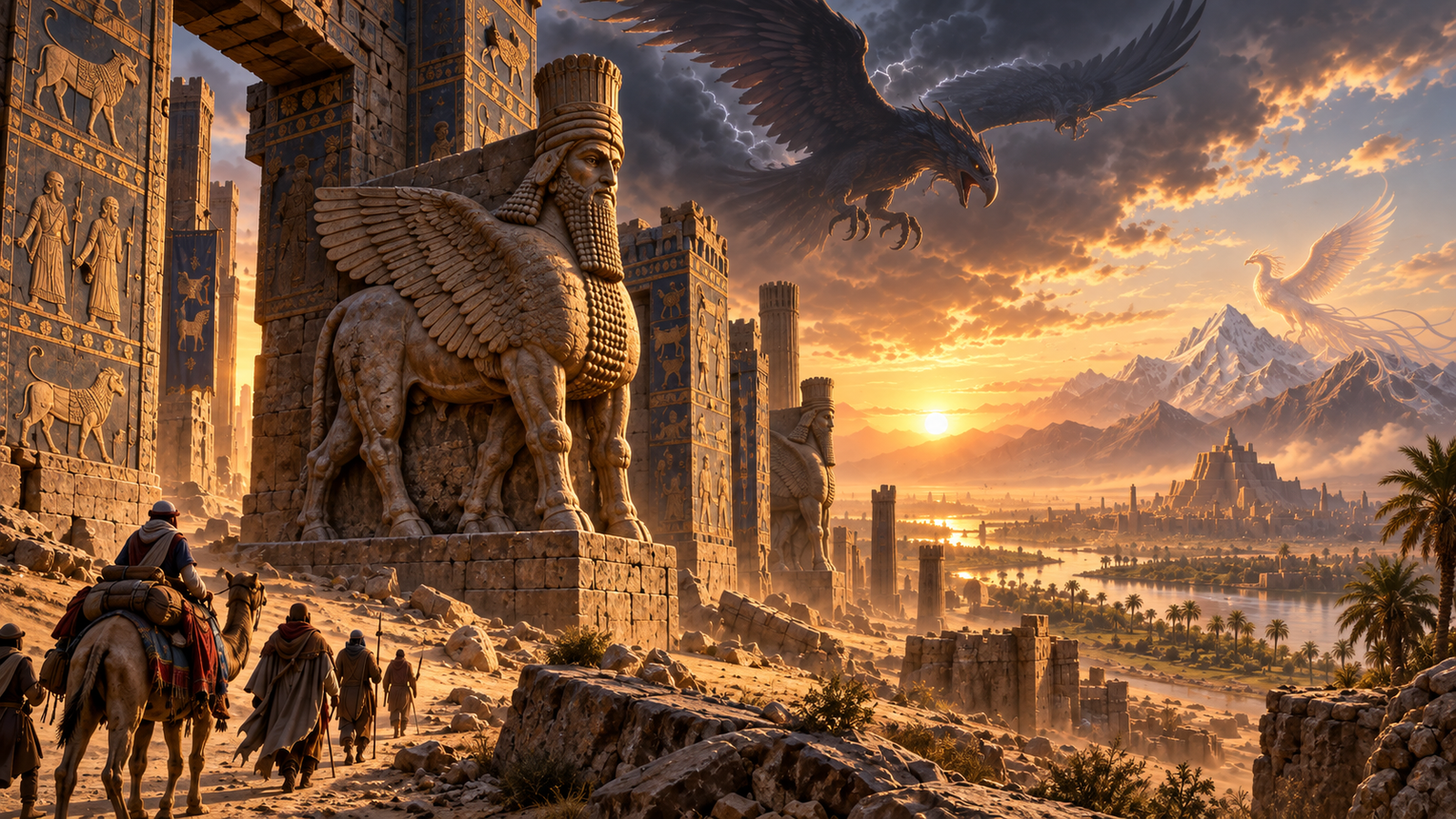
The Near East Bestiary is a playable field guide to the creatures of Mesopotamia, Iran, Arabia, Anatolia and the borderlands around them. In SpiralWorlds, myth is real. A carved guardian can step down from a ruined gateway. A storm above the mountains may hide an Anzu. An old desert warning about a ghul may be literal. A Simurgh seen above a distant ridge can change the fate of a dynasty.
This page separates historical and mythic traditions from campaign intrusions. A creature can be present in the Near East without being native to Near Eastern mythology, and that distinction matters. Use the regional sections for culturally grounded encounters; use the campaign section when you want dragons, devils, elementals or other wider SpiralWorlds threats crossing into the region.
At a Glance
| Campaign present | 1454 |
|---|---|
| Core traditions | Mesopotamian, Assyrian, Babylonian, Iranian/Persian, Arabian and Anatolian-border folklore |
| Best for | Ruins, caravan roads, deserts, marshes, temple precincts, mountain passes, royal cities and planar crossings |
| Rules | Linked creature pages provide 5.5e, Pathfinder 1e and/or D&D 3.5e statistics where available |
| Campaign rule | Regional origin and campaign presence are not the same thing; entries below are labelled accordingly |
What Characters Encounter in 1454
The safest roads are still dangerous. Caravan masters pay for guides who know which ruined tells are merely abandoned and which are watched. Shepherds leave certain hilltops before dusk. River people recognise lights that do not belong to boats. Palace officials sometimes inherit protective beings along with old gates, archives and foundations.
Most encounters are not random monster attacks. A lamassu may demand proof that travellers have lawful business. An Anzu may descend because someone has stolen a sacred object. A Simurgh may appear only once in a generation and still shape a campaign. A Pazuzu cult, amulet or manifestation may be protective in one context and catastrophic in another.
Mesopotamia — Sumer, Akkad, Babylon and Assyria
This is the strongest historical core of the bestiary. City gates, temple precincts, royal ruins, marshlands and ancient roads preserve supernatural beings whose names survived in texts, reliefs, amulets and epic tradition.
| Creature | Tradition | Use in Play |
|---|---|---|
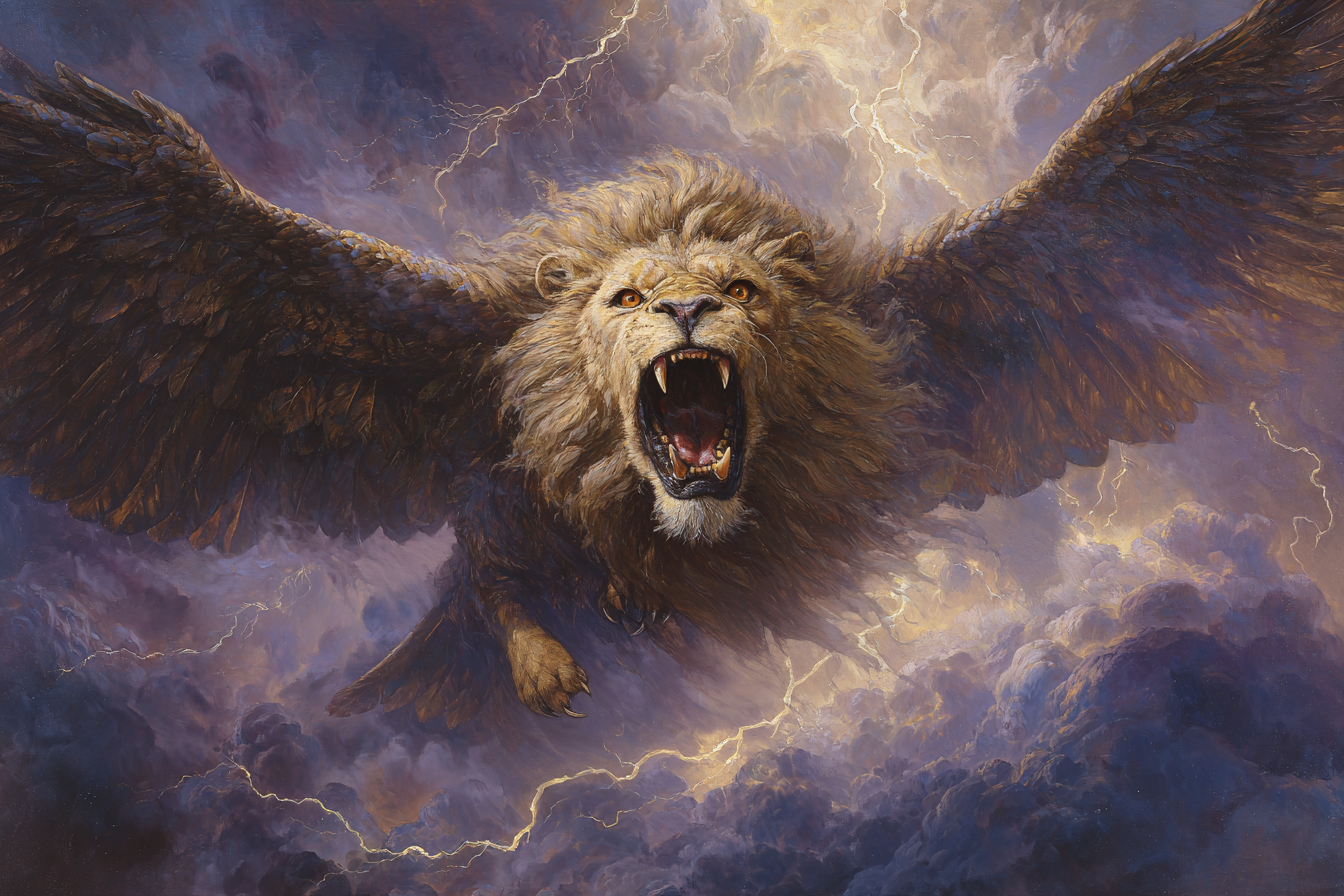
| Anzu | Mesopotamian | Storm predator, divine challenger, guardian of stolen power |
| Anunnaki | Mesopotamian divine beings | Ancient powers, patrons, judges or dangerous remnants |
| Alû | Mesopotamian demon tradition | Night-haunting supernatural threat |
| Asakku | Mesopotamian | Disease, ruin and hostile supernatural force |
| Utukku | Mesopotamian | Spirit or demon encounter, curse and haunting |
| Edimmu | Mesopotamian | Restless dead, forgotten burial, vengeance and thirst |
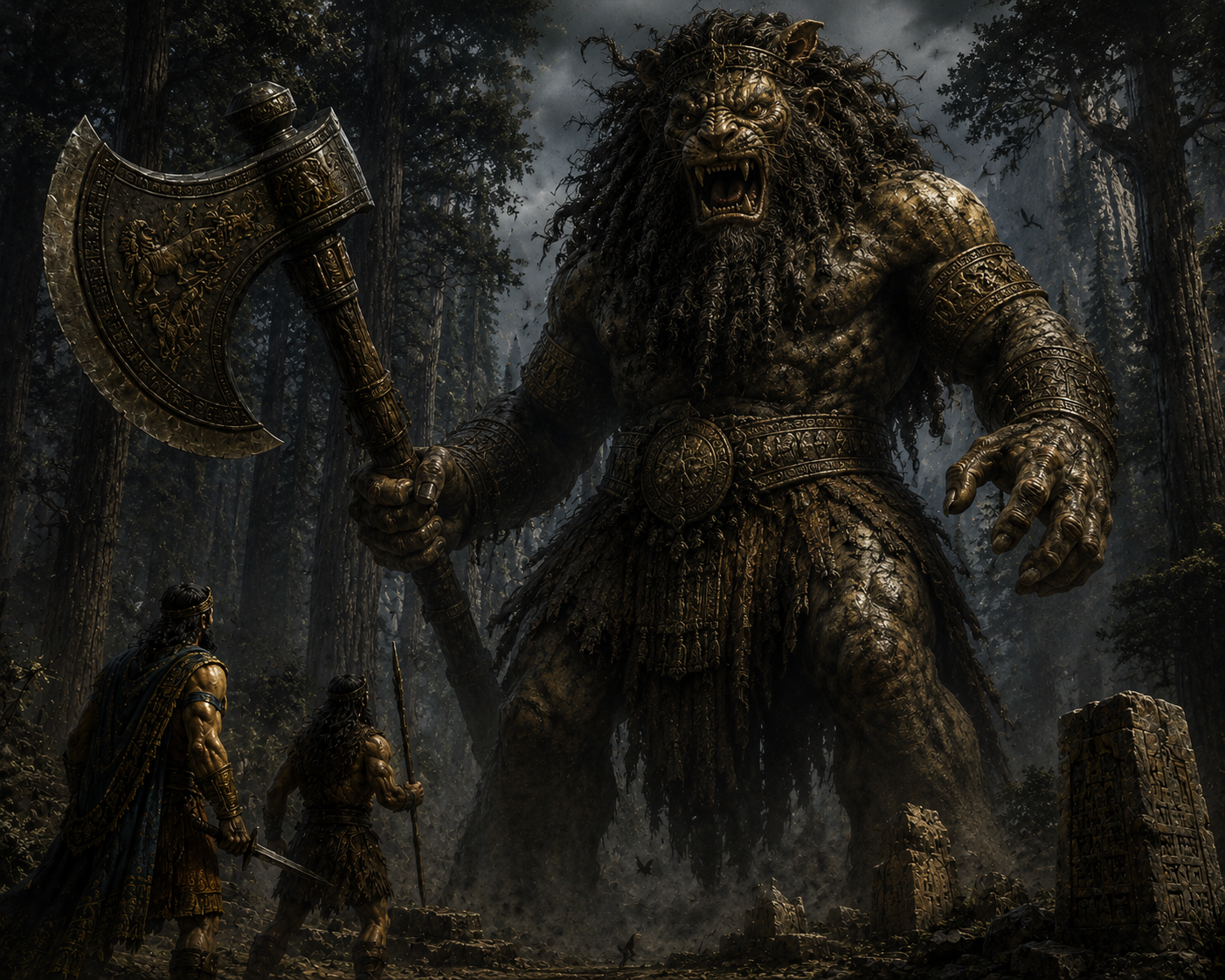
| Humbaba | Epic tradition | Sacred guardian, wilderness terror, morally difficult encounter |
| Lamassu | Assyrian/Babylonian guardian tradition | Gate guardian, protector of city and authority |
| Pazuzu | Assyrian/Mesopotamian | Wind demon, warding power, cult object, dangerous ally |
| Sirrush / Mušḫuššu | Babylonian | Sacred dragon-guardian of thresholds, law and royal power |
GM note: do not flatten these creatures into a single “demon” category. Pazuzu, a lamassu, an edimmu and a mušḫuššu should feel radically different at the table. One may ward a household, another guard a gate, another haunt the unburied dead, and another enforce sacred authority.
Iran and the Persian Mythic World
Iranian traditions bring a different supernatural vocabulary: monstrous azis, dīvs, vast mythic animals and the great Simurgh. These are ideal for mountain roads, royal legends, remote fortresses, desert margins and journeys where heroes cross from history into epic.
| Creature | Tradition | Use in Play |
|---|---|---|
| Aeshma | Iranian | Rage, violence, possession and destructive passion |
| Aži Dahāka / Azi Dahaka | Iranian | Serpentine tyranny, corruption and legendary evil |
| Azi Gandareva | Iranian-inspired | Dragon or monstrous adversary |
| Azi Sruvara | Iranian-inspired | Serpentine regional threat |
| Azi Zahhak | Persian epic tradition | Tyrannical serpent-lore and dynastic horror |
| Dīvs | Persian | Ogres, demons, sorcerous monsters and epic antagonists |
| Hadhayosh | Iranian myth | Cosmic-scale beast, omen and mythic encounter |
| Manticore | Persian tradition filtered through classical authors | Predator, frontier terror and legendary beast |
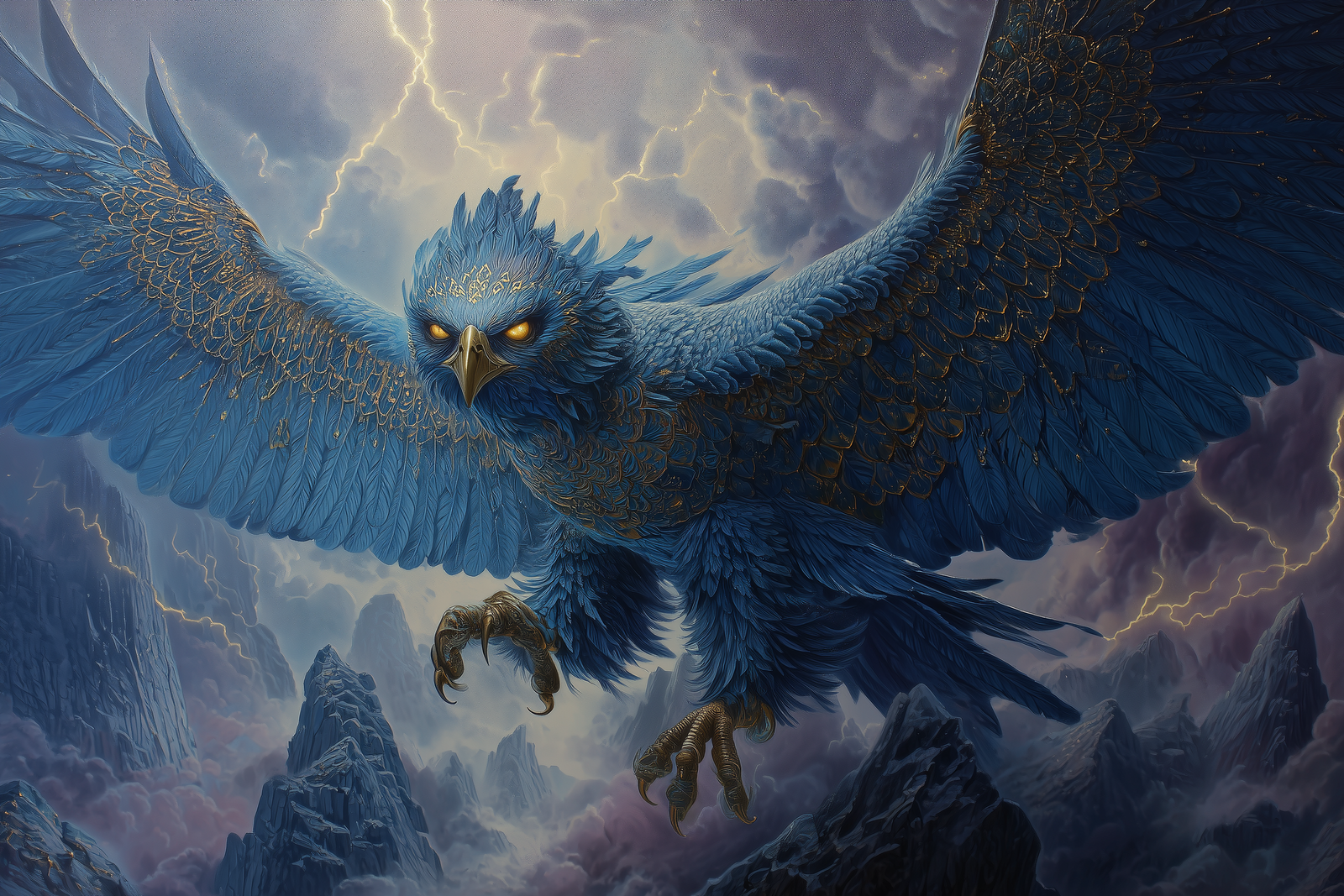
| Simurgh | Iranian/Persian | Guardian, healer, guide and epic patron |
The linked Dīvs include Aghash, Akvan, Doru, Ghawwas, Pairaka, Sepid, Shira and Vaporighu. Treat these as a family of Persian and SpiralWorlds adaptations rather than interchangeable “generic demons.”
Arabia and the Desert Traditions
Desert folklore works best when distance, heat, wells, ruined settlements and night travel matter. Not every creature here attacks immediately. Some bargain, deceive, guide, demand courtesy or punish trespass.
| Creature | Use in Play |
|---|---|
| Al-mi’raj | Strange desert beast, omen or deceptively dangerous encounter |
| Genies | Courts, bargains, elemental powers and territorial spirits |
| Djinni | Air, freedom, travel and sky-bound power |
| Efreeti | Fire, ambition, dangerous bargains and fortress courts |
| Janni | Wanderers between mortal and elemental worlds |
| Marid | Water, pride, wealth and overwhelming elemental force |
| Ghul | Graveyard, desert and ruin predator |
| Nasnas | Uncanny humanoid horror and wilderness encounter |
| Rukh / Roc | Colossal bird, caravan threat and legendary transport |
Game taxonomy note: the SpiralWorlds genie family also contains Dao, Dev, Hawanar and Shaitan. Those pages are useful game material, but the modern RPG subdivisions should not all be read as one-to-one historical folklore categories.
Anatolia, Armenia and the Borderlands
The Near East does not stop at a clean cultural line. Mountain routes and frontier zones carry stories in both directions. The Al, for example, belongs more naturally in Armenian and neighbouring traditions than in a generic “Arabian monster” list. Border encounters are ideal places to show cultures overlapping without pretending they are identical.
Animals, Ancient Survivors and Regional Hazards
Ordinary animals matter because the Near East is not a monster theme park. Camels, snakes, crocodiles, jackals, scorpions and elephants can be more important to an expedition than a supernatural creature. Their presence should follow geography and ecology rather than alphabetic convenience.
Camel · Crocodile · Jackal · Giant Scorpion · Constrictor Snake · Viper · Elephant
Campaign Intrusions
These creatures can absolutely appear in the Near East, but they are not presented as native Near Eastern mythology. Their presence should have a campaign explanation: planar leakage, migration, sorcery, ancient experimentation, conquest, a summoned guardian, a lost cult or a specific local history.
| Category | Examples | Use |
|---|---|---|
| Celestials | Celestial/angelic beings , Cherub | Unnamed celestial guardians and planar visitors; named Abrahamic identities are not used in SpiralWorlds campaign canon |
| Infernal powers | Devils, Pit Fiend, Moloch | Planar intrusion, cult activity, bargains and infernal politics |
| Elementals | Fire Elemental , Primal Fire Elemental | Volcanic, desert, magical and summoned threats |
| Constructs | Flesh Golem , Stone Golem | Workshop, tomb, palace and forbidden-ritual encounters |
| Dragons and imported monsters | Blue Dragon , Catoblepas , Cetus | Use only where the campaign gives them a local reason to be present |
| Undead and transformed beings | Vampire, Vampire Spawn | Foreign courts, cursed ruins and specific local histories |
Near East Bestiary A–Z
A — Al, Al-mi’raj, Alû, Anunnaki, Anzu, Azi Dahaka, Azer.
C — Camel, Cerastes, Crocodile.
D — Aeshma, Asakku, Utukku, Pazuzu, Dīvs.
E–G — Edimmu, Genies, Dao, Djinni, Efreeti, Janni, Marid, Ghul.
H–L — Hadhayosh, Humbaba, Lamassu.
R–S — Roc, Rukh, Simurgh, Sirrush / Mušḫuššu .
Encounter Seeds
- The Gate That Still Judges: a lamassu guarding a ruined administrative gate refuses passage because an obsolete law is still magically binding.
- The Stolen Tablet: thunder follows an expedition after a relic is removed from a buried archive; an Anzu believes the theft has repeated an ancient crime.
- The Wind-Amulet: a Pazuzu amulet is protecting a household from something worse, and destroying it may remove the only ward keeping that threat out.
- The Feather in the Fire: a single Simurgh feather can summon help once, but several factions are prepared to kill for it.
- The Wrong Demon: villagers blame a ghul for disappearances near a cemetery, but the tracks lead toward an abandoned irrigation tunnel and an edimmu that cannot leave the water table.
- The Living Processional Way: a mušḫuššu begins patrolling a ruined road each night, enforcing laws from a kingdom dead for centuries.
Historical and Mythic Context
These creatures come from different periods and traditions and should not be treated as one homogeneous mythology. Assyrian lamassu were monumental gateway guardians; surviving Pazuzu heads and amulets show a being whose role could be protective as well as dangerous. Persian dīvs cover a wide family of demons, ogres and monstrous beings, while the Simurgh develops across Iranian myth, epic and later literature.
- The Metropolitan Museum of Art — Human-headed winged bull (lamassu)
- The Metropolitan Museum of Art — Pendant with the head of Pazuzu
- Encyclopaedia Iranica — Dīv
- Encyclopaedia Iranica — Simorḡ
Related Bestiaries
World Bestiary · African Bestiary · Slavic Monsters · Finnish Bestiary · Celtic Creatures · Lost World Bestiary