
Celtic Pantheon
This Celtic Pantheon hub gathers divine and supernatural powers from several related but distinct traditions: the gods and rivals of Irish myth, the enchanted rulers and magicians of Welsh tradition, and the older powers remembered through Continental Celtic names, images, inscriptions and cults.
The Gods Behind the Stories
Within the campaign, these beings are real. Their cults have risen, fragmented, merged, disappeared and returned across centuries, while the powers themselves continue to influence sacred places, rulers, bloodlines, faerie courts, warriors, smiths, healers, poets and the wild.
There was never one universal Celtic church or single historical list of gods. Irish, Welsh, Brittonic and Continental traditions preserve different stories and different kinds of evidence. This directory brings those powers together for use in the campaign without making their cultures interchangeable.
Irish & Goidelic Powers
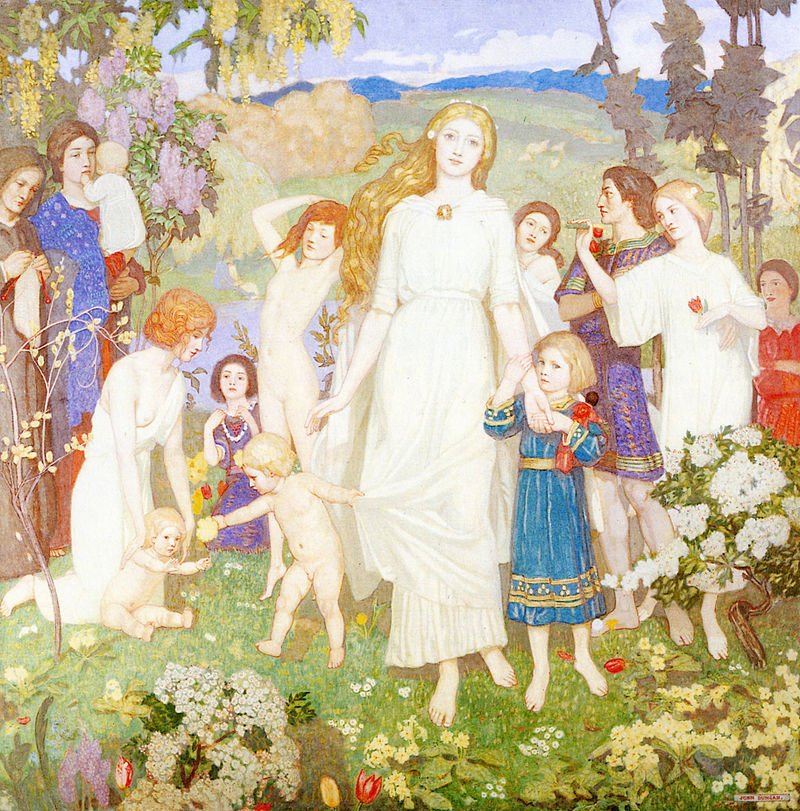
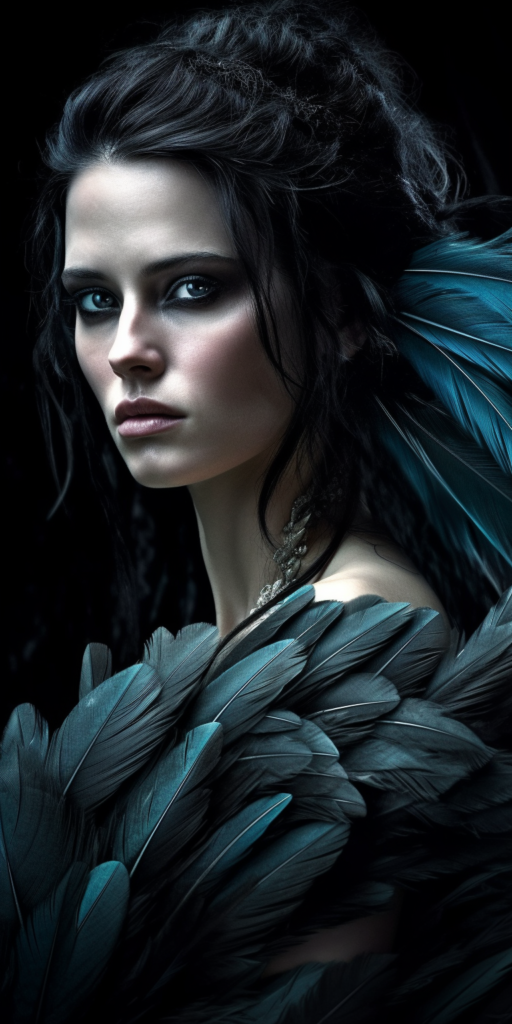
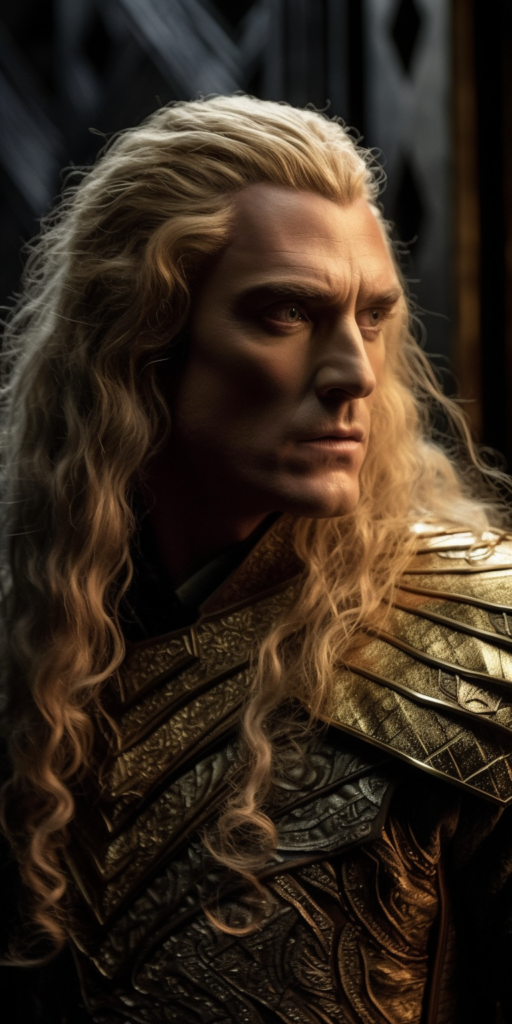
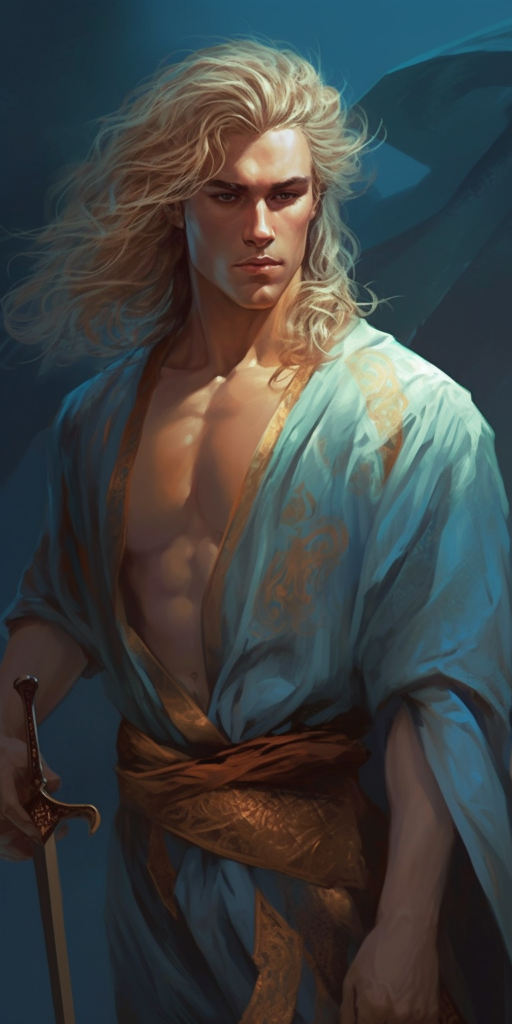
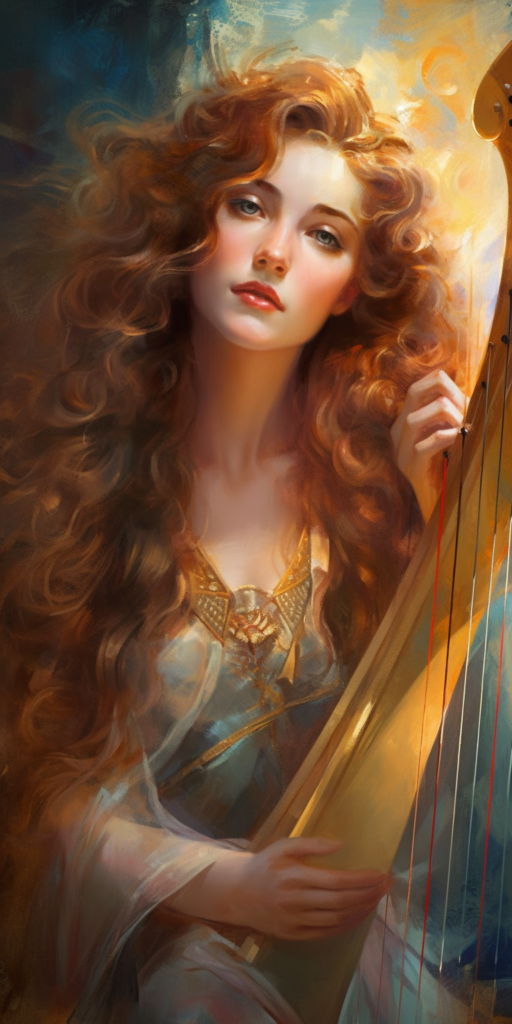
The great Irish mythic cycles preserve the Tuatha Dé Danann, their Fomorian rivals, rulers of the Otherworld, divine craftsmen, river powers, war goddesses and figures associated with sovereignty, healing, poetry, sea, land and kingship.

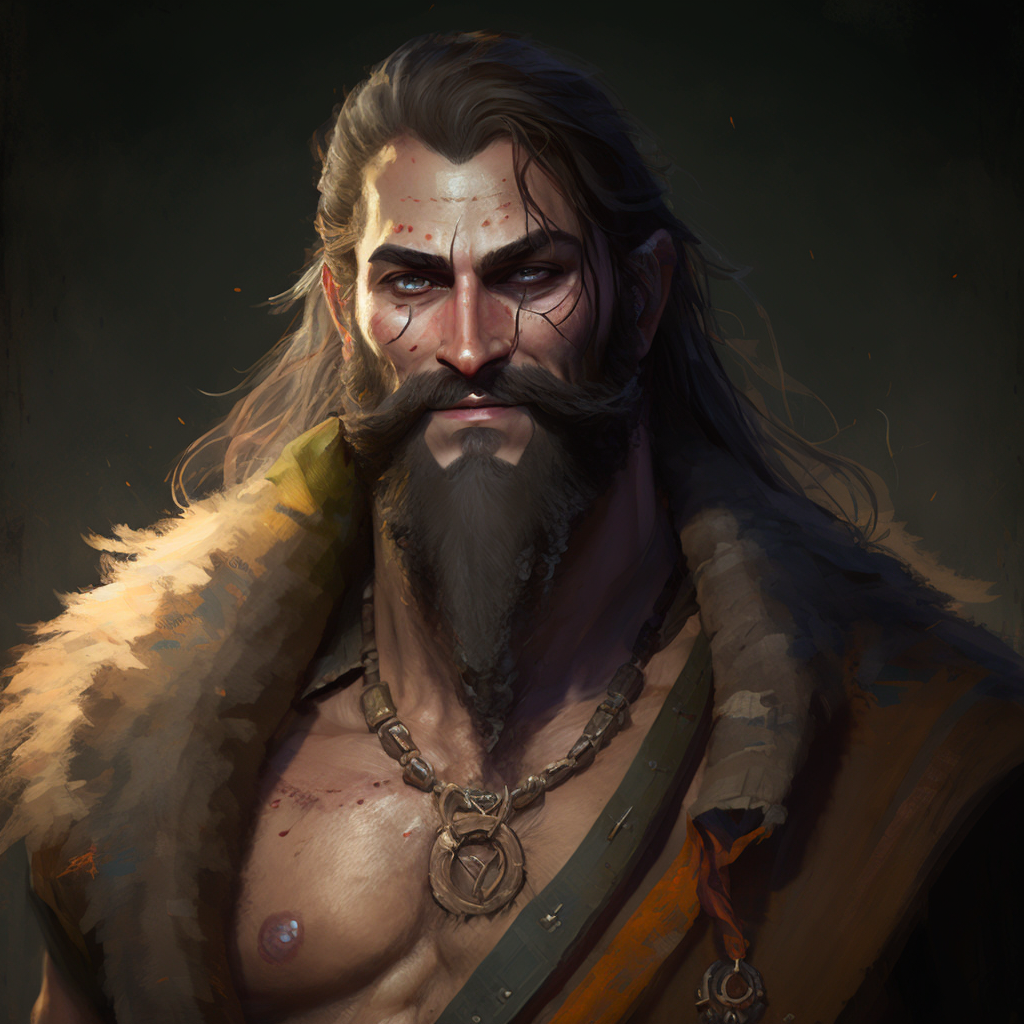
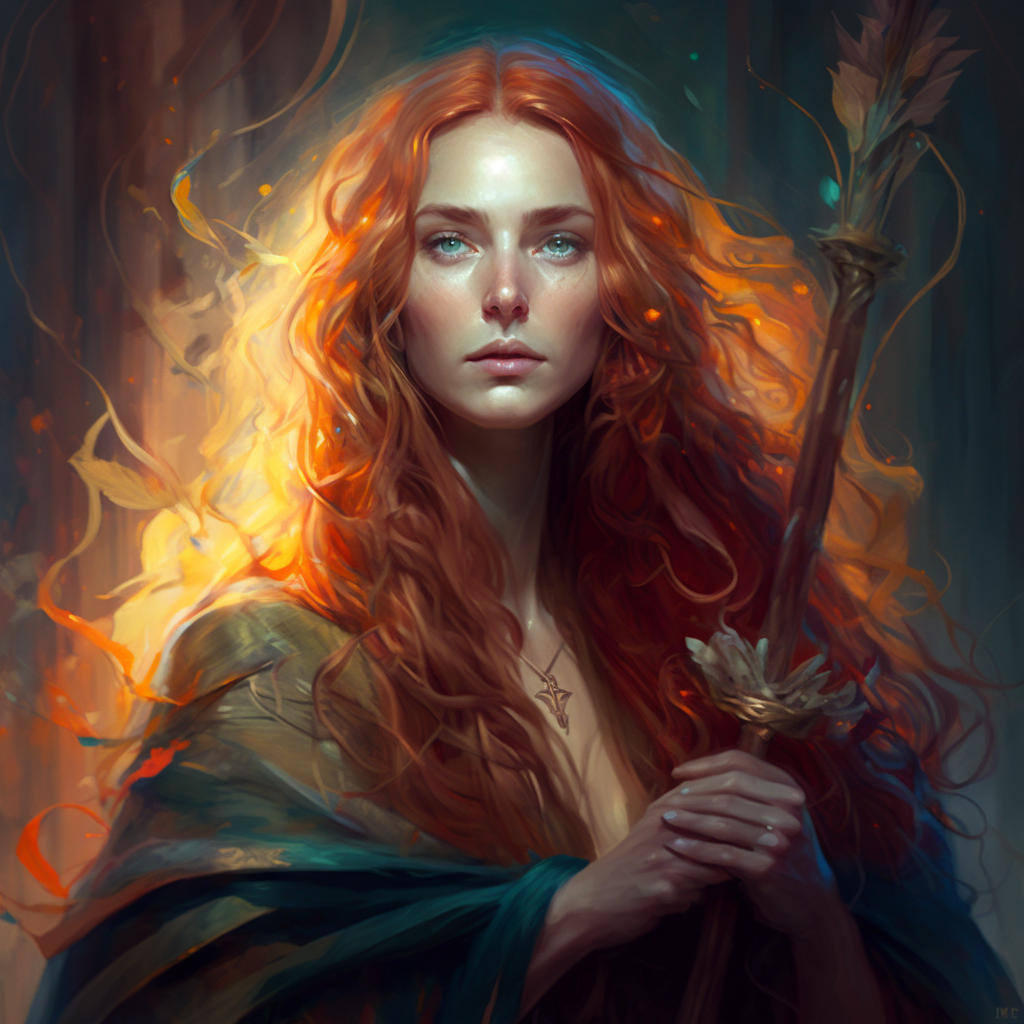
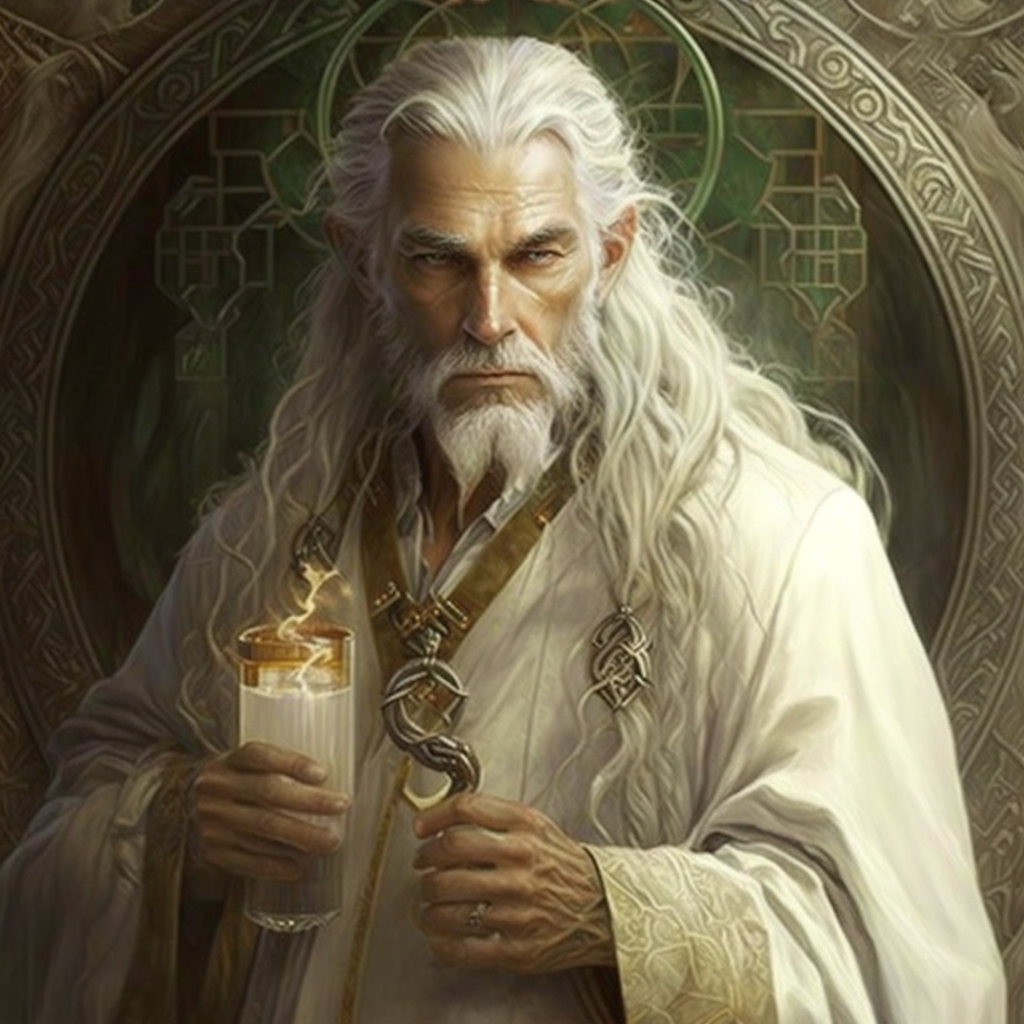
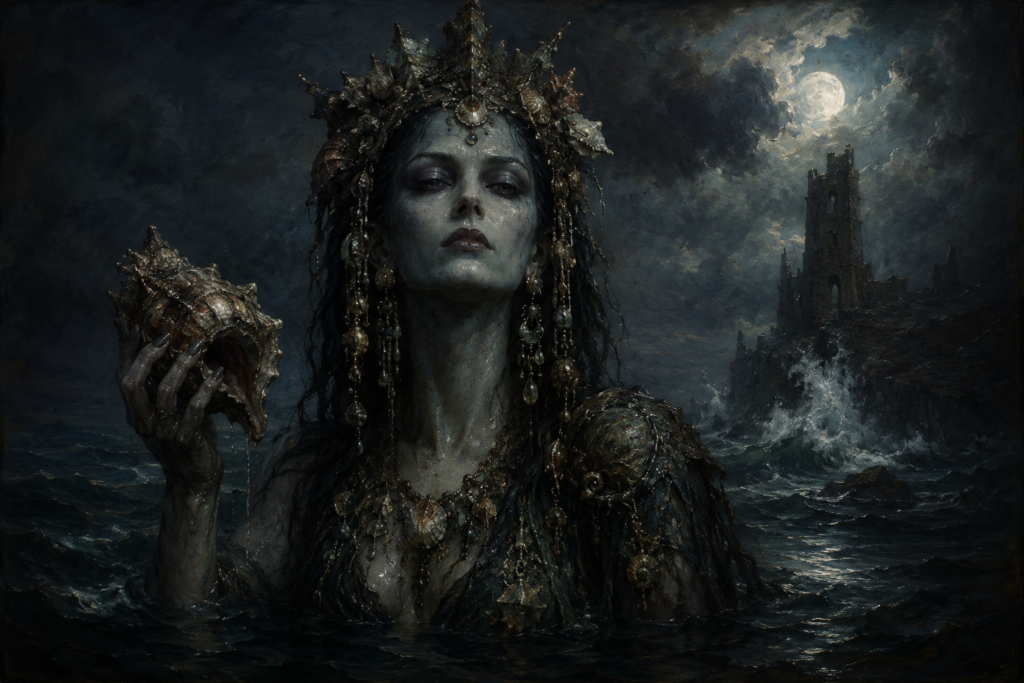
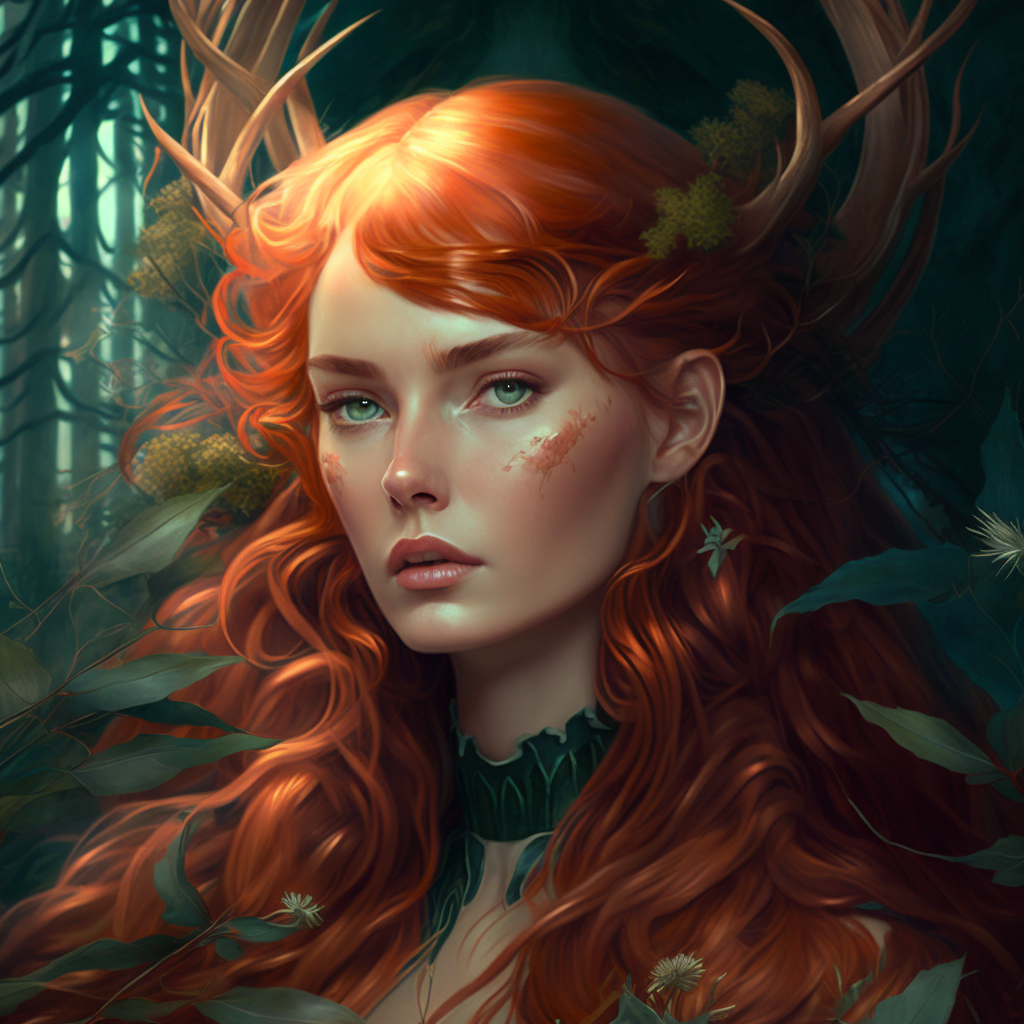
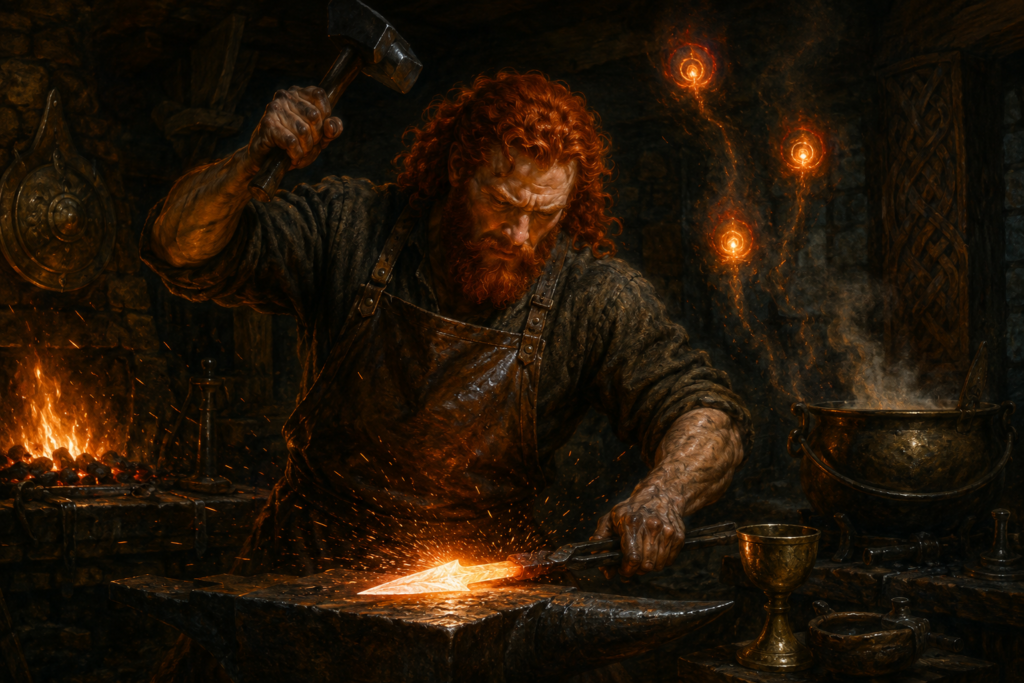

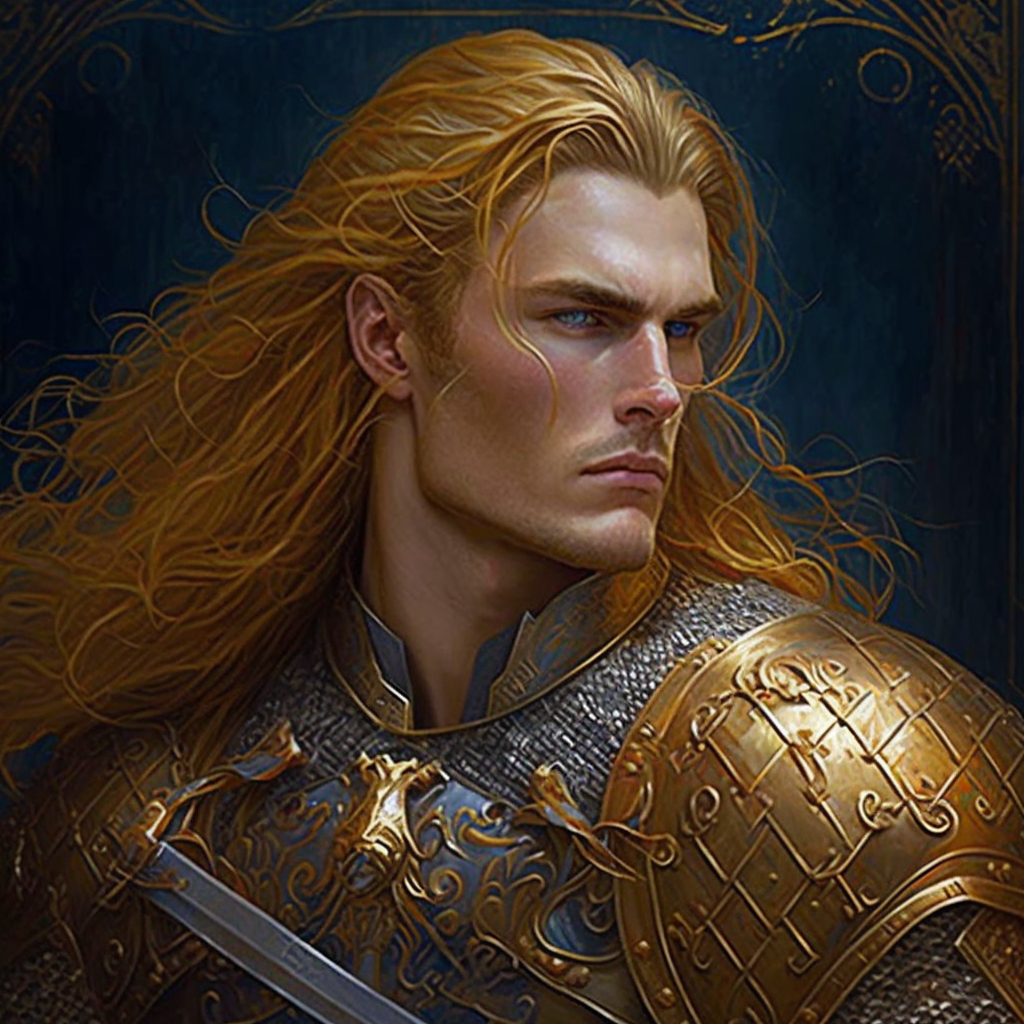
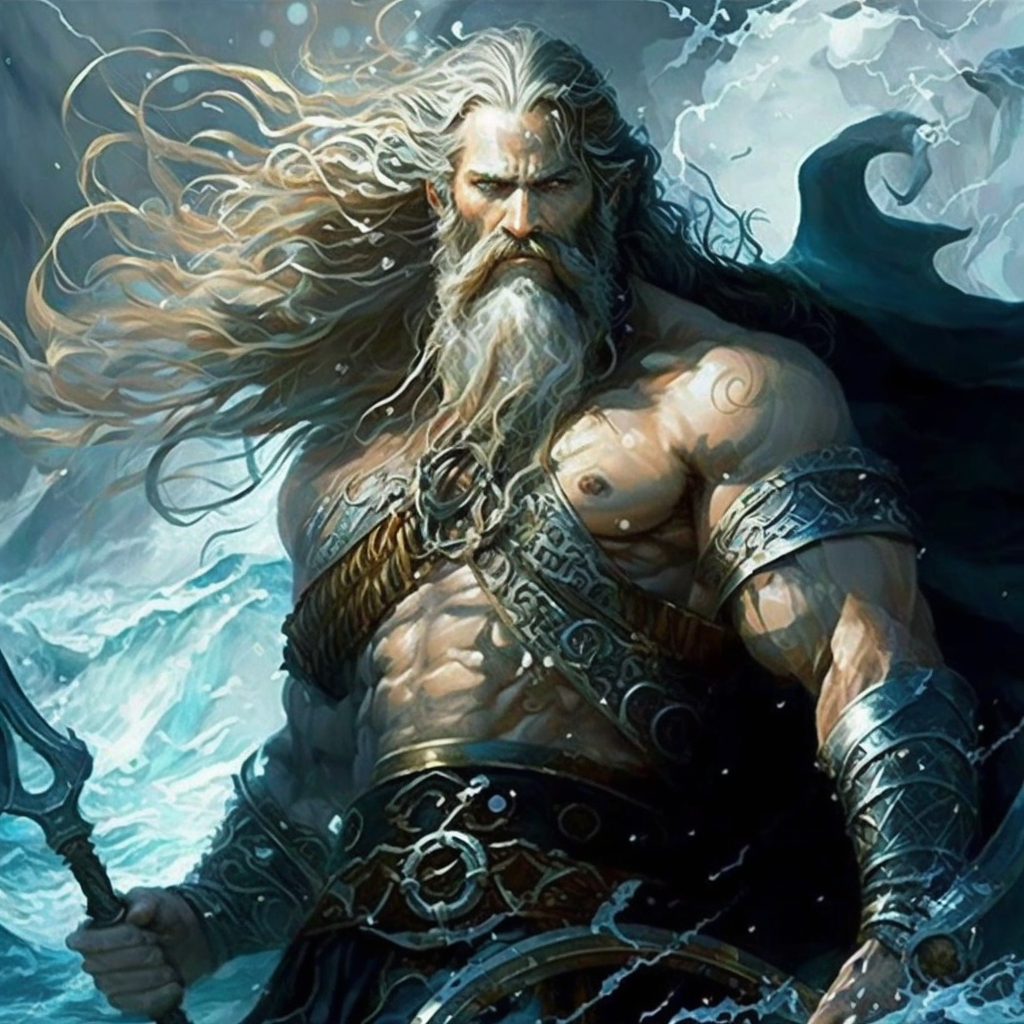


Welsh & Brittonic Powers
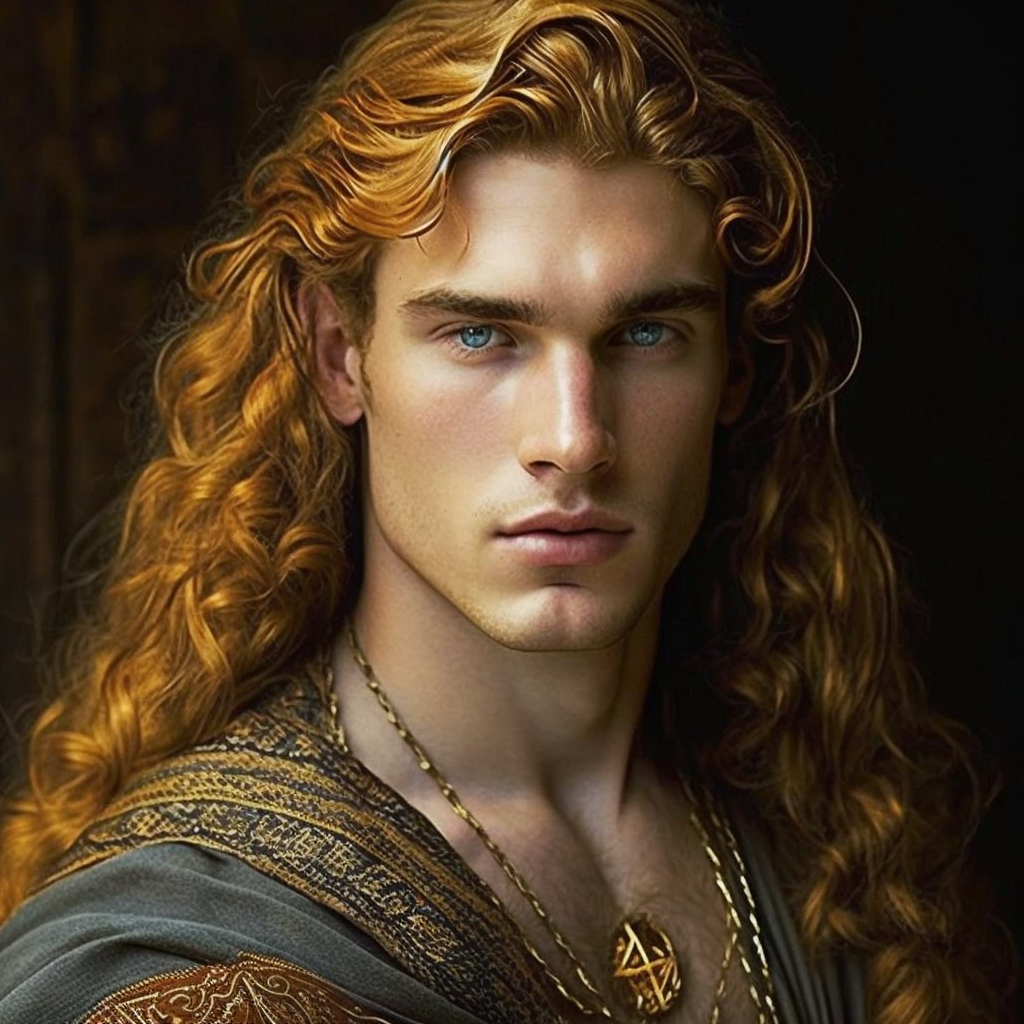
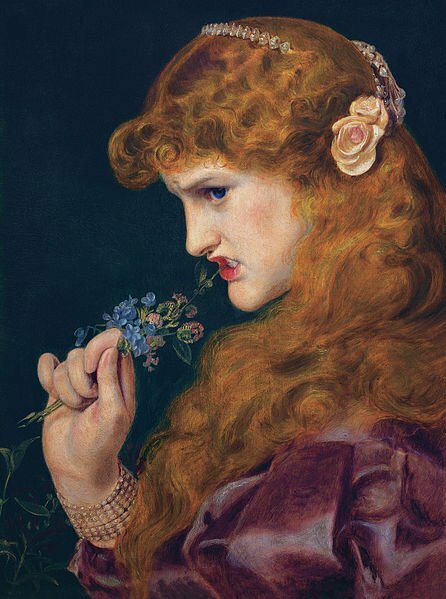
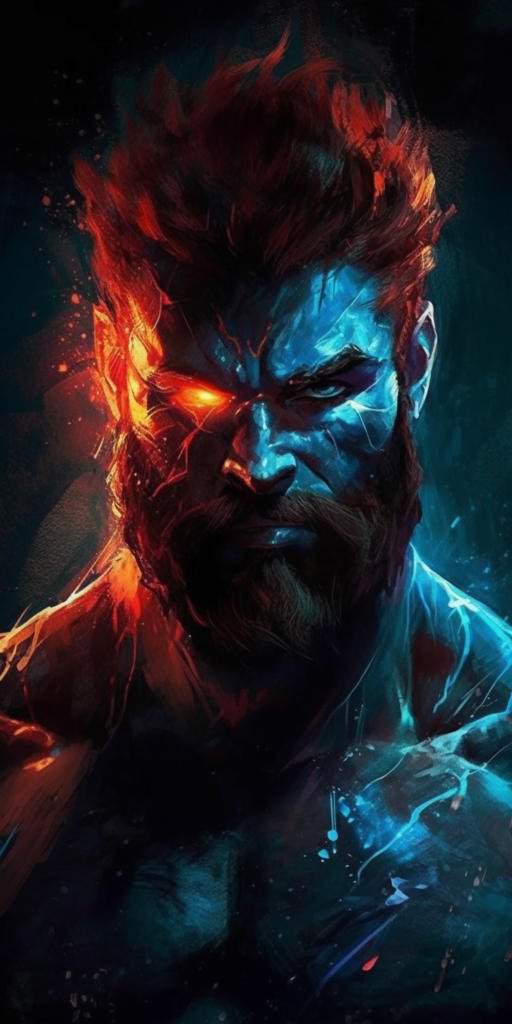
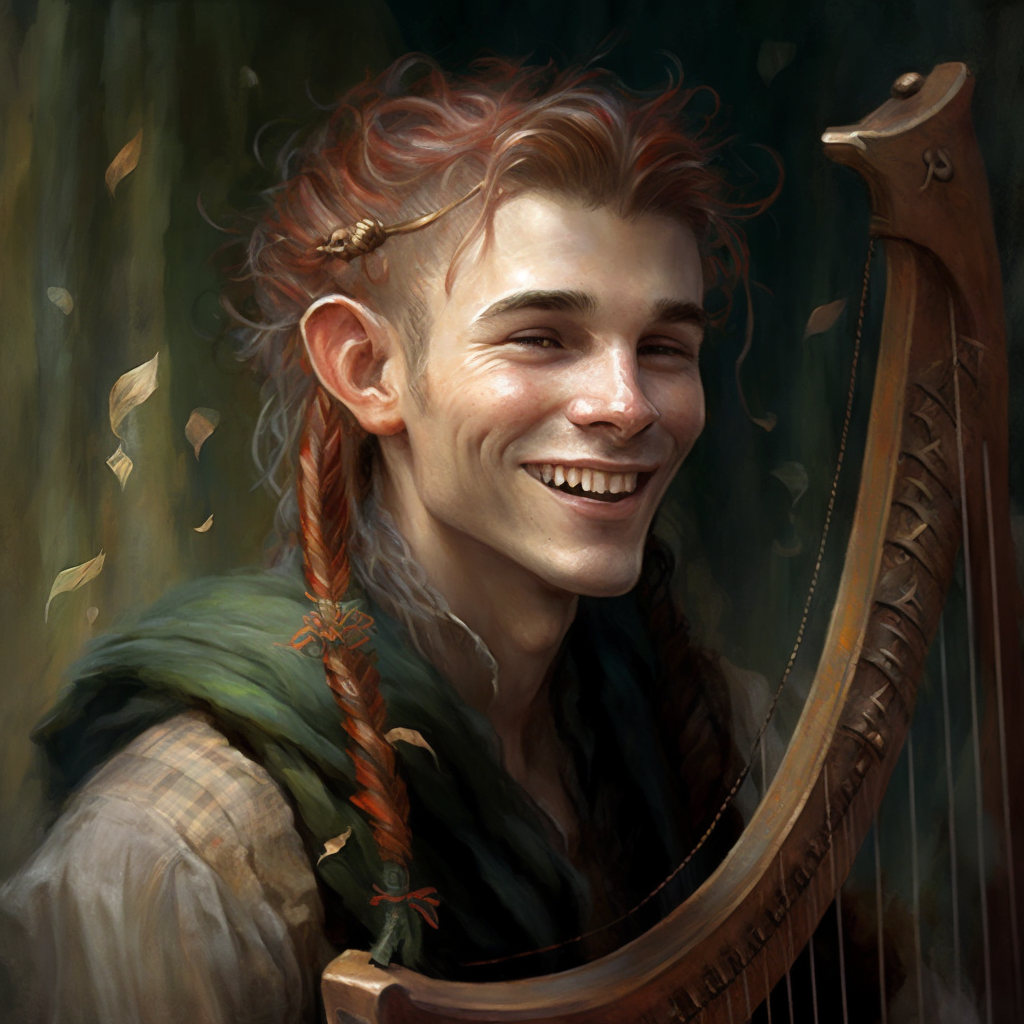
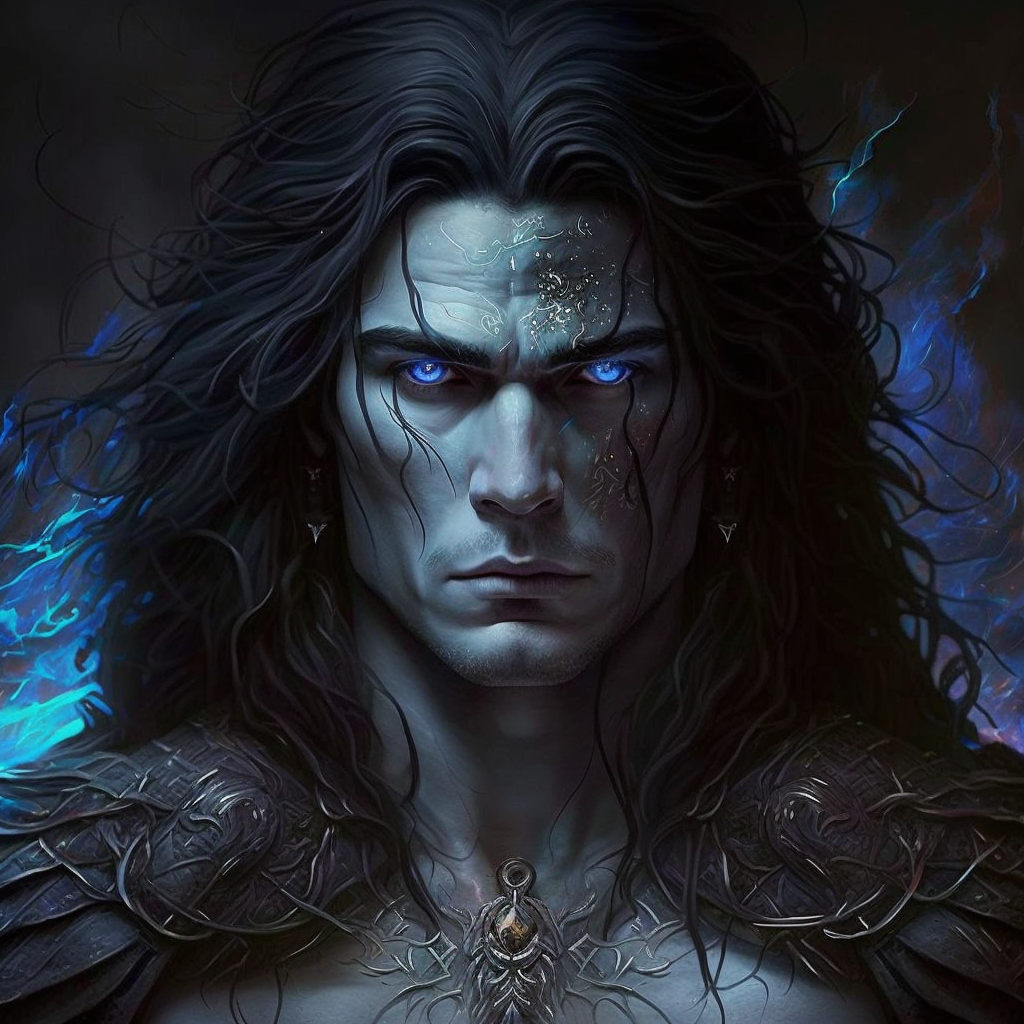
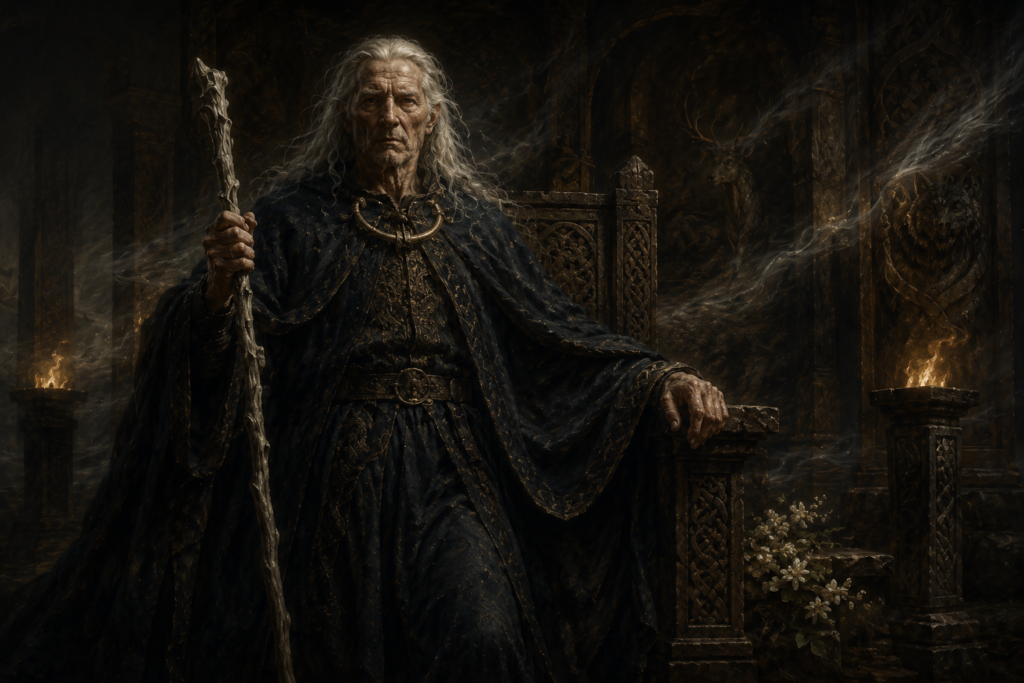
The Welsh tradition preserves enchanted rulers, magicians, Otherworld courts, transformations, dynastic conflicts and supernatural figures whose identities have changed through centuries of storytelling.
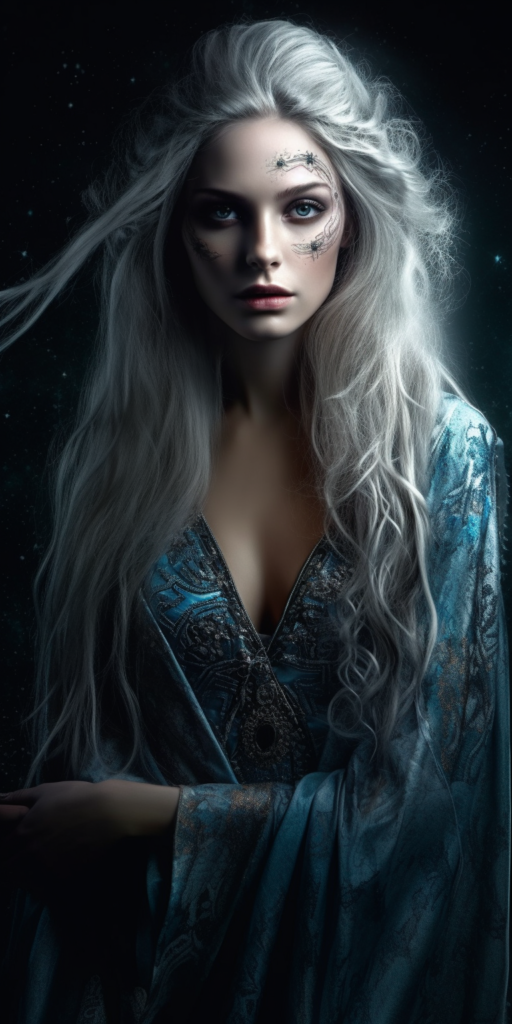

Continental & Gaulish Gods
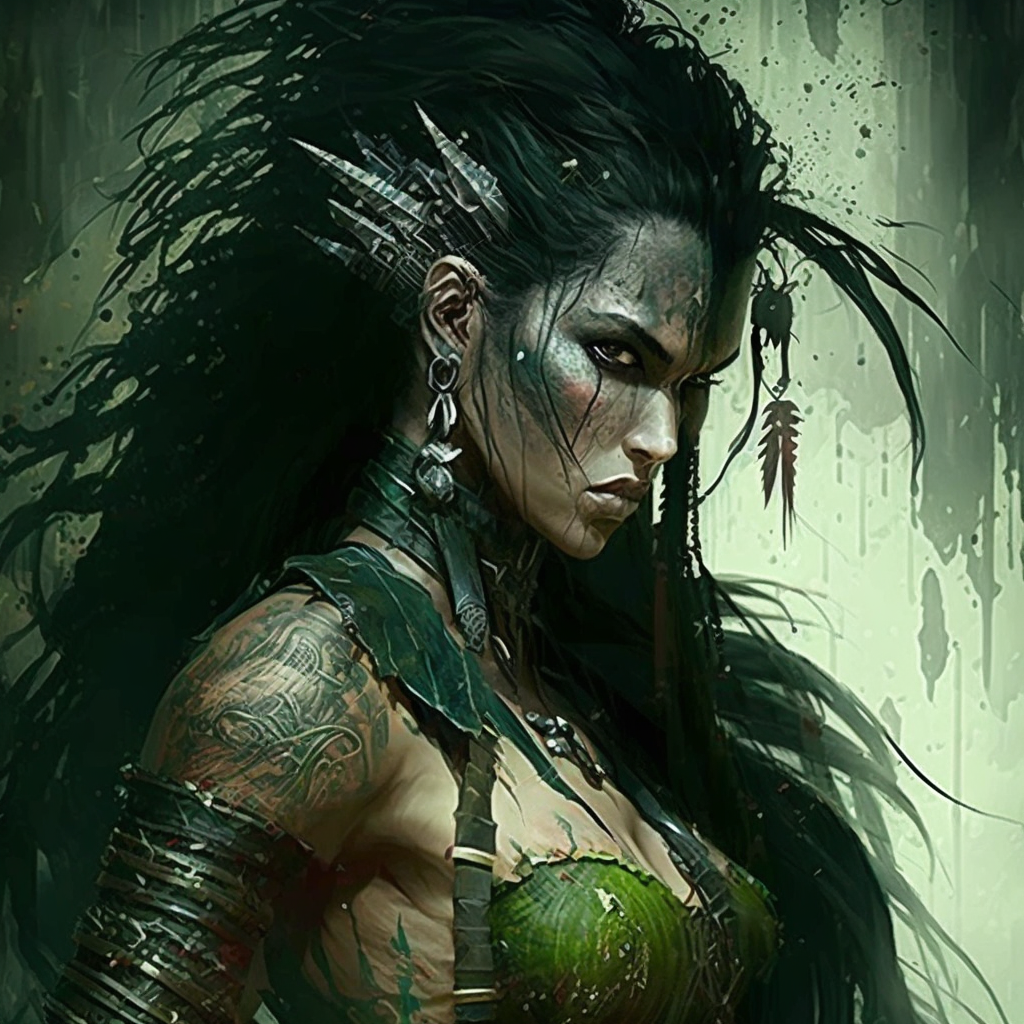
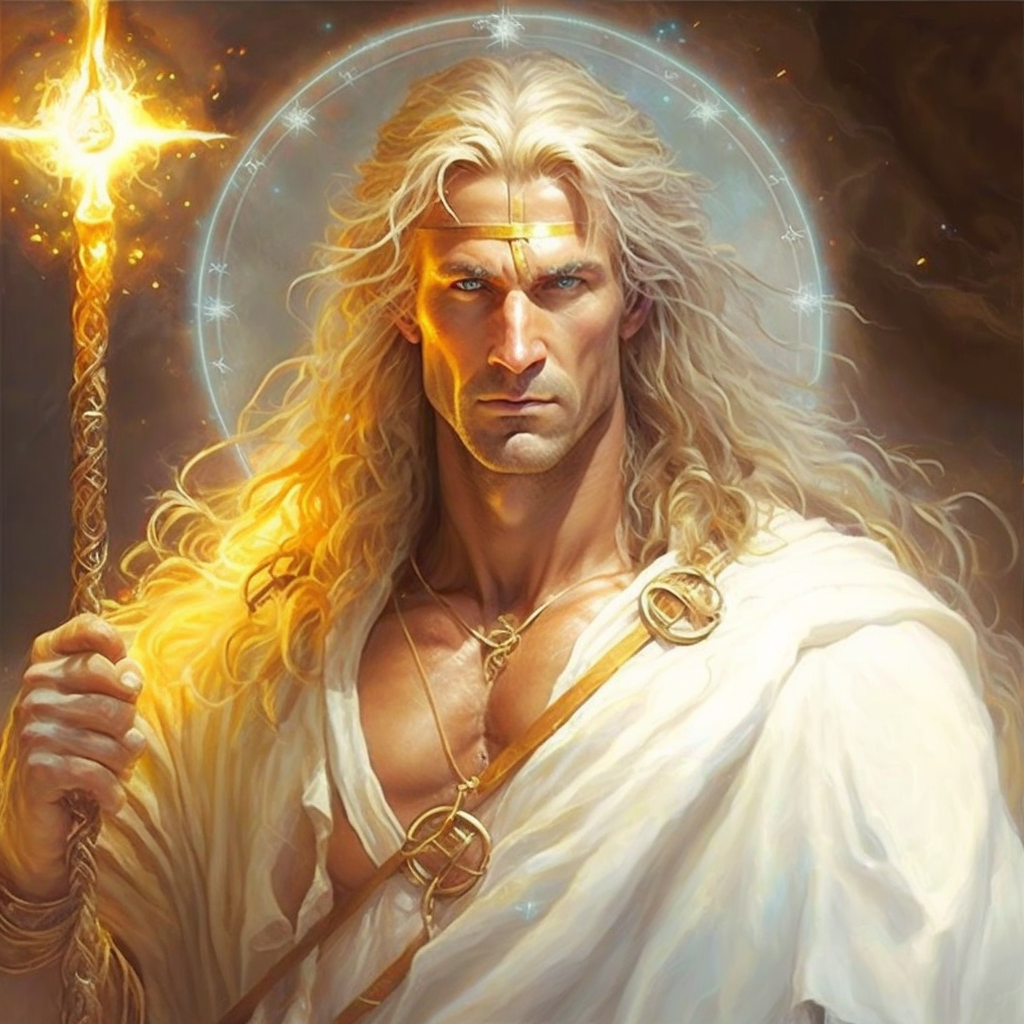
The Continental gods survive through divine names, inscriptions, sculpture, votive objects and Roman-period cult evidence as well as later tradition.

Using the Celtic Pantheon
Start with the tradition and region in which the adventure takes place. A shrine in Ireland should not automatically feel like a sanctuary in Wales, and a Gaulish cult need not use the stories, symbols or rites of the Tuatha Dé Danann. The shared pantheon gives you connections; the individual deity entries provide the personalities, cults and game rules.
Irish Divine Politics
Use the Tuatha Dé Danann, Fomorians, river powers and Otherworld rulers for campaigns involving sovereignty, ancient wars, tribute, inheritance, sacred craft and rival claims to Ireland.
Welsh Enchanted Courts
Use Arawn, Math, Arianrhod, Ceridwen and their neighbouring powers for stories of Annwn, transformation, curses, family conflict, poetry, succession and dangerous bargains.
Continental Cults
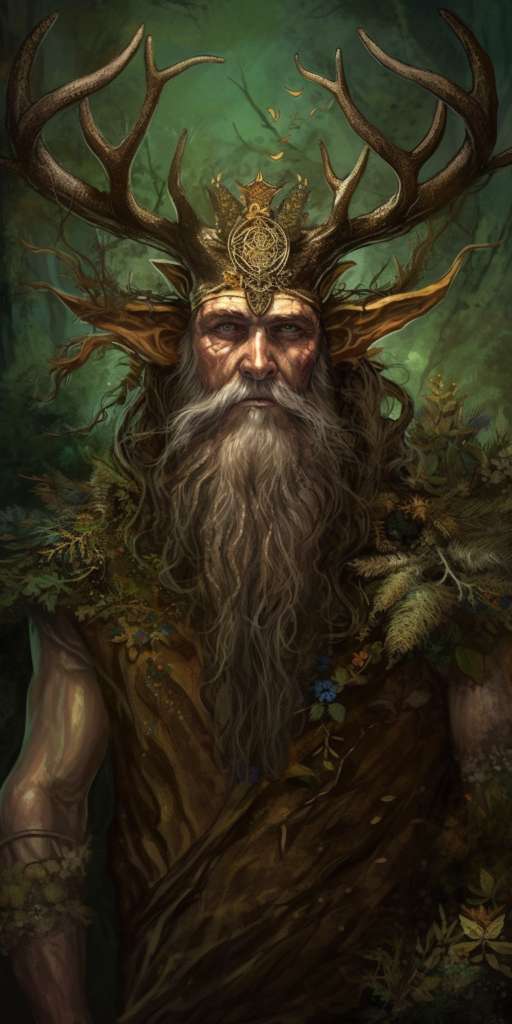
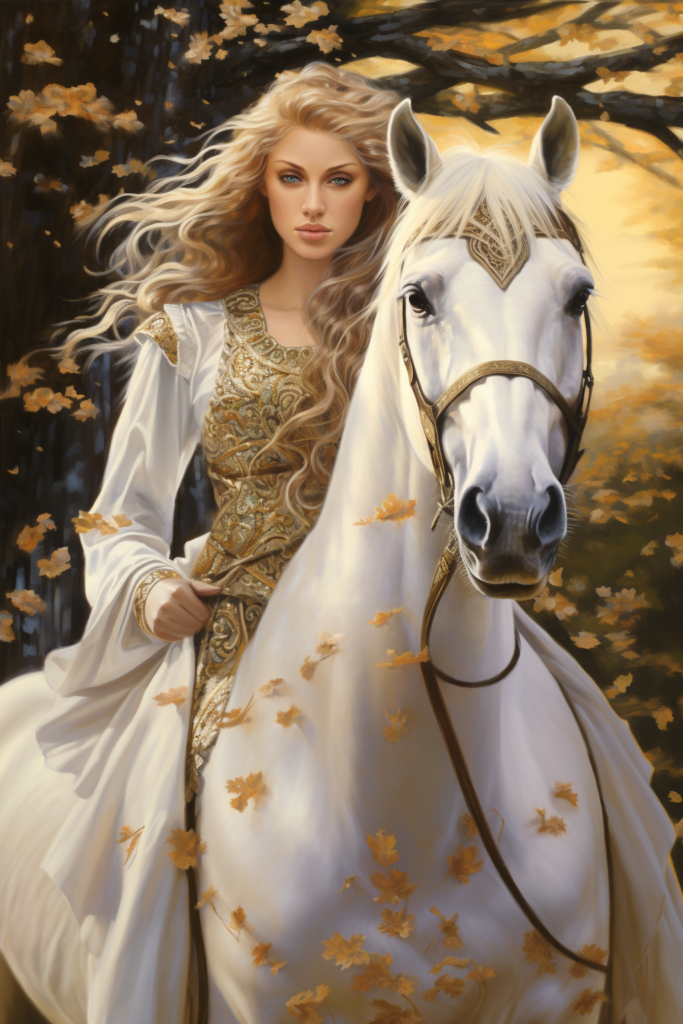
Belenus, Cernunnos, Epona and Esus suit sacred groves, old roads, healing places, hunting grounds, horse cults, inscribed stones and forgotten Romano-Celtic sanctuaries.
Fomorian Powers
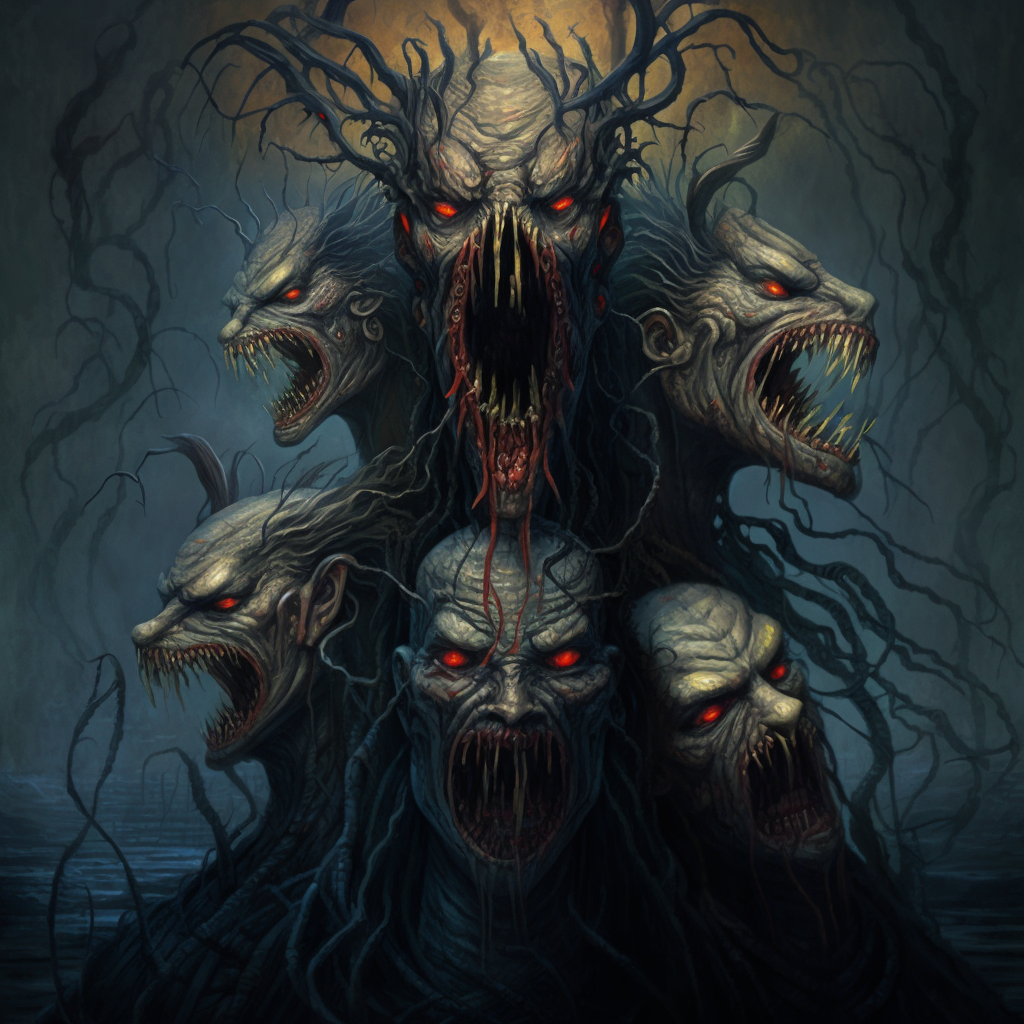
Balor, Cethlenn and Domnu belong to a rival mythic order with kings, bloodlines, prophets, ancient territories and claims of their own.
Historical & Mythological Context
Celtic mythology survives through traditions spread across different peoples, languages, places and centuries. It is best approached as a family of related traditions rather than one fixed scripture or universally agreed pantheon.
The Irish tradition preserves some of the richest continuous mythological narratives represented here. Cath Maige Tuired, the Second Battle of Mag Tuired, places the Tuatha Dé Danann and the Fomorians within a shared cycle of kingship, warfare, healing, craft and supernatural power.
Figures such as Lugh, Nuada, Dian Cécht, Goibhniu and the Dagda therefore survive within extensive narrative relationships rather than merely as isolated divine names.
Crom Cruach belongs to another source trail. Medieval Irish tradition associates his worship with Magh Slecht, preserving the memory of a specific cult landscape as well as a divine name.
The Welsh material is different again. Medieval Welsh stories preserve supernatural rulers, magicians, transformations, enchanted realms and dangerous family histories without presenting their characters as one neat surviving pagan pantheon.
Within the campaign these powers are real. The uncertainty of the surviving evidence determines how mortals remember, misremember and interpret them; it does not diminish their reality within the campaign.
The Continental Celtic gods survive through yet another kind of record. Inscriptions, sculpture, votive offerings, divine names and Roman-period cult practice preserve powers whose full mythologies have often been lost.
A god may therefore be remembered openly in one region, beneath another name elsewhere, through a ruined sanctuary, a surviving rite, an ancient carving or a story whose tellers no longer understand the power behind it.
Celtic Mythology in Context
These selections explore different traditions rather than repeating the same list of famous gods.

Keep this reference growing
If this page helped with your reading or game, you can support its upkeep or explore the curated books.
Explore the Bookshop — epics, classics and stories behind imagined worlds.