
John of Islay — Lord of the Isles & Earl of Ross
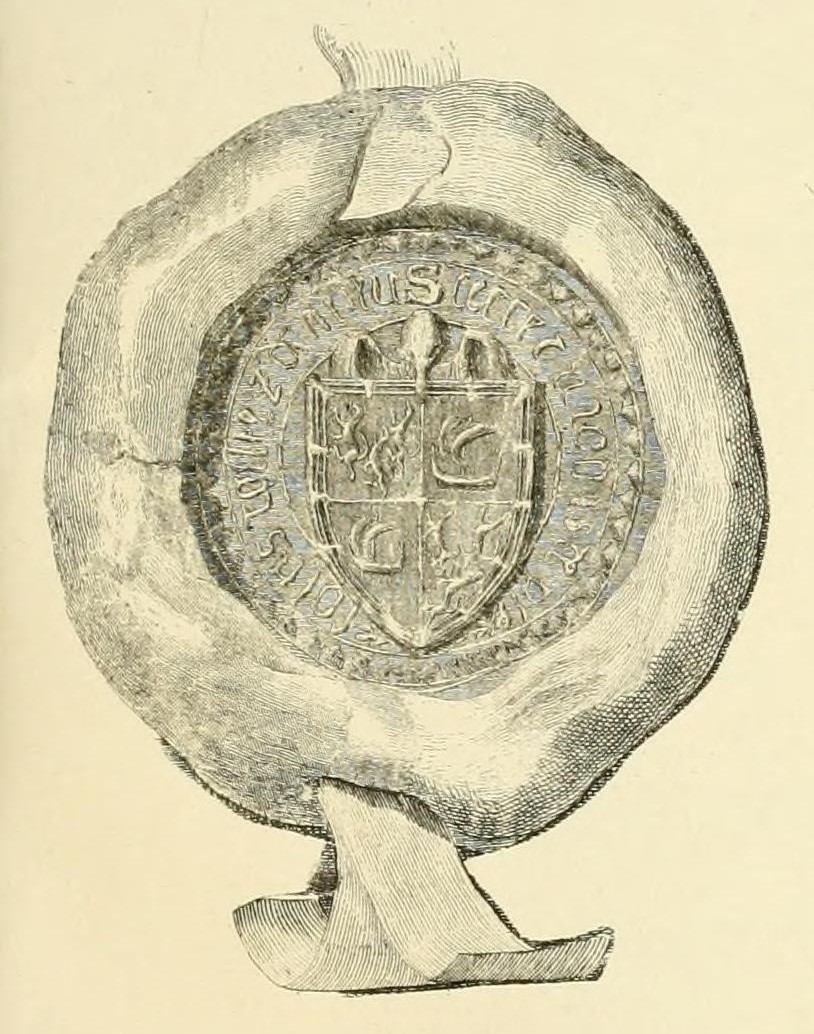
John rules a maritime power whose authority rests on islands, sea-lanes, kindreds and mainland lordships. To western Scotland and the North Channel, his decisions can matter more immediately than orders issued far away by a lowland court.
At a Glance
- Name: John of Islay
- Titles: Lord of the Isles; Earl of Ross
- Race: Human
- Role: Island ruler, magnate, fleet lord and regional power-broker
- Base: The Lordship of the Isles and the earldom of Ross
- Campaign use: Sea-lord patron, independent ally, arbiter of passage, protector of western interests and unpredictable factor in Crown–Douglas politics
- Key connections: British Isles NPCs, Scotland, Lordship of the Isles, Scottish Highlands
John should never feel like a subordinate Scottish noble waiting for instructions from the south. He governs a sea-linked realm with its own military resources, political traditions and routes into Ireland. A royal messenger may carry impressive seals, but a galley captain, island kindred or Ross lord may care more about what John has promised.
Game Statistics
5.5e / 2024
John of Islay, Lord of the Isles
Medium Humanoid
Armour Class 17 (mail, shield)
Initiative +3
Hit Points 112
Speed 30 ft.
Proficiency Bonus +3
Saving Throws Str +7, Dex +6, Con +7, Wis +6
Skills Athletics +7, Insight +6, Persuasion +6, Survival +6
Tool Proficiency Water vehicles
Senses passive Perception 13
Languages Gaelic, Scots, Norse-influenced sea terms
Challenge 6
| STR | DEX | CON | INT | WIS | CHA |
|---|---|---|---|---|---|
| 18 (+4) | 16 (+3) | 18 (+4) | 13 (+1) | 16 (+3) | 16 (+3) |
Sea Lord. John and allied creatures aboard a ship have advantage on checks and saving throws made to keep footing, control rigging or resist forced movement.
Island Network. In coastal or island territory, John cannot be surprised while a loyal scout, boat crew or household retainer is within 120 feet.
Actions
Multiattack. John makes two Broadsword attacks.
Broadsword. Melee Weapon Attack: +7 to hit, reach 5 ft., one target. Hit: 9 (1d10 + 4) slashing damage.
Call the Galleymen. Up to two allies within 30 feet may move up to half their speed as a reaction.
Reaction
Slip the Shore. When an enemy ends its turn within 5 feet of John, he may move 10 feet without provoking opportunity attacks.
Pathfinder 1e
John of Islay, Lord of the Isles CR 7; XP 3,200
Male human aristocrat 2/fighter 5/expert 1; Medium humanoid
Init +3; Senses Perception +13
AC 20, touch 13, flat-footed 17; hp 86
Fort +9, Ref +8, Will +9
Speed 30 ft.
Melee masterwork longsword +13/+8 (1d8+6/19–20)
Str 18, Dex 16, Con 16, Int 13, Wis 16, Cha 16
Base Atk +6; CMB +10; CMD 23
Feats Leadership, Iron Will, Power Attack, Skill Focus (Profession [sailor]), Weapon Focus (longsword), Toughness, Mounted Combat
Skills Diplomacy +14, Knowledge (geography) +11, Knowledge (local) +12, Perception +13, Profession (sailor) +15, Sense Motive +12, Survival +12, Swim +11
D&D 3.5e
John of Islay, Lord of the Isles CR 7
Male human aristocrat 2/fighter 5/expert 1; Medium humanoid
Init +3; AC 20, touch 13, flat-footed 17; hp 70
Fort +8, Ref +7, Will +8
Speed 30 ft.; Base Attack +6; Grapple +10
Attack masterwork longsword +12 melee (1d8+5/19–20)
Abilities Str 18, Dex 16, Con 16, Int 13, Wis 16, Cha 16
Feats Leadership, Iron Will, Power Attack, Skill Focus (Profession [sailor]), Weapon Focus (longsword), Toughness, Mounted Combat
Skills Diplomacy +14, Knowledge (geography) +11, Knowledge (local) +12, Profession (sailor) +15, Sense Motive +12, Survival +12, Swim +11
What Is John of Islay Doing Now?
John is weighing the pressure created by the Crown–Douglas struggle without allowing either side to treat the Isles as someone else’s reserve army. Earlier Douglas diplomacy connected the Lordship to a wider magnate confederacy, but that does not mean John automatically joins every Douglas rising. His strongest move is often to wait, negotiate and preserve freedom of action while everyone else reveals how much they truly need him.
Encounters
- The North Channel Passage: Two rival parties request safe transport through waters controlled by John’s captains. Granting both requests could cause a battle at sea.
- The Ambiguous Letter: John sends a deliberately careful answer to the king. Douglas agents want it intercepted because ambiguity itself is politically valuable.
- The Galley Muster: A coastal lord claims he cannot provide ships owed to the Lordship. John wants outsiders to determine whether the excuse is genuine.
Personality
John is patient, territorial and accustomed to dealing with people who underestimate western power. He rarely needs to shout. He can make a refusal sound courteous while ensuring the other party understands that no ship, harbour or guide will be available to them afterward.
Relationships
James II: King of Scots, whose attempt to strengthen central royal authority may threaten the independence of powerful regional lords.
James, 9th Earl of Douglas: Head of a magnate house with which the Lordship has political connections, but not a master John must automatically follow.
Island and Ross kindreds: The real foundation of John’s power; their ships, warriors and local loyalties make the Lordship governable.
Equipment and Resources
Mail armour, broadsword, shield, household guards, galleys, sea captains, pilots, island strongholds, messengers and tribute. His most important resource is mobility: information and armed men can move by sea where roads are slow or hostile.
Adventure Hooks
- The King’s Envoy: A royal emissary reaches the Isles with terms that are intentionally vague. John asks the party what the king is actually trying to obtain.
- Douglas Refuge: A Douglas retainer arrives asking sanctuary. Accepting him changes nothing immediately, but everyone will notice.
- The Broken Sea-Oath: A captain attacks a vessel that had been granted passage under John’s protection. The party must find him before the breach becomes a challenge to the Lordship itself.
Historical Context
Historic Environment Scotland identifies John of Islay, Earl of Ross and Lord of the Isles, as one of the great regional magnates connected to the Douglas–Crawford alliance. A historical compilation of the Lords of the Isles records that John succeeded his father around 1448 and notes that although he entered the confederacy with Douglas and Crawford, he did not join the Douglas rising at this stage. See James II and the Black Douglases.
Connected Places and People
Historical Inspiration
John of Islay is adapted from the historical Lord of the Isles and Earl of Ross. His maritime power, clan politics and western Scottish sovereignty are presented directly in the campaign’s fifteenth-century present.
Rules Notes
The game statistics and campaign relationships on this page are original adaptations for the stated rules editions.
Keep this reference growing
If this page helped with your reading or game, you can support its upkeep or explore the curated books.
Explore the Bookshop — epics, classics and stories behind imagined worlds.