
Copenhagen
Royal port at the meeting of crown, commerce and the Baltic sea-road
At a Glance
| Realm | Kingdom of Denmark |
|---|---|
| Ruler | Christian I |
| Type | Fortified royal port, market town and growing political centre |
| Strategic Position | Zealand harbour controlling access to the Øresund and the routes between the North Sea and Baltic |
| Major Powers | Royal household, Danish nobles, town authorities, merchants, shipowners, guilds, temple authorities and foreign factors |
| Faith | Living Asgardian worship, household and sea cults, ancestral rites and Christian institutions |
| Trade | Grain, fish, timber, cloth, metalwork, luxury goods, ship supplies and intelligence moving between northern ports |
| Campaign Themes | Court intrigue, harbour crime, trade disputes, espionage, fleet politics, omens, sea monsters and royal missions |
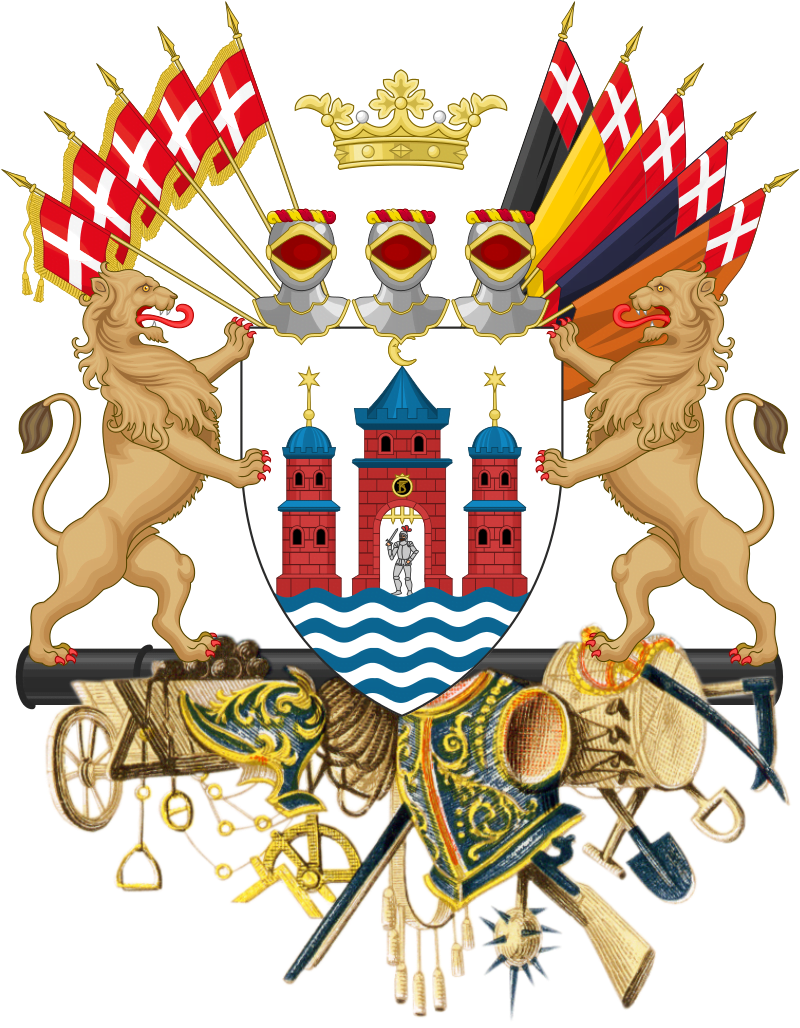
Copenhagen is the Danish crown’s busiest political harbour: a fortified port where royal policy, Baltic commerce and supernatural sea-law meet on the same quays. Christian I can issue an order from the castle, but that order still has to pass through pilots, merchants, shipmasters, guild officers, noble interests and powers of sea and storm before it becomes reality.
The town has grown around a harbour important enough to attract both wealth and attack. Copenhagen Castle stands on the old defensive island site overlooking the water, while markets, workshops, warehouses and landing places feed a city whose influence is expanding with the crown’s ambitions. Ships bound for Norway, Sweden, the German ports or the western sea-road all carry news as valuable as their cargo.
Copenhagen is fully late-medieval. Royal compounds, fortified approaches, merchant houses, organised craft, crossbows, polearms and early gunpowder weapons exist beside rune-workers, seers and public cults of the northern gods. The old traditions survived because the powers behind them remain present.
Explore: Denmark · Union of Midgard · Hedeby · Norway · Sweden
What Is Happening Right Now?
Christian I Is Building a Northern Power Base
Denmark and Norway answer to the same king while Sweden follows Charles VIII. Copenhagen has become one of the places where diplomats, noble agents and merchants test how far Christian I’s authority can reach without open war.
The Harbour Is an Intelligence Market
Every arriving ship brings prices, letters, rumours and witnesses. Royal officials pay for information; merchants hoard it; foreign agents steal it. A missing manifest can matter as much as a missing noble.
The Crown Needs Ships
Denmark’s position depends upon water. Armed merchantmen, royal vessels and privately owned fighting ships all matter, and the crown increasingly needs crews, supplies and commanders who can respond faster than a formal levy.
The Sound Is Not Empty Water
Njörðr’s cults, drowned dead, coastal spirits and creatures from the Midgard Bestiary can disrupt navigation. A supernatural incident in the wrong channel becomes an economic crisis within days.
Run Copenhagen Tonight
Copenhagen Castle
The castle occupies the old fortified island position that has guarded the harbour for generations. Royal officers, petitioners, envoys, household guards and noble clients move through its halls. A party with the right seal can be inside court politics within an hour; a party with the wrong one can be detained just as quickly.
The Harbour and Gammel Strand
Boats, ferries and cargo crowd the waterfront. Fish, timber, cloth, grain, ironwork and foreign luxuries change hands beside rumours from Bergen, Visby and Stockholm. Smuggling works best when it resembles ordinary trade, so investigators must understand cargo before they understand crime.
The Market Streets
Craftsmen, food sellers, money changers, armourers, innkeepers and brokers turn commercial disputes into immediate play. The quickest way to find a missing captain is often to ask who extended him credit and who expected payment when his ship returned.
The Øresund Approaches
Pilots and watchmen know which waters are safe, which shoals move and which lights should never be followed. False beacons, wreckers, hostile vessels and supernatural weather can threaten the approaches before enemies ever reach the walls.
People and Powers
| Power | What It Wants | Why Adventurers Matter |
|---|---|---|
| Christian I and the Royal Household | Secure Denmark and Norway, protect the straits and strengthen the case for wider Scandinavian unity. | Escorts, investigations, naval work, secret messages and missions that cannot look officially royal. |
| Danish Noble Houses | Offices, estates, marriages and influence over crown policy. | Feuds, disputed inheritance, hostage exchanges and competing patronage. |
| Hanseatic Merchants | Predictable law, profitable passage, warehouse rights and reliable access to northern goods. | Convoys, commercial espionage, stolen ledgers and disputes with local traders. |
| Shipowners and Captains | Crews, cargo, safe routes, royal contracts and profit. | Missing ships, disputed salvage, piracy and dangerous western or Baltic voyages. |
| Asgardian Temples and Cults | Proper rites, oath keeping, sacred property and recognition of divine warnings. | Omens, broken vows, relic recovery and supernatural claims over land or water. |
Magic, Services and Equipment
Copenhagen is one of the best places in Denmark to obtain formal royal papers, armour, weapons, ship supplies, translators, navigators, healers, rune-workers and merchant credit. Valuable goods are available when the harbour is open, but prices can change quickly after storms, military preparations or the loss of an important convoy.
Sea magic is treated as practical expertise. Captains consult pilots, weather-readers, priests and people familiar with supernatural signs because charts do not replace judgement. Wealthy households also employ diviners and scholars able to interpret omens, genealogies and difficult legal claims.
Dangers, Rumours and Adventure Hooks
- The Two Royal Letters. Two couriers arrive from the king carrying orders with identical seals and opposite instructions.
- The Harbour Light. Ships entering after midnight see a beacon where no tower stands; the vessels that follow it never reach the quay.
- The Missing Ledger. A merchant account book links Danish nobles, Swedish agents and a Hanseatic factor to the same secret shipment.
- The King’s Ship. A royal vessel returns without its captain, and every surviving officer gives the same impossible explanation.
- The Drowned Witness. A corpse pulled from the harbour identifies its murderer before anyone casts a spell.
- The Sound Toll. A supernatural claimant begins demanding payment from vessels passing a channel the crown considers entirely its own.
Travel and Law
Water is Copenhagen’s fastest road. Ferries and coastal vessels connect Zealand with the Danish islands, while larger ships reach Norway, Sweden, the German coast and the wider Baltic. Roads serve the surrounding countryside, but important travellers often arrive by sea because the harbour is easier to monitor and defend.
Royal law, town custom, guild rules, merchant privilege and sacred obligations overlap. A royal writ opens doors, but it can also reveal which faction employs the party. Oaths sworn before recognised divine witnesses may carry consequences that ordinary courts cannot cancel.
Deeper History
Copenhagen grew because its harbour could watch and protect Baltic trade. The first great castle on the harbour island was destroyed by Hanseatic enemies in the fourteenth century; a new royal castle rose on the same strategic ground. The lesson is remembered: whoever controls the harbour can shape the movement of goods, armies and information through Denmark.
By Christian I’s reign the town is becoming increasingly important to royal government and northern politics. It is not yet the vast metropolis of later centuries, but it is already large enough that a local harbour dispute can become a matter for kings.
Explore the Midgard Cluster
Union of Midgard · Denmark · Hedeby · Norway · Sweden · Hanseatic League · Asgardian Pantheon · Midgard Bestiary
Keep this reference growing
If this page helped with your reading or game, you can support its upkeep or explore the curated books.
Explore the Bookshop — epics, classics and stories behind imagined worlds.