
Crown of Aragon — Mediterranean Composite Monarchy
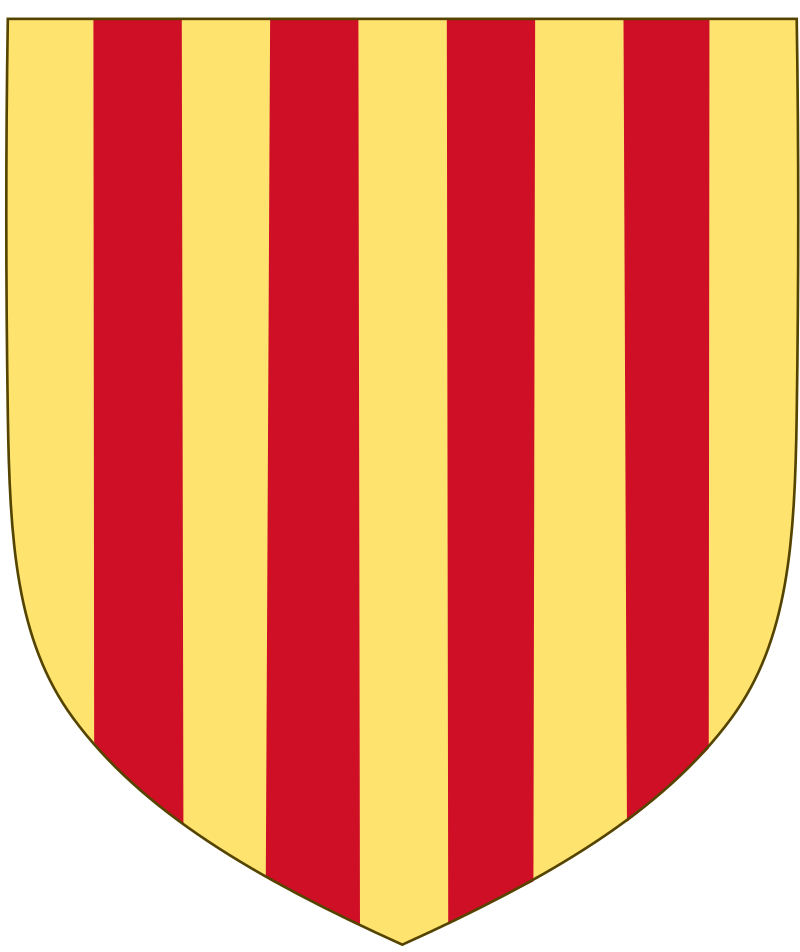
Aragon · Catalonia · Valencia · Mallorca · Sardinia · Sicily · Mediterranean Routes
At a Glance
| Ruler | Alfonso V of Aragon, the Magnanimous |
|---|---|
| Political form | Composite monarchy: several realms under one ruler, each retaining its own laws and institutions |
| Principal realms | Aragon, Valencia, Mallorca, the County of Barcelona and Catalan lands, Sardinia and Sicily |
| Southern crown | Alfonso also rules Naples, conquered in 1442 and governed as a distinct kingdom |
| Royal court | Alfonso is based chiefly at Naples while his western realms continue through their own officers and institutions |
| Major sea routes | Western Mediterranean, Balearics, Sardinia, Sicily, Malta and southern Italy |
| Campaign tone | Dynastic politics, sea power, local privileges, royal officers, disputed jurisdictions and long-distance diplomacy |
The Crown of Aragon is not a single uniform state. It is a chain of kingdoms, counties, islands, ports and legal traditions held together by the monarch. A royal order that is routine in one realm may require negotiation, witnesses or a separate grant in another. Adventurers serving the crown therefore spend as much time proving which law applies as they do carrying out the order itself.
Alfonso V rules a Mediterranean system that stretches from the Iberian east coast to Sardinia and Sicily and, through his conquest of Naples, deep into southern Italy. The reach is impressive; the administration is deliberately uneven. Local courts, merchant communities, nobles, island councils and port officers preserve rights that cannot simply be erased by a distant signature.
Explore: Italy · Naples · Sicily · Sardinia · Malta
What Is Happening Right Now?
Alfonso rules from Naples
The king’s Italian court consumes attention, money and diplomatic energy. Western officials must often act in his name while waiting for instructions that have crossed the sea.
The Peace of Lodi changes Italy
The settlement among the Italian powers ends one phase of northern war, but Alfonso’s ambitions and alliances remain part of the balance. Merchants and captains now have to learn which wartime privileges survive the peace.
Each realm guards its privileges
Aragonese, Catalan, Valencian, Sardinian and Sicilian institutions do not become interchangeable because they share a king. Taxation, military service, inheritance and local office remain recurring sources of negotiation.
The sea holds the monarchy together
Couriers, grain fleets, royal galleys, merchants and private ships carry authority between shores. A lost convoy can become a constitutional problem as quickly as a commercial one.
Major Realms and Routes
- Aragon and the western court: noble and municipal privileges shape royal power inland.
- Catalan and Valencian ports: trade, shipbuilding and Mediterranean credit connect the western realms to the islands and Italy.
- Sardinia: royal officers and island communities negotiate authority across harbours, uplands and old jurisdictions.
- Sicily: Palermo, grain and the central Mediterranean make the island vital to the wider crown.
- Malta: the islands sit within the Sicilian-Aragonese political world and guard routes through the central sea.
- Naples: Alfonso’s southern Italian kingdom is joined in his person but remains politically distinct from his other crowns.
Adventure Pressure
- Two lawful orders: officials from different realms produce royal documents that contradict one another because both were issued under different legal traditions.
- The missing galley: a ship carrying tax silver and sealed appointments disappears between Sicily and Sardinia.
- A privilege older than the king: an island community produces a charter limiting a royal officer’s powers. The officer insists the document is forged.
- The Naples succession: Ferdinand of Calabria is Alfonso’s heir in Naples, but the king’s wider dominions have different succession arrangements. A document that appears to merge them would destabilise half the Mediterranean.
Historical Sources
Treccani, Alfonso V the Magnanimous provides the core chronology of Alfonso’s kingdoms and conquest of Naples. The component realms remain separate political bodies under the same monarch; campaign relationships and adventure hooks are original.
Keep this reference growing
If this page helped with your reading or game, you can support its upkeep or explore the curated books.
Explore the Bookshop — epics, classics and stories behind imagined worlds.