
Malta — Fortified Islands of the Central Mediterranean
Malta · Gozo · Crown of Aragon · Kingdom of Sicily · Sea Routes
At a Glance
| Political status | Islands within the Aragonese-Sicilian realm of Alfonso V |
|---|---|
| Ruler | Alfonso V of Aragon and Sicily |
| Principal civic centre | Mdina and its Universitas |
| Principal harbour stronghold | Birgu and the Castrum Maris |
| Local institutions | Universitas councils representing local interests, taxation, markets and fortifications |
| Strategic role | Central Mediterranean waystation between Sicily, North Africa and eastern sea routes |
| Campaign tone | Fortified harbours, corsairs, island charters, sea warnings, local councils and contested authority |
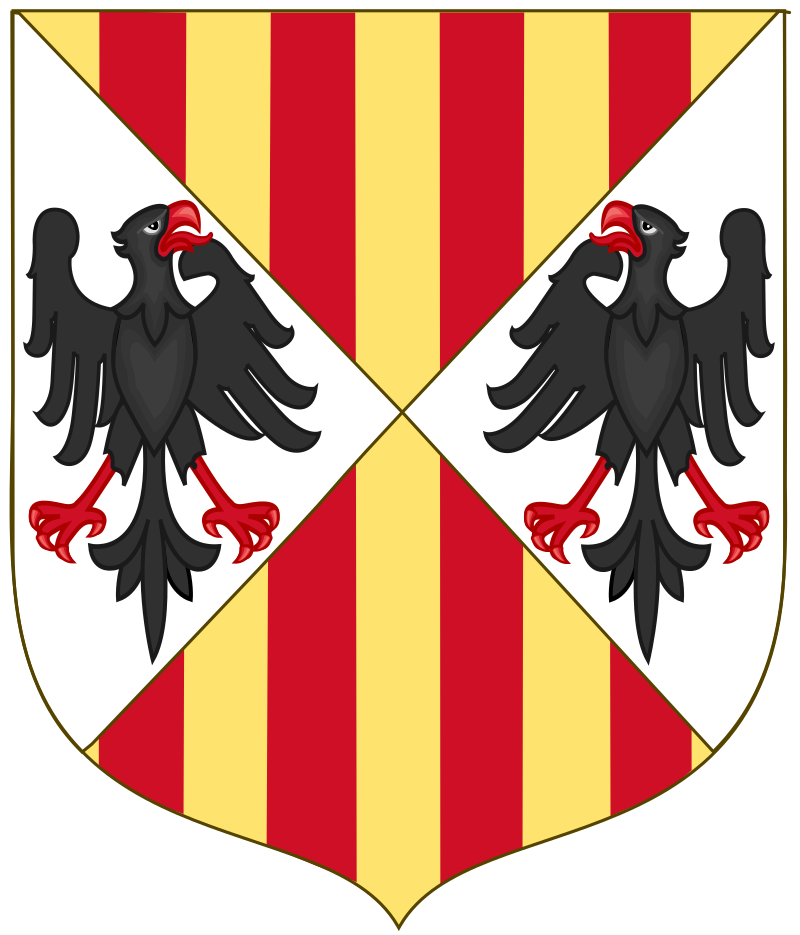
Malta sits where sea routes cross. A ship passing between Sicily, North Africa and the eastern Mediterranean can use the islands for shelter, water, information and trade; the same geography also attracts corsairs, raiders and rival captains. The islands are small enough that news travels quickly and large enough that a royal order still has to pass through local officials, harbour officers and communities before it becomes real.
The memory of the Monroy crisis remains politically useful. Alfonso V had granted the islands to Gonsalvo Monroy in 1421, provoking resistance against oppressive rule. The settlement that followed produced royal concessions and a 1428 charter in favour of the Maltese. By the campaign present, local institutions therefore know that royal authority can be negotiated when communities act together.
Explore: Crown of Aragon · Sicily · Italy · Sardinia
What Is Happening Right Now?
Royal authority meets local privilege
Alfonso’s officers expect dues, obedience and secure harbours. Local councils expect the rights won after the Monroy crisis to be respected. A tax demand can therefore become a legal argument before it becomes a rebellion.
Corsairs test the sea lanes
Raiders can appear from several directions, making every strange sail a problem for harbour watches. Merchants pay for information as eagerly as they pay for guards.
Sicily is close, help is not instant
Malta belongs to the Sicilian-Aragonese political world, but orders and reinforcements still cross open water. A crisis that lasts two days may be decided before a royal response arrives.
The old charter still matters
Copies, witnesses and interpretations of Alfonso’s concessions can decide whether a governor, noble or tax collector has exceeded lawful authority.
Places and People
Mdina
The inland fortified city is a centre of local government, law, records and elite households. A dispute that cannot be settled at a harbour often ends before notaries and councillors here.
Birgu and Castrum Maris
The harbour stronghold controls one of the islands’ most important approaches. Soldiers, sailors, customs officers and visiting captains all have reasons to know who commands its gates.
Gozo
Gozo maintains its own local interests through its Universitas. A royal instruction that seems simple on Malta can become a second negotiation after crossing the channel.
Fields, wells and villages
Island survival depends on stored grain, water, livestock and reliable coastal warnings. A damaged cistern or missing grain boat can matter more than a noble quarrel.
Services and Access
- Sea passage: local pilots know anchorages, currents and which captains can be trusted.
- Legal help: notaries and Universitas officials can interpret charters, taxes, property rights and obligations to the crown.
- Harbour intelligence: sailors, fishers and watchmen know which sails have appeared recently and which ships failed to arrive.
- Supplies: grain, water, rope, timber and repair materials become expensive quickly when weather or raiding interrupts traffic.
- Guides: island guides can move a party between fortified settlements, rural communities and hidden coves without relying on the main roads.
Dangers and Adventure Hooks
- The second charter: a royal officer produces a document that appears to cancel one of the island privileges granted in 1428. The seal is real; the wording is not.
- The silent watch: a coastal warning post fails to light its signal as unknown sails approach after dusk.
- The Monroy debt: an old creditor claims the islands still owe money from the settlement that returned them to royal control.
- The missing grain ship: a vessel expected from Sicily never arrives, and three different captains report seeing it under three different flags.
- Castrum below: repairs beneath the harbour fortress expose older chambers that predate the current garrison and are not empty.
Travel and Connections
Malta’s strongest political and commercial connection is with Sicily, but ships also move toward North Africa, Sardinia and the wider Mediterranean routes of the Crown of Aragon. Weather, corsairs and politics can close a route with little warning. A party planning a sea journey should know not only its destination but which authority is expected to recognise the ship when it arrives.
History and Sources
Malta and Gozo passed through the same wider political world as Sicily and came under Aragonese rule in the later Middle Ages. Alfonso V’s grant of the islands to Gonsalvo Monroy in 1421 triggered resistance; the settlement culminated in royal concessions, including the charter of 1428 preserved in Malta’s archival tradition. Local Universitas institutions continued to represent community interests under royal authority.
Historical background: Malta Libraries documents the 1428 charter issued by Alfonso V; Maltese government and local-council sources preserve the history of the Universitas and the islands’ Aragonese-Sicilian connection. Campaign pressures and adventure hooks are original.
Keep this reference growing
If this page helped with your reading or game, you can support its upkeep or explore the curated books.
Explore the Bookshop — epics, classics and stories behind imagined worlds.