
Kingdom of Sardinia — Towers and Sea Roads
At a Glance
| Region | Western Mediterranean island linked to Italy’s sea routes |
|---|---|
| Capital | Cagliari |
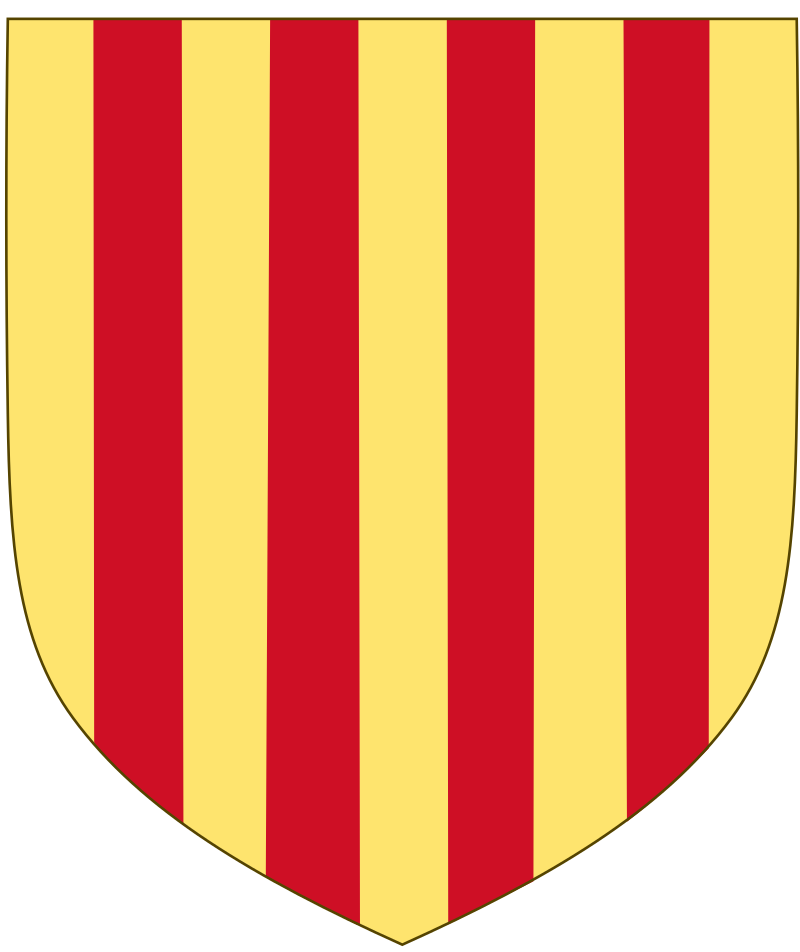
| Sovereignty | Aragonese kingdom with contested Corsican claims |
| Ruler | Alfonso V of Aragon |
| Languages | Sardinian, Catalan, Corsican and other port tongues |
| Money | Cagliarese and foreign coin by weight |
| Campaign tone | Island forts, ancient towers, disputed charters and sea raids |
Sardinia is governed from across the sea, but its hills, harbours and older stone towers refuse easy rule. The crown holds Cagliari and a network of offices; coastal captains watch Genoese sail; inland communities remember older rights. A royal charter may settle a dispute in a port and start another before the courier reaches the mountains.
The Inquisition in Sardinia
Torquemada’s Inquisition of Flame and Iron reaches Sardinia through the ships, court officials and patrons of Alfonso V’s Aragonese monarchy. Its examiners investigate reports of forbidden cults and suspected fugitives from Iberia, and keep correspondence with supporters in Cagliari. The Inquisition has influential friends but no unconditional power to replace Sardinian law or bypass every local lord.
A Castilian examiner arrives with an arrest warrant for a merchant accused of trafficking infernal relics. The royal harbour captain recognises the seal, but a local judge insists the accusation must be heard before property is seized. The merchant’s ledger could expose an actual devil bargain—or reveal the inquisitor’s wealthy patron as the true purchaser. Refusing one man’s writ does not make the island an enemy of the crown.
Gods of Sardinia
The royal officers of Alfonso’s island kingdom recognise the Roman gods, especially Jupiter and Juno, when they swear public oaths. In the countryside, sacred springs, wells and ancient Nuragic towers preserve older local reverence not reducible to the civic gods. Travellers seek Poseidon before a rough crossing and look for Hermes at bustling harbours.
Local guardians argue with foreign examiners over what may be removed from a shrine. The Inquisition of Flame and Iron cannot destroy a hill community’s sacred standing by issuing a Castilian writ, and a Cagliari magistrate may refuse to enforce its confiscation order.
Current Pressures
The crown and the island
Alfonso’s deputies need dues, grain and soldiers. Local lords bargain over how much they owe, and some villages keep records older than the Aragonese grant.
Corsican claims
The title once joined Sardinia with Corsica, but island rule and claimed sovereignty are not the same thing. Genoese interests and Corsican factions can contest a ship before it reaches either shore.
Ancient stone
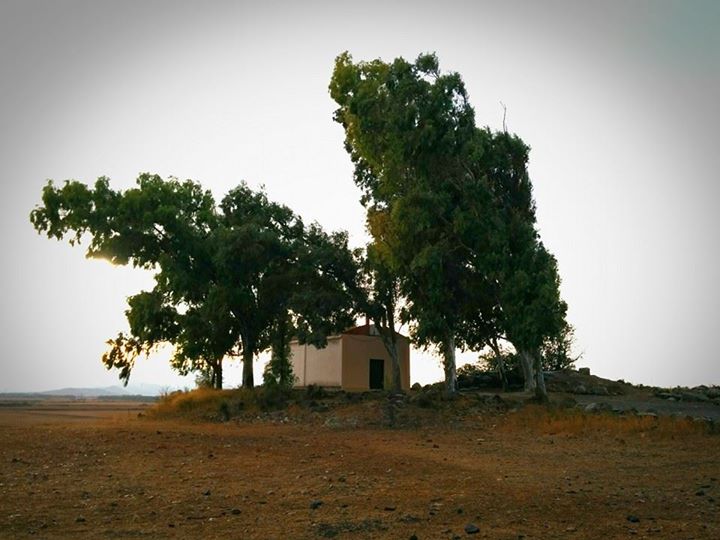
Nuraghi stand across the island. Their builders are long gone, but a tower can shelter a fugitive, guard an old oath or conceal a passage beneath its foundations.
Places and People
Cagliari’s Castello
The high district holds courts, noble houses and defensive towers above the harbour. Its gates make a petitioner’s status clear before the audience begins.
Harbours and salt roads
Ships bring officials, cloth and coin; exports leave with grain, salt and news. A captain may declare one destination and use the weather as an excuse for another.
Nuragic country
Su Nuraxi at Barumini shows the scale of the island’s ancient defensive works. Other towers stand near farm paths and wooded rises where local guides know more than royal surveyors.
Island families
Local houses and village elders hold grazing rights, marriage agreements and practical authority. The court needs their help to collect taxes or move men inland.
Services and Access
Find a licensed pilot in Cagliari or a merchant with dependable coastal contacts. Inland, hire a guide who knows the wells and the families controlling them. A notary can compare rival charters; a local elder can explain why both are disputed. For a tower expedition, bring ropes, light and someone who understands the island’s older place names.
Dangers and Adventure Hooks
- The sold right: a charter says an old island claim was purchased, but its witness seal matches a later royal document. The party must find the original before troops arrive.
- The empty watchtower: a nuraghe signals with fire after its garrison has vanished. A coastal captain mistakes it for an invasion warning.
- Corsican cargo: two ships carry the same royal licence. One belongs to a Genoese client, the other to a Sardinian lord.
- Coins beneath Cagliari: a cache of cagliarese bears the mark of a mint officially closed years ago. Spending one brings an investigator to the party’s door.
Travel and Connections
Crossings link Cagliari to Sicily, the Aragonese western sea routes and the Italian coast. Storms can hold ships for days, and Corsican waters require both a good pilot and good information. The Italy guide places Sardinia among the Mediterranean powers; Sicily is its closest companion kingdom in the regional cluster.
History and Sources
The Aragonese crown pressed its claims through war, negotiation and purchase, while older island jurisdictions left a complicated inheritance. In 1454 Sardinia remains among the dominions of Alfonso V of Aragon. The remains of the island’s nuragic builders are much older still, and royal title cannot erase the difference between a document kept in Cagliari and the loyalty of a distant valley.
Geographic and archaeological background: UNESCO, Su Nuraxi di Barumini; Cagliari civic tourism, Castello district. Image: Nuraghe Santu Sciori (CC0).
Keep this reference growing
If this page helped with your reading or game, you can support its upkeep or explore the curated books.
Explore the Bookshop — epics, classics and stories behind imagined worlds.