Ancient Egypt · Arcadia · Buxenus · Duat
The Pharaonic Pantheon Divine order, sacred kingship and the immortal Nile
The gods of ancient Egypt are living powers whose rival cults, sacred animals, divine families and competing creation traditions shape both the Nile lands and the Duat beyond death.
The sacred court of the Nile
A pantheon of many centres, many forms and one enduring order
The Pharaonic Pantheon is not a single unchanging family tree. Across thousands of years, the temple cities of Heliopolis, Memphis, Thebes, Hermopolis, Abydos, Sais, Elephantine and other sacred centres preserved different accounts of creation and different relationships among the gods. Deities merged, exchanged titles, appeared in local forms and rose or declined with the cities that honoured them.
What binds these traditions together is ma’at: truth, balance, justice and the right ordering of the cosmos. Kingship, the Nile flood, the solar cycle, temple ritual and the judgement of the dead all participate in that order. Against it stands isfet—violence, falsehood, sterility and uncreation—most completely embodied by the serpent Apophis.
In SpiralWorlds, the myths are real without being forced into a single literal chronology. A god may possess several cult identities, one principal divine residence and significant power on Earth or other planes. The great stories remain true as divine history, sacred memory and living ritual.
Complete divine directory
Gods of the Pharaonic Pantheon
The divine powers are grouped by their strongest mythic relationships. The groups overlap deliberately: a solar deity can also be a creator, a royal power can become a funerary protector, and a god can appear differently within several temple traditions.
Creator, Solar and Cosmic Powers
Creation · Sun · Sky · Earth · Sacred OrderAtum
Primeval creator of the Heliopolitan tradition and progenitor of the Ennead.
Creation · Heliopolis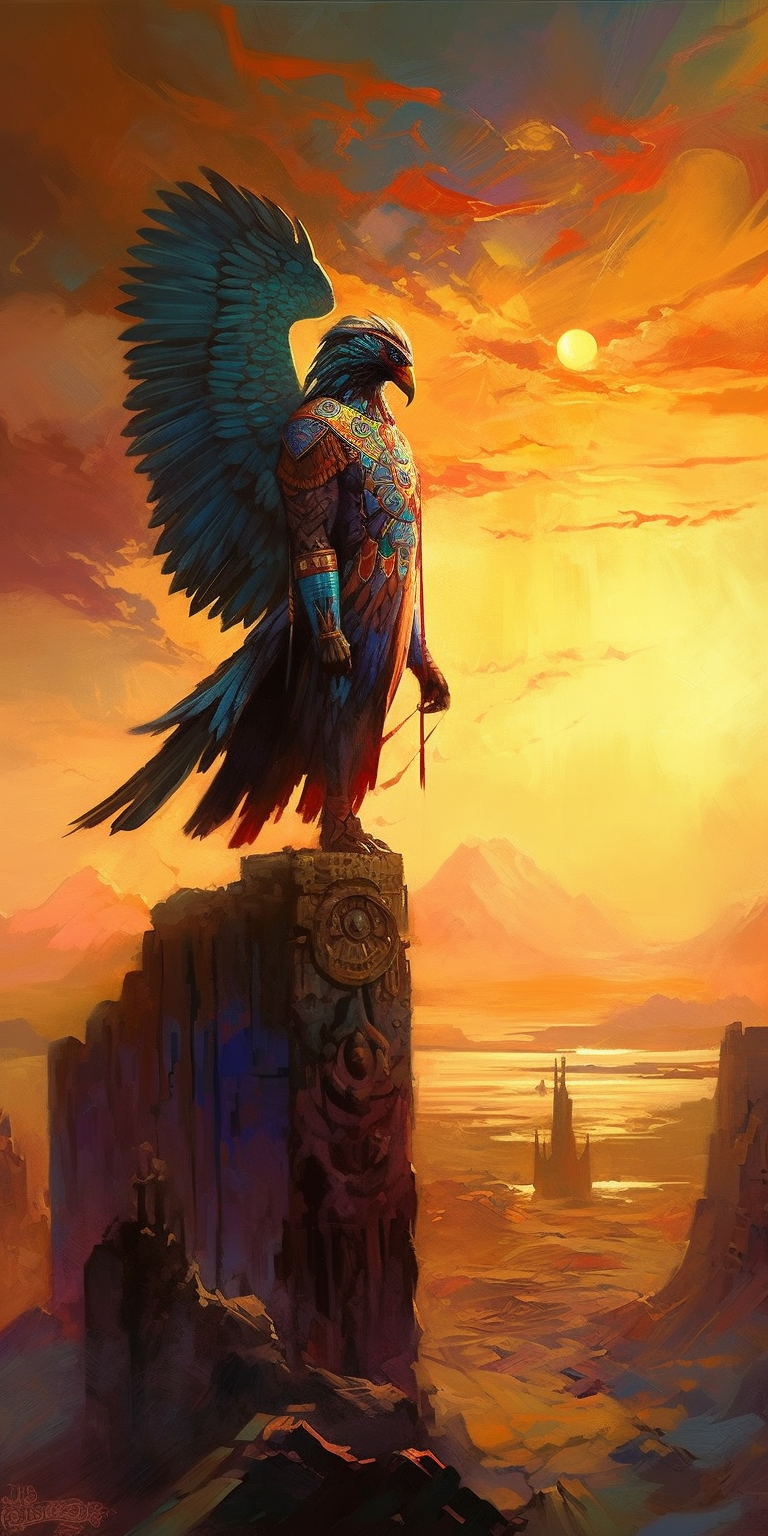
Ra
Solar creator whose daily course continues through Duat during the night before renewed dawn.
Sun · Creation · KingshipKhepri
Scarab-associated solar power of becoming, emergence and continual renewal.
Rising Sun · Renewal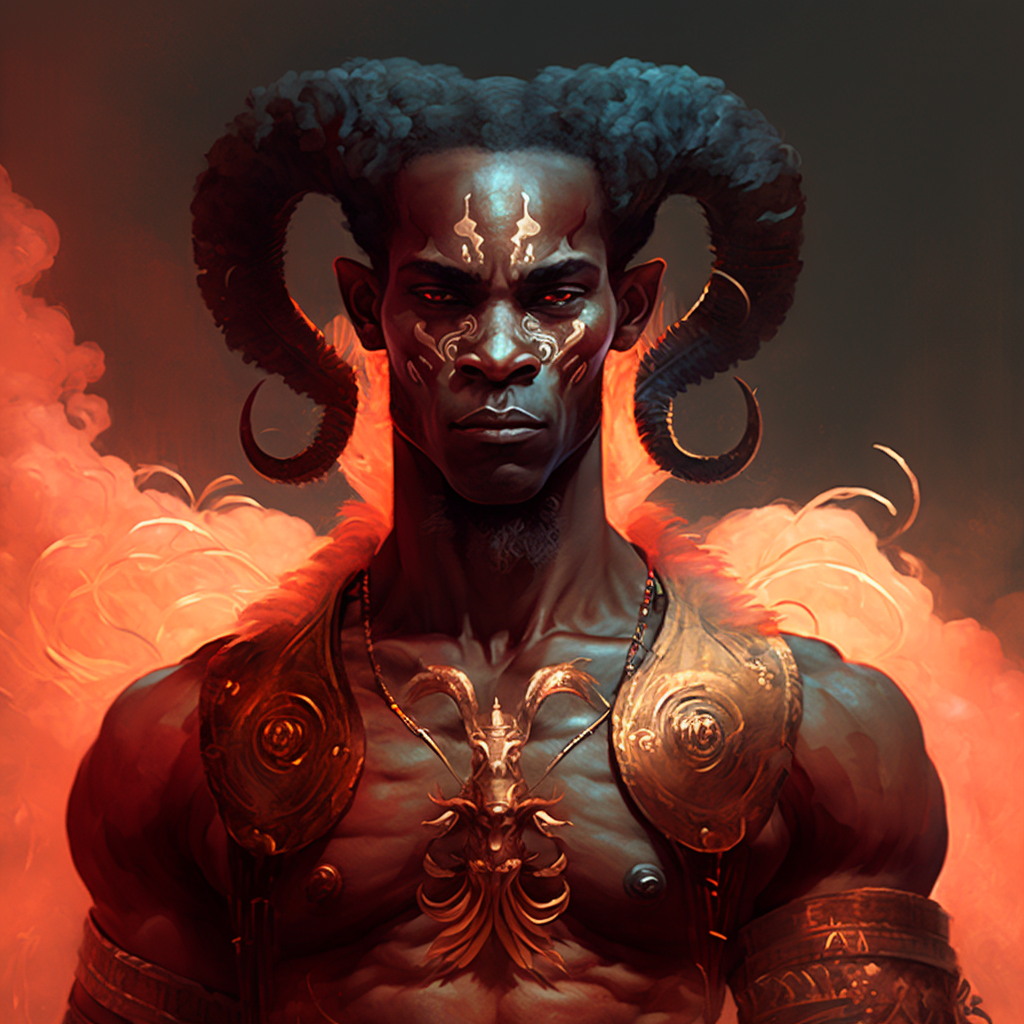
Amun / Amun-Ra
The Hidden One of Thebes, joined with Ra as Amun-Ra without erasing Ra’s other identities.
Creation · Kingship · Thebes
Ptah
Memphite creator and patron of craftsmen, builders, artists and ordered form.
Creation · Craft · Memphis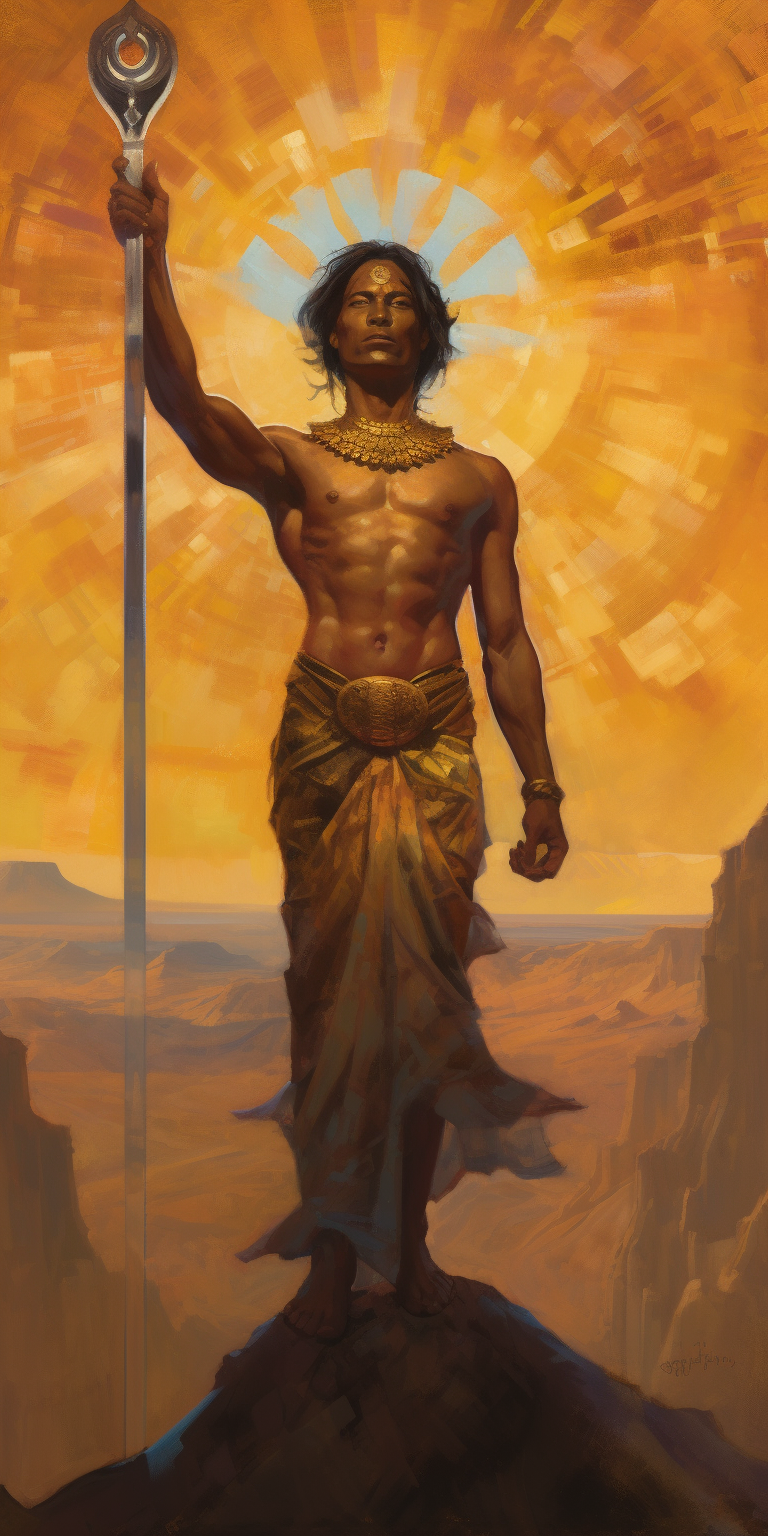
Shu
God of air who separates Geb and Nut and maintains the living space between earth and sky.
Air · Separation · Life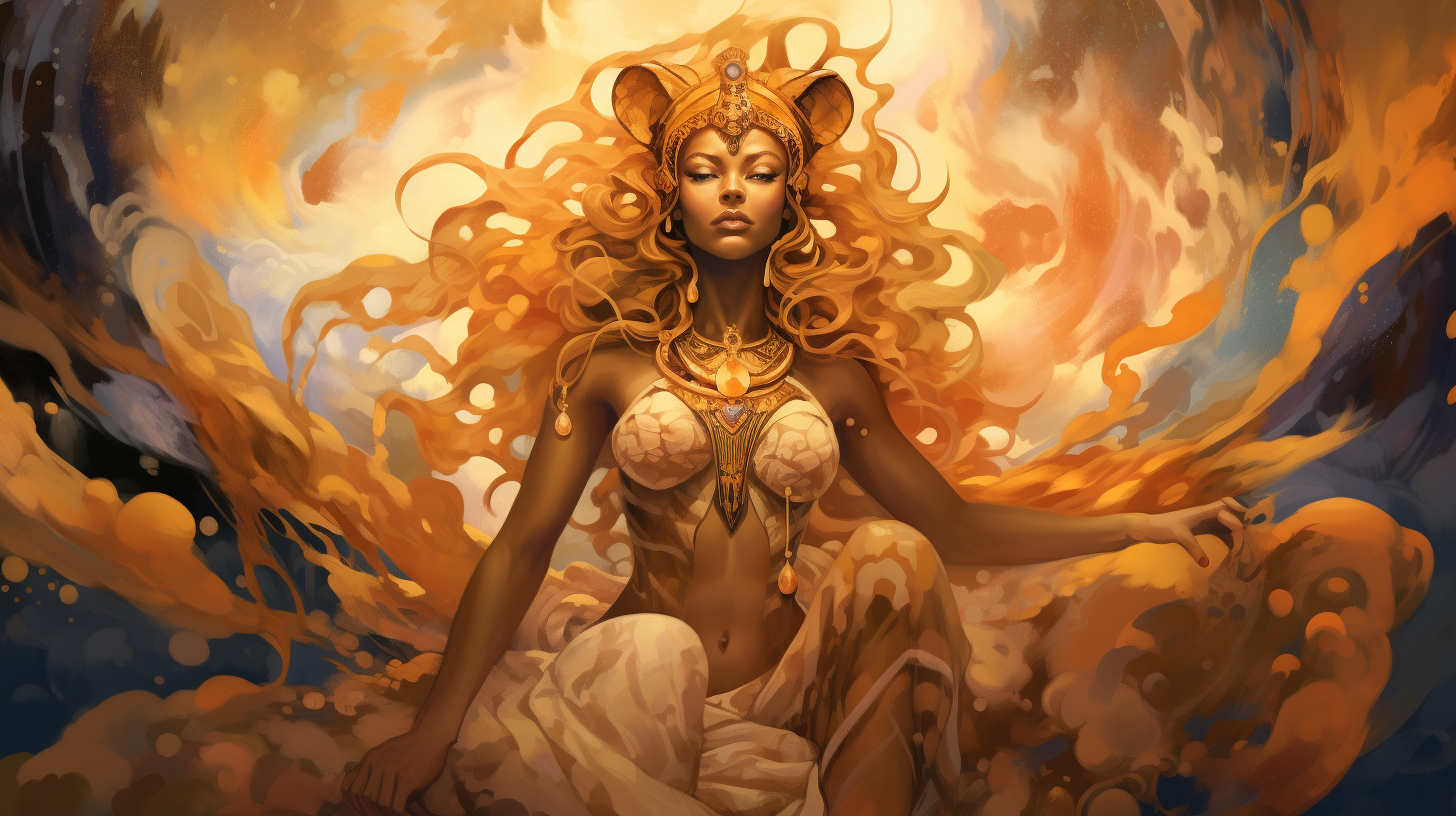
Tefnut
Goddess of moisture and life-giving wetness, paired with Shu in the earliest generation of the Heliopolitan divine family.
Moisture · Rain · Life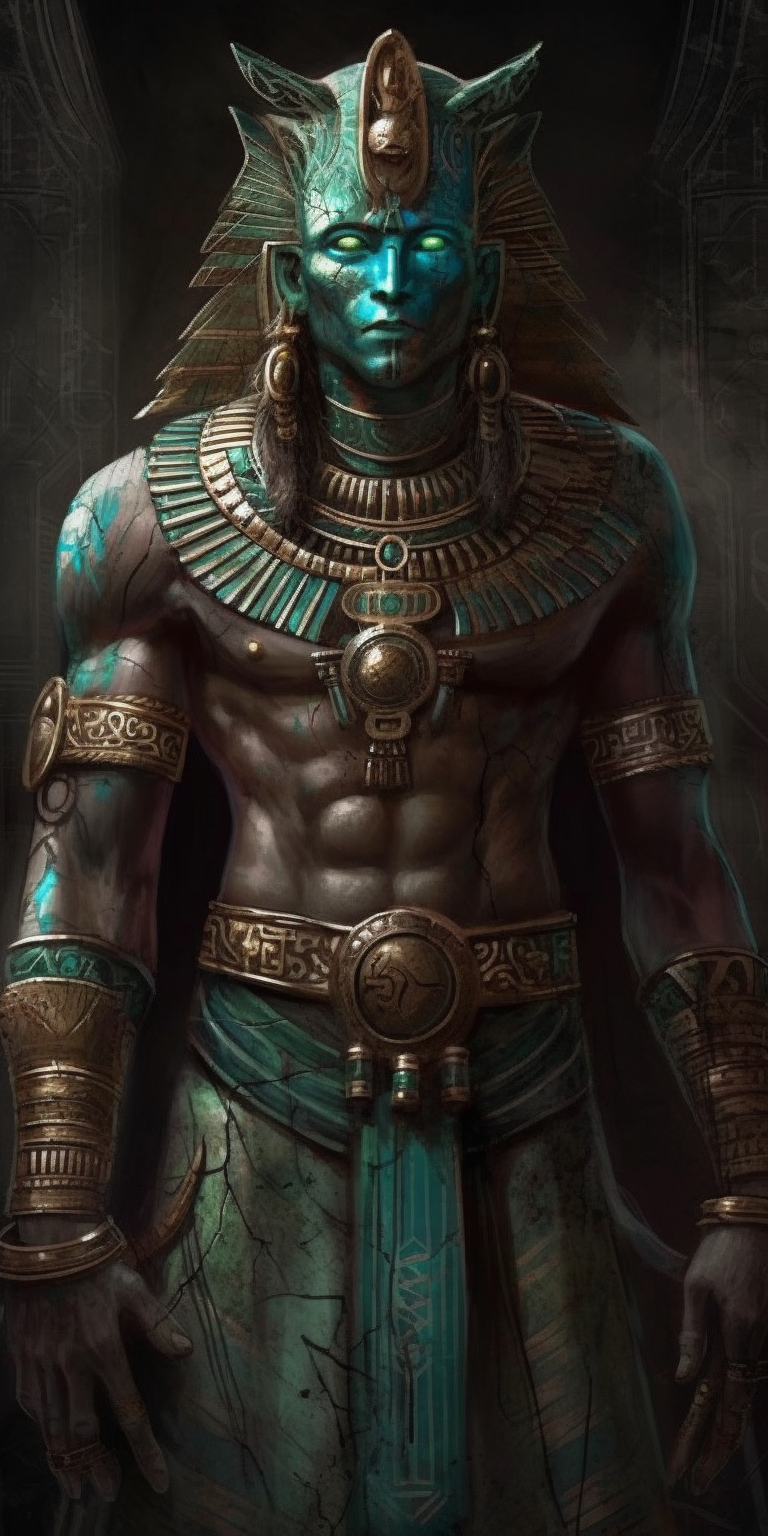
Geb
God of the living earth, partner of Nut and father of Osiris, Isis, Set and Nephthys.
Earth · Fertility · Kingship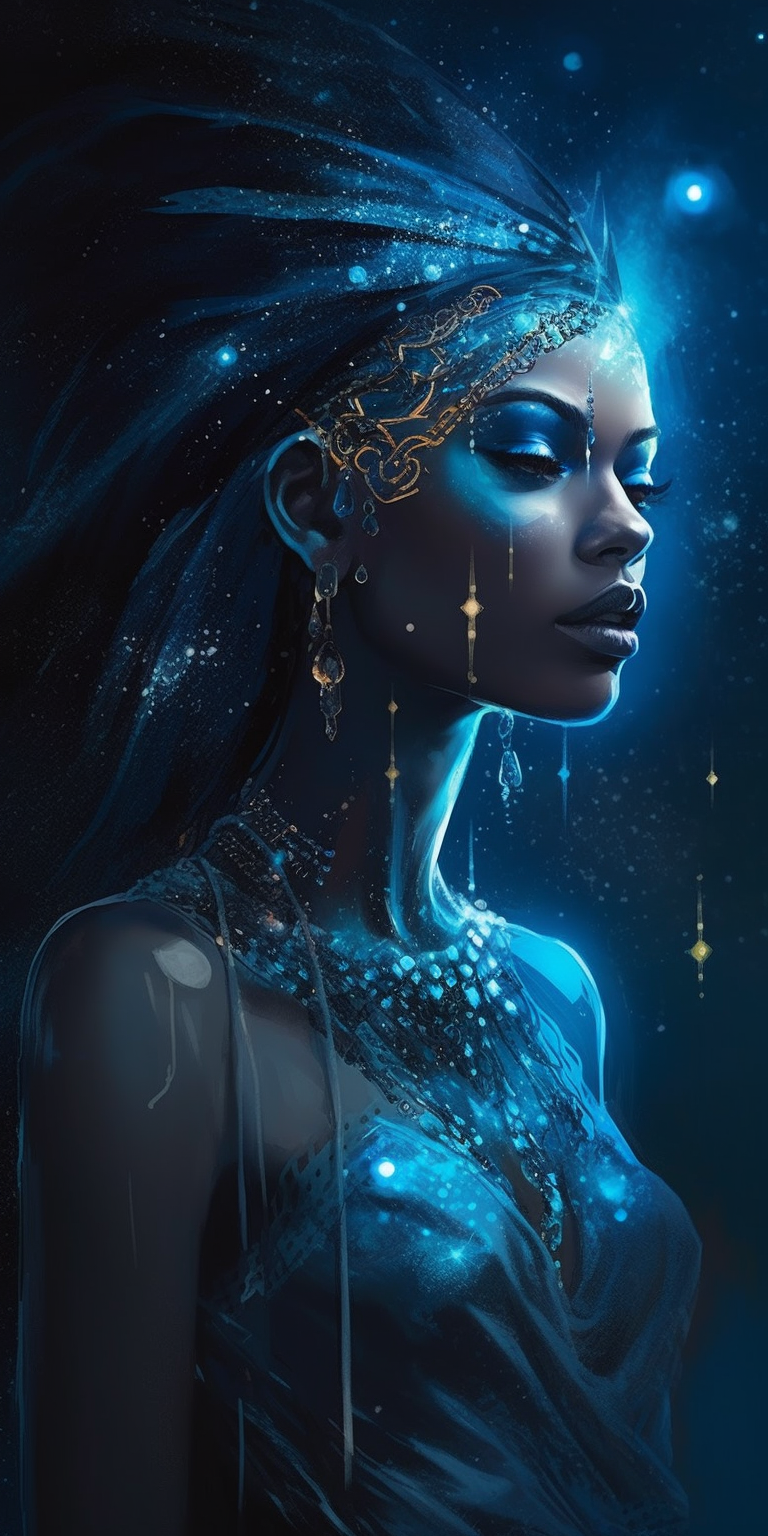
Nut
Goddess of the sky whose body encloses the ordered world and participates in the daily cycle of solar death and rebirth.
Sky · Stars · Cosmic Cycle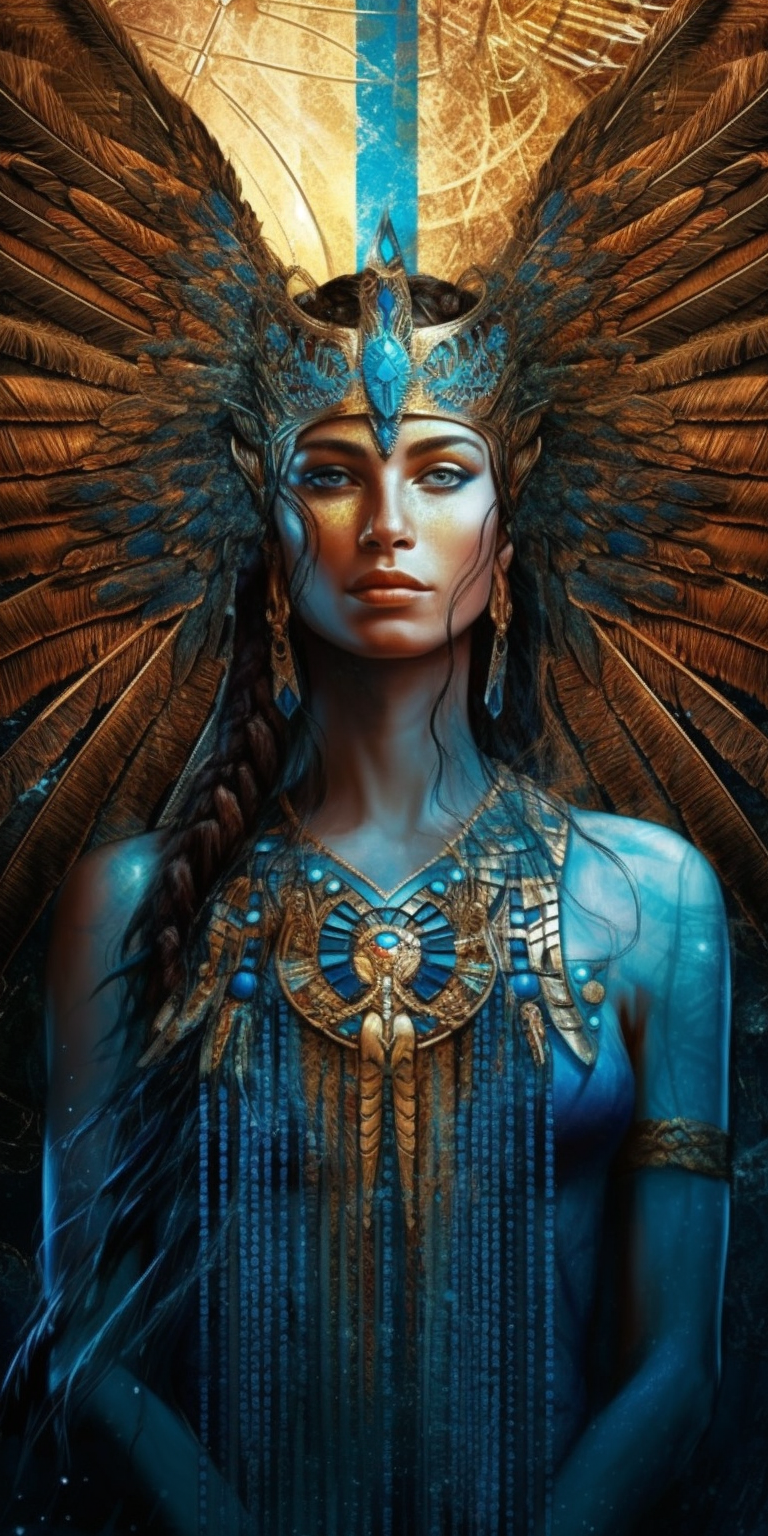
Ma’at
Goddess and cosmic principle of truth, justice, balance and rightful order.
Truth · Justice · Balance · Order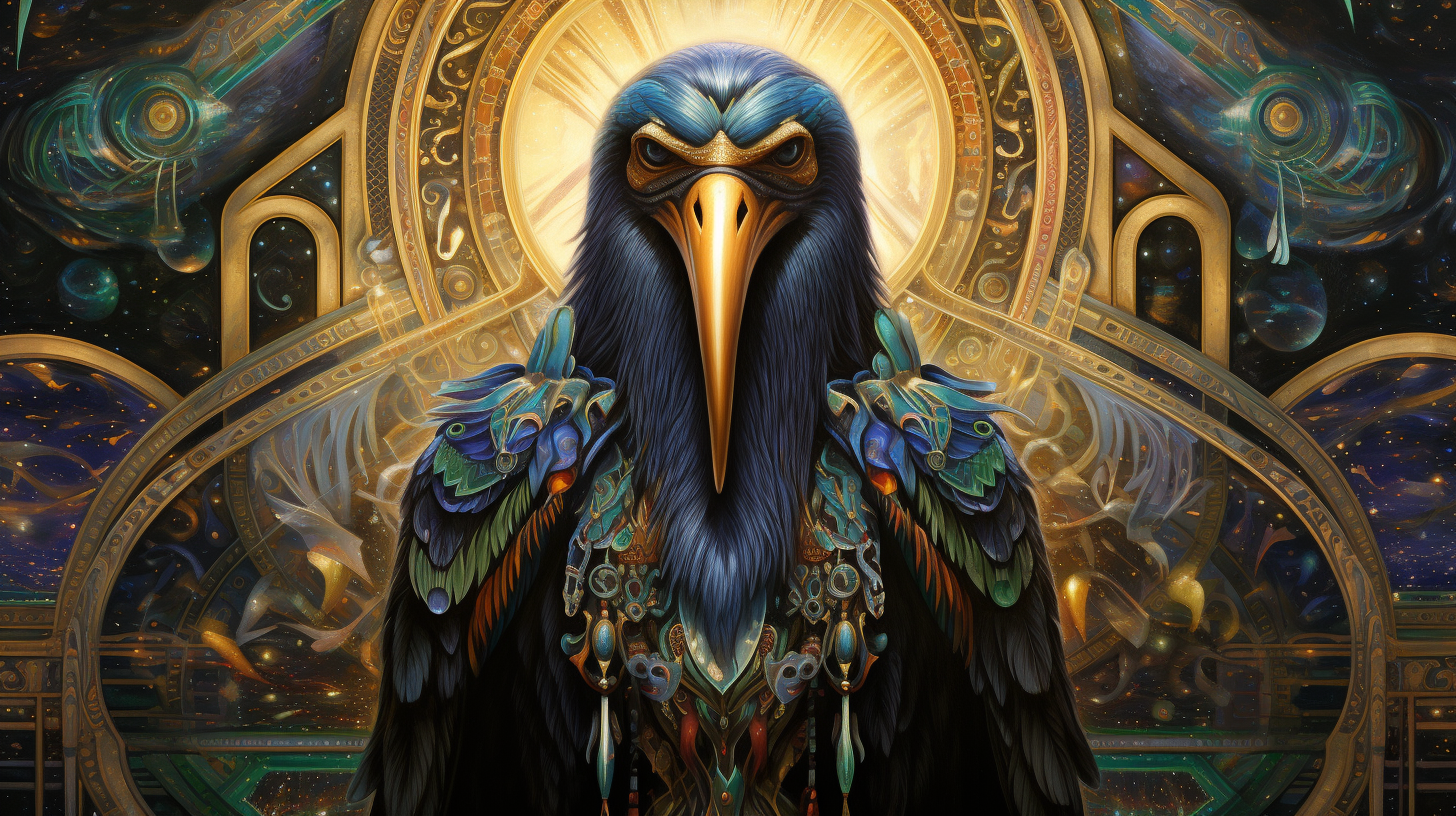
Thoth
God of sacred writing, wisdom, calculation, measurement and divine record.
Wisdom · Writing · Moon · RecordAten
The solar disk elevated under Akhenaten. Its historical ascendancy never makes the older gods cease to exist.
Solar Disk · Royal TheologyOsiris and the Western Lands
Death · Restoration · Judgment · Funerary Passage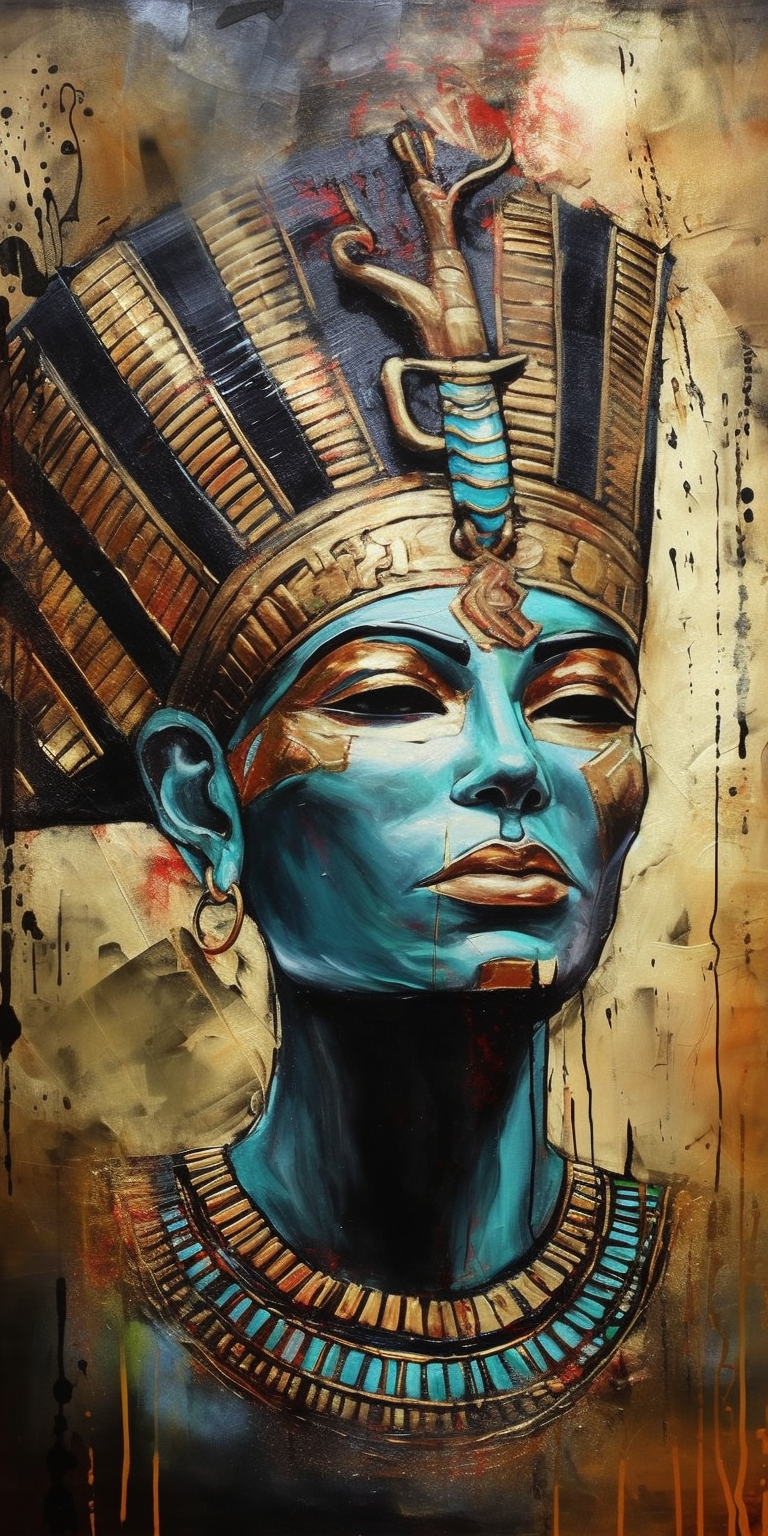
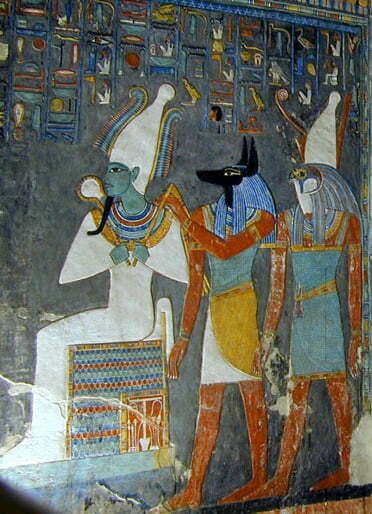
Osiris
Slain and restored king who becomes sovereign of the ordered dead and presiding power of judgment.
Afterlife · Restoration · Judgment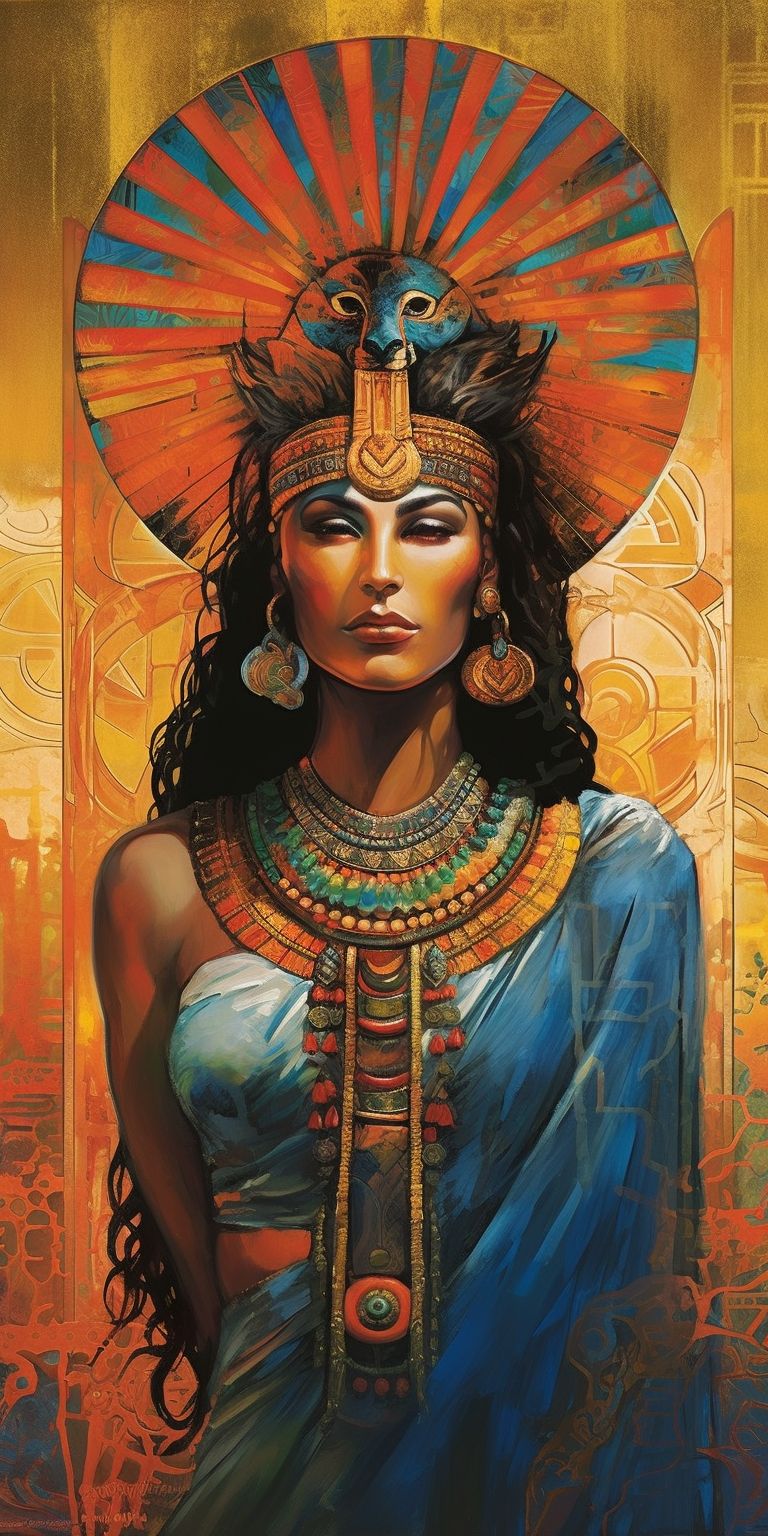
Isis
Great magician, mother and protector who restores Osiris and protects Horus.
Magic · Motherhood · Protection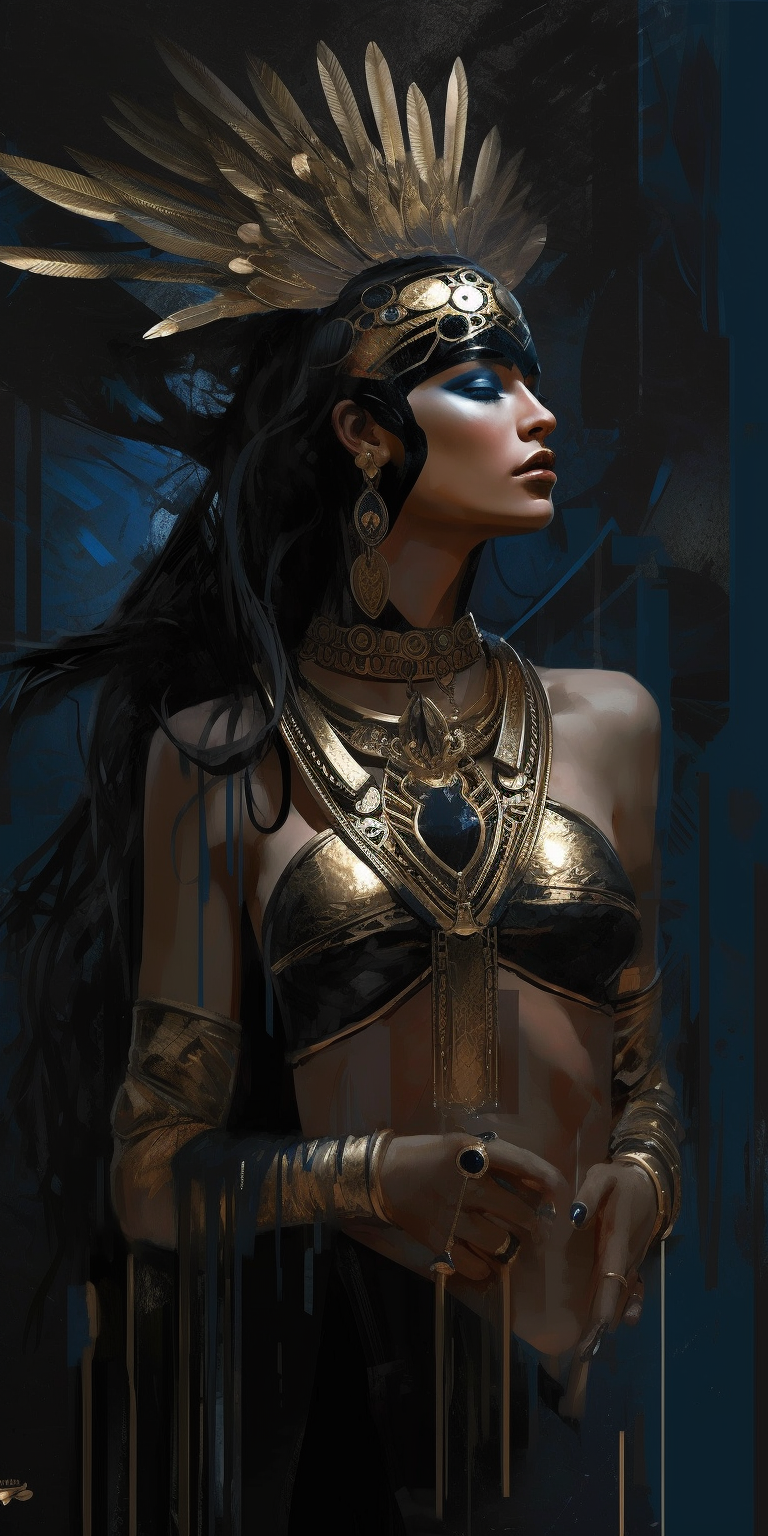
Nephthys
Sister of Isis and protective goddess of mourning, burial and the vulnerable dead.
Mourning · Funerary Rite · Protection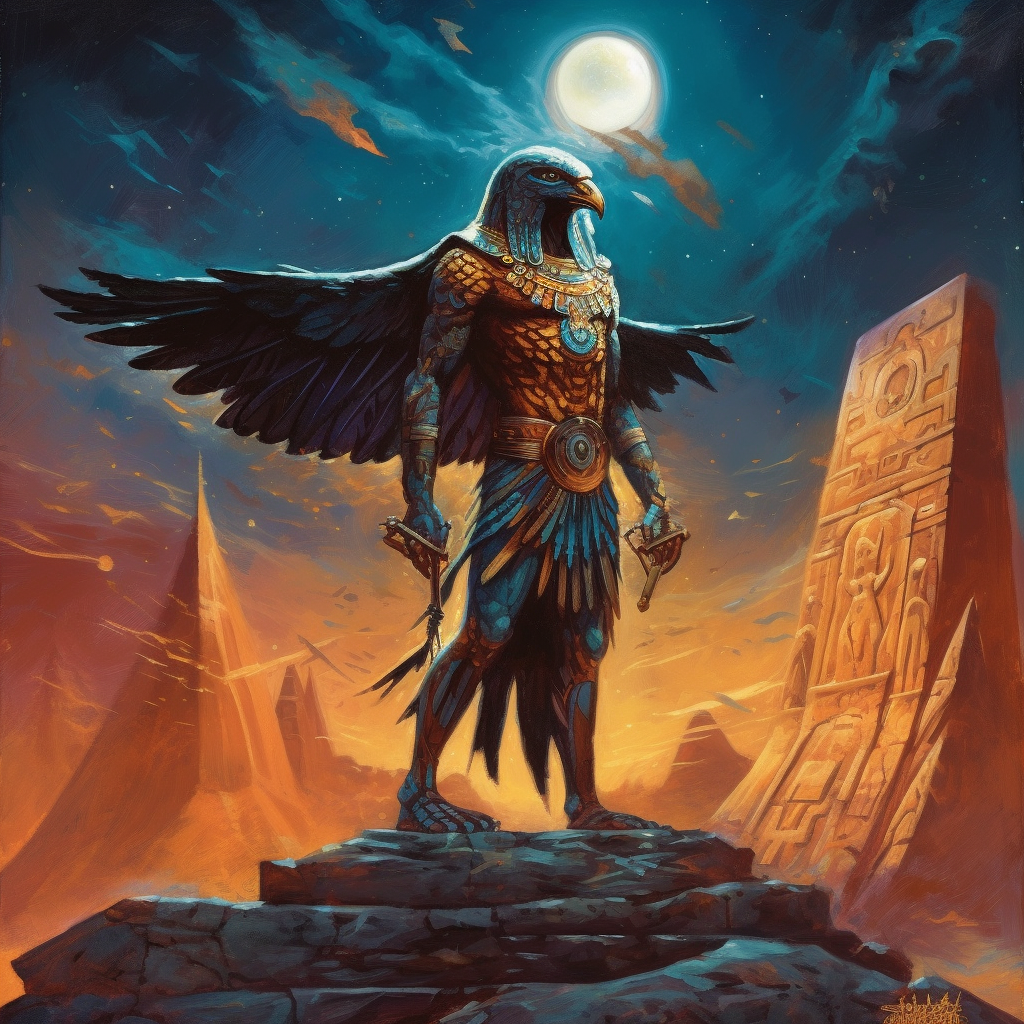
Horus
Falcon god of sky and royal authority, heir of Osiris and divine model of living kingship.
Sky · Kingship · Protection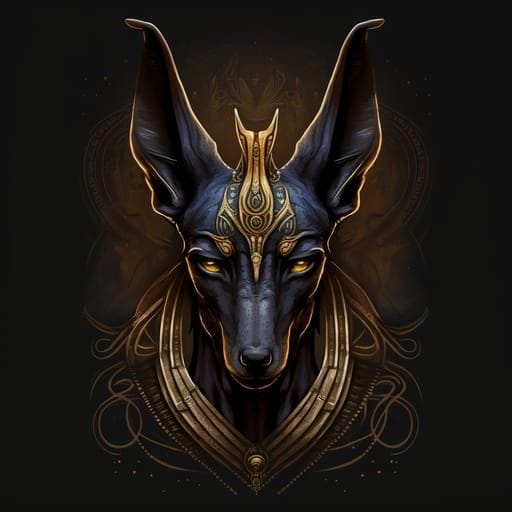
Anubis
Lord of embalming, guardian of the necropolis and guide of the dead who attends the weighing of the heart.
Embalming · Necropolis · Guidance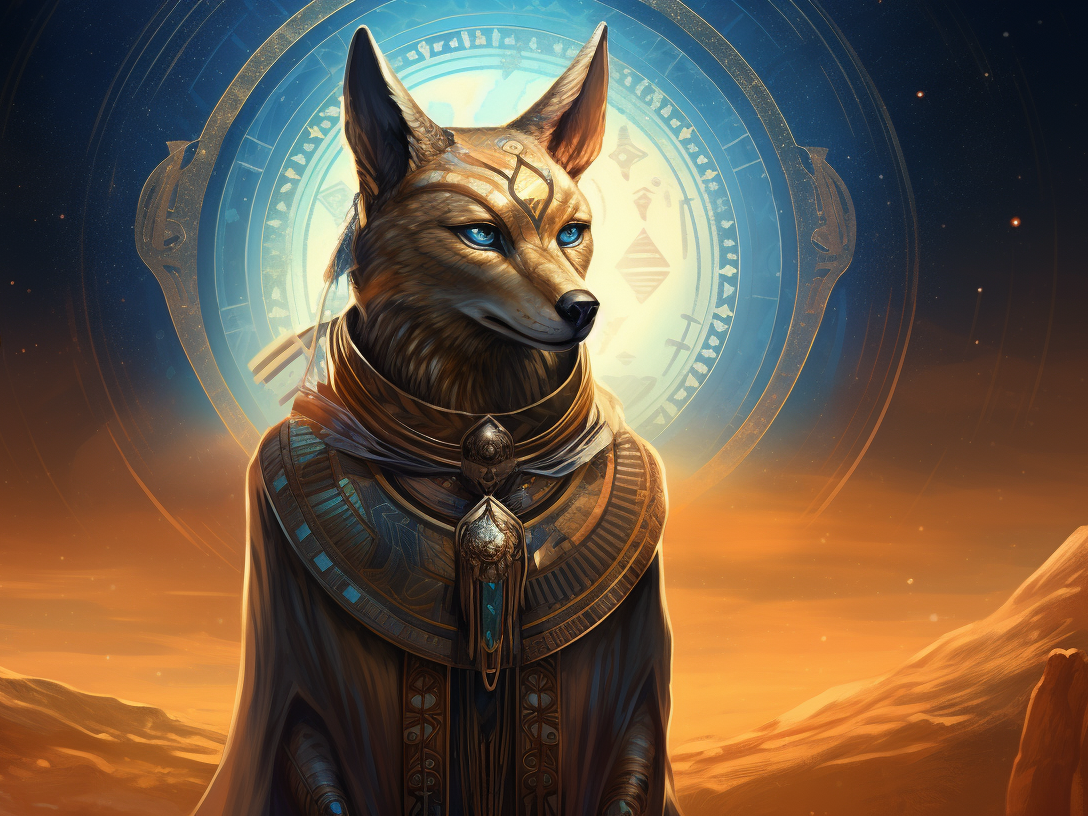
Wepwawet
The Opener of the Ways, clearing sacred routes for gods, kings, armies and the dead.
Opening Ways · Procession · Dead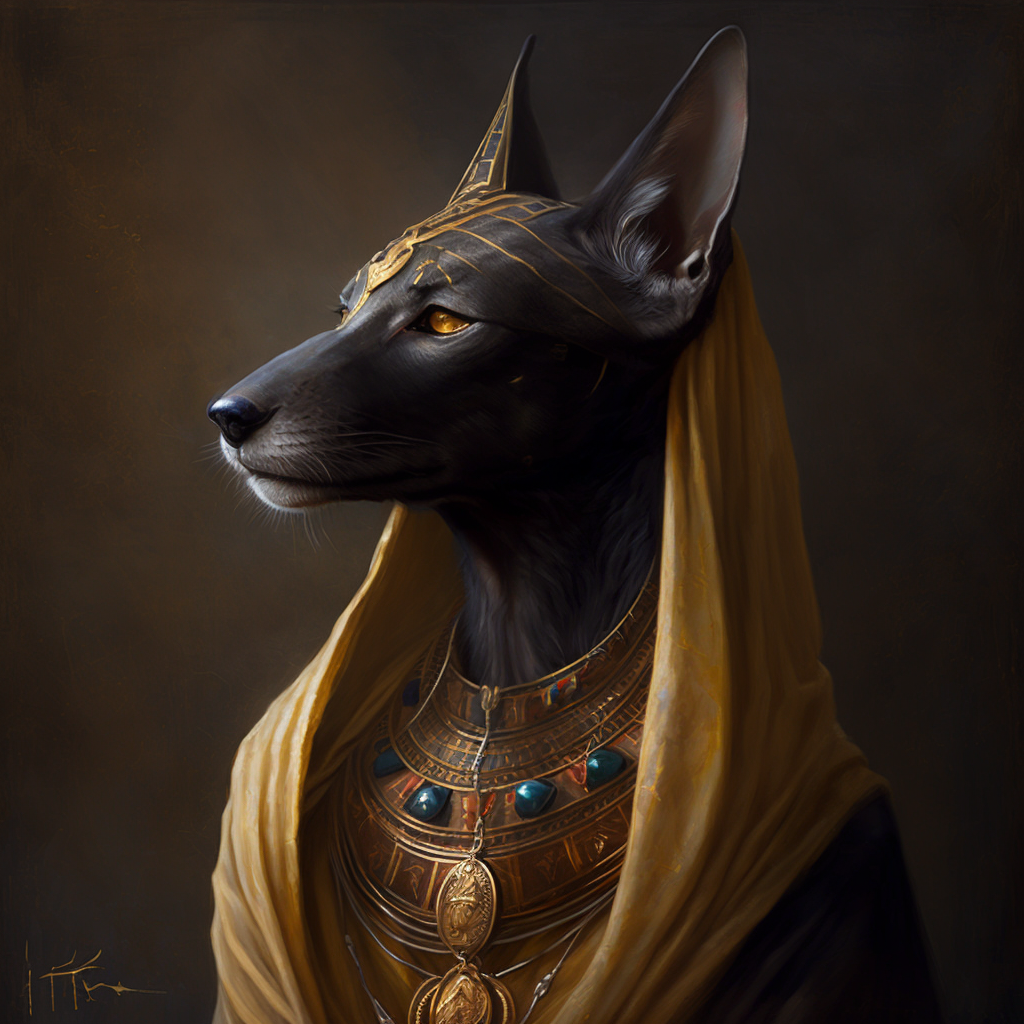
Khentiamentiu
Ancient Abydene funerary god whose titles and identity became deeply absorbed into the expanding Osirian tradition.
Abydos · Dead · Ancient Funerary PowerSokar
Ancient Memphite funerary power associated with burial, sacred passage and transformation.
Memphis · Necropolis · Funerary Passage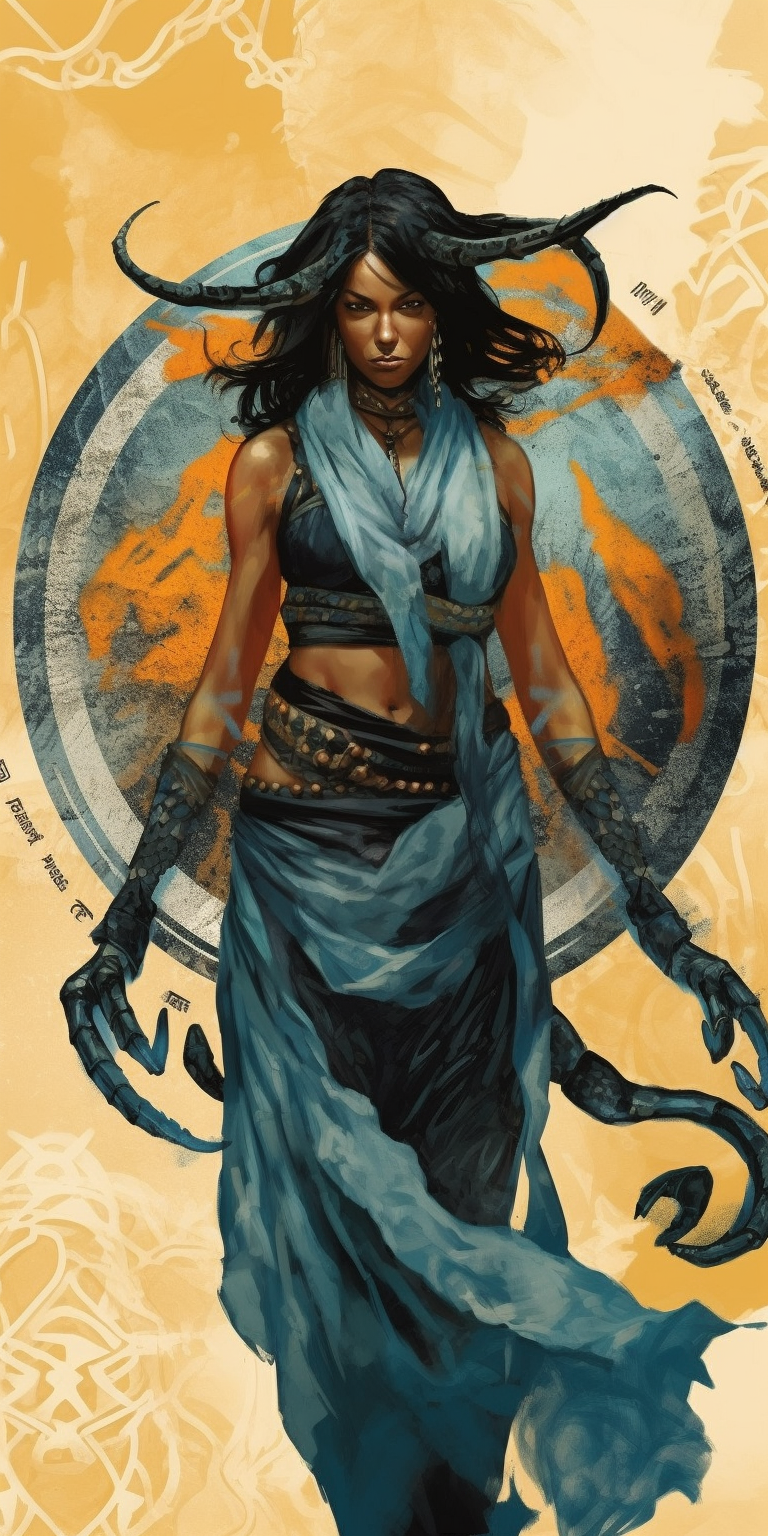
Serket
Scorpion goddess whose dangerous power protects against venom and guards the dead.
Scorpions · Healing · ProtectionRoyal, Martial and Protective Gods
Kingship · War · Household · Healing · Defence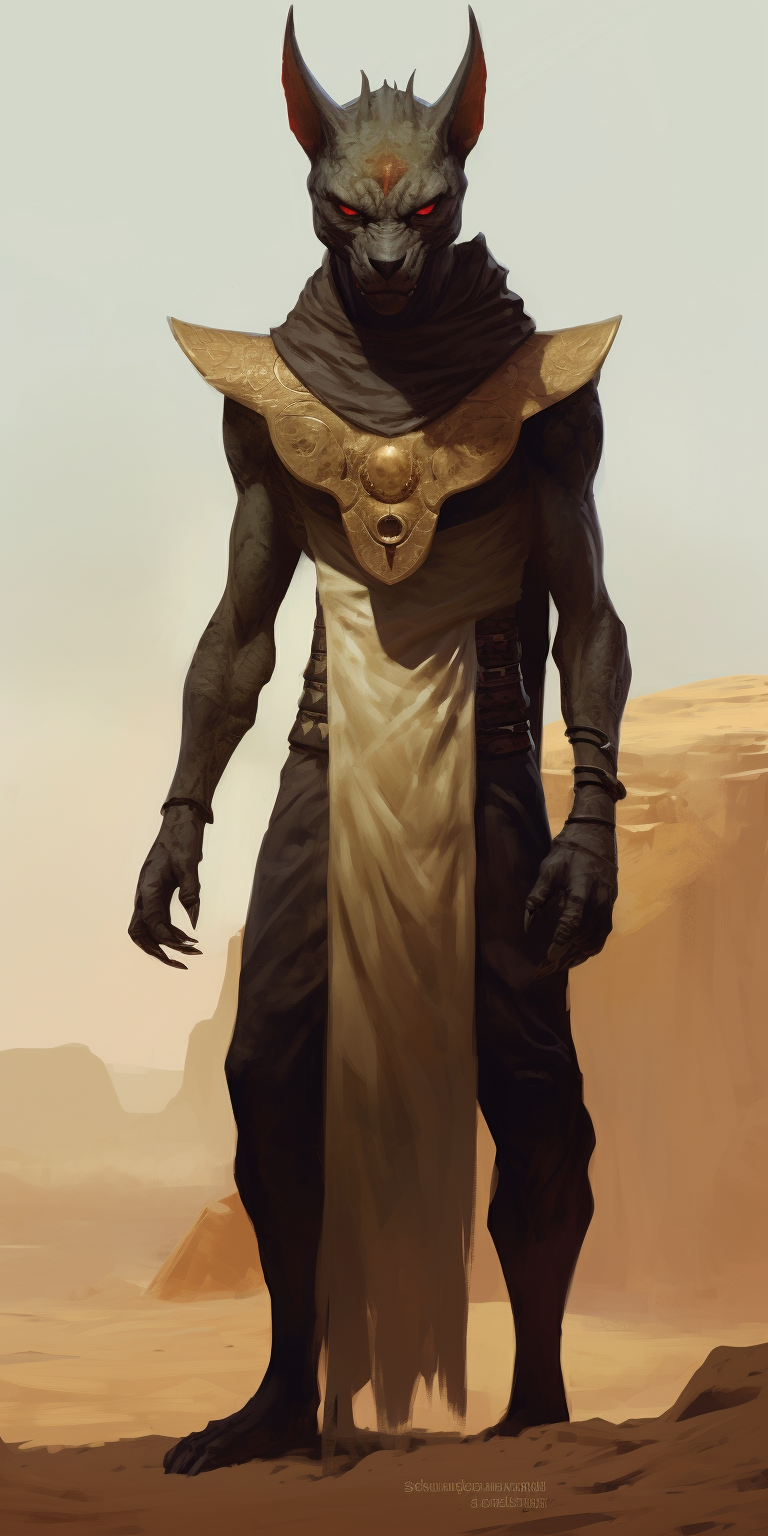
Set
God of desert, storms, violence, foreign lands and dangerous strength; rival of Horus and murderer of Osiris, yet also a defender of the solar road against Apep.
Desert · Storm · Violence · Strength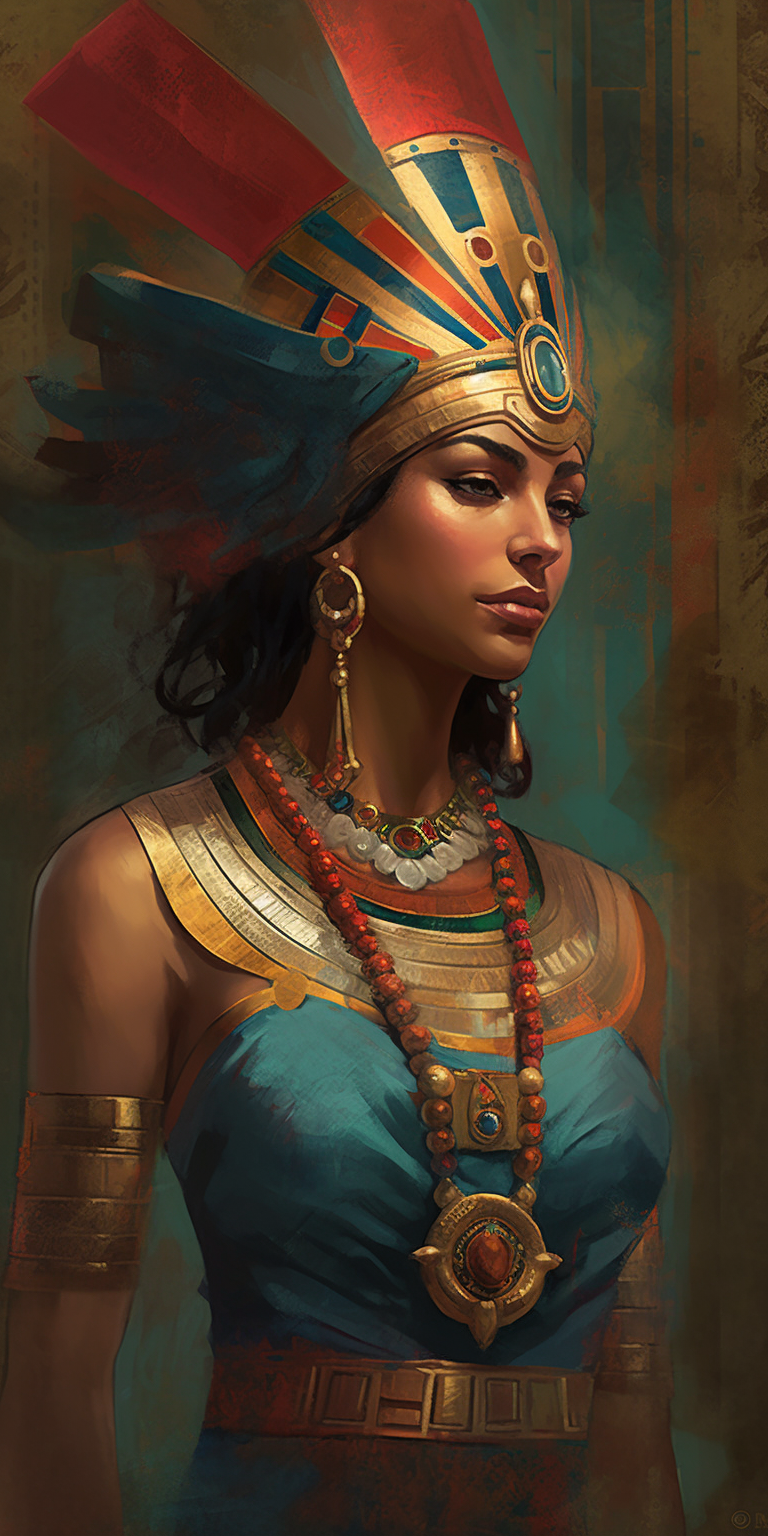
Neith
Ancient goddess of creation, warfare, hunting, weaving and protective authority.
Creation · War · Weaving · Sais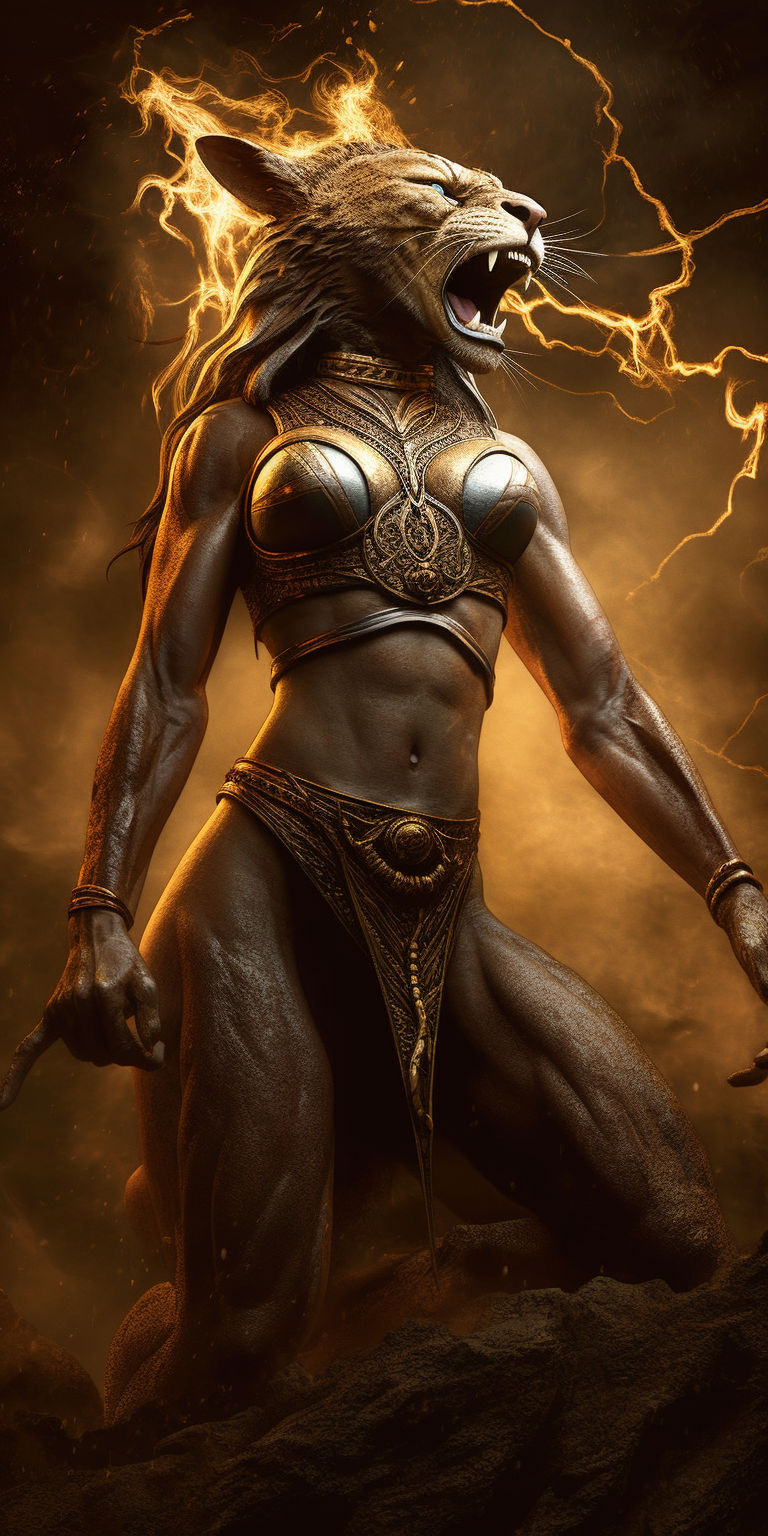
Sekhmet
Lioness goddess of devastating solar power, warfare, epidemic danger and healing.
Solar Wrath · War · Healing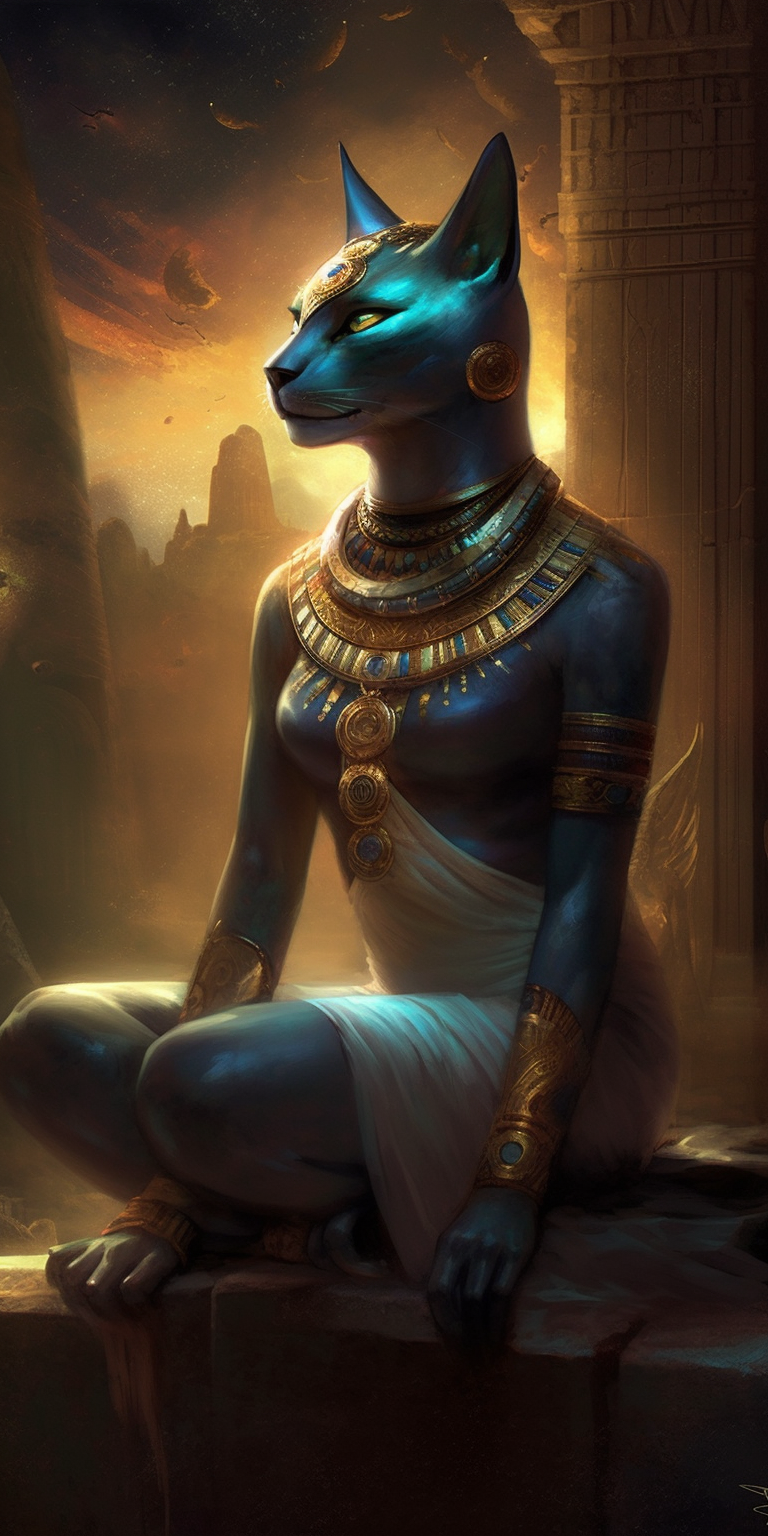
Bast
Feline goddess of protection, household wellbeing, music, fertility and divine guardianship.
Protection · Home · Music · Feline Power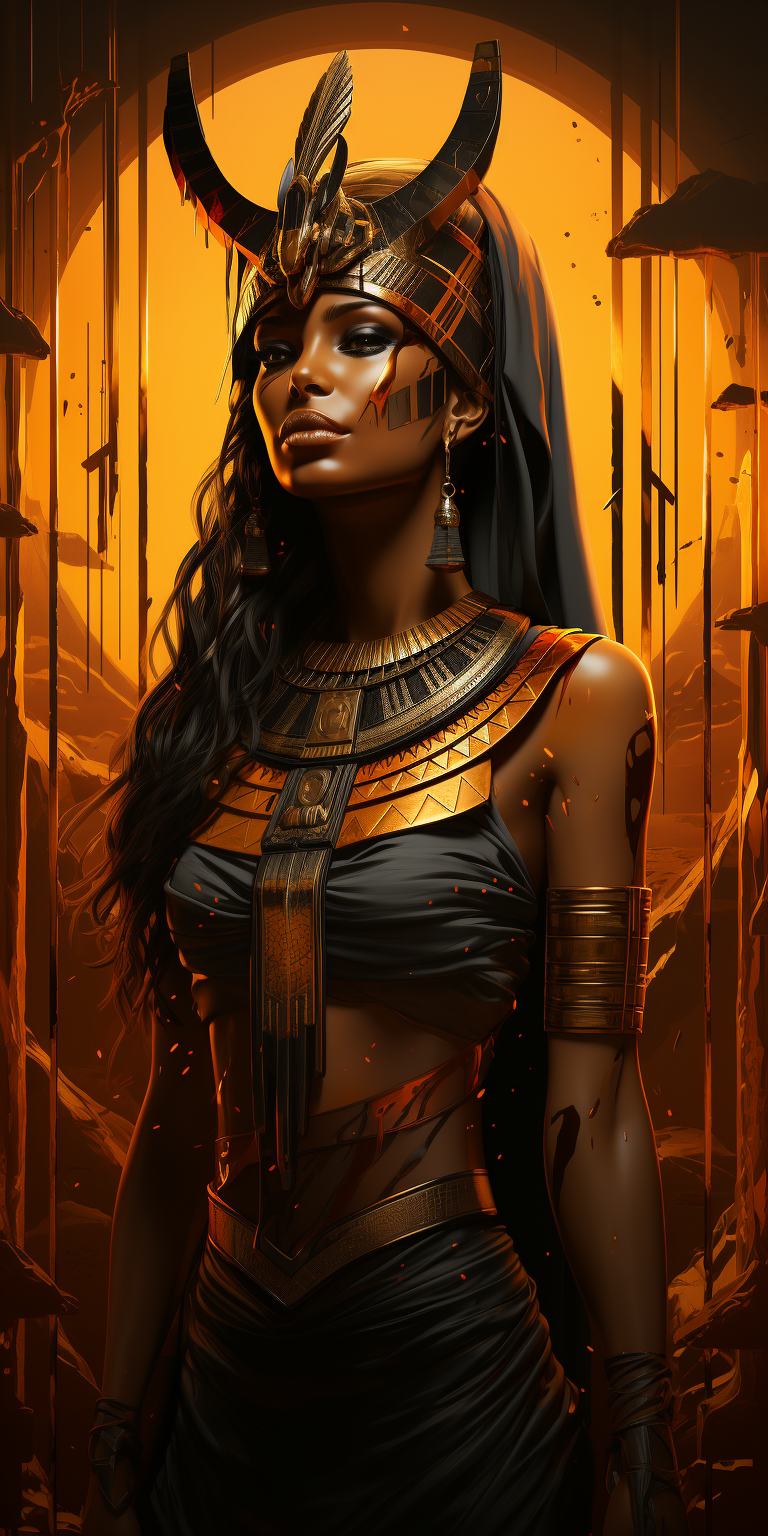
Hathor
Great goddess of joy, music, love, motherhood, the sky and western horizon.
Joy · Music · Love · Motherhood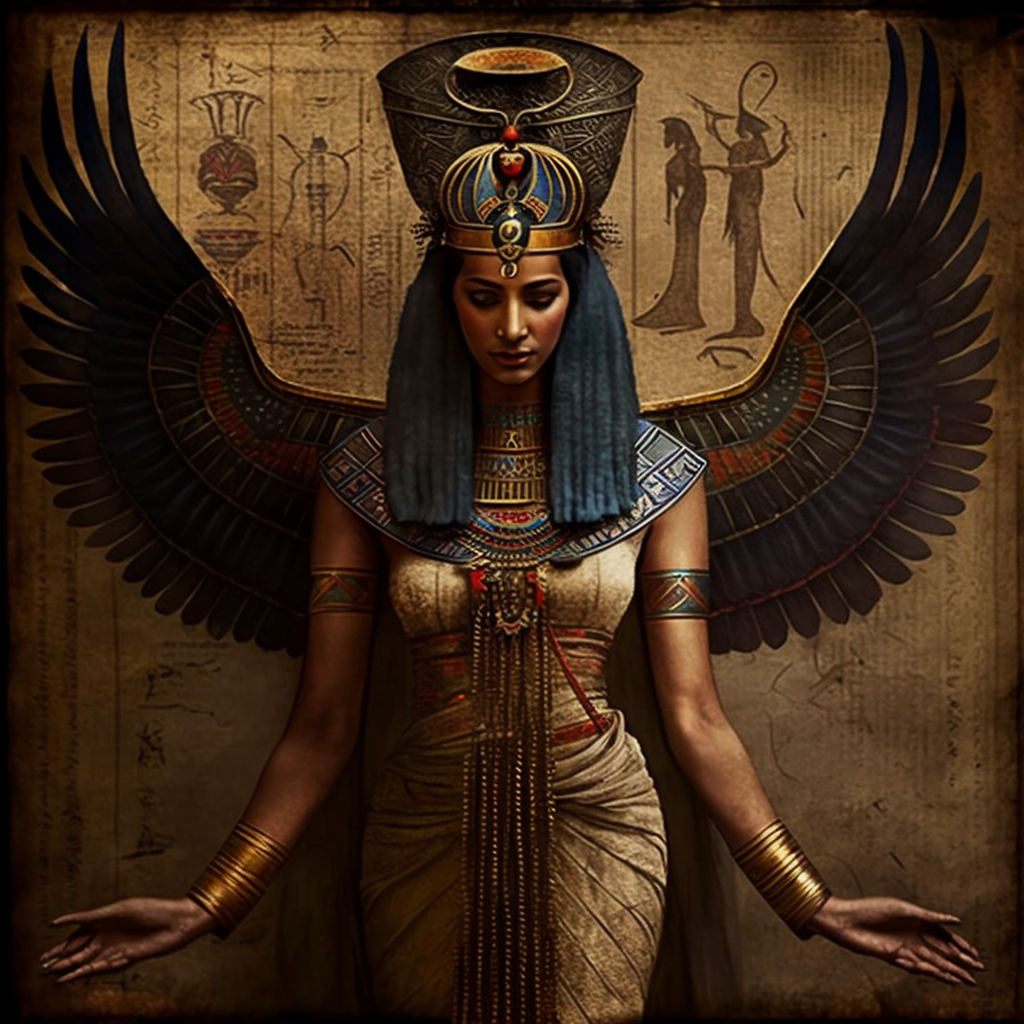
Mut
Great Theban mother and queenly goddess, consort of Amun and mother of Khonsu.
Motherhood · Queenship · Thebes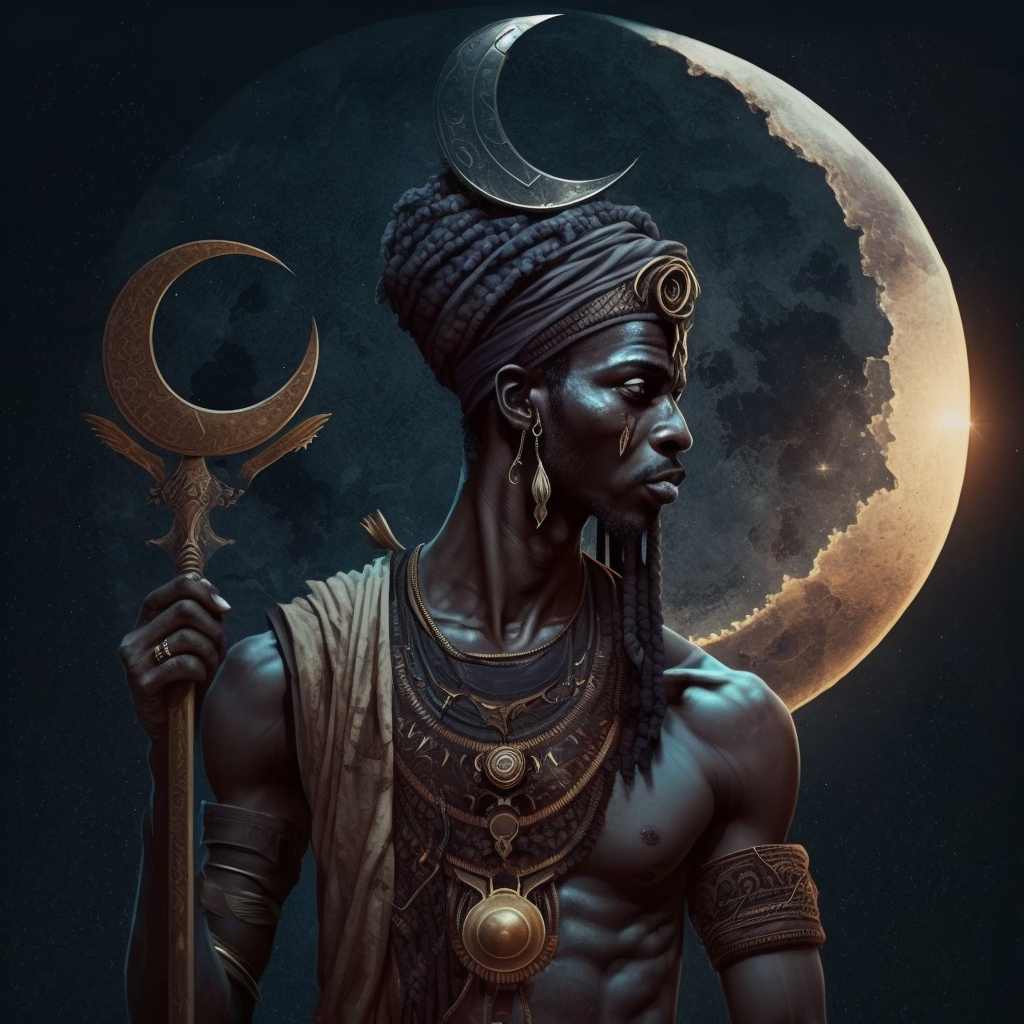
Khonsu
Lunar god of time, travel and healing, son of Amun and Mut in the Theban triad.
Moon · Time · Healing · ThebesMontu
Theban god of martial strength and solar ferocity, associated with royal victory.
War · Sun · Thebes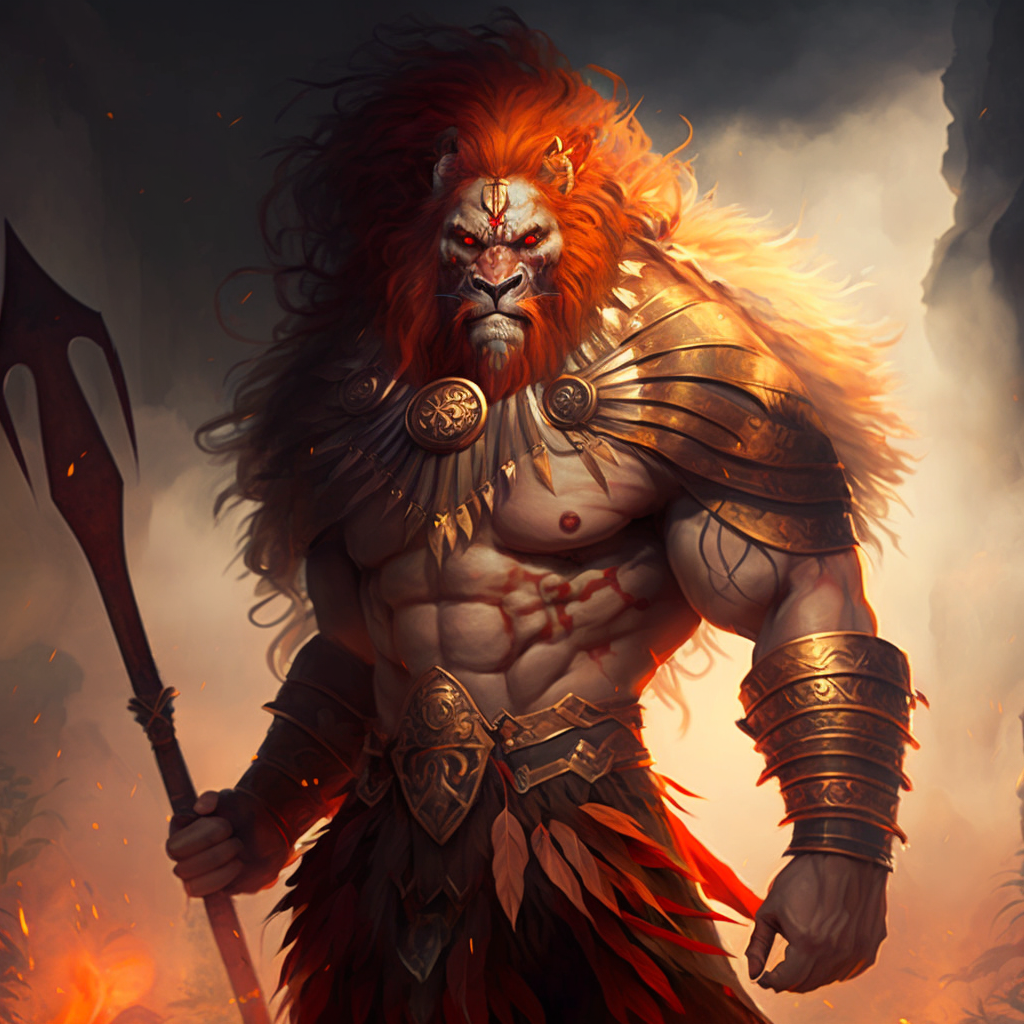
Anhur / Onuris
Warrior and hunter identified by his four-feather crown, associated with pursuit, victory and the defeat of dangerous enemies.
War · Hunting · Pursuit · Defence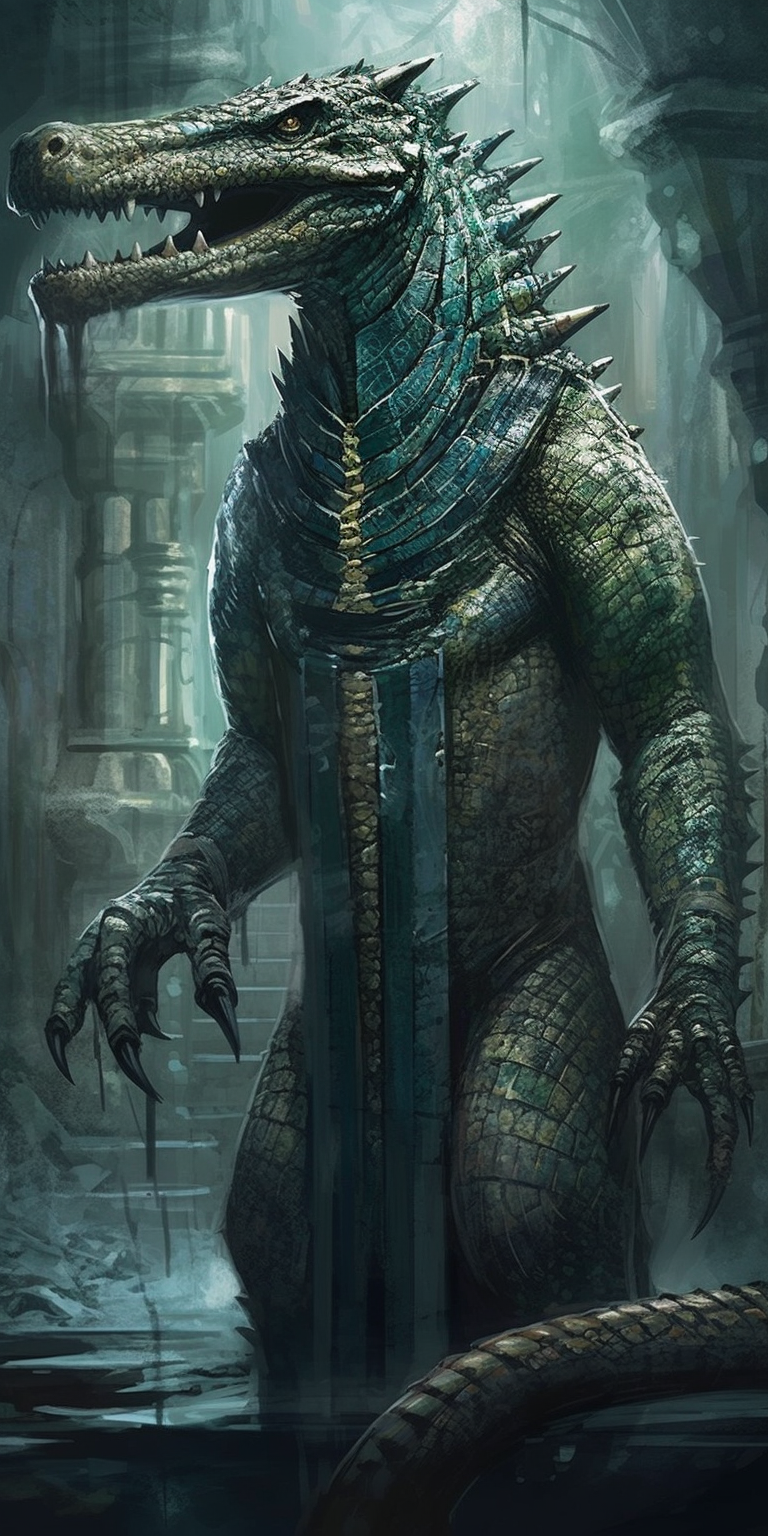
Sobek
Crocodile god of Nile power, fertility, physical strength and royal protection.
Crocodiles · Nile · Strength · KingshipWadjet
Cobra goddess and guardian of Lower Kemet, whose uraeus protects legitimate royal power.
Lower Kemet · Cobra · Royal ProtectionNekhbet
Vulture goddess and guardian of Upper Kemet, paired with Wadjet in the protection of kingship.
Upper Kemet · Vulture · Royal Protection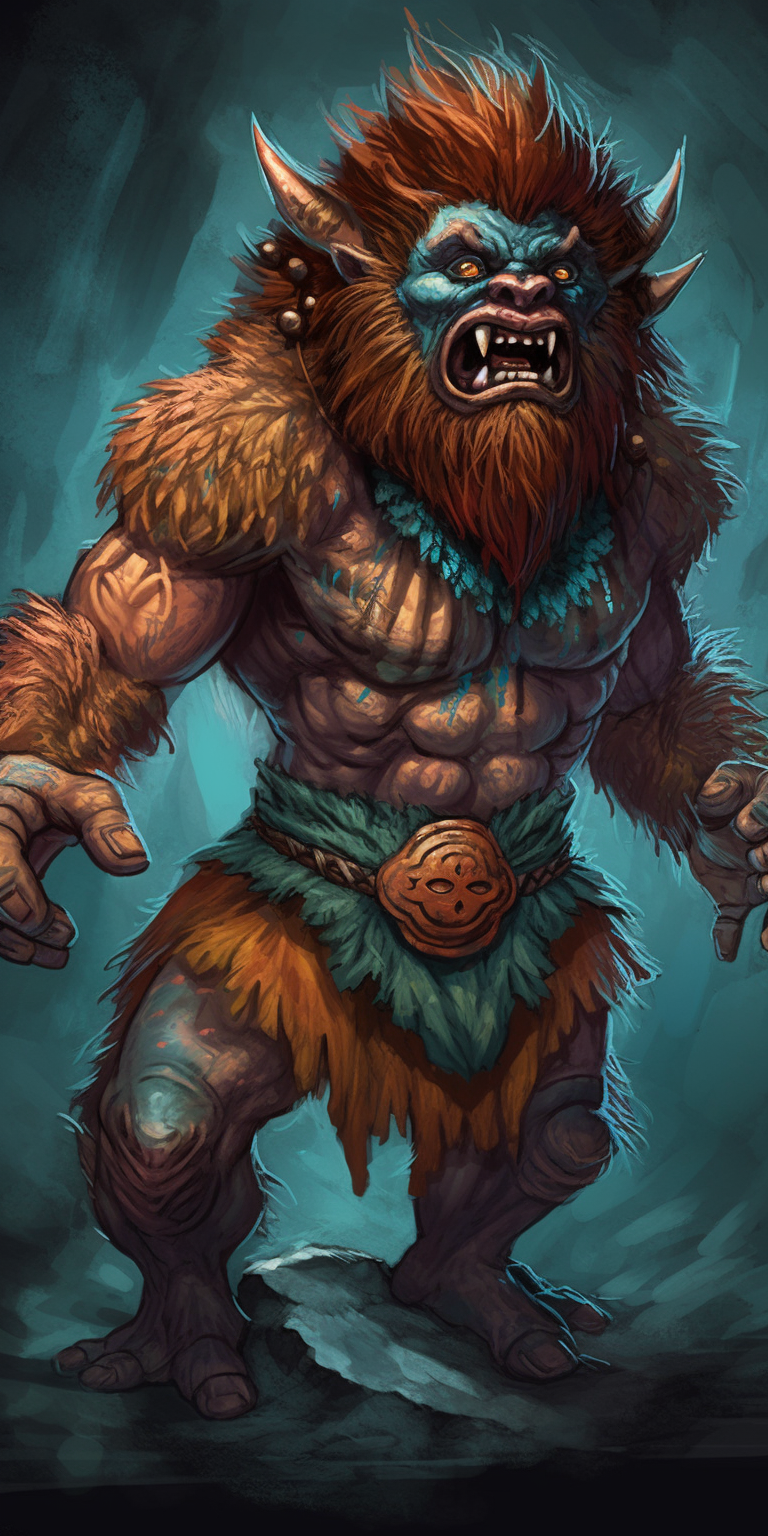
Bes
Protective household god invoked around childbirth, children, music and domestic danger.
Household · Childbirth · Warding · Music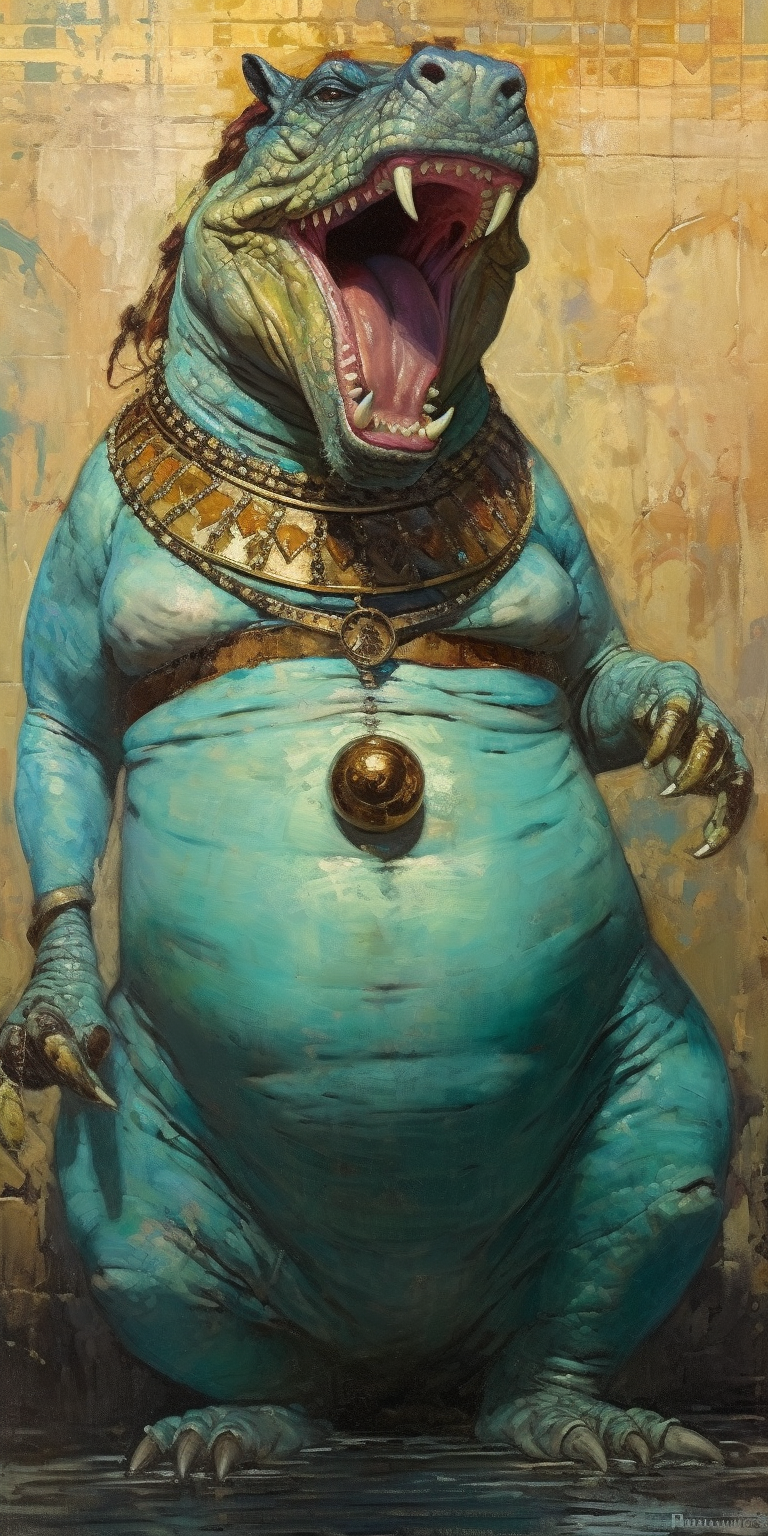
Tawaret
Hippopotamus-form guardian of pregnancy, childbirth and family life.
Childbirth · Household · ProtectionNile, Fertility, Knowledge and Celestial Powers
River · Abundance · Stars · Measurement · Medicine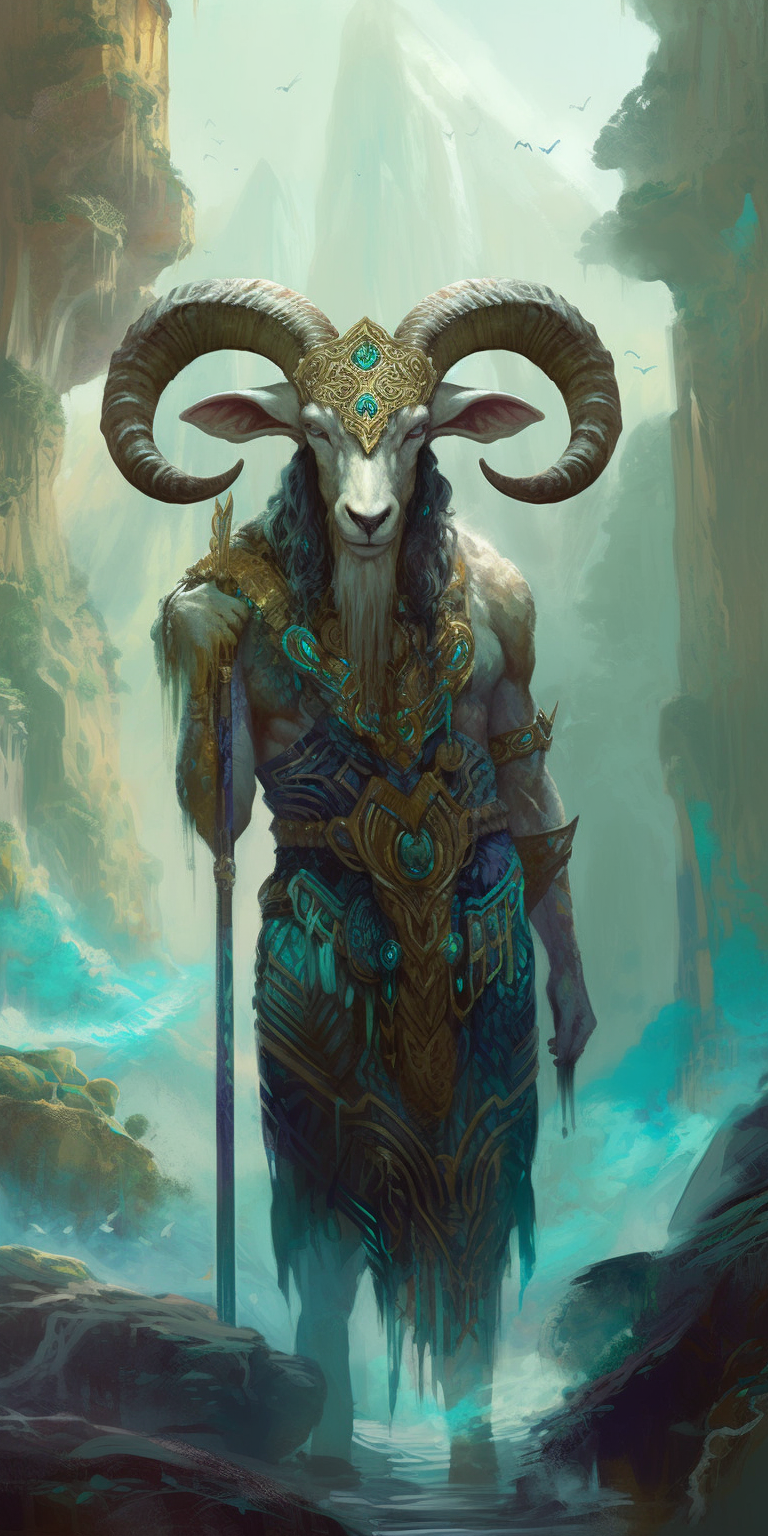
Khnum
Ram-headed creator associated with the Nile cataracts and the divine potter’s wheel.
Creation · Nile · CraftHapy
Divine personification of the Nile flood and the abundance carried by its waters.
Nile Inundation · Fertility · Abundance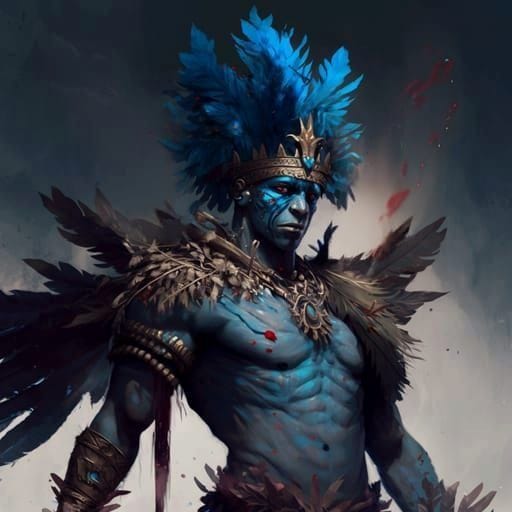
Min
Ancient god of fertility, sexual potency and agricultural abundance.
Fertility · Potency · Harvest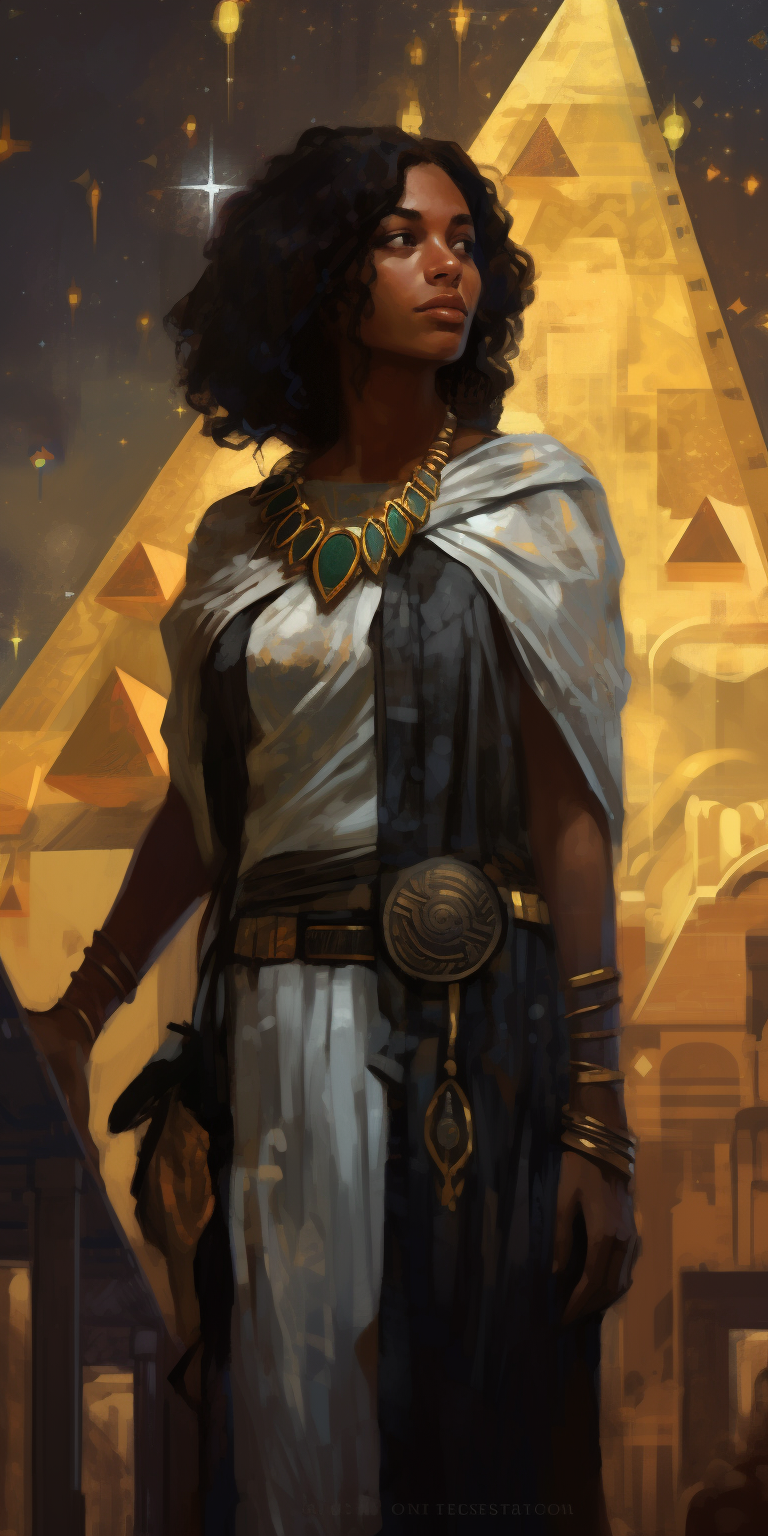
Sopdet / Sothis
Goddess of Sirius, whose heliacal rising became a great celestial sign of calendrical and Nile renewal.
Sirius · New Year · InundationSeshat
Goddess of recording, surveying, measurement and sacred architecture.
Writing · Measurement · ArchitectureNefertum
Lotus-associated god of fragrance, youth and renewal, linked with Ptah and Sekhmet.
Lotus · Fragrance · Renewal · Memphis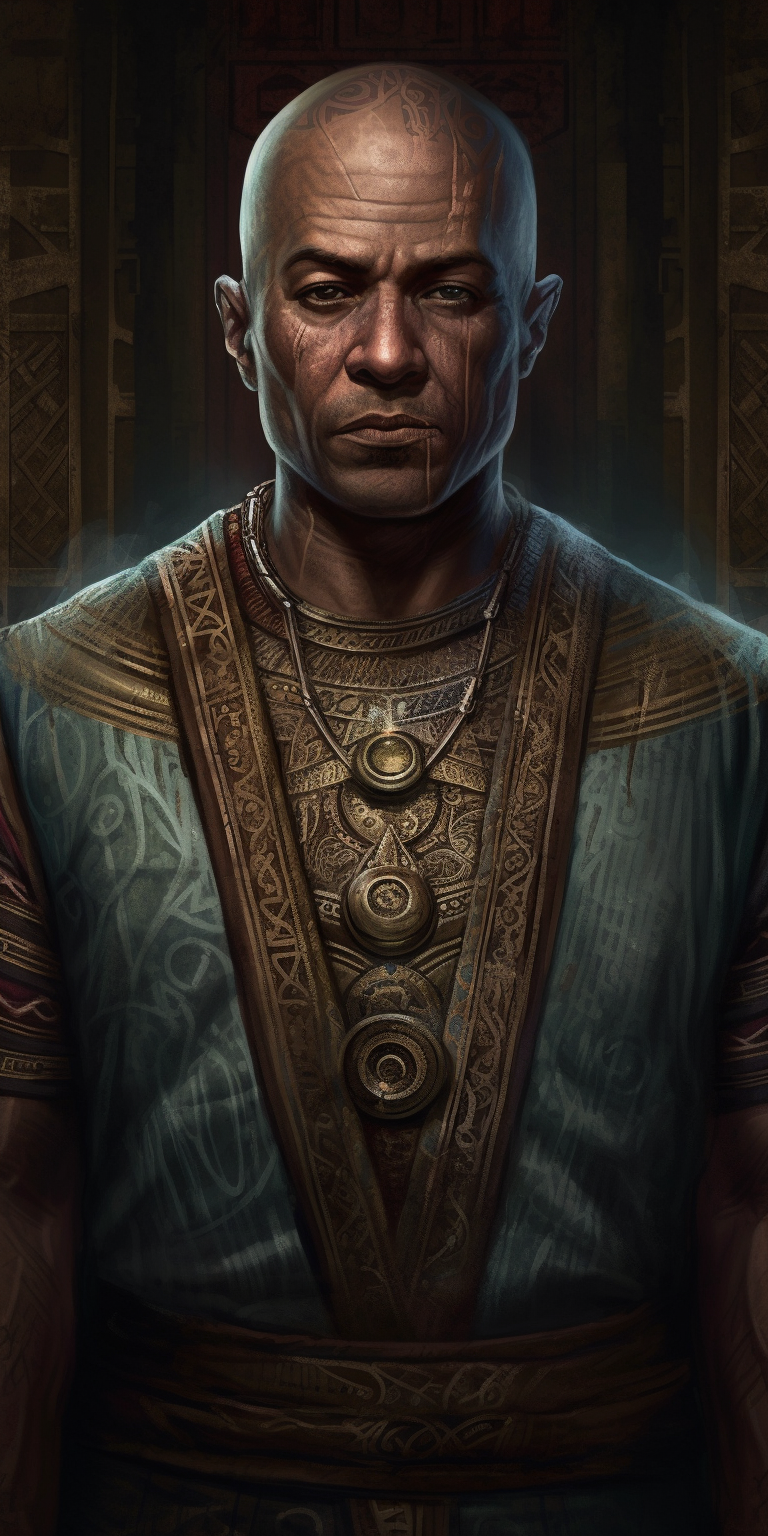
Imhotep
Historical architect, official and sage who was venerated after death and eventually received divine worship.
Deified Mortal · Wisdom · Medicine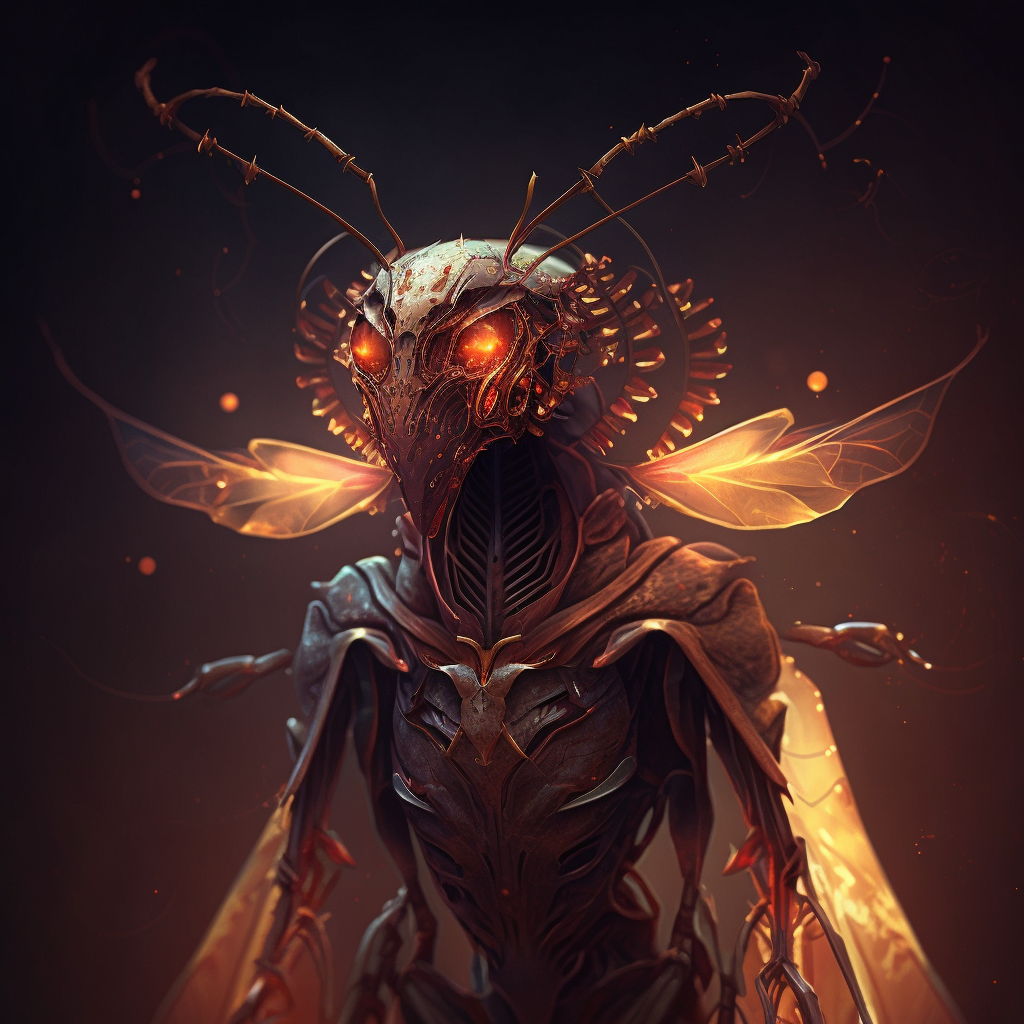
Apshai
A lesser and unsettling power of insects, carrion beetles, decay and the small lives beneath notice.
Insects · Decay · Lesser powerBestiary of Kemet and Duat
Sacred beings, guardians and monsters
The Pharaonic divine world includes funerary servants, royal guardians, sacred beasts and predators of the Nile. Each creature below already has an established SpiralWorlds Bestiary route.
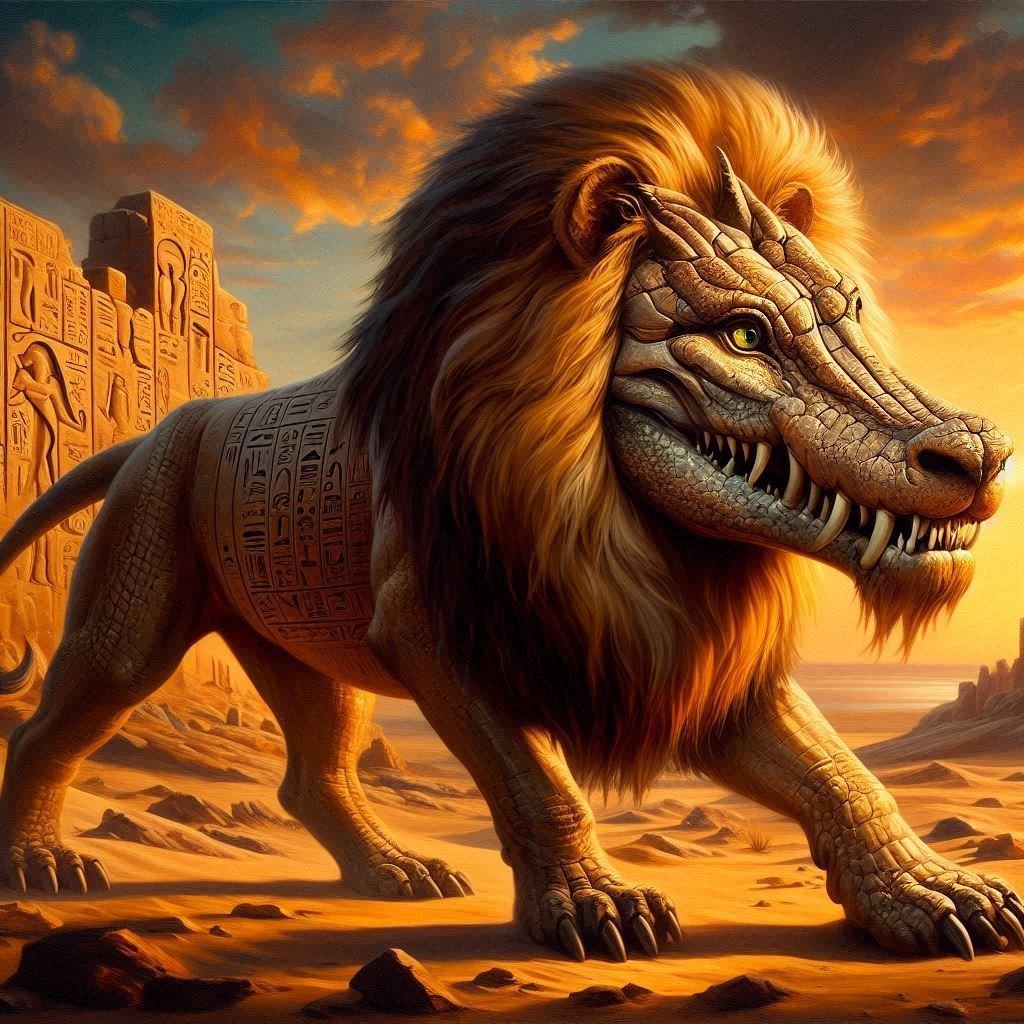
Ammut / Ammit
The Devourer waits beside the judgement of the dead, combining crocodile, lion and hippopotamus features.
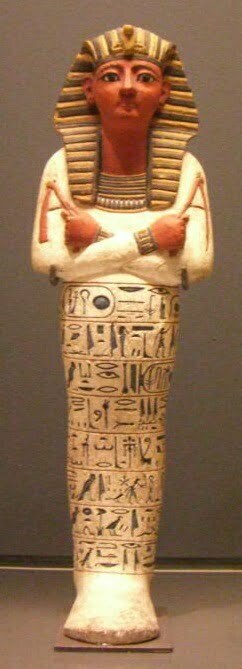
Ushabti
Magically empowered funerary figures that serve, labour or stand guard for the dead.
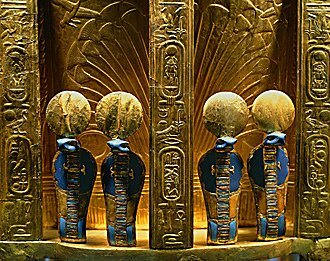
Uraeus
Sacred cobra guardians associated with Wadjet, divine fire and royal authority.
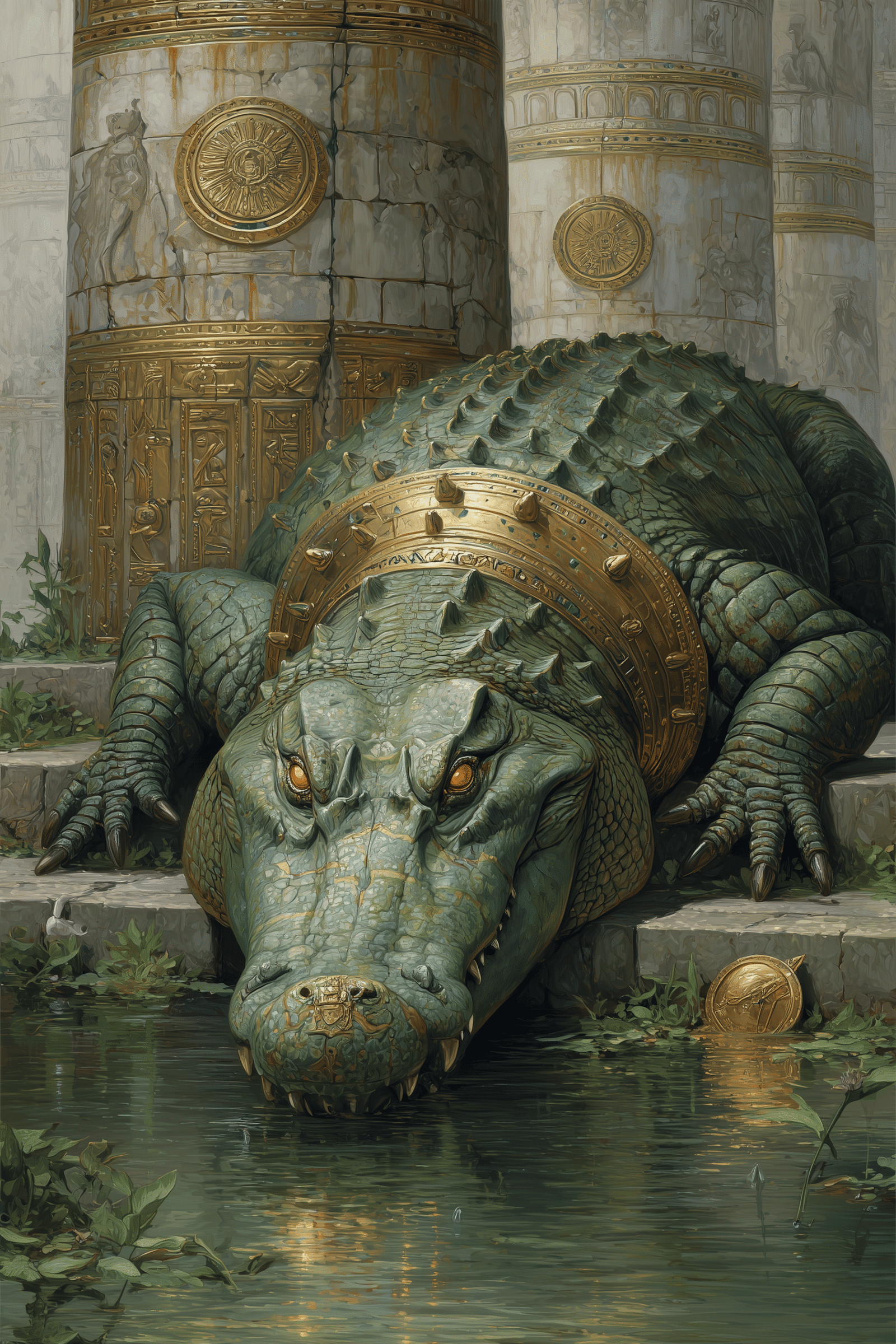
Petsuchos
A living vessel of Sobek’s holiness, guarding temple waters and the dangerous abundance of the Nile.
Sphinxes
Keepers of royal roads, temples and ancient secrets.
Sphinxes
Long-lived leonine powers suited to monuments, royal approaches and places of hidden knowledge.
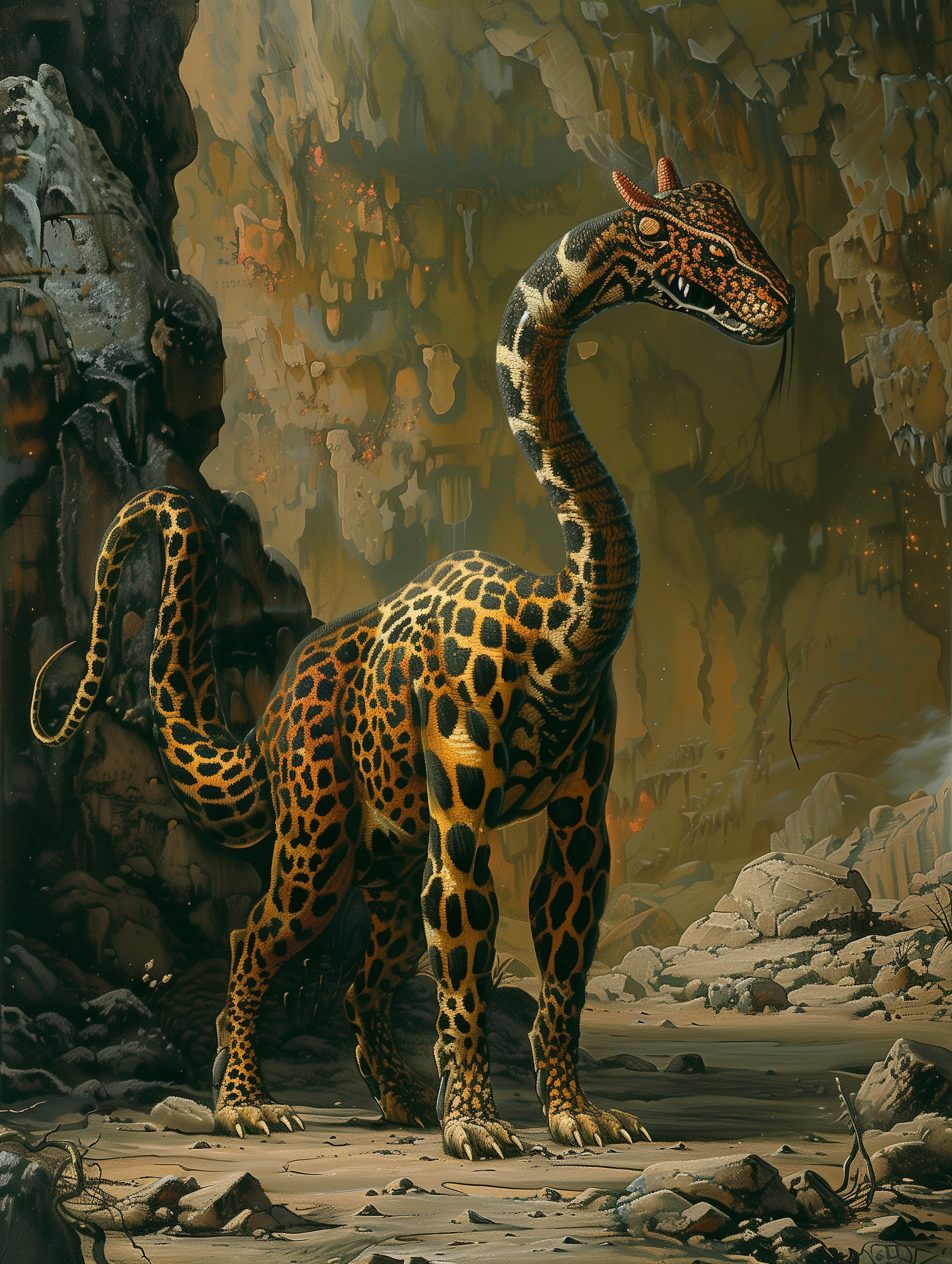
Serpopard
A long-necked feline predator drawn from the oldest imagery of Kemet and the Near East.
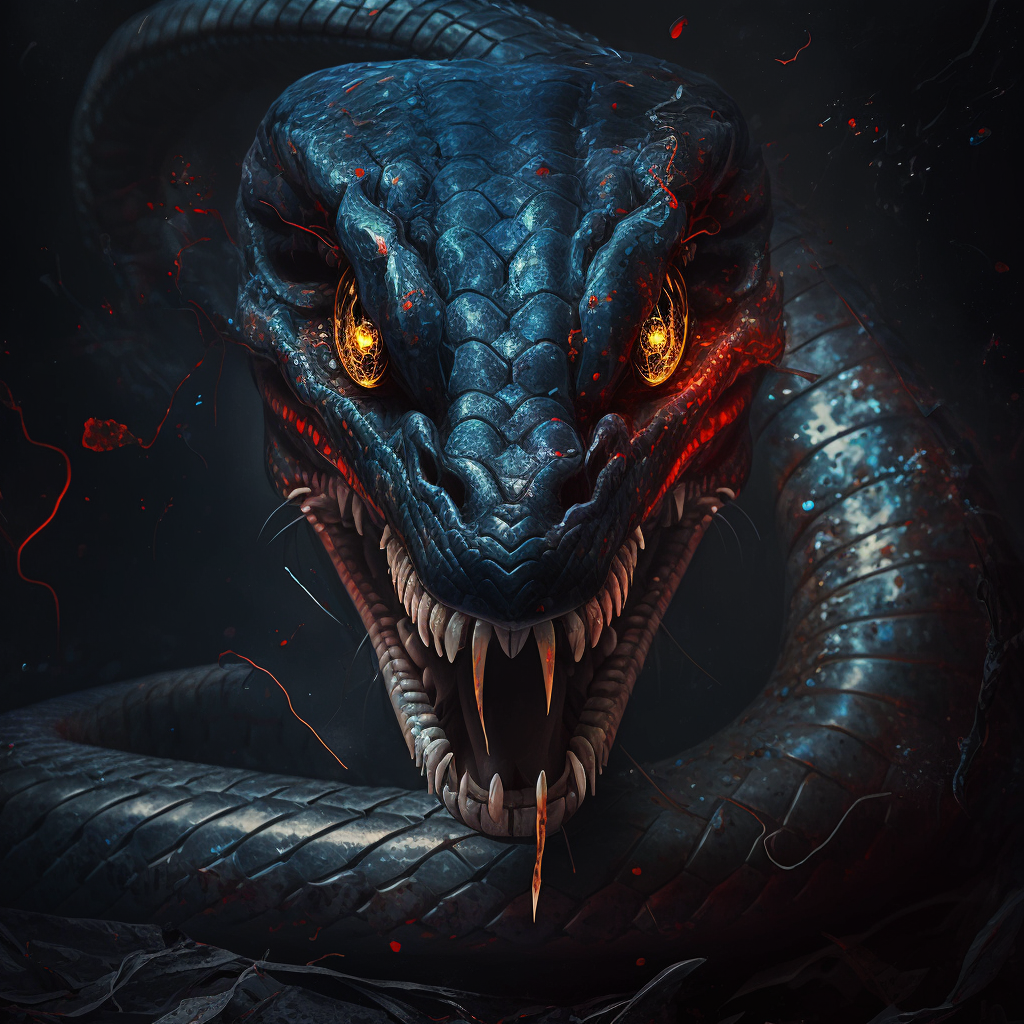
Enemy of the solar order
Apep / Apophis
Apophis is the primordial serpent who assaults the solar passage and seeks to prevent ordered creation from reaching renewed dawn. He belongs to Pharaonic cosmology but is not an ordinary member of its divine court.
Set is not Apophis. Set can embody storm, desert danger, rivalry and violence while still acting within divine order—even defending Ra’s barque. Apophis attacks the continuation of that order itself.
Explore Apophis →Many theologies, one living cosmos
Divine traditions and sacred courts
The gods of Kemet cannot be reduced to one universal family tree. Major temple centres preserve different but overlapping understandings of creation and divine authority.
Heliopolis and the Ennead
Atum stands at the head of the lineage of Shu and Tefnut, Geb and Nut, then Osiris, Isis, Set and Nephthys. Solar traditions intertwine this family with Ra.
Memphis and Ptah
Memphite theology places Ptah at the centre of creation through heart, speech and ordered craft. Sekhmet, Nefertum and Sokar belong strongly to its sacred landscape.
Thebes and Amun
Amun rises from Theban prominence and becomes Amun-Ra without requiring Ra to vanish from his other manifestations. Mut and Khonsu complete the great Theban triad.
Abydos and the Osirian mysteries
Osiris, Isis, Horus, Nephthys and the funerary powers define the cycle of murder, restoration, inheritance, death and judgement.
Cosmic principle
Ma’at and isfet
Ma’at
Ma’at is goddess and cosmic principle: truth, justice, balance, proper relationship and the ordered pattern through which divine and mortal life continue. Kingship and sacred authority remain legitimate only while they participate in that order.
Isfet
Isfet is destructive disorder, falsehood and the unmaking of rightful relationship. Not every violent or unpredictable god serves isfet; Set may be dangerous and disruptive without becoming identical to the annihilating threat represented by Apophis.
Divine geography
Duat — the Pharaonic realm of Buxenus
Duat is the great Pharaonic netherworld, divine kingdom and nocturnal solar realm within Buxenus on Arcadia. It is not a separate plane.
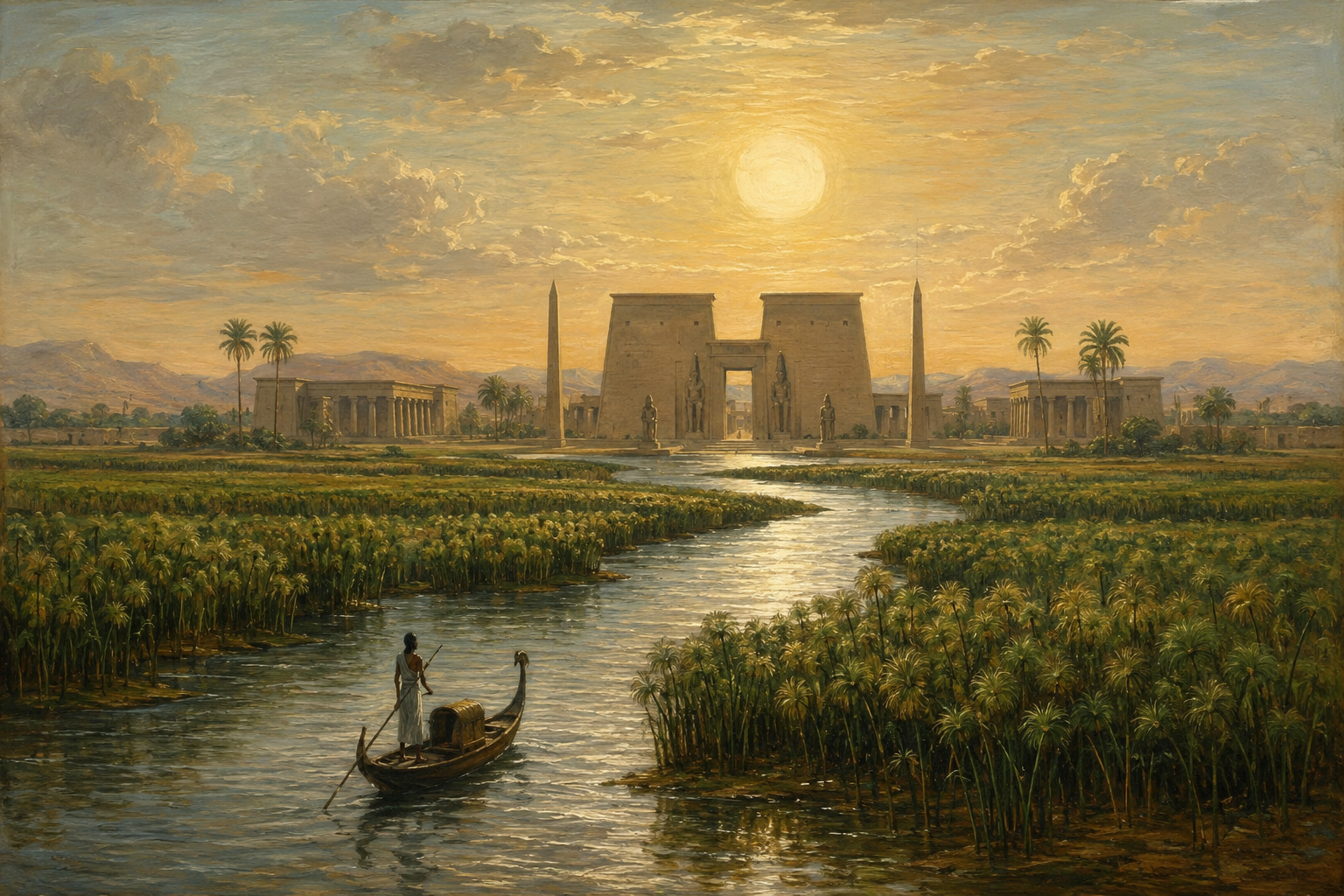
Night passage, judgement and renewal
Ra crosses Duat’s sacred roads and waterways during the night. Osiris rules among the ordered dead, Anubis guards funerary passage, Thoth records judgement and Apophis repeatedly attempts to prevent the solar journey from reaching dawn.
- Solar Road: Ra’s nightward voyage.
- Hall of Two Truths: judgement under Ma’at.
- Halls of Osiris: court of the ordered dead.
- Aaru: the Field of Reeds.
- Chaotic Reaches: frontiers threatened by isfet.
SpiralWorlds planar canon
Arcadia, Buxenus and the Duat
The plane predates the pantheon. The gods awakened, gathered their courts and established divine realms within an already ancient cosmology.
The sovereign realm of Duat
Duat is a vast Pharaonic divine jurisdiction within Buxenus on Arcadia. It contains the western necropolises, the halls of judgement, the Field of Reeds, caverns crossed by the night sun, sacred lakes, gates, pylons and innumerable local estates of the gods. It is not a separate plane and it does not exhaust the immensity of Arcadia.
Many creation traditions
Heliopolis exalts Ra or Atum, Memphis centres creation upon Ptah, Hermopolis remembers the primeval powers, and Elephantine honours Khnum as shaper of life. These accounts reveal how the gods understand and order their own sacred worlds; none overrides the master chronology by claiming that a later pantheon created every plane.
The solar passage
Ra crosses the divine sky by day and travels through Duat by night. His barque is both road and moving court. Gods, blessed dead and chosen defenders guard the passage while Apophis seeks to halt renewal. Each dawn is therefore a real victory of ma’at over uncreation.
Shared plane, distinct court
The Pharaonic gods share Arcadia with other pantheons without merging into them. Their realm has its own laws, sacred geography, cult memory and political authority. Roads, rivers and portals permit diplomacy, trade, pilgrimage and conflict with neighbouring divine jurisdictions.
Divine structure
Order, family and sacred rivalry
Creation and differentiation
Solar, Memphite, Hermopolitan and southern traditions describe the emergence of light, air, moisture, earth, sky, life and divine intelligence in different but overlapping ways.
Divine kingship
Ra, Amun-Ra, Horus and Osiris express different dimensions of rule: visible solar authority, hidden sovereignty, living kingship and the perfected kingship of the dead.
The murder and restoration of Osiris
Set’s assault, Isis’s magic, Osiris’s restoration and Horus’s struggle for the throne establish the pantheon’s central cycle of death, legitimacy, vengeance and renewal.
Judgement and rebirth
Anubis guides the dead, Ma’at supplies the measure of truth, Thoth records the result and Osiris pronounces judgement. The worthy continue into a renewed existence rather than simply disappearing.
The unending defence of creation
Apophis can be defeated but not permanently reduced to an ordinary corpse. His nightly return makes cosmic defence a recurring duty, not a battle consigned to a forgotten past.
Death and divine law
The Weighing of the Heart
The dead enter a specifically Pharaonic sacred process concerned with identity, truth, funerary law and judgement—not a generic division between good and evil.
Anubis
Protects the dead, attends the balance and safeguards funerary passage.
Ma’at
Provides the feather and the divine measure of truth, justice and rightful order.
Thoth
Witnesses and records what the balance establishes.
Osiris
Presides as sovereign of the ordered dead and receives those found justified.
Ammut
The Devourer waits beside the scales for the heart that fails the divine measure.
The living world · 1454 CE
The old gods have not gone silent
In SpiralWorlds, the Pharaonic religion is neither a vanished faith nor a museum reconstruction. Its temples, priesthoods and divine alliances remain active within the fantasy Earth of 1454.
Kemet and the Nile
Kemet remains the greatest earthly heartland of the pantheon. Catfolk dynasties and temple communities maintain ancient rites alongside human, Nubian, desert and river peoples. Different cities still favour different gods, and temple wealth carries political as well as sacred power.
Divine action
The gods most often act through omens, dreams, sacred animals, living statues, chosen priests and local manifestations. Direct appearances are possible but momentous, bringing obligations and consequences rather than casual spectacle.
Beyond Kemet
Merchants, healers, magicians, mercenaries and funerary specialists carry the cults abroad. Isis, Bast, Thoth, Imhotep and Horus possess especially wide networks, while sailors and travellers propitiate solar and river powers far from the Nile.
Enemies and uneasy allies
Set’s cults are divided between destructive brotherhoods and older defenders of desert frontiers and the solar barque. Apophis remains the greater existential enemy. Rival temples may feud fiercely while still uniting against uncreation.
Campaign use
Using the Pharaonic Pantheon in play
Temple politics
- Negotiate between rival city cults whose myths grant competing claims to authority.
- Protect a procession, oracle, sacred animal or living divine image.
- Expose a priest who has replaced ma’at with personal ambition.
Journeys through Duat
- Carry a soul past gates whose guardians require names, proofs and ritual knowledge.
- Defend the solar barque during a night when Apophis has gained unexpected allies.
- Recover a stolen heart, shadow, name or funerary text before judgement.
Relics and divine obligations
- A recovered temple object is an active covenant, not unattended treasure.
- Every blessing creates a duty to a god, cult, city or principle.
- Artifacts tied to Ma’at, Horus, Isis or Set can change legal and dynastic claims.
Connected adventures
- Use the Pharaonic Bestiary for established creatures and guardians.
- Link divine journeys to Arcadia and Buxenus.
- Begin with the individual deity pages above for lore, relics and game statistics.
Selected video guide
Egyptian gods, creation and lesser-known powers
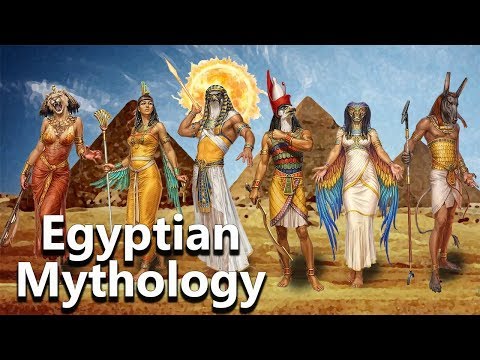
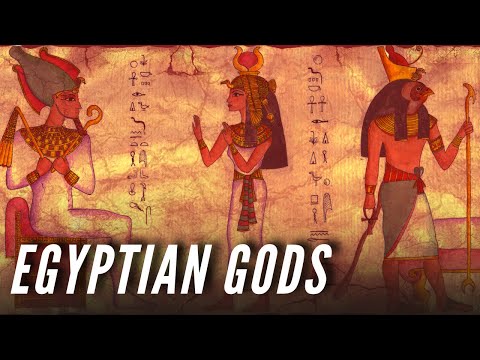
Select an illustrated panel to play its video on the page, or use the direct YouTube link beneath it.