
Finland & Karelia • Divine Directory
Finnish Pantheon — Gods, Spirits & Powers of Forest, Sky and Water
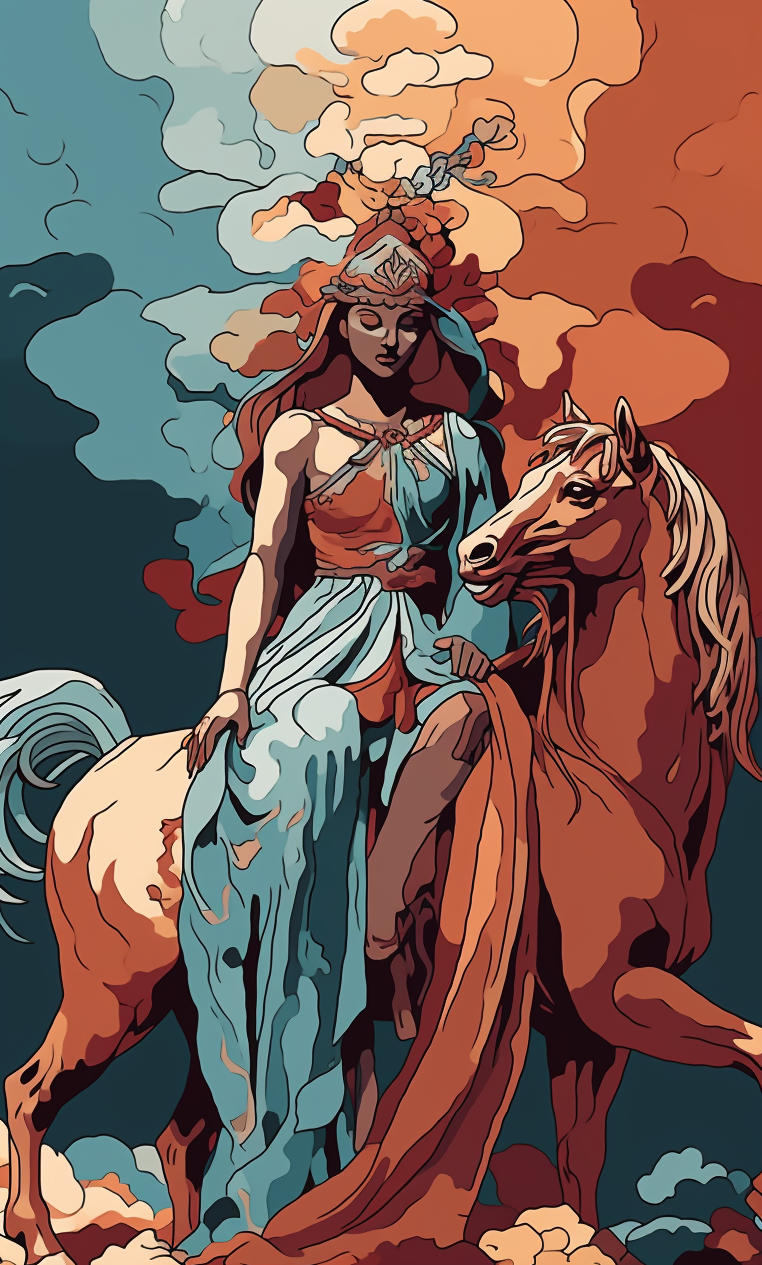
The sacred world of Finland and Karelia is shaped by thunder, forest, water, harvest, sickness, death and the dangerous boundaries between them. These powers do not form one rigid divine family. Their stories come from overlapping Finnish and Karelian traditions, charms, runic songs and later epic poetry, with neighbouring Finnic traditions crossing the same cultural borderlands.
At a Glance
The Sacred World of Finland
Sky & Weather
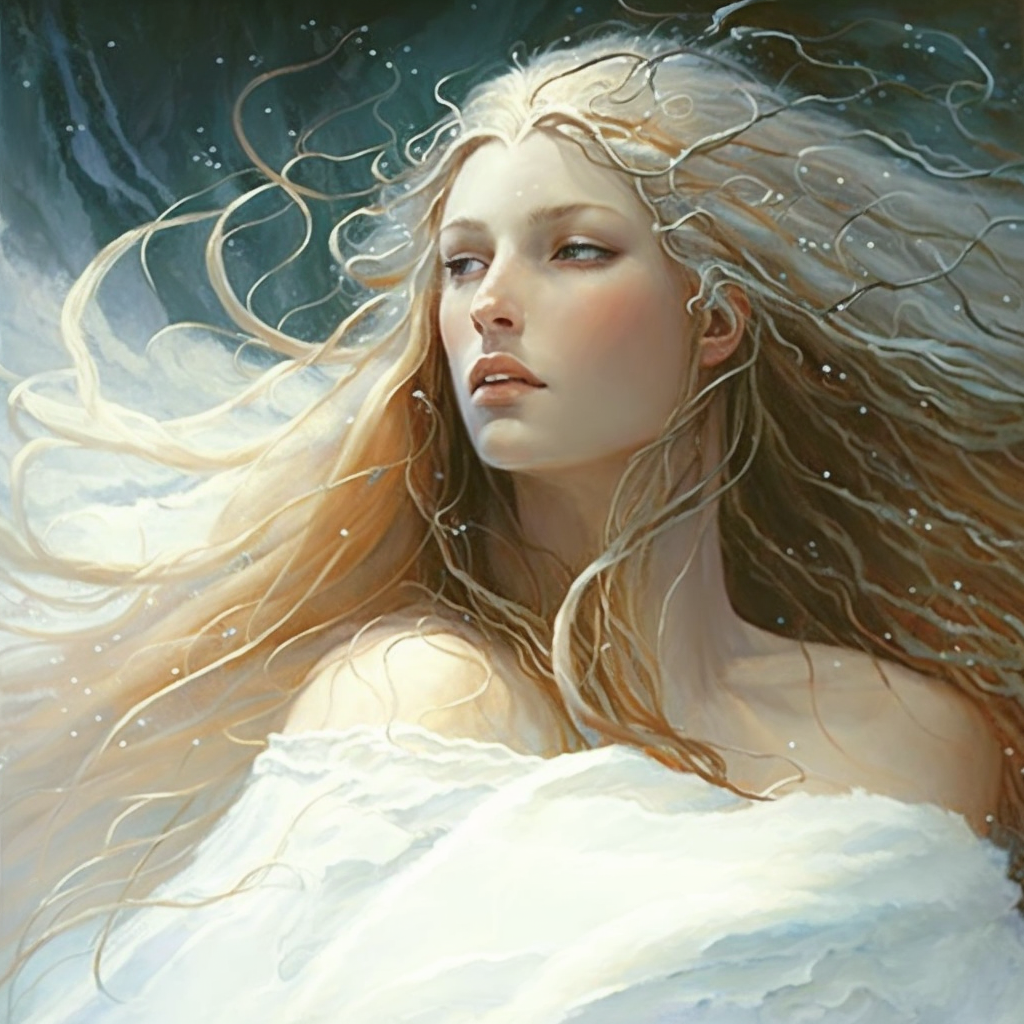
Ukko dominates thunder, storm and the high sky, while Ilmatar belongs to the oldest creation traditions of air and sea.
Forest & Hunt
Tapio, Mielikki and Nyyrikki govern a forest that gives game, hides travellers and remembers bargains made beneath its trees.
Water & Fishing
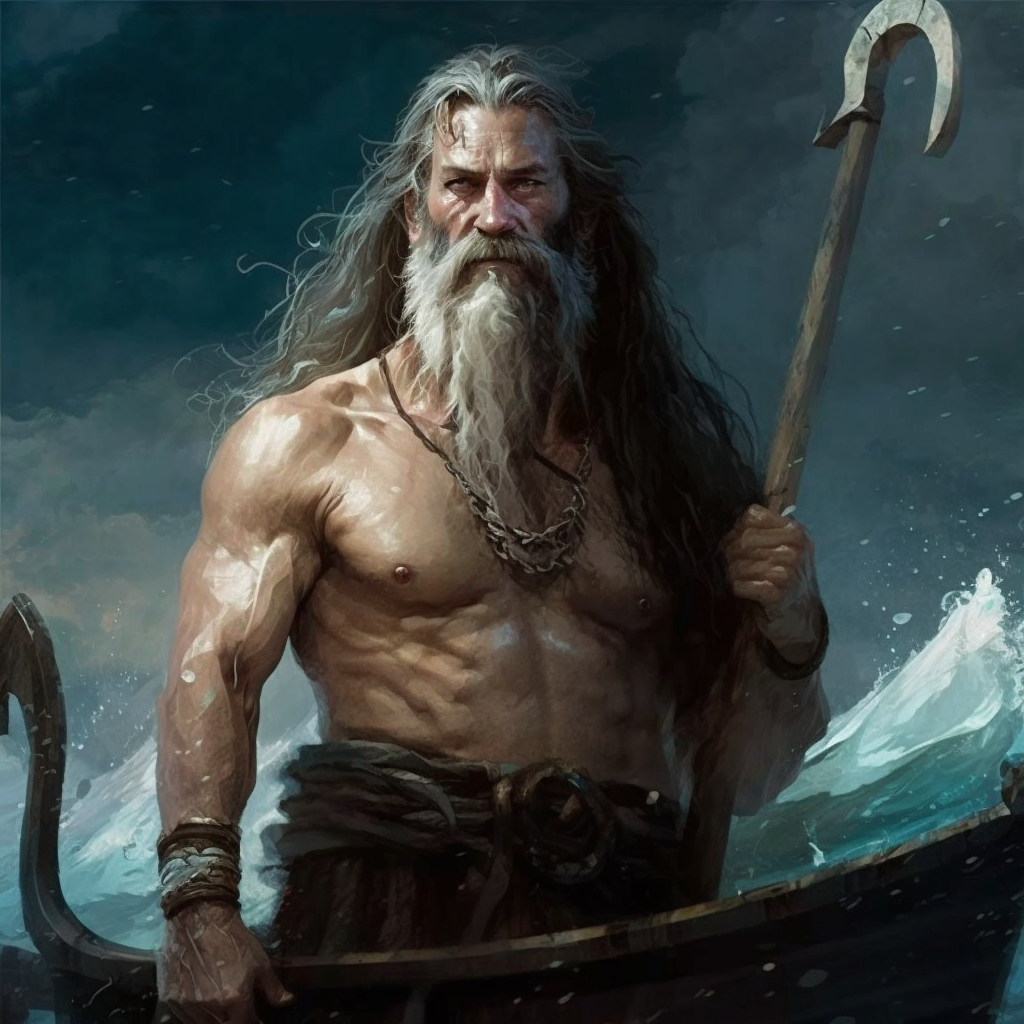
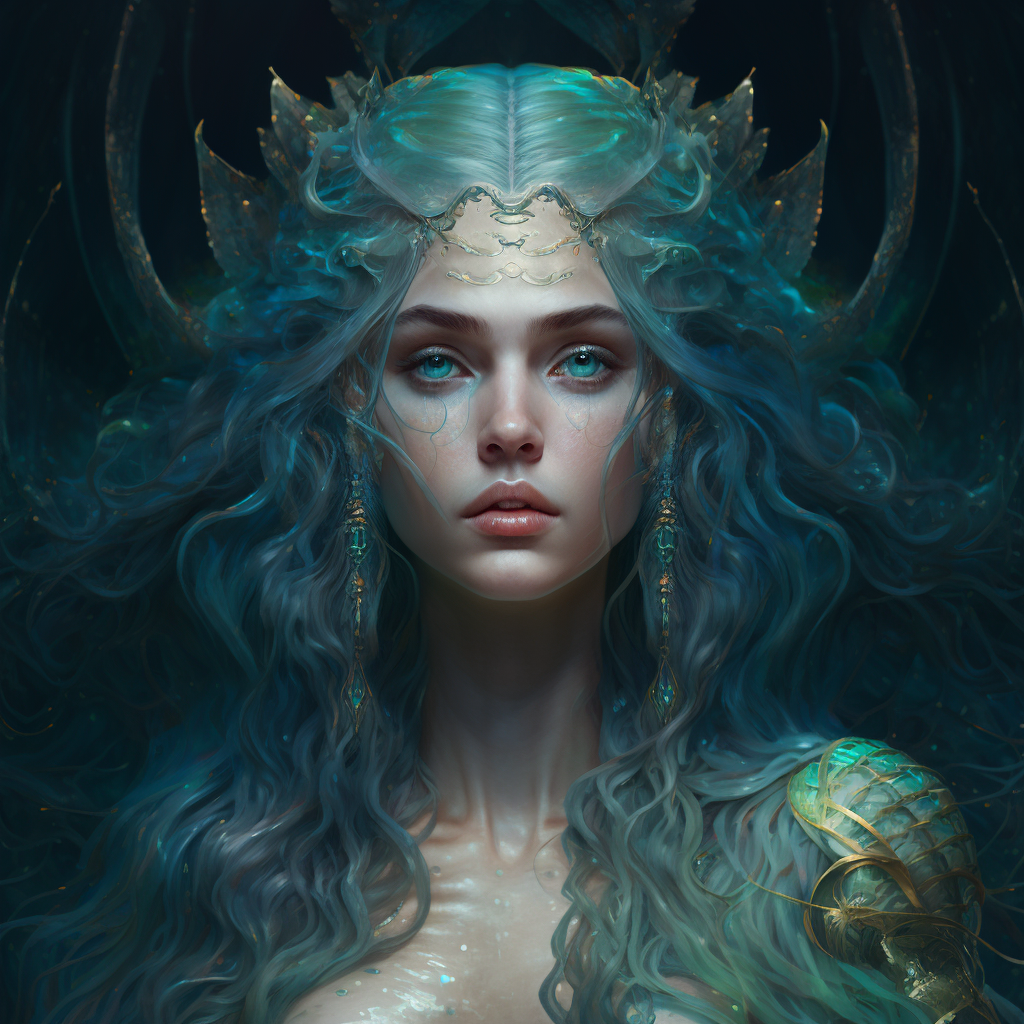
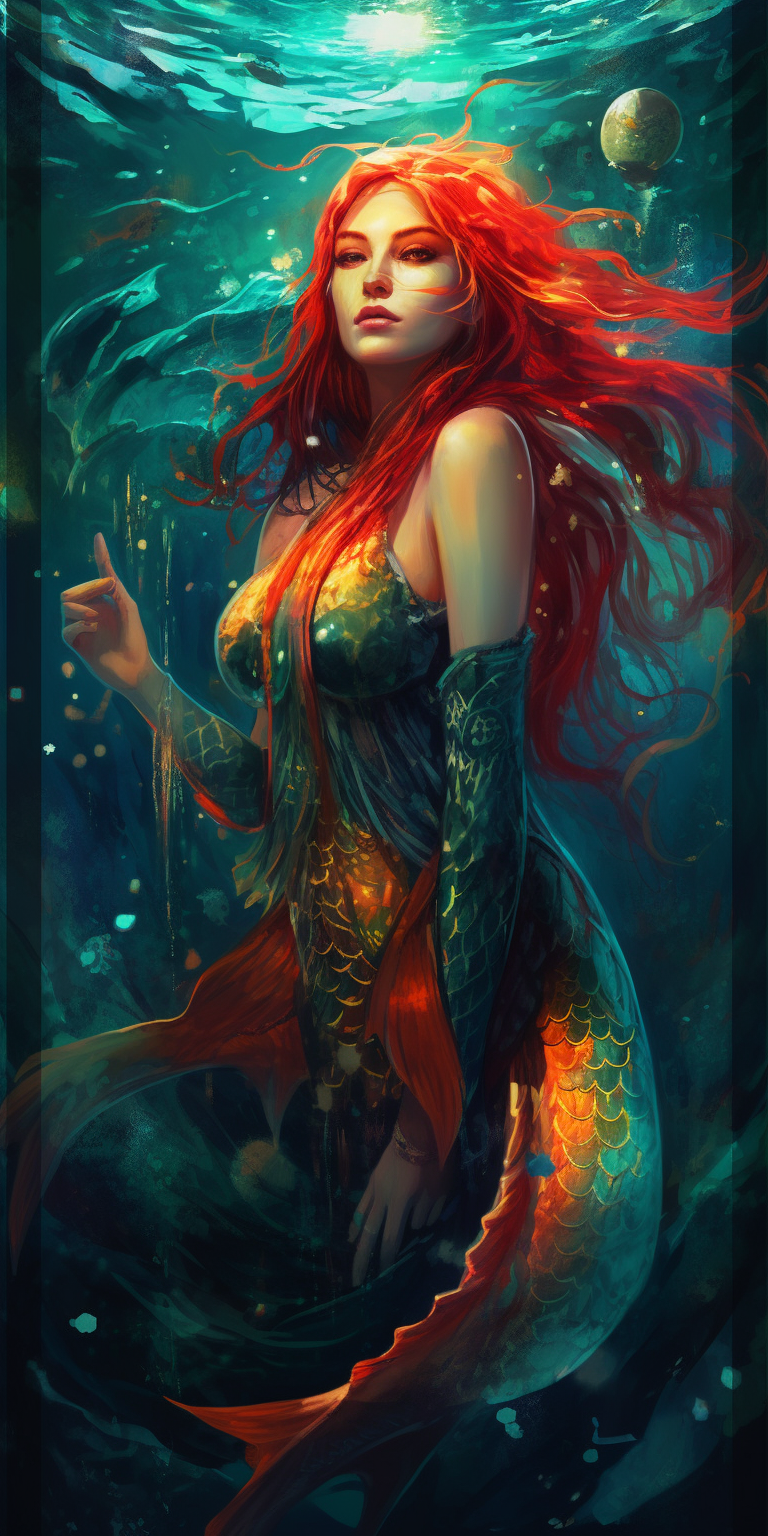
Ahti, Vellamo and Ved-ava rule waters whose bounty can feed a settlement or swallow one without warning.
Death & Affliction
Tuonetar and the powers around Tuonela govern the dead, while Loviatar, Kiputytto and Vammatar embody wounds, pain, poison and destructive affliction.
Sky, Air & Creation
High Powers
Forest, Field & Harvest
Powers of the Living Land
Tapio
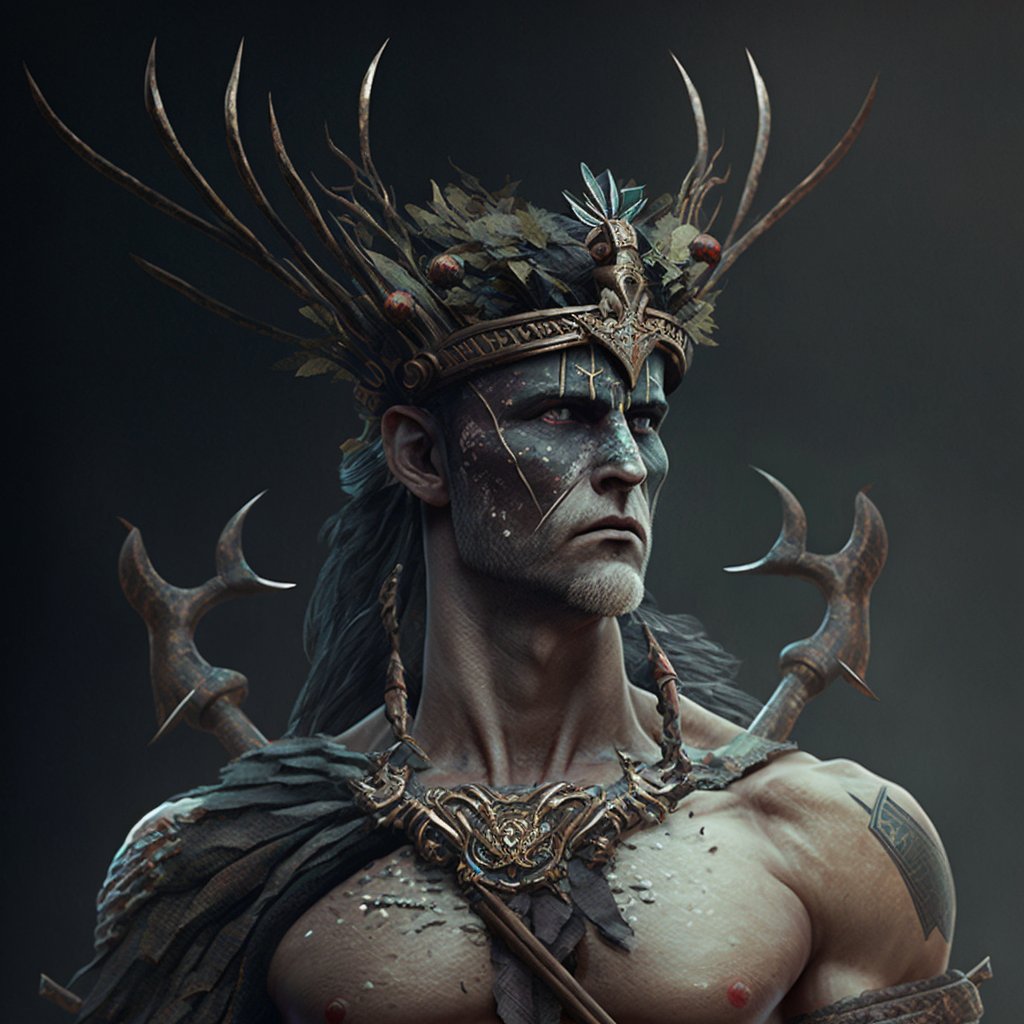
King of the forest and one of the great powers approached before the hunt.
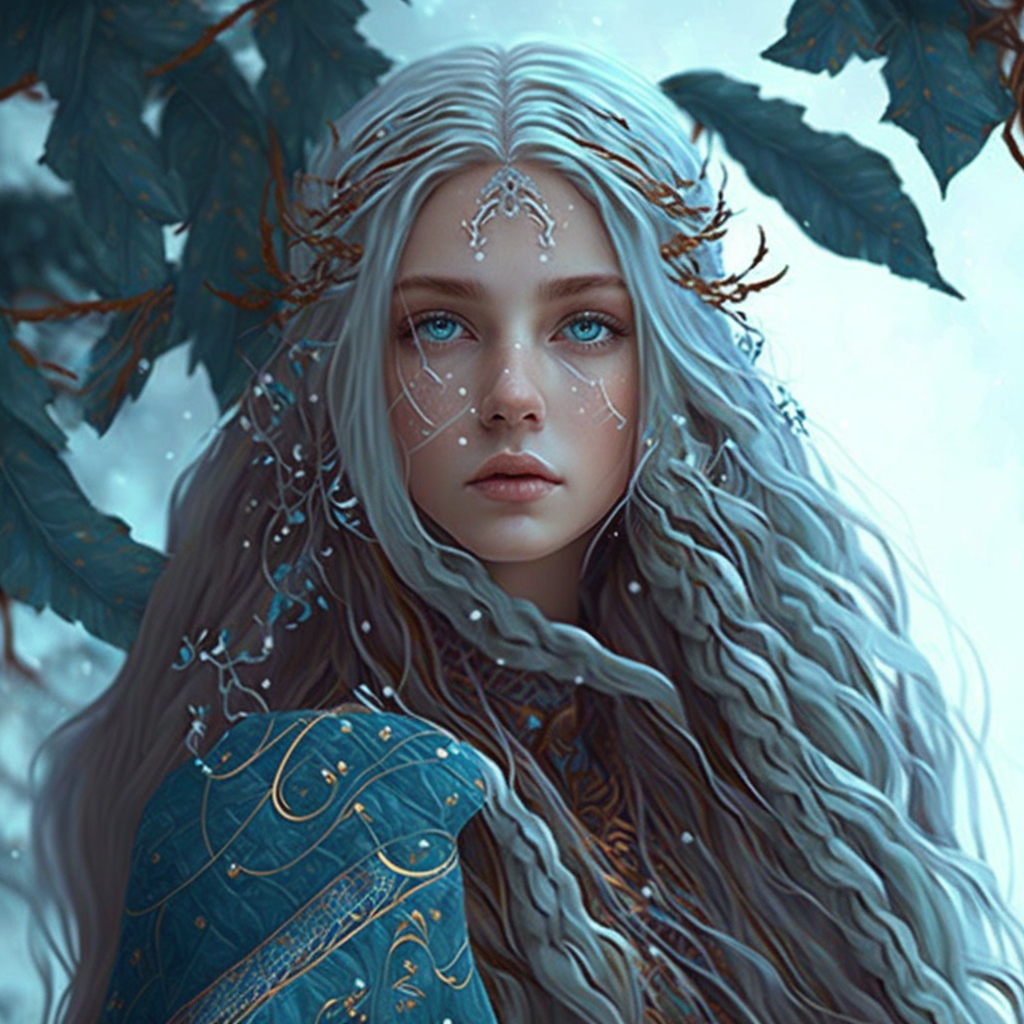
Mielikki
Mistress of the forest, its animals, its abundance and the fortunes of hunters.
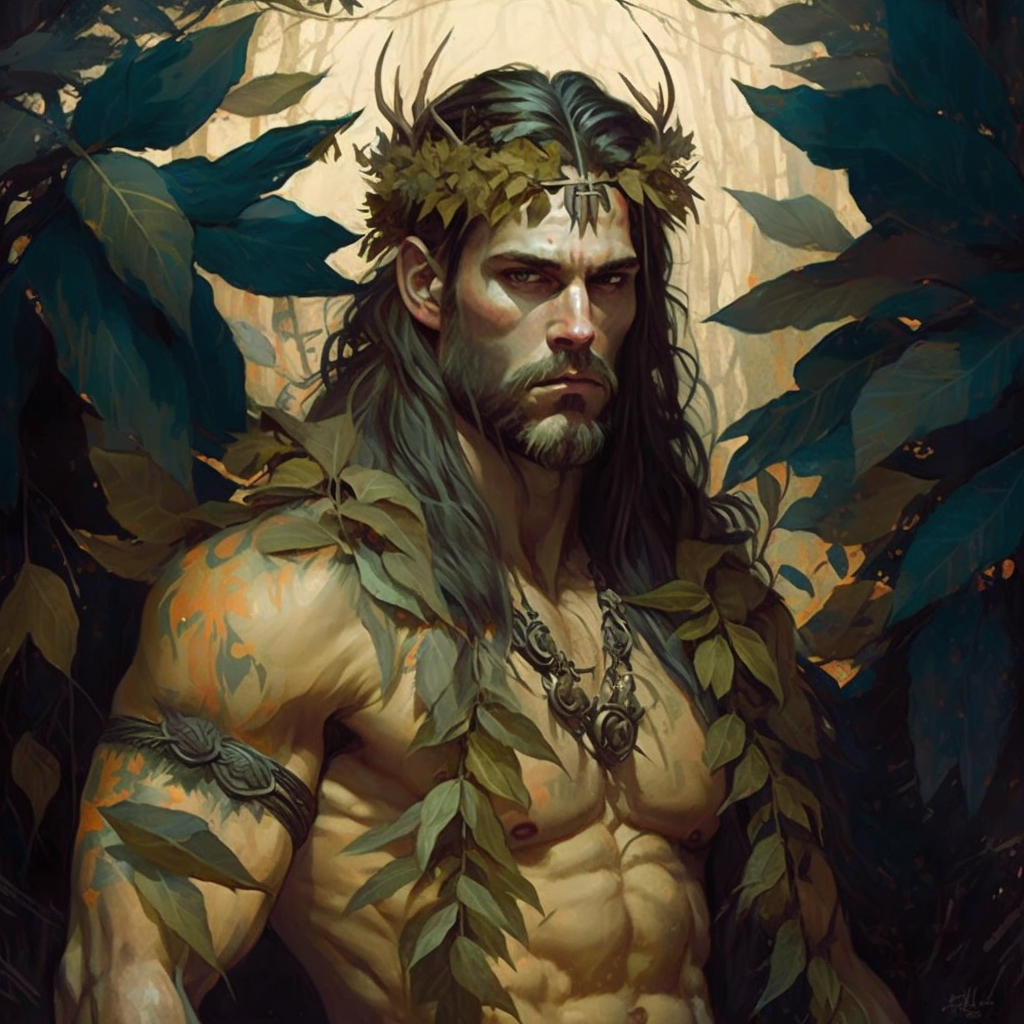
Nyyrikki
A forest power associated with hunting paths and the movement of game.
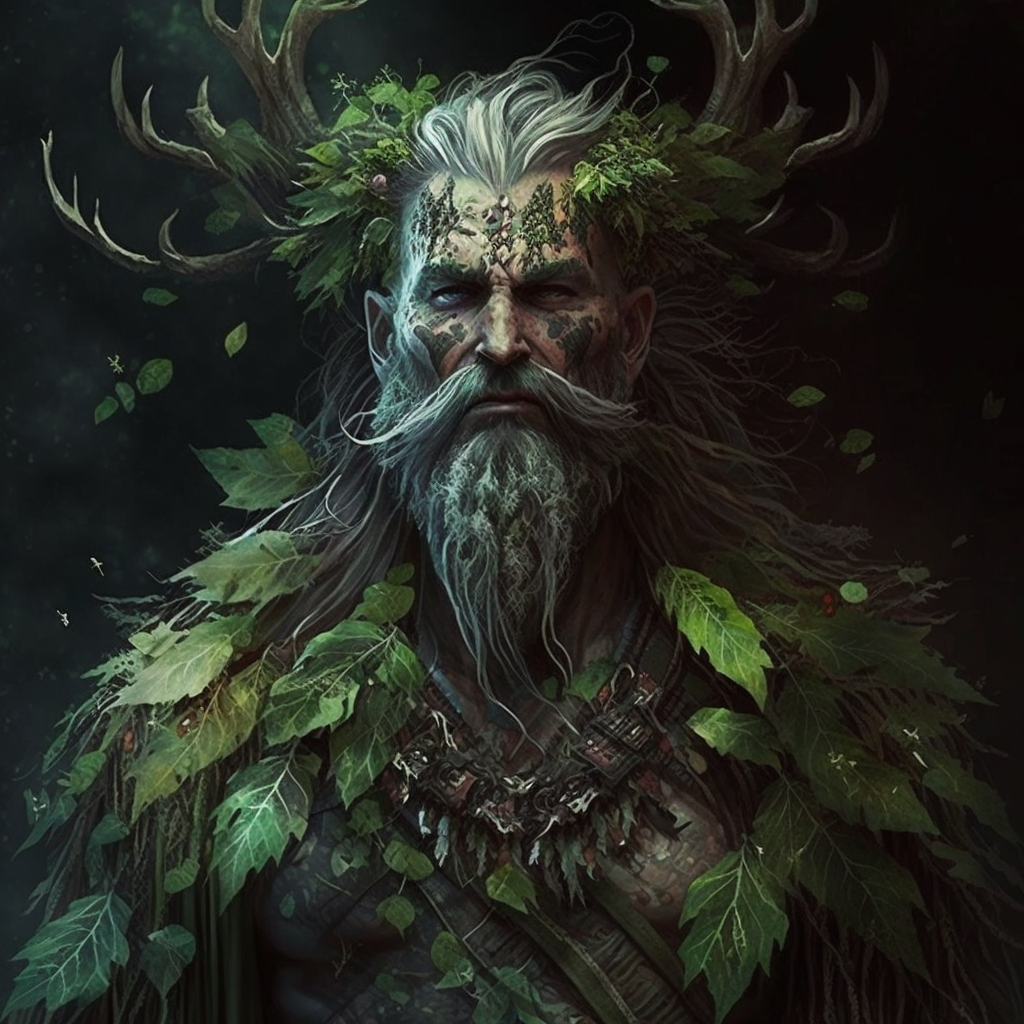
Äkräs
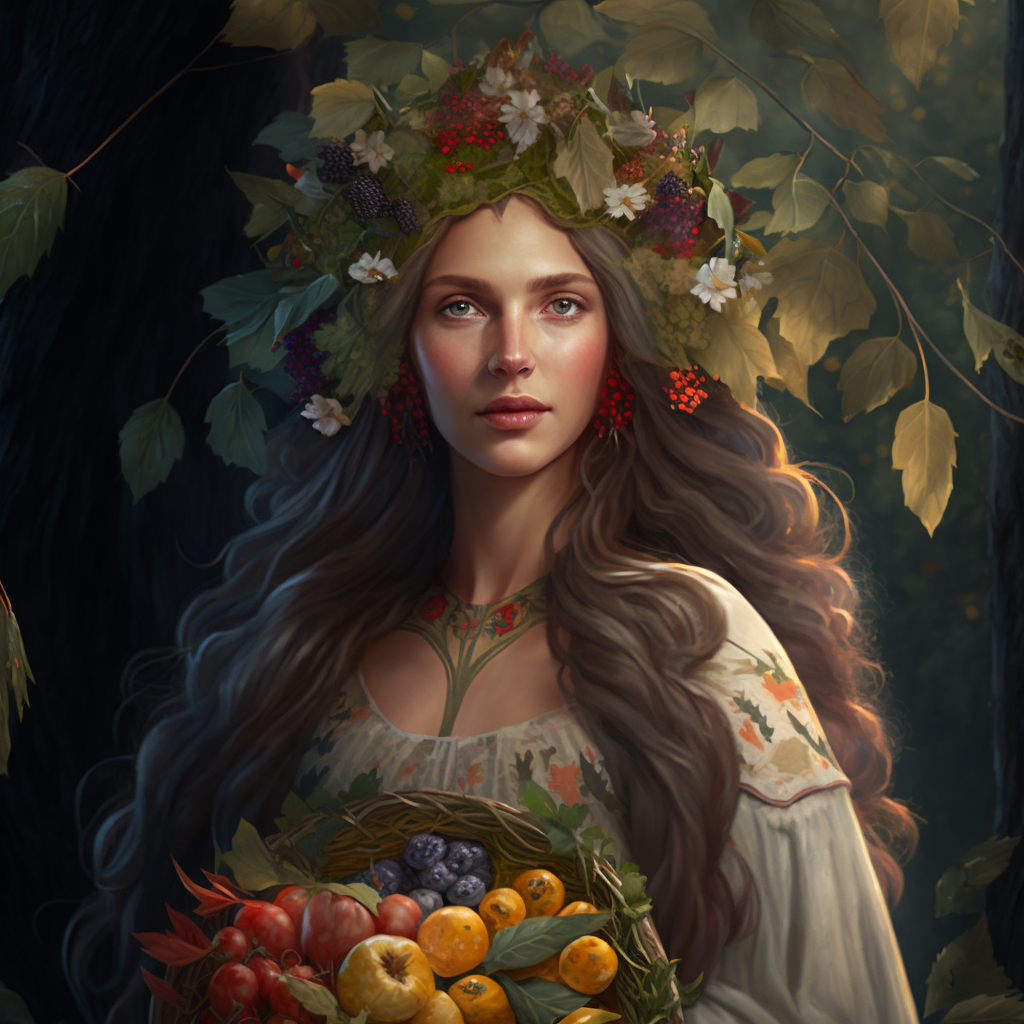
A power of cultivated growth, fertility and the produce of the field.
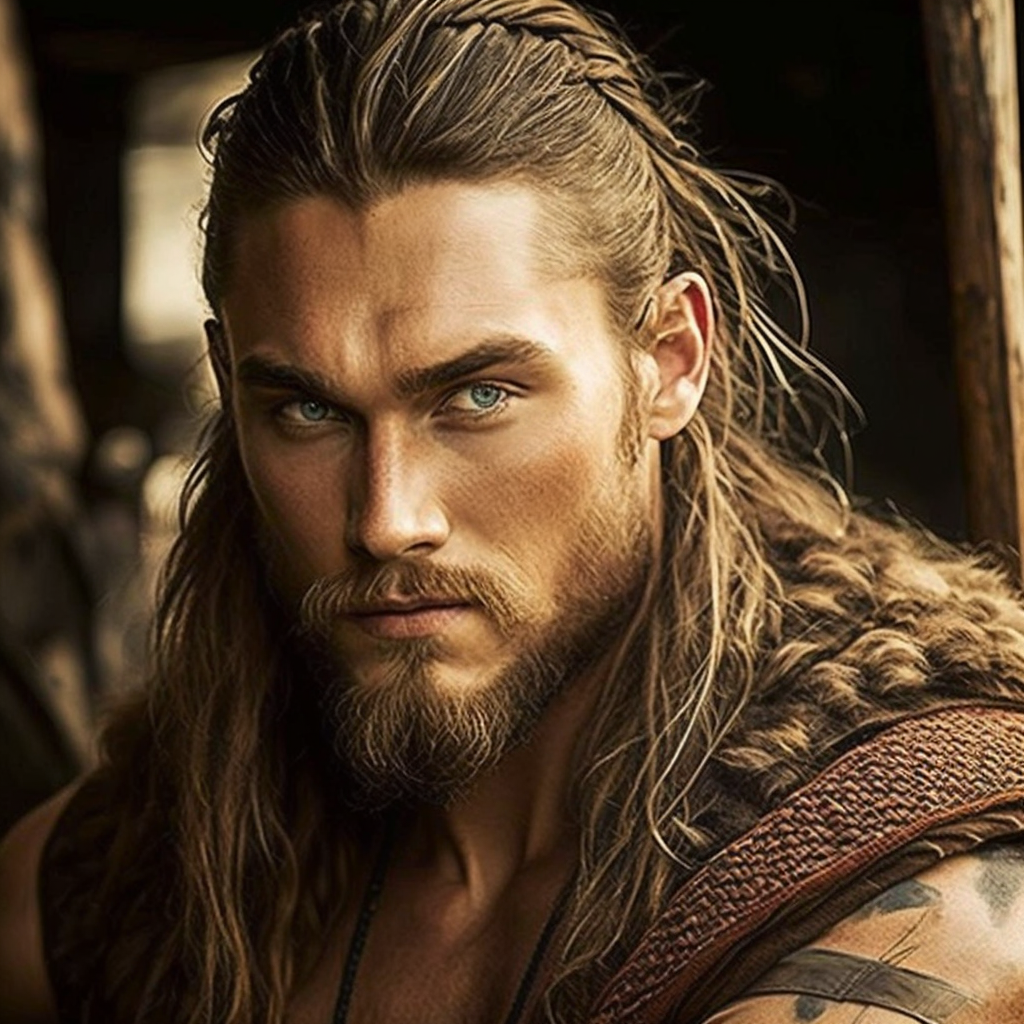
Sampsa Pellervoinen
A sowing and vegetation figure bound to the greening of the land and the return of growth.
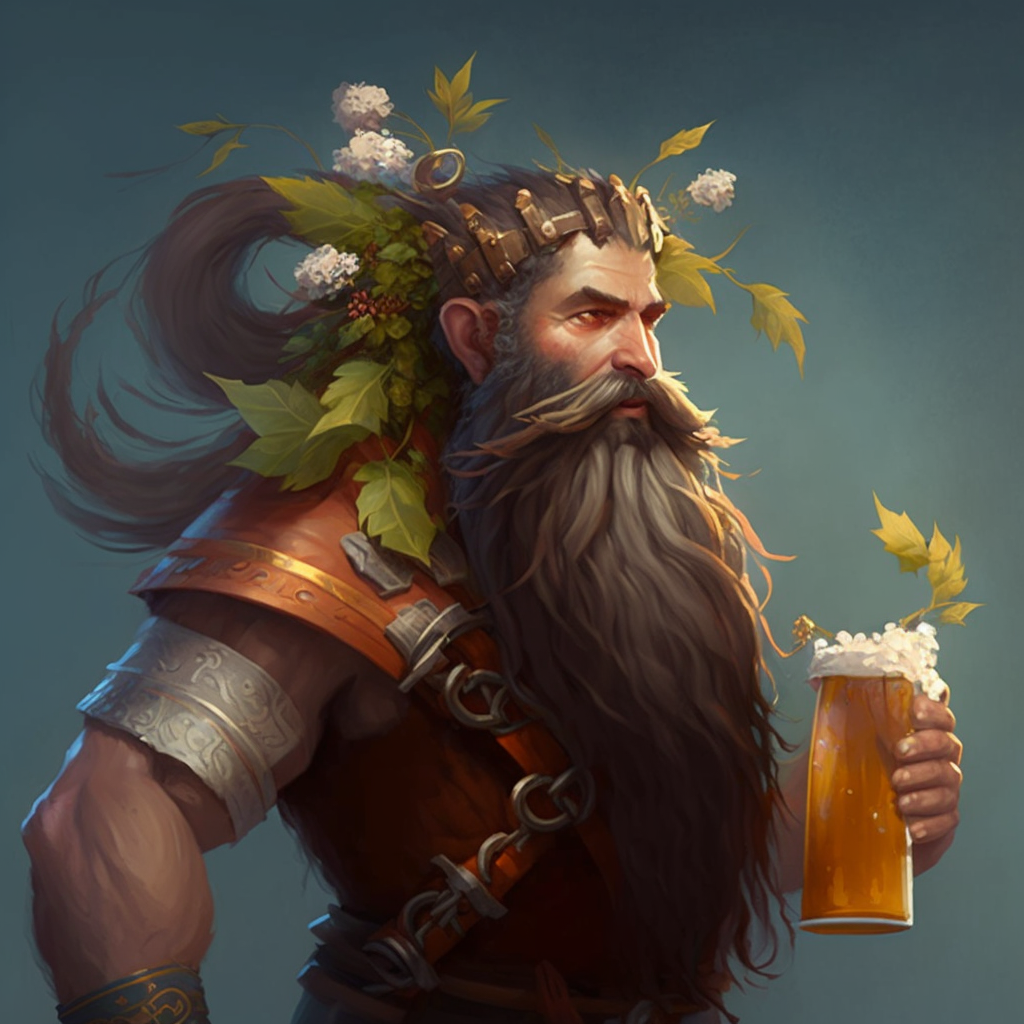
Peko
A neighbouring Finnic power of barley, harvest and beer preserved within the wider sacred landscape.
Lakes, Rivers & Sea
Powers of Water
Tuonela & Affliction
Death, Pain & Dangerous Powers
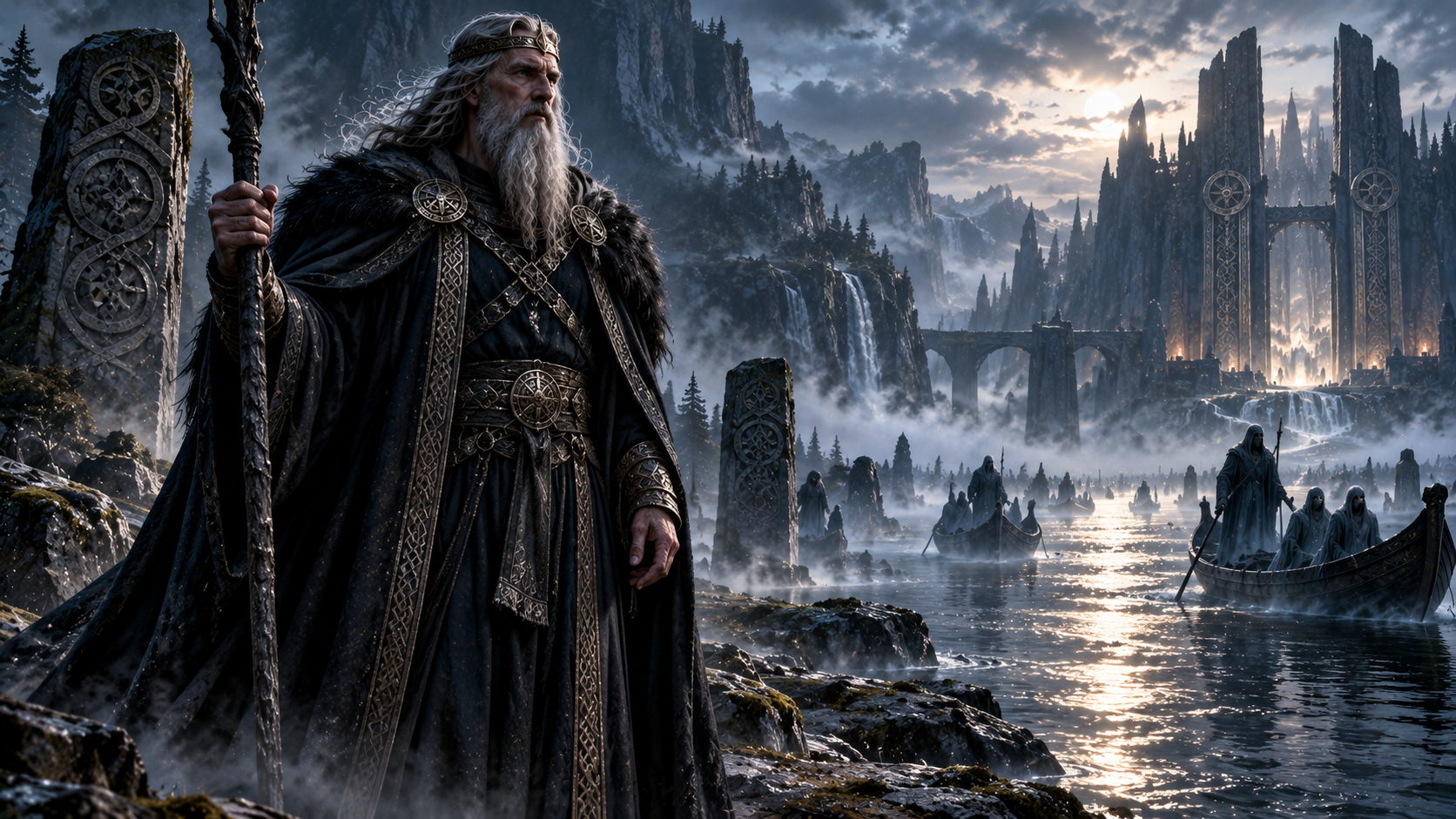
Tuoni
Ruler of Tuonela, keeper of the dead and guardian of the boundary the living cross at their peril.
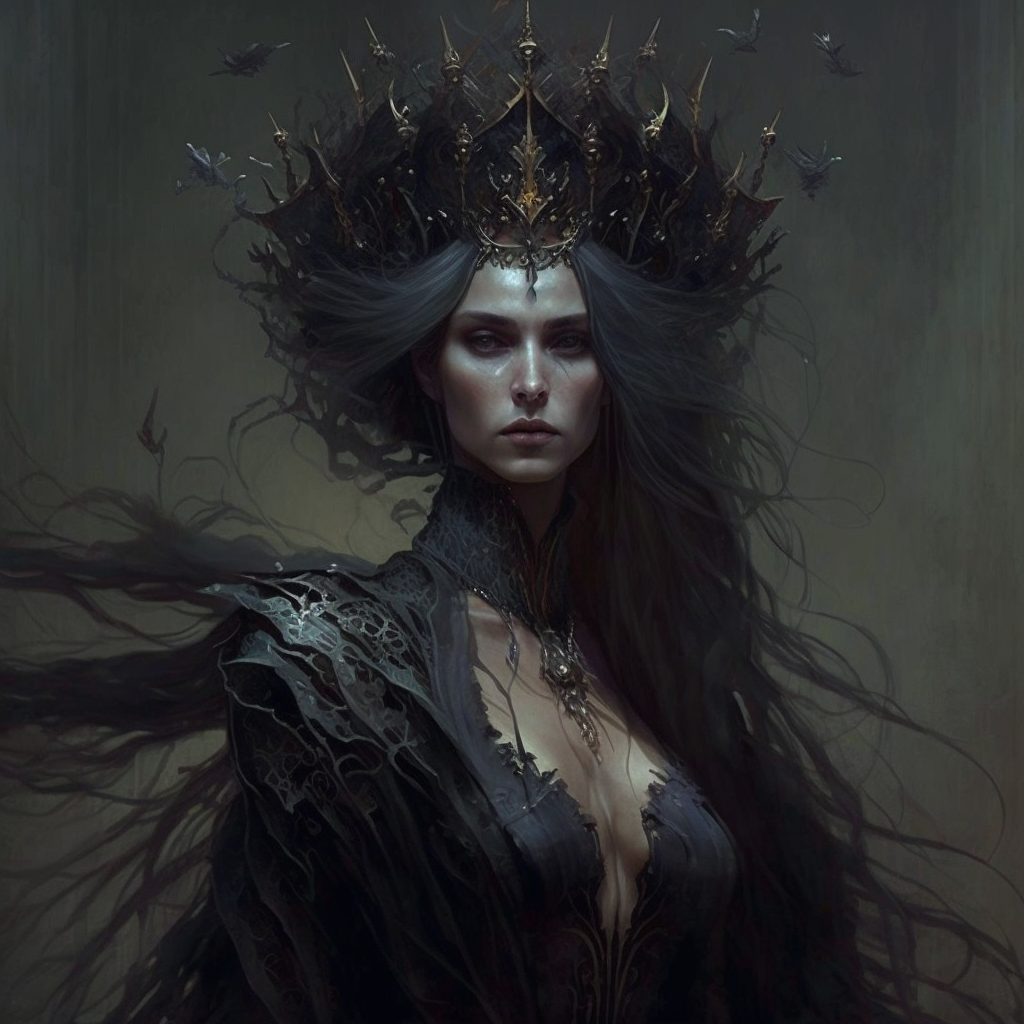
Tuonetar
Mistress of Tuonela and queenly power among the dead.
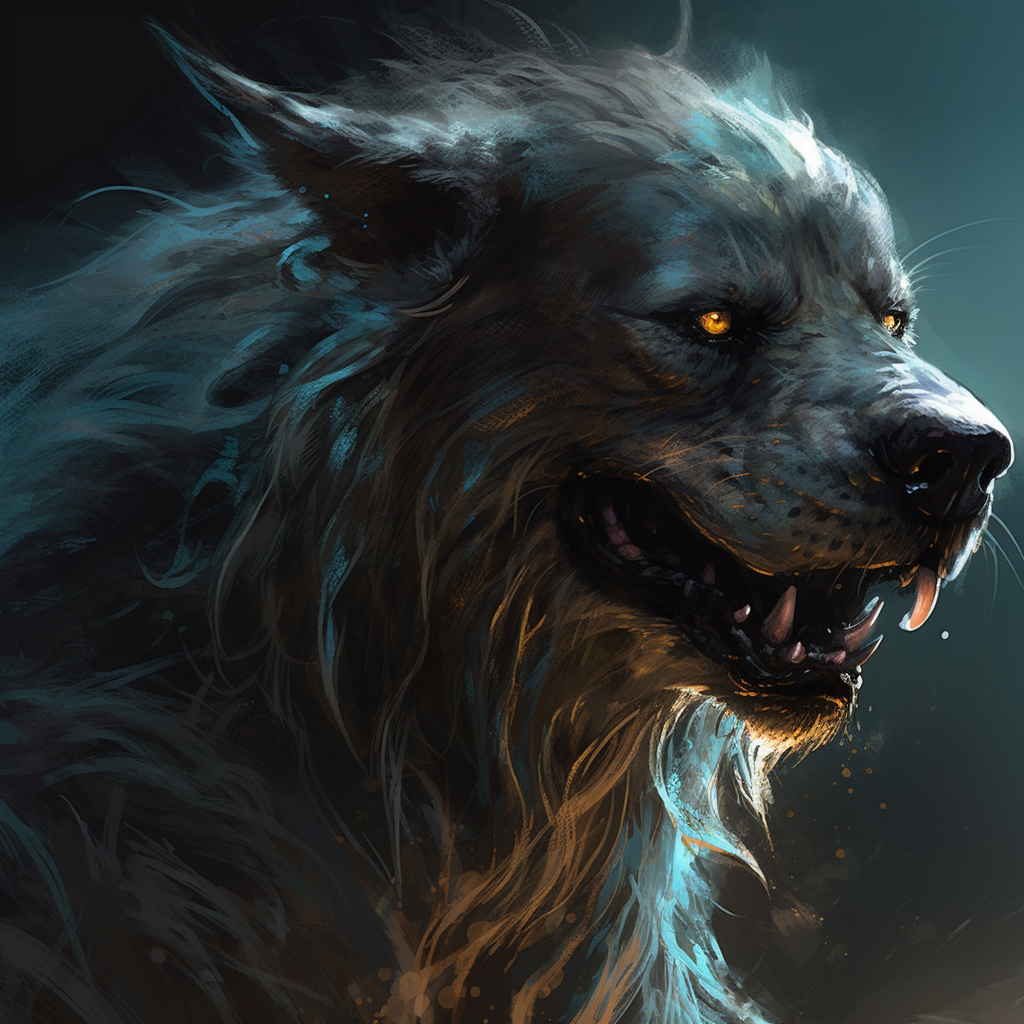
Surma
A terrible guardian associated with the gates of the underworld and violent death.
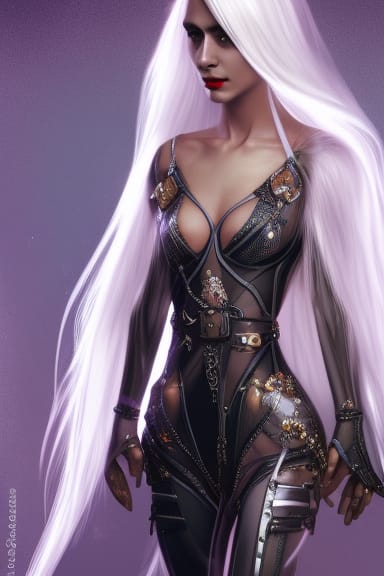
Loviatar
A dark power associated with suffering, disease and destructive forces.
Kiputytto
A figure of pain, poison and disease whose name belongs to the language of suffering and its mastery.
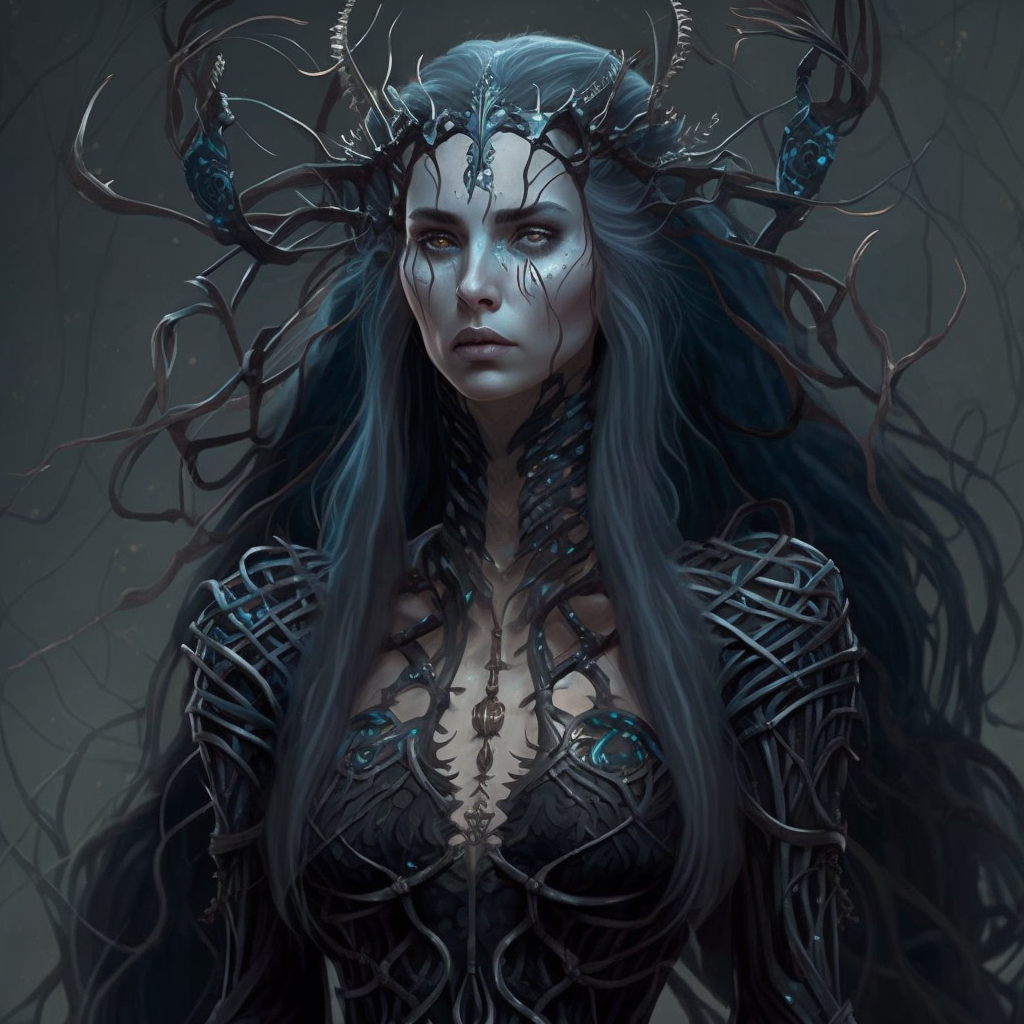
Vammatar
A power of wounds, pain and bodily misfortune.
Song, Smithcraft, Pohjola & Mythic Beings
Culture Heroes & Mythic Beings Beside the Gods
The Finnish sacred world also contains figures who stand outside a simple deity list: epic heroes, sorcerous rulers, sacred beings and monsters with roots in the same runic traditions. They keep their existing character or bestiary entries rather than being duplicated as gods.
Väinämöinen
The eternal singer and tietäjä whose songs, wisdom and contests shape the Kalevala tradition.
Ilmarinen
The eternal smith, maker of the Sampo and a figure whose older tradition also carries unmistakably divine features.
Louhi
Mistress of Pohjola, wielder of powerful magic and one of the great forces opposing the heroes of Kalevala.
Iku-Turso
An ancient sea-being of Finnish tradition, kept in the bestiary rather than duplicated as a deity page.
The Sampo
The impossible wonder forged by Ilmarinen and fought over by the powers of Kalevala and Pohjola.
Current Divine Order
What Is Happening Right Now?
Across Finland Proper, Tavastia, Satakunta, Savonia and Karelia, divine power remains rooted in landscape and custom rather than one central temple hierarchy. Forest rites matter where hunting and timber decide survival. Water powers matter beside lakes, rivers and the Baltic coast. Ukko’s weather can save or destroy a harvest, while the names of Tuonela carry weight wherever sickness, burial and dangerous crossings touch mortal life.
The pressure is growing at the boundaries. Hunters report forest paths that no longer return to the same place. Nets come back empty from lakes that were rich a season ago. Sudden storms arrive under clear skies. Burial routes are marked by footprints that begin at the grave rather than end there. None of these signs proves that one god has declared war on another, but together they suggest that the agreements separating forest, water, field and the dead are becoming less reliable.
That makes divine disputes immediately playable. A village may need Mielikki’s favour without angering Tapio. A boat crew may owe offerings to Vellamo after already promising the first catch to Ahti. A sick child may require knowledge held by powers mortals fear to name. The gods are not distant theology here: they are part of the landscape characters must cross.
Sacred Geography
Follow the Gods into the Land
Mythic Context
Tradition, Folklore & Epic Poetry
Finnish and Karelian mythic material survives through runic songs, charms, folklore collections and later literary synthesis. The result is not a single fixed family tree comparable to a neat royal genealogy. The same name can change role from region to region, and figures preserved as gods in one early source may appear as epic heroes or spirits in later tradition.
Mikael Agricola’s sixteenth-century catalogue is especially important because it preserves named Tavastian and Karelian powers long before the Kalevala was assembled. Later runic poetry adds a much richer world of forest maidens, water powers, cosmic singers, smiths and underworld beings. The entries here keep those layers visible instead of forcing every tradition into one artificial hierarchy.
Keep this reference growing
If this page helped with your reading or game, you can support its upkeep or explore the curated books.
Explore the Bookshop — epics, classics and stories behind imagined worlds.