
Surma — The Mouth of Sudden Death
At a Glance
| Nature | Surma — sudden, violent death given a voice and a hungry mouth |
|---|---|
| Tradition | Finnish and Karelian runic poetry and death-language |
| Role | A personified mortal danger, not the sovereign of the dead |
| Disposition | Neutral Evil in its hostile manifestation: predatory, merciless and patient |
| Home plane | Tuonela / Manala, the Finnish otherworld of the dead, reached across the black river |
| Associated powers | Tuoni (death-land’s lord); Kalma (the grave) |
| Signs | Sudden silence, winter tracks ending at a door, the sound of jaws opening |
| Sacred mark | An open mouth over a black river, used by wardens as a warning rather than a worship symbol |
| Followers | No established historical cult or independent clerical domains |
| Encounter | CR 16 manifested death-spirit; the underlying personification has no fixed bodily form |
At a winter wedding, the music stops when a stranger crosses the threshold. No guard recalls opening the door. One candle goes out. A silver-haired guest smiles with a mouth too wide for his face, and the bride’s father knows—without understanding how—that someone here has only moments left to live.
Surma is the name given to a sudden or violent end, speaking and hunting in the poems as though death were an unseen creature close behind the traveller. In the Kalevala, Lemminkäinen skis past the place called Surma’s mouth. The mouth opens to swallow him, but the hero escapes. What Surma looks like is never fixed by that passage. The mouth matters more than the body.
Here Surma can enter the world as a presence at the edge of a fatal event: a rider fallen through river ice, a solitary soldier abandoned after a battle, or a proud noble whose guards cannot bar death from the banquet hall. It is not simply every dead person’s ruler. Tuoni holds authority over Tuonela, and Tuonetar presides over its perilous hospitality. Surma is the violence of the threshold, and Kalma is what remains near the grave.
What Is Happening Right Now?
Death invited to a wedding. A wealthy bridegroom sent an invitation to every notable household in the valley. One card came back signed Surma. Now he intends to surround the feast with priests and soldiers and forbid his bride to leave. She has already discovered that the person marked to die is not necessarily him.
The road no one returns by. Three messengers have vanished on a short winter crossing. There are tracks leading onto the bridge, but none beyond its middle. On moonless nights a voice calls from beneath the ice, offering safe passage in exchange for the name of someone still living.
The execution that did not happen. A cruel magistrate survives his own poisoning, but each person he pardons now dies in an accident. A frightened servant believes the magistrate bargained with sudden death and left the victims’ names blank. The contract is kept in the house of a woman he meant to condemn.
Surma in the Old Songs
The Finnish Literature Society’s Open Kalevala calls Surma a poetic personification of death. The figure may appear alongside Kalma, illness or other powers of danger. The old language pictures death lying in wait for someone, rather than presenting a zoological description of a named monster.
In Rune XIII, Lemminkäinen passes Surma’s mouth while chasing the elk of Hiisi. The open jaws fail to take him. This is not the same episode as the serpent standing at Pohjola’s gate in Rune XXVI, nor the crossing of Tuonela’s river in Rune XVI. Those scenes have sometimes been combined into an enormous dog with a snake tail and a petrifying stare, but such features are not established by the surviving passages.
The Forms Seen in the World
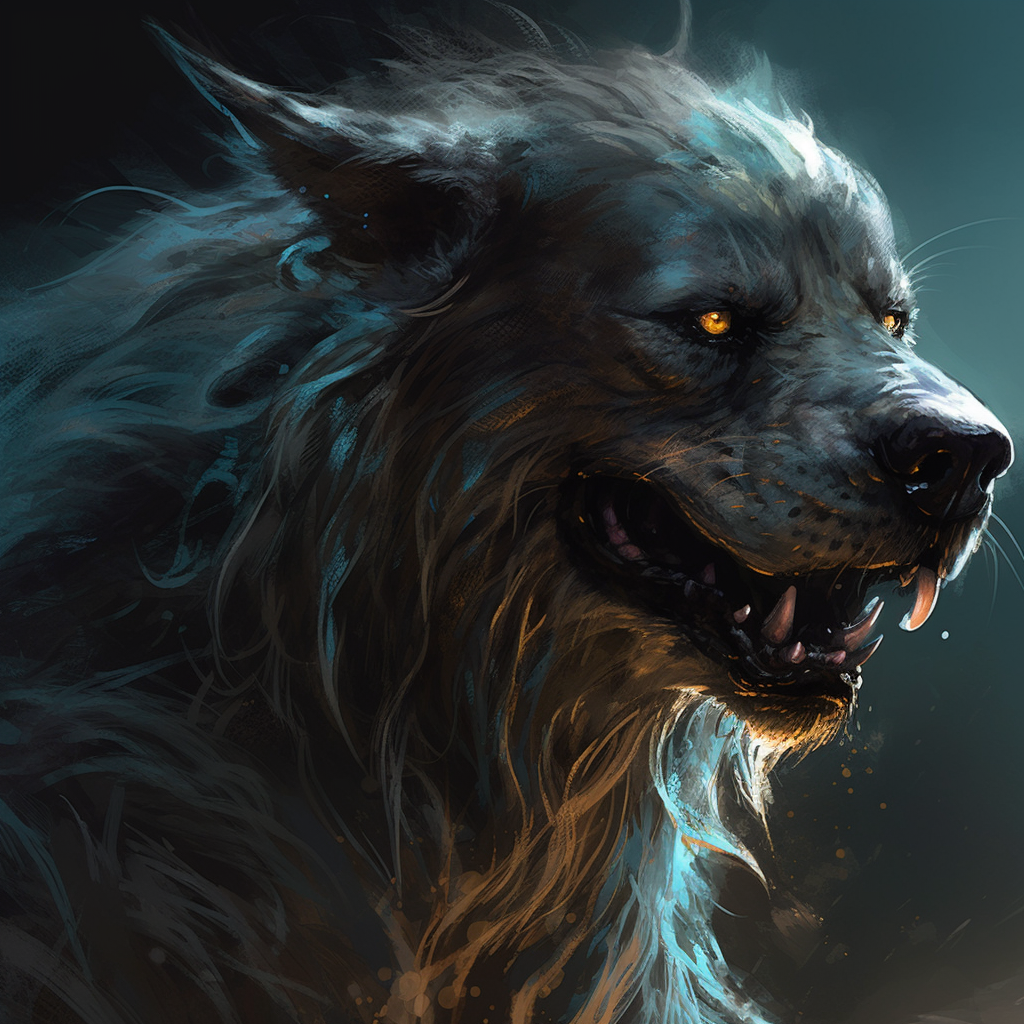
Surma has no one required appearance. In a court it may seem a pale bridegroom standing among guests; on a battlefield it becomes a rider whose cloak billows in windless air. Along a frozen road it may take the image of a massive dark hound, the local shape feared by travellers. These guises are part of this world’s fantasy, not a claim that a serpent-tailed dog was the canonical ancient Finnish figure.

What Surma Wants
Surma is not a random killer placed in the road. It exploits the moment when bravery becomes recklessness, fear becomes abandonment or a powerful person’s bargain endangers the helpless. It can speak and accept a limit, but seeks the cruelest interpretation of an unguarded promise. In its Neutral Evil aspect it profits from the suffering of another and will not let mercy override an advantage without a price.
The Black Threshold
Surma is often found on the roads that seem to lead towards Tuonela, a separate otherworld of the dead. A black river and a house without visible windows mark the boundary. No mortal kingdom owns it. The nearby marsh carries the footsteps of people whose journeys ended abruptly, while the living can still hear the distant noise of the road they have left behind.
Surma’s Mouth: At a place where an oath has been broken or a life deliberately traded away, a narrow arch may look like parted jaws. A person crossing it hears the words they most regret saying aloud. It is a warning, not proof that they are already condemned.
Unfinished Roads: Tracks stop where the border is thin. A guide who knows the old travel songs may lead a group around it without battle, or convince Surma to permit one named traveller to pass. A dishonest guide risks losing the safe route home.
Under Tuoni’s Rule: Surma cannot overrule Tuoni or Tuonetar inside their halls. It waits at the dangerous approach. An adventurer who has escaped its jaws may still face the customs of Tuonela itself.
Game Statistics
The statistics below describe one hostile manifestation of Surma. They are original adaptations, not a single ancient form or official printed Surma stat block.
Surma, Manifestation of Sudden Death
Large Fiend, Neutral Evil
AC 18 (death’s mantle); Initiative +4 (14); HP 253 (22d10 + 132); Speed 40 ft., Fly 40 ft. (Hover)
| STR | DEX | CON | INT | WIS | CHA |
|---|---|---|---|---|---|
| 22 (+6) | 18 (+4) | 22 (+6) | 14 (+2) | 18 (+4) | 20 (+5) |
Saving Throws Dex +9, Con +11, Wis +9; Skills Intimidation +10, Perception +9, Stealth +9
Resistances Cold, Necrotic; Immunities Poison; Condition Immunities Frightened, Poisoned
Senses Darkvision 120 ft., Truesight 30 ft., Passive Perception 19; Languages Finnish, Infernal, telepathy 120 ft.; CR 16 (XP 15,000; PB +5)
Traits
Death Walks Unseen. Surma can move through other creatures’ spaces as Difficult Terrain and doesn’t provoke Opportunity Attacks while moving through a creature’s space. It can’t finish movement there.
The Last Silence. A creature Surma reduces to 0 HP cannot regain HP until the end of Surma’s next turn. This effect ends early if Surma has the Incapacitated condition.
Magic Resistance. Surma has Advantage on saving throws against spells and other magical effects.
Actions
Multiattack. Surma makes three Sudden Stroke attacks.
Sudden Stroke. Melee Attack Roll: +11, reach 10 ft. Hit: 22 (3d10 + 6) Necrotic damage.
Mouth of Surma (Recharge 5–6). Surma opens the darkness within its face. Each creature of its choice in a 30-foot Cone makes a DC 19 Constitution saving throw, taking 54 (12d8) Necrotic damage on a failed save or half as much on a successful one. On a failed save, the creature also has the Frightened condition until the end of its next turn and cannot regain HP during that time.
Reactions
Near the End. When Surma sees a creature within 60 feet regain HP, Surma reduces the amount regained by 13 (3d8), to a minimum of 0.
Legendary Actions (3/round)
Surma can use three Legendary Actions, taking one at the end of another creature’s turn and regaining the spent uses at the start of its turn. Silent Step: Surma moves up to 20 feet without provoking Opportunity Attacks. Sudden Stroke (Costs 2 Actions): Surma makes one Sudden Stroke attack. Open the Mouth (Costs 2 Actions): One creature within 30 feet makes a DC 19 Wisdom saving throw, having the Frightened condition until the end of its next turn on a failure.
Surma, Manifestation of Sudden Death
Large fiend, neutral evil
Armor Class 18 (death’s mantle); Hit Points 253 (22d10 + 132); Speed 40 ft., fly 40 ft. (hover)
STR 22 (+6), DEX 18 (+4), CON 22 (+6), INT 14 (+2), WIS 18 (+4), CHA 20 (+5)
Saving Throws Dex +9, Con +11, Wis +9; Skills Intimidation +10, Perception +9, Stealth +9
Damage Resistances cold, necrotic; Damage Immunities poison; Condition Immunities frightened, poisoned
Senses darkvision 120 ft., truesight 30 ft., passive Perception 19; Languages Finnish, Infernal, telepathy 120 ft.; Challenge 16 (15,000 XP)
Traits
Death Walks Unseen. Surma can move through other creatures’ spaces as difficult terrain and doesn’t provoke opportunity attacks while moving through a creature’s space. It can’t end its move there.
The Last Silence. A creature Surma reduces to 0 hit points can’t regain hit points until the end of Surma’s next turn, or until Surma is incapacitated.
Magic Resistance. Surma has advantage on saving throws against spells and other magical effects.
Actions
Multiattack. Surma makes three sudden stroke attacks.
Sudden Stroke. Melee Weapon Attack: +11 to hit, reach 10 ft., one target. Hit: 22 (3d10 + 6) necrotic damage.
Mouth of Surma (Recharge 5–6). Creatures of Surma’s choice in a 30-foot cone must make a DC 19 Constitution saving throw, taking 54 (12d8) necrotic damage on a failure or half on a success. On a failure, a creature is also frightened until the end of its next turn and cannot regain hit points until that time.
Reactions
Near the End. When a creature Surma sees within 60 feet regains hit points, Surma reduces that healing by 13 (3d8), to a minimum of 0.
Legendary Actions
Surma can take 3 legendary actions, using one at a time at the end of another creature’s turn and regaining them at the start of its turn. Silent Step: Surma moves 20 feet without provoking opportunity attacks. Sudden Stroke (Costs 2 Actions): Surma makes a Sudden Stroke attack. Open the Mouth (Costs 2 Actions): One creature within 30 feet must succeed on a DC 19 Wisdom saving throw or be frightened until the end of its next turn.
Surma — CR 15
XP 51,200; NE Large outsider (evil, extraplanar); Init +4; Senses darkvision 120 ft., true seeing 30 ft.; Perception +27
DEFENSE
AC 30, touch 16, flat-footed 26 (–1 size, +4 Dex, +14 natural, +3 deflection); hp 210 (20d10+100)
Fort +17, Ref +16, Will +16; DR 10/good; Immune poison; Resist cold 15, negative energy 15; SR 26
OFFENSE
Speed 40 ft., fly 40 ft. (good); Melee 2 claws +27 (2d8+8 plus 1d6 negative energy); Space 10 ft.; Reach 10 ft.
Special Attacks mouth of Surma (Su), silence of the grave (Su)
STATISTICS
Str 26, Dex 18, Con 20, Int 14, Wis 18, Cha 20
Base Atk +20; CMB +29; CMD 43
Feats Combat Reflexes, Dodge, Improved Initiative, Iron Will, Mobility, Power Attack, Step Up, Toughness, Blind-Fight, Skill Focus (Perception)
Skills Intimidate +28, Knowledge (planes) +25, Perception +30, Sense Motive +27, Stealth +23; Languages Finnish, Infernal
SPECIAL ABILITIES
Mouth of Surma (Su). Once every 1d4 rounds, Surma opens a 30-foot cone of killing darkness. Creatures of its choice in the cone take 12d6 negative energy damage (Fortitude DC 25 half). A creature that fails the save is shaken for 1 round. This is a fear effect; the save DC is Constitution-based.
Silence of the Grave (Su). A creature Surma reduces to 0 hit points cannot benefit from magical healing until the end of Surma’s next turn; the effect ends early if Surma is helpless.
Surma — CR 15
Large Outsider (Evil, Extraplanar), Neutral Evil
Hit Dice 20d8+100 (190 hp); Initiative +4; Speed 40 ft., fly 40 ft. (good)
Armor Class 30 (–1 size, +4 Dex, +14 natural, +3 deflection), touch 16, flat-footed 26
Base Attack/Grapple +20/+32; Attack claw +27 melee (2d8+8 plus 1d6 negative energy); Full Attack 2 claws +27 melee (2d8+8 plus 1d6 negative energy)
Space/Reach 10 ft./10 ft.; Special Attacks mouth of Surma (Su), silence of the grave (Su)
Special Qualities darkvision 120 ft., damage reduction 10/good, poison immunity, resistance to cold 15 and negative energy 15, spell resistance 26
Saves Fort +17, Ref +16, Will +16; Abilities Str 26, Dex 18, Con 20, Int 14, Wis 18, Cha 20
Skills Intimidate +28, Knowledge (the planes) +25, Listen +27, Sense Motive +27, Spot +30, Hide +23; Feats Combat Reflexes, Dodge, Improved Initiative, Iron Will, Mobility, Power Attack, Step Up, Toughness, Blind-Fight, Skill Focus (Spot)
Mouth of Surma (Su)
Once every 1d4 rounds, Surma opens a cone of killing darkness 30 feet long. Creatures of its choice in the area take 12d6 points of negative energy damage, Fortitude DC 25 half. A creature that fails is shaken for 1 round; this is a fear effect and the DC is Constitution-based.
Silence of the Grave (Su)
A creature that Surma reduces to 0 or fewer hit points cannot receive magical healing until the end of Surma’s next turn. This effect ends early if Surma becomes helpless.
Adventures in the Mouth of Death
The Uninvited Guest
At a lord’s wedding in Karelia, one place at the banquet has been set for a stranger no one remembers inviting. The bride has seen him before at her brother’s funeral. Surma has a name written inside his glove, but the ink changes when anyone else reads it. The adventurers can track the source of the invitation, arrange a substitution that no innocent person is forced to accept, or convince the host to confess the death he arranged years before. If the party attacks Surma, the wedding hall becomes a battlefield and the frightened guests may die in the struggle.
The Last Winter Bridge
Two rival households control the road to a river crossing. A dying ferrykeeper warns that Surma claims anyone who walks the bridge after sunset. Each faction accuses the other of feeding travellers to death. In fact, a forged roadside oath binds the crossing to Surma until the first thaw. The party can find the person who wrote it, discover its exact terms or defend the last refugee caravan while a singer calls upon Tuoni to hear an appeal.
The Woman They Thought Replaceable
A winter household survives famine because one daughter-in-law works through the night while everyone else sleeps. A voice from outside begins counting which family members can be spared. When the daughter-in-law hears it call her expendable, she flees to the forest. Surma follows, but the characters have time to find her, confront the cruelty that placed her last and break the fatal bargain before it is completed. The house may be saved without giving any family member to death.
The Hero’s Narrow Escape
A boastful young champion claims he can repeat Lemminkäinen’s feat and pass Surma’s mouth unharmed. His wealthy admirer is funding the wager, while a rival has secretly marked his skis with a charm that draws the spirit closer. The heroes can expose the trick, accompany the champion or learn a song that forces the jaws to release a traveller. Winning a duel with the champion’s rival will not by itself free him from the bargain.
Running Surma
Give the party a warning before the spirit strikes: a sudden absence of birdsong, the scraping noise of a door that does not move, the wrong name spoken at a feast. Let Surma ask a question or offer terms. It is capable of malice, but it is not a beast that must stand still and exchange damage. The encounter is often about removing a stolen name from its bargain, defending someone marked for death or reaching Tuonela before the appointed hour.
Its strongest ability is the mouth, not an unsupported petrifying stare. Positioning matters. Heroes who spread out can limit the cone’s reach, while a protected wounded ally can escape before Surma’s next turn. A victory can be a completed rescue or a bargain accepted on narrower terms. The spirit’s manifestation may be destroyed in battle without abolishing sudden death from the world.
What Happens When It Is Defeated?
Surma’s body collapses into cold breath and black snow; the personification survives in the songs and dangers of mortal life. Its immediate claim is broken. A bargain genuinely completed remains part of the story, but no defeated monster may simply come back to punish characters for winning fairly.
Mythic Sources and Game Credits
Finnish Literature Society — Open Kalevala, names and commentary defines Surma as a poetic personification of death. Kalevala, Rune XIII depicts Lemminkäinen passing the opening mouth of Surma. Rune XXVI describes a serpent near the road to Pohjola; that is a separate episode. The two scenes do not establish a historical dog with a snake’s tail or a petrifying gaze. Some modern retellings do depict such a guardian; the best-supported early material does not prescribe that form.
The black threshold, bargaining spirit, local guises, iconography, encounters and four rule blocks are original campaign additions, not claims made by the old poems. Modern D&D terminology where derived from SRD 5.2.1 is used under CC BY 4.0; older open-game formats retain the applicable licences. The monster has no historically documented spell-domain list or priesthood of its own.
Keep this reference growing
If this page helped with your reading or game, you can support its upkeep or explore the curated books.
Explore the Bookshop — epics, classics and stories behind imagined worlds.