
Crown of Castile — Royal Transition and Noble Power
Castile · León · Toledo · Atlantic and Iberian Routes
At a Glance
| Political form | Composite monarchy centred on the Crown of Castile and León |
|---|---|
| Royal transition | John II dies on 21 July 1454; Henry IV succeeds him |
| Major centres | Burgos, Toledo, Valladolid, Segovia and other royal and commercial cities |
| Political pressure | Great noble houses, royal favourites, municipal privileges and succession politics |
| Southern frontier | The Nasrid realm of Granada remains independent |
| Dynastic figures | Henry IV; Prince Alfonso; Princess Isabella of Castile |
| Campaign tone | Court factions, noble leagues, royal authority, frontier war, inheritance and contested loyalty |
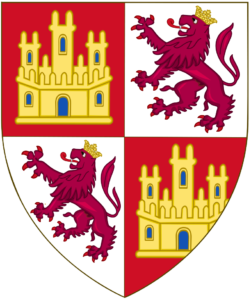
Castile is too large to be ruled by ceremony alone. Royal authority depends on nobles, municipal councils, tax collectors, military households, roads and the willingness of powerful families to accept a decision after the court has made it. A letter from the king can change a title; making the new title real may require soldiers, money and local allies.
The crown enters a succession year. John II’s death places Henry IV on the throne, while the habits of noble competition that shaped the old reign do not disappear with the funeral. Great houses test how much influence the new king will grant them, cities protect their privileges, and younger royal relatives become valuable symbols long before anyone openly speaks of succession.
What Is Happening Right Now?
A new king inherits old factions
Henry IV receives a crown already surrounded by powerful noble families and competing court networks. Every appointment signals which faction has gained ground.
The royal household is watched
Marriage, heirs, siblings and favourites matter because the realm has learned to turn family questions into political weapons.
Granada remains beyond the frontier
The southern frontier provides opportunities for campaigning, raiding, diplomacy and private ambition. A captain can gain a reputation there faster than at court.
Cities defend their privileges
Royal demands for tax, troops or supplies pass through municipal institutions that expect old rights and exemptions to be recognised.
People and Factions
- Henry IV: the new king must turn succession into stable rule without allowing court factions to define his reign for him.
- Great noble houses: magnates possess land, armed retainers and political networks capable of resisting or redirecting royal policy.
- Royal towns: cities and municipal councils provide taxation, credit, militia and administrative reach while guarding their privileges.
- Princess Isabella: a younger royal figure whose dynastic importance is already obvious even though she is not the reigning queen.
- Frontier captains: soldiers and nobles operating toward Granada can return to court with wealth, followers and ambitions of their own.
Adventure Pressure
- The dead king’s letter: an order sealed before John II’s death reaches a city after Henry’s accession. Both sides claim it is still binding.
- A disputed appointment: two nobles arrive to take the same office, each carrying authentic royal documentation issued days apart.
- The hidden genealogy: a household archive contains evidence that changes the inheritance of a strategically important lordship.
- Frontier silver: money raised for southern defence disappears before reaching the captain responsible for a vulnerable fortress.
- The princess’s road: a journey involving Isabella becomes dangerous because rival houses want influence over who reaches her first.
Historical Sources
Treccani records John II’s death in July 1454 and Henry IV’s accession that year. The later Ferdinand–Isabella union belongs to a later phase of Iberian history and is not the ruling arrangement here. Campaign relationships and adventure hooks are original.
Keep this reference growing
If this page helped with your reading or game, you can support its upkeep or explore the curated books.
Explore the Bookshop — epics, classics and stories behind imagined worlds.