
Kingdom of Navarre — Civil War in the Western Pyrenees
Pamplona · Western Pyrenees · John II · Charles of Viana · Foix
At a Glance
| Capital | Pamplona |
|---|---|
| Crown | John II retains the kingship after Queen Blanche’s death |
| Rival heir | Charles, Prince of Viana, claims the inheritance left by his mother |
| Dynastic pressure | Eleanor of Navarre and her husband Gaston IV of Foix form another powerful succession interest |
| Political state | Civil war and factional division between royal, Viana and Foix-aligned interests |
| Languages | Basque, Navarro-Aragonese, Occitan and courtly/administrative tongues across the kingdom |
| Major routes | Western Pyrenean passes, Pamplona roads and Atlantic approaches |
| Campaign tone | Mountain strongholds, disputed legitimacy, hostage politics, noble factions and dangerous border roads |
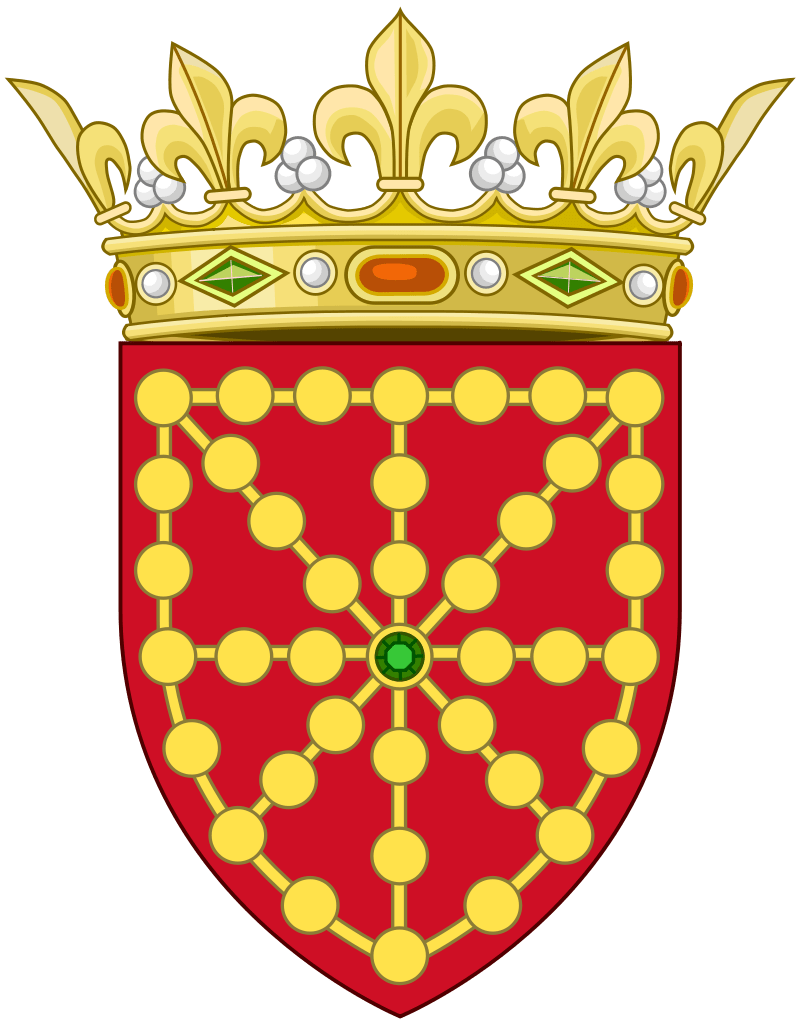
Navarre is small enough that every succession dispute becomes personal and important enough that larger neighbours cannot ignore it. The kingdom sits across the western Pyrenees, with roads leading toward Castile, Aragon and the lands north of the mountains. Whoever controls its crown controls more than Pamplona: they influence passes, fortresses, marriages and alliances connecting two sides of the range.
The central crisis began after Queen Blanche died in 1441. Her son Charles, Prince of Viana, inherited the strongest hereditary claim, but his father John retained the crown. Their conflict split Navarre into armed factions. By the campaign present, this is not a constitutional argument waiting for lawyers; it is a civil war in which charters, castles, noble households and foreign patrons all matter.
Explore: Iberian Peninsula · Castile · Aragon · Pyrenees · France
What Is Happening Right Now?
John II holds the crown
John refuses to surrender the kingship inherited through his marriage to Blanche. His authority is strongest where loyal officers, garrisons and allied noble houses can enforce it.
Charles of Viana has the hereditary claim
Charles is the son named by Blanche’s succession arrangements. Support for him is therefore not simply rebellion; many Navarrese believe they are defending the kingdom’s lawful inheritance against his father.
Eleanor and Foix watch the succession
Eleanor, Charles’s sister, and Gaston IV of Foix possess their own dynastic and military weight. Every reversal in the civil war changes how valuable their support becomes.
The mountains invite outside help
Castilian, Aragonese and French interests can reach the kingdom through family ties and Pyrenean routes. A local faction that asks for foreign support may win a battle and lose its independence.
Places and People
Pamplona
The capital is a prize because it holds records, courts, markets and symbolic authority. A change in control alters which seals, taxes and appointments are treated as lawful.
Viana and the prince’s following
Charles’s title ties him to one of the kingdom’s strongest dynastic identities. Messengers carrying his letters may be welcomed in one valley and arrested in the next.
Pyrenean passes
Mountain roads are military routes, trade corridors and escape paths. A small fortress or cooperative village can control movement more effectively than a large army in the wrong valley.
Foix connections
Marriage ties north of the mountains give Eleanor’s faction resources and contacts unavailable to purely local rivals.
Factions
- John’s royalists: officers and nobles who support the king’s continued rule and fear the instability of replacing him during war.
- Viana supporters: factions treating Charles as the rightful heir under Blanche’s settlement.
- Foix and Eleanor’s network: a dynastic alternative whose influence grows whenever father and son weaken one another.
- Town and valley interests: communities that may support whichever claimant best protects their privileges, grazing rights, tolls and local courts.
- Foreign agents: neighbouring courts want information, influence and secure routes through a divided kingdom.
Dangers and Adventure Hooks
- The queen’s testament: a newly discovered copy of Blanche’s succession instructions contains a clause missing from every version used by the rival factions.
- The prisoner exchange: a Viana captain and a royalist noble are to be exchanged at a mountain bridge. Both sides secretly plan to seize a third person attending the meeting.
- The closed pass: a fortress controlling a winter route changes allegiance overnight and traps merchants, envoys and soldiers on the wrong side of the mountains.
- The Foix marriage letter: correspondence suggesting a new dynastic bargain could shift Eleanor’s faction from observer to kingmaker.
- Pamplona’s second seal: two civic documents issued on the same day name different holders of the same office.
Travel and Law
In a divided kingdom, a passport is only as useful as the faction controlling the next gate. Parties should carry multiple introductions, avoid assuming that Pamplona’s orders bind every valley and learn which heraldic badges are safe to display before approaching a fortress.
The western Pyrenees connect Navarre to France and the wider Iberian network. South and west lie Castilian routes; east lie Aragonese interests. The Iberian Peninsula hub provides the larger political map.
Historical Sources
After Queen Blanche’s death in 1441, John II retained the crown instead of yielding it to Charles, Prince of Viana, producing the conflict that divided Navarre. Treccani’s biographies of John II and Charles and its history of Navarre describe the competing claims, civil war and later rise of Eleanor. The campaign uses that contested political reality directly rather than moving Eleanor’s eventual reign forward to 1454.
Keep this reference growing
If this page helped with your reading or game, you can support its upkeep or explore the curated books.
Explore the Bookshop — epics, classics and stories behind imagined worlds.