
North-East Africa
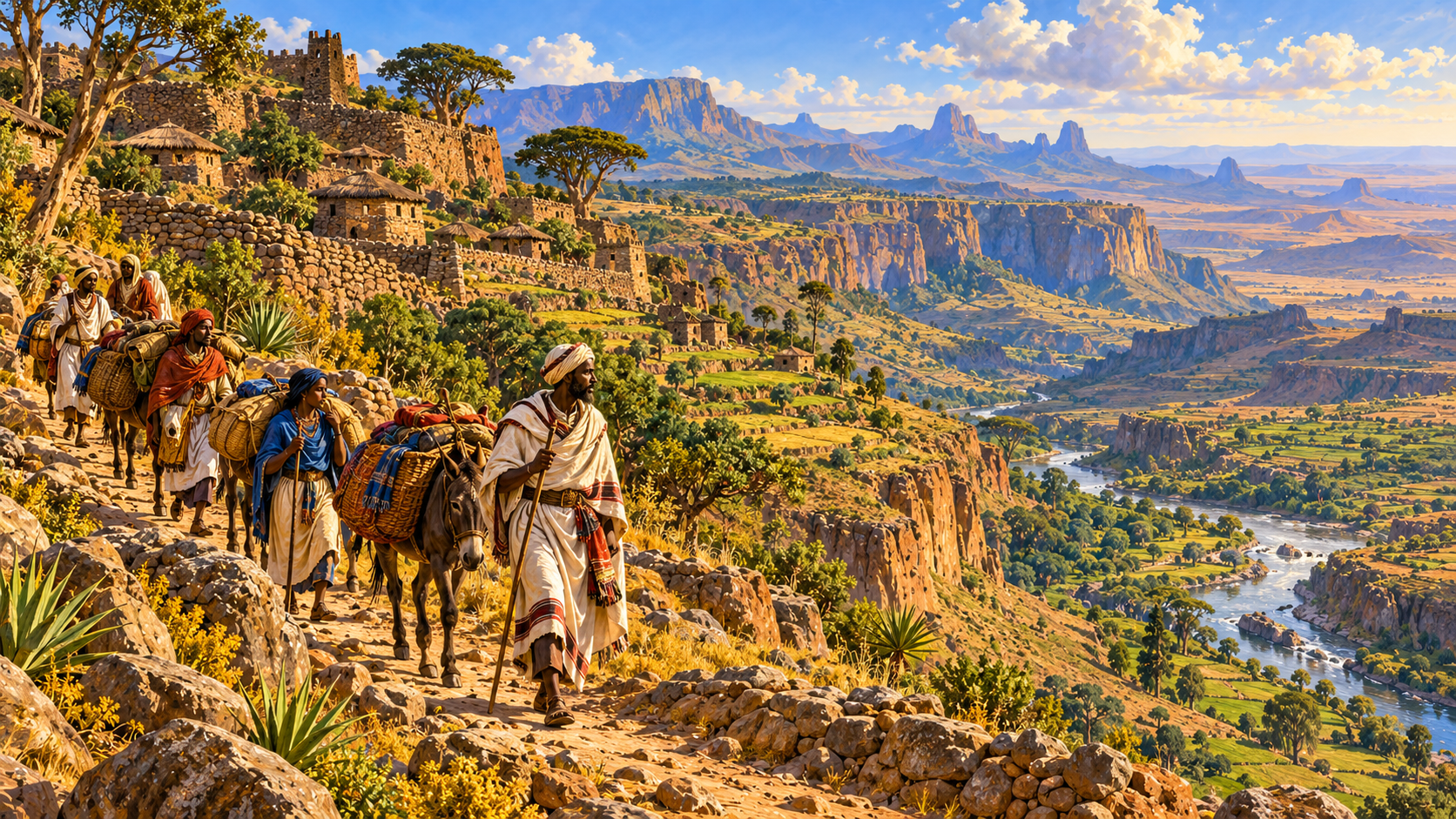
Ethiopian highlands · Adal frontier · Red Sea roads · Nile approaches · caravan country · gnoll pressure
At a Glance
| Character | Highland empires, frontier states, river corridors and caravan roads between the Nile, Horn and Red Sea |
|---|---|
| Major powers | The Ethiopian Empire under Zara Yaqob, the court of Adal, and Kemet to the north |
| Key routes | Highland roads, Red Sea approaches, Nile corridors, caravan tracks through the Horn and southern routes into East Africa |
| Common expeditions | Frontier diplomacy, armed escorts, highland travel, caravan intrigue, monster hunting and contested borderlands |
| Current pressure | The region is living in the aftermath of a major frontier war while rulers rebuild power, watch rivals and protect trade |
| Supernatural pressure | Gnoll warbands, werehyenas, sacred highlands, dangerous river crossings and old powers attached to road and wilderness |
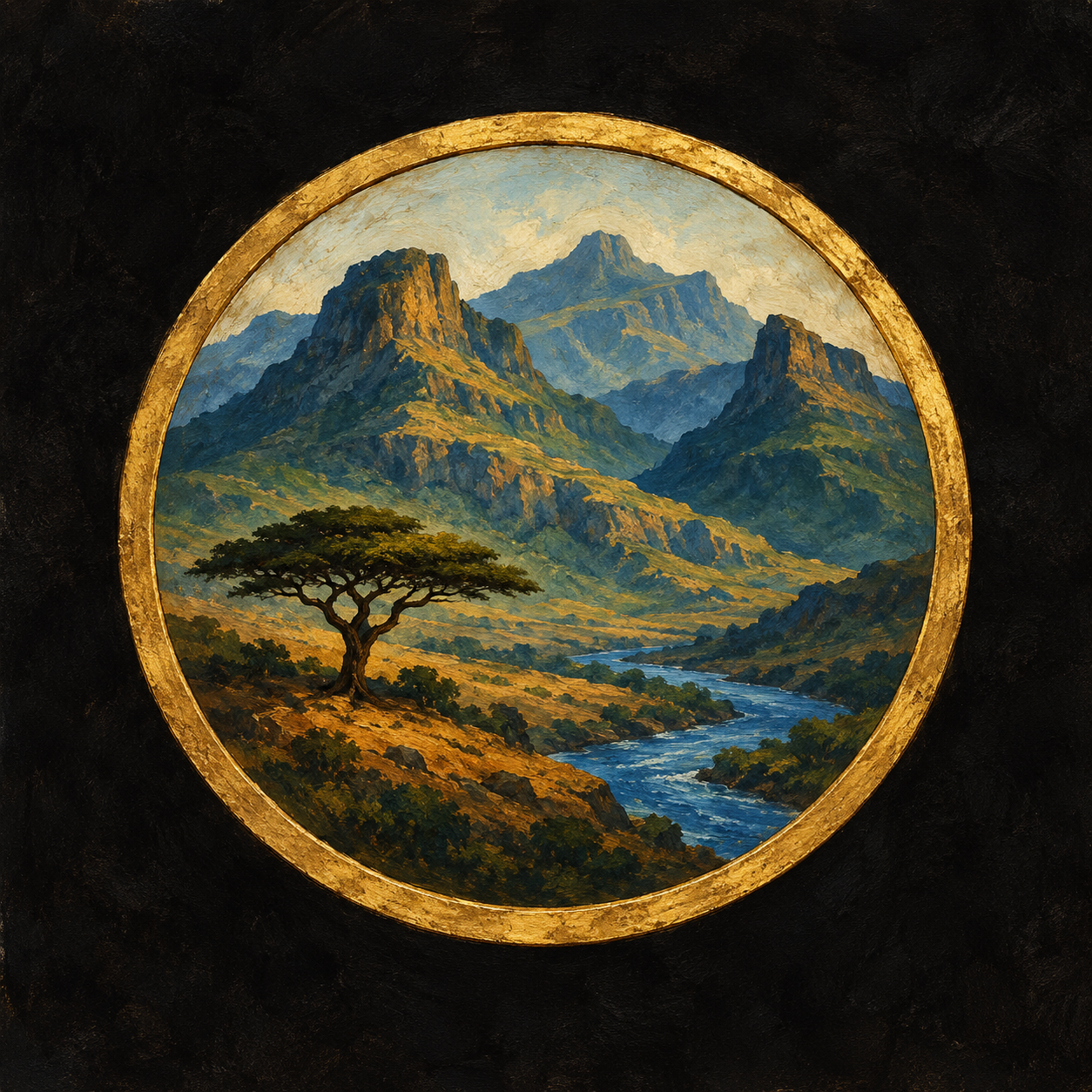
North-East Africa is a region of difficult roads and powerful neighbours. The Ethiopian highlands rise above frontier country leading east toward Adal and the Horn, north toward the Nile world and Red Sea, and south toward the routes of East Africa. Armies can cross these lands, but so can caravans, envoys, fugitives and monsters.
Explore North-East Africa
- Ethiopian Empire — highland court, armies, provincial roads and imperial politics.
- Africa — return to the continental gateway.
- Catfolk — the people of the ancient dominion of Kemet to the north.
- Gnoll — a major frontier threat on the region’s frontiers.
What Is Happening Right Now?
Zara Yaqob rules the Ethiopian Empire. His government has spent years centralising power, controlling provincial authorities and maintaining roads through a difficult highland realm. The court is strong, but strength creates enemies: provincial rivalries, frontier disputes and the movement of armed men can turn a local quarrel into imperial business.
East of the highlands, Adal and the Ethiopian Empire contest the roads between the Horn, highlands and Red Sea. Recent frontier fighting shapes every embassy, patrol and rumour. Neither court can ignore the other, yet caravans continue through the same corridors armies use.
To the north, Kemet remains an ancient Catfolk dominion. Its rulers drove gnoll raiders out of their lands; the resulting movements overwhelmed the Nubian kingdom of Maqurrah and continue south and west. These chaotic evil raiders belong to fragmented clans and rival warbands, each pursuing its own prey, territory and feuds. Armed retainers, disputed tolls, rival guides, water shortages and local feuds can be more immediate than a monster attack.
Powers and People on the Roads
- Ethiopian imperial agents carry orders, taxes, petitions and military intelligence between the court and provincial authorities.
- Adal envoys and riders watch the frontier and protect routes leading toward the Horn.
- Kemet merchants and messengers arrive from the Nile and Red Sea systems with goods, contracts and political interests.
- Caravan guides know wells, highland passes and local authorities better than any continental map.
- Gnoll warbands remain an armed threat where old migration and conflict have left unstable territory.
Landmarks and Routes
The Ethiopian Highlands
Steep approaches and high plateaus make movement predictable: roads, bridges, passes and fortified settlements matter. A small force holding the right route can delay a much larger one.
The Red Sea Approaches
Routes descending toward the coast connect inland courts with shipping and foreign goods. Control of a port road may be worth more than nominal possession of empty country.
The Nile Corridor
North-western travel eventually feeds toward Kemet’s river world. River settlements and desert crossings create a chain of markets, tolls and military watchpoints.
The Horn Roads
Caravan routes link pastoral country, market towns and coastal approaches. Guides and local agreements are essential where water and grazing determine the practical road.
Where Travellers Rest and Resupply
Travellers rely on highland towns, court compounds, market settlements, caravan camps, river stops and coastal staging points. A party moving between political zones needs letters, interpreters, guides and pack animals as much as coin. In exposed country, access to water and fodder determines how far a group can move before it must negotiate with local authority.
Magic, Sacred Places and Services
North-East Africa’s magical life belongs to local landscapes and peoples. Highland shrines, river powers, diviners, healers, oath keepers and specialists attached to royal or local courts may provide aid, but no single sacred system covers the region. Kemet’s divine networks belong to the Nile world; frontier communities and highland traditions have their own obligations and dangers.
Dangers and Encounters
- Gnolls raiding or migrating through disputed country.
- Werehyenas and other shapechangers associated with the Horn and Sahel.
- Forest Bulls in dangerous wild country.
- Mountain weather, flash floods, broken bridges and difficult high-altitude travel.
- Border patrols, toll disputes and armed escorts who disagree about who has jurisdiction.
Trouble on the Roads
The Emperor’s Sealed Road
An imperial dispatch must cross a highland pass before a rival faction learns its contents. The official escort has vanished, and the replacement guide insists the quickest road is haunted.
The Border Well
Two armed groups claim the same desert well. Both possess convincing seals. A caravan cannot continue until the dispute is settled, and gnoll scouts have already found the track.
The Rider from Adal
An Adal messenger arrives wounded with proof that someone is trying to restart a war neither court currently wants. He will only surrender the evidence to a neutral party.
The Bull in the Cloud Forest
Pack animals are disappearing along a highland road. Local hunters blame an enormous bull, but the tracks lead repeatedly to a ruined watch station.
Travel, Authority and Law
Authority changes with the road. Imperial officers, local governors, caravan leaders, town authorities and frontier commanders may all demand tolls, papers or explanations. Travellers should know whose seal is recognised at the next checkpoint, where animals may graze, who controls a ferry or pass, and whether armed strangers are expected to report themselves on arrival.
History and Older Powers
Kemet is an ancient Catfolk dominion whose river settlements and sacred places long predate the present frontier struggles. South of its borders, Nubian towns and river crossings connect the Nile world with highland and desert roads. The fall of Maqurrah has left old toll stations, ruined strongholds and displaced households among the territories contested by rival gnoll clans.