
The Abyss — Infinite Demon Plane of Chaos and Ruin
The Abyss — Infinite Demon Plane of Chaos and Ruin
Part One: The Abyss — Parent Plane Hub
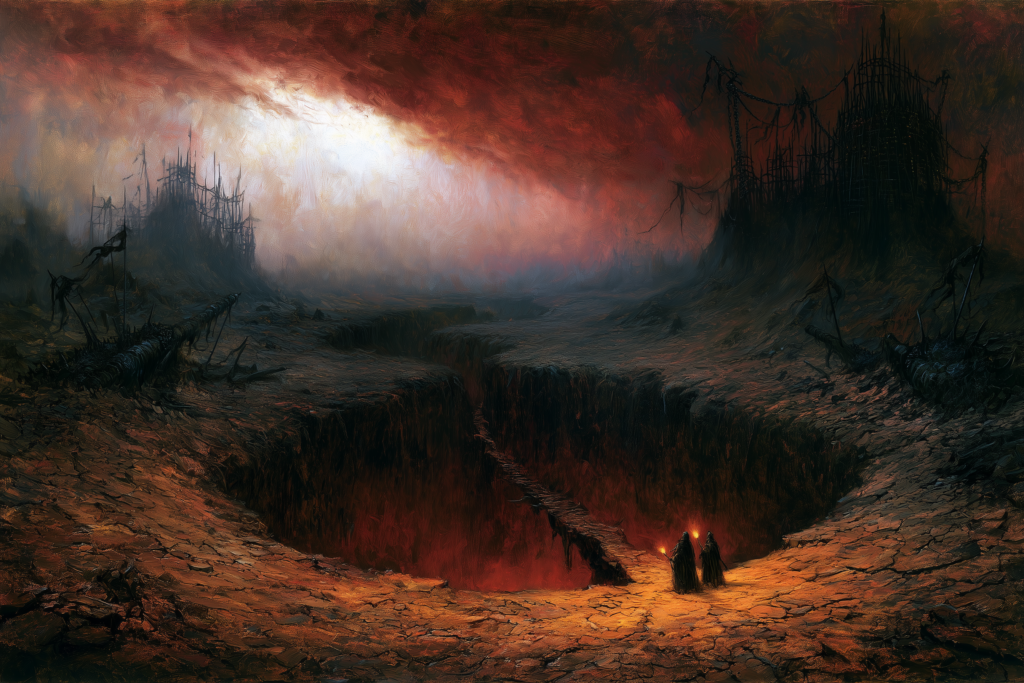
The Abyss is the plane where appetite becomes country, violence becomes weather, and every road eventually learns to bite.
- Plane Type: Outer Plane
- Moral Gravity: Chaotic Evil
- Common Names: The Abyss, the Infinite Layers, the Bottomless Wound, the Demon Deep
- Primary Function: Source-plane of demons, abyssal corruption, ruinous freedom, anti-law, predatory appetite, and collapse without judgement
- Usual Arrival Point: Unreliable; many travellers first reach a portal-plain, wound-road, gate-canyon, battlefield breach, or demon-held mustering ground
- Primary Inhabitants: Demons, manes, demon lords, abyssal sovereigns, corrupted mortals, captives, scavenger souls, abyss-touched beasts, ruined warbands, and things older than demon-kind
- Travel Reliability: Hostile, unstable, deceptive
- Campaign Role: Parent-plane hub, demon-source, corruption engine, planar war-front, soul-rescue destination, and high-danger expedition plane
The Abyss is not Hell.
Hell is tyranny, contract, punishment, hierarchy, and cruelty with architecture. The Abyss is hunger without discipline, violence without measure, freedom without conscience, and desire without a border. It does not simply punish the wicked. It breeds them, devours them, remakes them, and teaches their shadows to open doors.
The Abyss is the campaign’s great wound below law. It is the plane from which demons rise, where mortal souls are degraded into abyssal matter, where demon lords carve realms from their own appetites, and where every attempt at order eventually becomes prey.
No map of the Abyss is final. The old number 666 is useful as a scholar’s warning, not as a true limit. Some planar catalogues name hundreds of layers; others insist that the plane is functionally infinite. Both can be true in play. The Abyss is large enough to make numbering a form of superstition.
Begin with the plane’s inhabitants, hostile roads and changing borders, then use the catalogue of Abyssal layers to choose a destination. The catalogue preserves named realms, disputed numbers and conflicting accounts; an entry is a lead to investigate, not a promise of safe passage.
First Expedition into the Abyss: The Map That Eats Names
A survivor returns with a route to a prison holding six missing travellers. The map is accurate, but each journey erases one name from its margin. The people whose names disappear are then forgotten by the map’s owner, including why they needed rescuing.
Before the Crossing
Give the party a named prisoner to recover, a witness who remembers them and a return gate that will close when the third watch ends. The survivor’s journal contains seven paid rescue contracts but only six names. A blank space beside a child’s portrait shows what the map has already taken.
What Changes inside
The map offers a shortcut through a camp of freed captives. Taking it transfers the next loss to somebody in the camp. Following the longer route preserves the captives’ names but risks missing the return gate. At the prison, the stolen names are kept on iron tags beside the gaoler’s keys.
Ways to Bring Someone Home
The party can recover the tags, persuade the captives to help hold the gate, or negotiate for a prisoner while securing another witness’s memory. Leave at least one route that rewards cooperation. A failed rescue should change an obligation or the journey home, rather than erase every chance to continue.
Use the layer catalogue to place the prison, then choose inhabitants from the demon bestiary. For more locations, complications and preparation prompts, compare the adventure-design books below; those offers contain affiliate links.
Cosmological Role
The Abyss is destructive chaos given geography.
It stands against law, oath, border, inheritance, court, covenant, temple, city, and memory. It hates Hell not because Hell is evil, but because Hell is organised. The war between demons and devils is not a moral struggle between good and evil. It is a war between two methods of damnation: the chain and the flood.
The Abyss is also a threat to the mortal world because it does not need to conquer a kingdom in order to damage it. One summoning circle, one battlefield massacre, one plague-house, one desecrated shrine, one revenge cult, one corrupt noble, one failed saint, or one grief-maddened wizard can give it a wound to push through.
Demons invade because stable worlds offend them. A gate invites breaking. A vow invites betrayal. A city invites riot. A king invites dismemberment. A summoner invites everything.
What the Abyss Is
- A source-plane of demons, not merely a place where demons live.
- A geography of moral collapse, where landscape expresses rage, hunger, envy, lust, rot, pride, despair, betrayal, and appetite.
- A broken archive of failed worlds, because ruined cities, dead heavens, abandoned fortresses, drowned kingdoms, and conquered cult-realms can sink into it.
- A war engine, endlessly producing soldiers, monsters, corruptors, and parasites.
- A temptation, because it offers power without patience, revenge without judgement, and freedom without consequence.
- A plane of predatory instability, not random nonsense.
The Abyss should never feel silly. Its chaos is not slapstick. It is the kind of chaos that knows where the throat is.
Layers of the Abyss
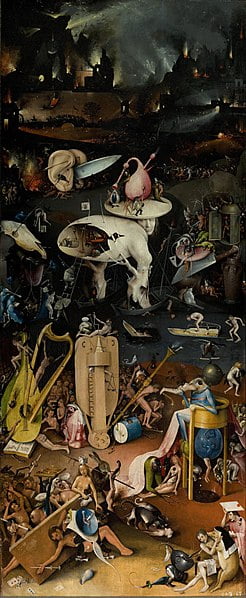
The Abyss is traditionally described through numbered layers, but those numbers are not a complete or stable map. They are scholar tools, demonologist shorthand, infernal intelligence records, survivor testimony, and fragments from older planar atlases. The Abyss changes, duplicates names, swallows realms, hides roads, and sometimes allows different travellers to find different truths under the same number.
A layer is a destination with its own rulers, hazards and histories. The numbered catalogue below distinguishes known, claimed, disputed and source-attested realms while the following sections explain the dangers shared across the plane.
In play, a layer may function as a realm, prison, battlefield, wound-road, demon lord’s seat, dead god’s remnant, divine exile, soul-market, spawning ground, fortress, wilderness, or disputed territory. Some layers are stable enough to be recognised by generations of planar travellers. Others are known only because one terrified survivor wrote the number down before dying.
The most important campaign rule is simple: the Abyss is not organised by mortal convenience. Its layers can be numbered, but they are not obedient. A route that worked once may fail later. A gate may demand a different price. A layer may change its face when a demon lord falls, a god withdraws, a soul-market burns, or a mortal army mistakenly believes it has conquered evil.
The catalogue that follows should therefore be treated as a dangerous reference, not a safe map.
Using Abyssal Layers in Play
- Use the parent hub when you need the Abyss as a force. Breaches, corruption, demon incursions, soul-loss, summoning scars, planar war, and moral pressure all belong here.
- Use the catalogue when the campaign needs a precise destination. Specific layer names, numbers, rulers, prisons, realms, and source-attributed locations belong in Part Two.
- Choose a destination before drawing a route. One named layer, a recent witness and a reason to return give an expedition a clear purpose.
- Keep source names as scholar names where useful. Older planar names can appear as demonologist terminology without becoming the only truth of the campaign.
- Separate catalogue claims from divine residence. Older atlases may attribute a realm to a deity whose established home lies elsewhere. Such an entry can be a disputed claim, a shrine, a stolen name or a passage to the deity’s true realm.
- Read older religious allusions as source context. Their appearance in an atlas does not establish active powers or sacred history in this campaign.
- Use “demon lord” as the default title. “Prince of Demons” is a singular title belonging to Demogorgon.
Laws of the Plane
The Abyss hates law, but it has patterns.
Appetite Makes Territory
A powerful enough hunger becomes geography. A demon lord does not merely rule a layer. The layer begins to resemble the lord’s appetite.
Borders Bleed
Layer-boundaries drift, tear, merge, split, and lie. A map is useful only when paired with a recent witness, a true name, a gate-key, or a sacrifice the plane recognises.
Oaths Rot Unless Fed
Promises made in the Abyss decay quickly unless sealed by blood, iron, magic, true names, divine witness, mutual fear, or something worse. Even then, the plane searches for loopholes.
Wounds Become Roads
Battlefields, murder sites, plague pits, desecrated shrines, broken gates, betrayal chambers, and mass graves can become temporary roads into the Abyss.
Summoning Leaves a Scent
Every summoning leaves a trace. A careless mortal may think the spell ends when the circle closes. The Abyss knows better.
The Plane Rewards Collapse
The Abyss rewards rage, panic, betrayal, indulgence, and spite. It does not always punish restraint immediately. Sometimes it waits until restraint becomes costly.
Mercy Is Not Weakness
The plane tries to make compassion look foolish. That is one of its oldest lies. Mercy in the Abyss must be guarded, armed, and deliberate, but it remains one of the few forces the plane cannot fully digest.
Abyssal Powers and Profane Realms
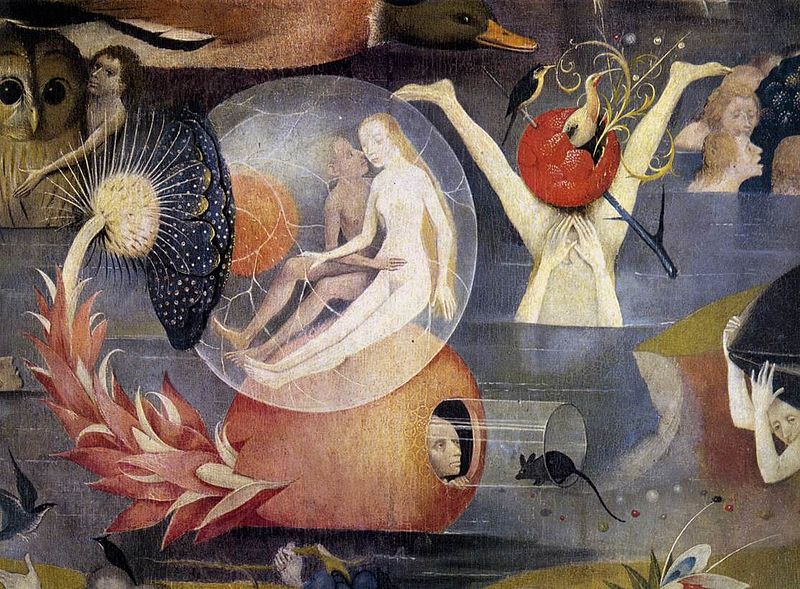
The Abyss contains demon lords, abyssal sovereigns, ancient pre-demonic horrors, plague-rulers, corpse-kings, seducer-queens, beast-lords, slime powers, spider powers, dead-god remnants, captive powers, and things older than the current order of demon-kind.
Do not treat every powerful Abyssal ruler as a god.
Demon Lord is the default campaign title for a major Abyssal ruler with cultic, regional, or layer-level power.
Prince of Demons is not a generic title. It belongs to Demogorgon alone. Other Abyssal rulers have their own titles, claims and rivalries.
Abyssal Lord may be used for a major Abyssal ruler whose power is significant but not yet confirmed as equal to the greatest demon lords.
True deities possess divine rank. A demon lord may have worshippers, temples, rites, priests and cults without automatically becoming a god; devotion and divine nature are different kinds of power.
Avatar, herald, cult-form, true divine form, and domain-empowered form should remain separate if a demon lord later receives a deity-style page.
This parent hub treats Abyssal powers as dangerous sovereigns first. Their precise rank, divine status, heralds, avatars, true forms, and layer-bound realms belong on individual creature, demon lord, or deity pages.
Inhabitants
Demons
Demons are the dominant children and citizens of the Abyss. They are not one culture.
Some are battlefield predators. Some are corruptors. Some are courtiers. Some are parasites. Some are philosophers of ruin. Some are living weapons. Some are barely more than mobile appetite. Some are older than the current order of the Abyss and remember when demon-kind had different masters.
Older planar scholars divide demons into families such as common demons, ancient pre-demonic horrors, possessing spirits, and unclassified abyssal breeds. Those categories are useful to demonologists, but travellers usually need simpler questions:
- Can it be bargained with?
- Does it understand fear?
- Does it serve a demon lord?
- Can it follow us home?
- What does it want more than killing us?
- What does it become if it eats a soul?
Manes, Abyssal Larvae, and Soul-Dregs
Mortal souls swallowed by the Abyss often become degraded, pale, crawling things: the lowest demonic matter. Some become Abyssal Larvae, soul-dregs not yet strong enough to become true demons but already claimed by the plane’s hunger. Others are consumed, reshaped, pressed into service, or broken down into the raw stuff of future fiends. A few survive long enough to become worse.
Soul-rescue stories should be rare but powerful. The Abyss does not let go of the dead easily, and not every soul found there is still the person the living came to save. A rescued larva may be a soul in time, a remnant of a person, a trap laid by a demon lord, or a moral question the party cannot solve with a sword.
Mortal Cultists and Abyss-Touched Servants
The Abyss uses mortals because mortals can open doors demons cannot.
Cultists, warlocks, failed saints, assassins, artists, plague-doctors, rebel captains, grieving parents, tyrants, courtiers, mercenary lords, and scholars may all become useful to it.
Not every abyss-touched mortal believes they serve evil. Many believe they serve freedom, beauty, vengeance, truth, justice without courts, release from hypocrisy, or the destruction of corrupt authority.
The Abyss is most dangerous when it is half-right.
Captives, Exiles, and Survivors
The Abyss contains prisoners, slaves, lost travellers, stolen souls, fallen armies, renegade devils, broken angels, cursed heroes, failed conquerors, and communities that survive by terrible compromise.
These beings matter. A party should not be able to solve an Abyss expedition by killing every moving thing.
Law
The Abyss is not lawless because nothing has consequences. It is lawless because consequences are personal, violent, unstable, and enforced by power.
Killing a random demon usually creates no ordinary legal problem, but it may create a political one. That demon may belong to a demon lord, brood, fortress, pact, vendetta, cult, or experiment.
Killing a captive, envoy, oath-bound servant, recognisable person, mortal prisoner, fallen angel, enslaved soul, or noncombatant survivor is different. The party still carries moral and political responsibility even when the plane itself rewards brutality.
The clean campaign rule is:
In the Abyss, law rarely protects you, but consequence always follows you.
Travel and Arrival
Most routes into the Abyss are bad ideas. The common ones are simply the bad ideas that work.
Common Routes
- Astral gates
- Demon-summoning circles gone wrong
- Wound-roads from battlefields, plague pits, murder sites, and desecrated shrines
- Cursed mirrors, wells, caves, pits, doors, paintings, and plague-houses
- River routes through underworld waters
- Bargains with demonologists, night hags, yugoloth guides, traitor angels, or abyss-touched saints
- Layer-portals identified by dangerous scholar records
- Soul-trails followed after death, murder, failed resurrection, or wrongful burial
Leaving the Abyss
Leaving should be harder than arriving.
A safe exit usually requires one of the following:
- A known gate-key
- A true name
- A guide who has betrayed someone else first
- A divine or planar anchor
- A bargain with a power
- A rescued soul who remembers home
- A road opened from outside
- A spell performed at the correct wound
- A sacrifice the party will hate making
Do not make every exit impossible, but make every exit meaningful.
Planar Effects
Abyssal Drift
The longer a creature remains in the Abyss, the more the plane searches for a matching weakness: rage, envy, hunger, despair, cruelty, cowardice, pride, grief, obsession, lust, or the desire to be free of consequence.
This should not be automatic alignment change. It should be pressure, temptation, nightmares, mutations, bargains, and bad choices.
Geography Mutation
The Abyss changes around strong emotion, mass violence, broken vows, demonic attention, and repeated sin.
A battlefield may become a valley. A lie may become a bridge. A wound may become a door. A betrayal may become a staircase. A prayer made in hatred may become a gate.
Portal Hunger
Abyssal portals are not neutral architecture.
Some want keys. Some want memories. Some want blood. Some want names. Some want one traveller to arrive damaged. Some open only after the party has done something they cannot explain to anyone good.
Contagious Summoning
A site where demons have been summoned repeatedly becomes easier to breach. Old circles should be treated like infected wounds in the world.
False Civilisation
Some Abyssal realms look ordered. This is not safety. It is bait, hierarchy, courtly cruelty, or a demon lord’s personal aesthetic.
Game Rules for the Abyss
The rules below are mechanics compatible for different game editions.
The Abyss 5.5e
The Abyss Pathfinder 1e / 3.5e
The Abyss 5.5e-Compatible Rules
Plane Traits
Moral Gravity: Chaotic Evil
Travel Stability: Unstable
Rest Safety: Unsafe unless warded
Dominant Threats: Demons, corruption, hostile terrain, false bargains, portal misdirection, soul predation
Recommended Tier: Tier 3–4 for direct expeditions. Lower-level parties should encounter Abyssal breaches, cult sites, one-room incursions, summoned demons, or temporary wound-roads rather than the full plane.
Abyssal Pressure
A non-demon creature that completes a long rest in the Abyss, crosses a major layer boundary, accepts an abyssal bargain, witnesses a major demonic rite, or sleeps in an unwarded Abyssal region must make a DC 15 Wisdom saving throw.
On a failure, the creature gains 1 Abyssal Strain.
Abyssal Strain is not alignment change. It is pressure.
| d6 | Manifestation |
|---|---|
| 1 | Rage becomes easier than patience. |
| 2 | Hunger, thirst, lust, greed, or ambition sharpens unnaturally. |
| 3 | The creature dreams of a demon offering the correct solution. |
| 4 | The creature becomes suspicious of all authority and restraint. |
| 5 | The creature hears a portal calling from somewhere nearby. |
| 6 | The creature’s shadow, reflection, or voice briefly behaves independently. |
At 3 Abyssal Strain, the creature gains one campaign-appropriate flaw until the strain is reduced.
At 5 Abyssal Strain, the creature becomes visibly abyss-touched and has disadvantage on saving throws against demons, abyssal bargains, possession, corruption, and fear effects while on the plane.
Abyssal Strain can be reduced by consecrated refuge, major acts of mercy or self-command, remove curse, greater restoration, successful return to a strongly warded home-plane sanctuary, or destroying the demon, rite, gate, or pact that caused the strain.
Navigation Challenge
To travel intentionally from one Abyssal region or named layer to another, run a group challenge.
Base DC: 16
Useful Skills: Arcana, Insight, Investigation, Perception, Religion, Survival
Goal: 6 successes before 3 failures
On success, the party reaches the intended region, named layer, or a recognisably adjacent danger.
| d6 | Failure Result |
|---|---|
| 1 | The party arrives near the intended destination but loses time, supplies, or secrecy. |
| 2 | The party reaches a hostile neighbouring layer. |
| 3 | A demon lord, abyssal power, or local ruler notices the route. |
| 4 | One party member gains 1 Abyssal Strain. |
| 5 | The route closes behind them. |
| 6 | Something follows them through. |
Warded Rest
A safe long rest in the Abyss requires shelter and a warding method: magic circle, hallow, forbiddance, consecrated relic, true-name ward, iron boundary, angelic seal, ancestral protection, or a comparable campaign tool.
Without such protection, a long rest is interrupted unless the party succeeds on a DC 17 group check using appropriate skills. Failure brings a wandering threat, dream assault, bargain-offer, environmental hazard, portal shift, or demonic notice.
Abyssal Bargains
A demon can offer immediate help:
- Advantage on one check, attack roll, or saving throw
- A spell slot restored
- A gate opened
- A secret revealed
- A demon enemy delayed
- A dead guide located
- A curse suppressed for 24 hours
- A route made visible
- A captive’s location revealed
The price should not be random. It should connect to the demon’s nature and the party’s current goal.
| d10 | Price |
|---|---|
| 1 | A true name |
| 2 | A memory of home |
| 3 | A drop of blood freely given |
| 4 | A future favour |
| 5 | Permission to enter a dream |
| 6 | Silence about a crime |
| 7 | A rescued soul left behind |
| 8 | A promise not to kill a named demon |
| 9 | A holy object broken |
| 10 | A map copied by the demon |
Abyssal Terrain Hazards
| Hazard | Effect |
|---|---|
| Blood Rain | DC 15 Constitution save or gain the poisoned condition until the end of the next short rest. |
| Flesh Wind | DC 16 Strength save or be knocked prone and pushed 20 feet. |
| Portal Sinkhole | DC 16 Dexterity save or fall into a minor portal and arrive separated nearby. |
| Memory Gnats | DC 15 Wisdom save or lose one prepared route detail until a short rest. |
| Rot Fog | DC 15 Constitution save or lose the benefit of spending one Hit Die during the next short rest. |
| Howling Sky | DC 15 Wisdom save or suffer disadvantage on the next concentration check or fear-related save. |
| Betrayal Echo | DC 15 Charisma save or the creature’s next spoken promise is heard by a nearby demon. |
Abyssal Breach: Lower-Level Use
For lower-level campaigns, do not send the party into the Abyss. Bring a controlled piece of the Abyss into the world.
An Abyssal breach might be:
- A cellar portal beneath a murder-house
- A battlefield wound that opens only at night
- A shrine corrupted by repeated summoning
- A plague pit where the dead speak in demon voices
- A noble’s mirror that shows an unknown Abyssal road
- A cave where every oath sounds like a scream
For Tier 1–2 play, use one demon, one hazard, one mortal cult problem, and one closing condition.
The Abyss Pathfinder 1e / 3.5e-Compatible Rules
Plane Traits
Alignment Traits: Strongly chaotic, strongly evil
Structure: Infinite or functionally infinite layers
Magic: Chaotic and evil magic is often enhanced by local conditions. Lawful and good magic may be impeded in especially hostile regions at the GM’s discretion.
Navigation: Knowledge (planes), Survival, Spellcraft, and divination magic are essential.
Rest Safety: Unsafe unless warded
Abyssal Exposure
A non-demon creature that spends 24 hours in the Abyss, crosses a major layer boundary, accepts an abyssal bargain, enters a demon lord’s seat of power, or rests in an unwarded region must attempt a DC 16 Will save.
On a failure, the creature gains 1 Abyssal Strain.
At 3 Abyssal Strain, the creature takes a –2 penalty on saves against charm, compulsion, fear, possession, and abyssal corruption effects while in the Abyss.
At 5 Abyssal Strain, the creature becomes abyss-touched. Demons gain a +2 bonus on Bluff, Intimidate, Sense Motive, and caster level checks against the creature while both are in the Abyss.
Abyssal Strain can be reduced by atonement, break enchantment, remove curse, limited wish, miracle, wish, consecrated planar sanctuaries, or major story actions that reject the specific corruption.
Navigation
Finding a known gate, layer-road, or portal route requires a Knowledge (planes) DC 20 check.
Difficult, hidden, hostile, or actively shifting routes increase the DC to 25–30.
| d6 | Failure by 5 or More |
|---|---|
| 1 | Wrong layer |
| 2 | Hostile arrival point |
| 3 | Separated party member |
| 4 | Demon notice |
| 5 | One Abyssal Strain |
| 6 | Portal closes or changes destination |
Warded Camps
Creating a defensible camp requires appropriate magic or a Knowledge (planes) or Survival DC 20 check. Without a ward, roll for an encounter, terrain assault, dream attack, bargain-offer, or portal disturbance during each rest period.
Impeded Magic Option
In especially hostile layers, spells with the lawful or good descriptor require a caster level check DC 20 + spell level. Failure means the spell is lost with no effect.
Do not apply this everywhere. Use it to make specific layers feel oppressive.
Abyssal Terrain Hazards
| Hazard | Effect |
|---|---|
| Blood Rain | Fortitude DC 15 or sickened for 1 hour. |
| Flesh Wind | Reflex DC 16 or knocked prone and moved 20 feet. |
| Portal Sinkhole | Reflex DC 17 or displaced to a nearby encounter area. |
| Memory Gnats | Will DC 15 or –2 penalty on Knowledge and Survival checks for 1 hour. |
| Rot Fog | Fortitude DC 16 or natural healing is halved for 24 hours. |
| Howling Sky | Will DC 16 or shaken for 1d6 rounds. |
| Betrayal Echo | Will DC 16 or the creature’s next oath, promise, or secret is carried to a nearby demon. |
Running the Abyss
The Abyss works best when it is dangerous but not incoherent.
Use it for:
- Soul-rescue expeditions
- Demon-lord politics
- Cult consequences
- Planar war
- Broken summoning sites
- Undead-demoniac crossovers
- Temptation stories
- Corrupted freedom movements
- High-level survival horror
- Roads to specific demon realms
- Failed crusades
- Lower-plane diplomacy
- Horrors that follow the party home
Avoid using the Abyss as random monster soup. Every layer should have an appetite. Every demon should want something. Every road should cost something. Every safe place should have a reason it has survived.
The strongest Abyss stories are not “can the heroes kill demons?”
They are “what must the heroes refuse to become while surviving among demons?”
Adventure Hooks
The Gate Under the Battlefield
A recent battle leaves a red wound in the earth. At night, the dead whisper from below, and carrion demons crawl out wearing the faces of soldiers from both armies.
The wound is not yet a permanent gate, but every revenge killing near it makes it wider.
The party must close the wound before an entire battlefield sinks into the Abyss.
The Lord’s Empty Fortress
A demon lord has left its body-fortress guarded while its astral will moves elsewhere. Several rival powers want the fortress destroyed, stolen, awakened, or secretly protected.
The party is hired to enter the fortress in the Abyss and recover one mortal soul trapped inside its walls.
The soul is still alive, but it has become part of the fortress’s memory.
The Name That Crawled Home
A summoned demon is banished, but the summoner’s true name returns from the Abyss first.
It crawls through mirrors, legal documents, marriage contracts, grave markers, court records, songs, family stories, and dreams, changing the summoner’s past so the demon was always owed a door.
The party must follow the name into the Abyss and steal it back before the mortal world accepts the rewritten history.
Mythic and Historic Context
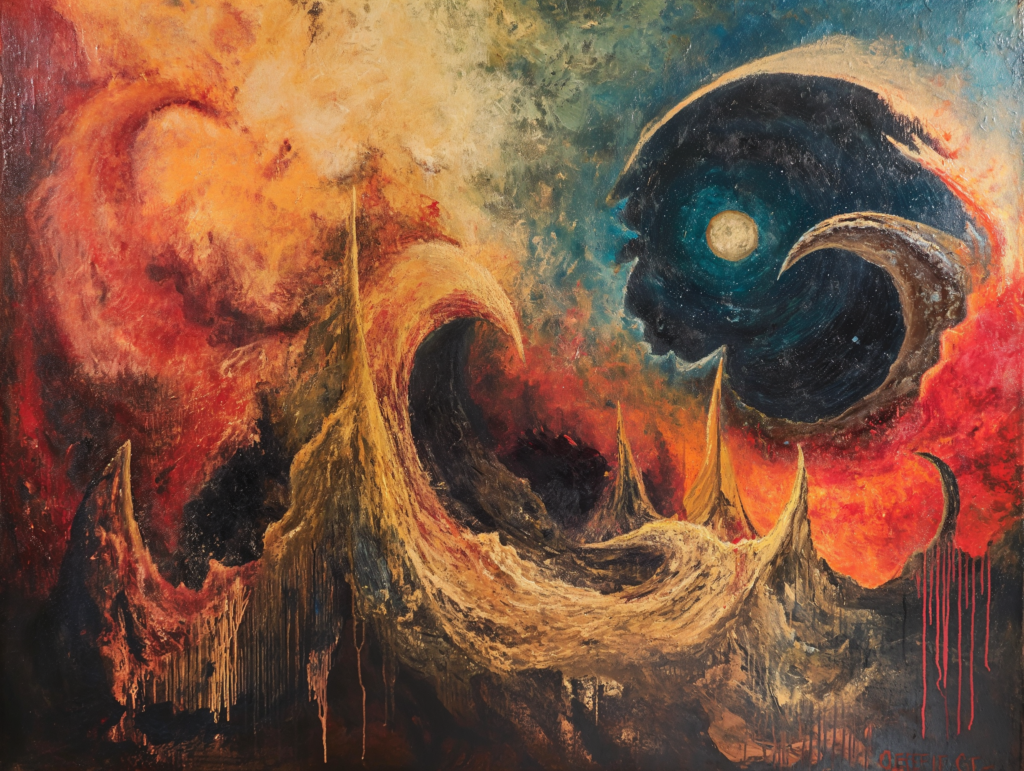
The word abyss descends through Latin from Greek abyssos, meaning bottomless, unfathomed, or without depth. For campaign use, the name is best treated as a mythic image before it is treated as a map: a place that cannot be fully sounded, measured, numbered, or closed. See the Online Etymology Dictionary entry for abyss.
Classical myth offers a strong parallel in Tartarus, the deep pit beneath the world and the prison-place below ordinary mortal life. The Abyss is not identical to Tartarus in this campaign, but both images share the same mythic grammar: descent, imprisonment, depth, punishment, and the terror of a lower world that is not simply underground but cosmologically beneath order. See Theoi: Tartaros.
Modern fantasy roleplaying developed the Abyss as an infinite or functionally infinite Outer Plane of demons, demon lords, corruption, violence, and destructive chaos. The existing page preserves older layer-catalogue material and a long tradition of treating the Abyss as both a numbered scholar map and a functionally bottomless plane. This revised parent hub keeps the layer catalogue separate so the main page explains how the Abyss works rather than becoming a full atlas.
In the campaign, the Abyss should not be written as a direct borrowing from any living religion’s theology. It is a fantasy Outer Plane built from older mythic images of bottomless depth, monstrous descent, ruined appetite, corrupted freedom, demonic predation, and the collapse of law.
Part Two: Scholar Catalogue of Known Abyssal Layers
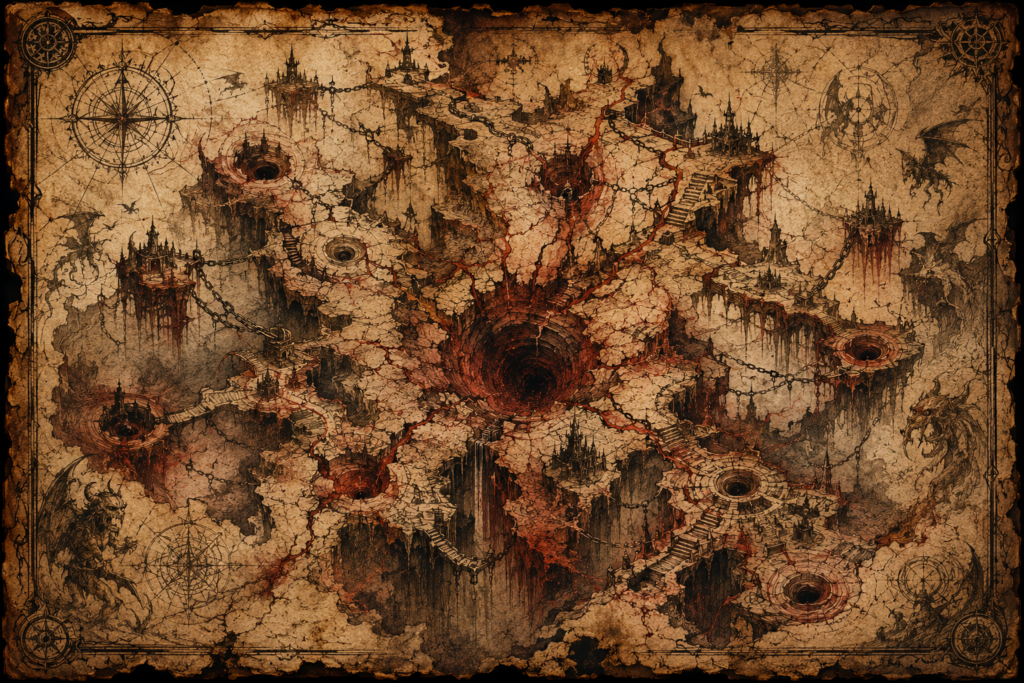
A demonologist’s reference to known, claimed, disputed, variant, and source-attested layers of the Abyss.
Using This Catalogue
This catalogue preserves the numbered-layer tradition for Game Masters, planar travellers, demonologists, cult investigators, and scholars who need named references.
This is not a safe map. The Abyss changes, lies, duplicates names, devours realms, hides roads, and sometimes allows different travellers to find different truths under the same number. A layer number is useful, but it is not absolute proof that the same road, ruler, gate, or landscape will still be there when the party arrives.
Each entry below should be treated as a campaign lead. Some layers of the Abyss are stable enough to be recognised by generations of planar travellers. Others are disputed, partially attested, source-bound, abandoned, conquered, hidden, renamed, or known only from a single broken record.
How the Catalogue Is Read
Abyssal layers are numbered because scholars, demonologists, infernal spies, and survivors need some way to speak about them without going mad. The numbers are useful, but they are not law. They mark discovery, rumour, route, habit, and old planar bookkeeping as much as geography.
The old number 666 remains the most famous count of the Abyss, but no honest traveller treats it as a wall. Some layers are lost. Some are misnumbered. Some change rulers. Some split, merge, vanish, or answer to several names. Others are known only because a dying scholar wrote a number beside a gate and someone later believed him.
This catalogue therefore records known names, disputed names, variant numbers, rulers, realms, prisons, and dangerous traditions. It is not a clean atlas. A contradiction in the catalogue is not always a mistake. In the Abyss, two records can disagree because the layer lied to both travellers differently.
Use demon lord as the normal title for major Abyssal rulers. Prince of Demons belongs to Demogorgon alone. Gods, dead gods, captive powers, demon lords, abyssal sovereigns, and local tyrants are not the same kind of being, and the catalogue should preserve those differences rather than flatten them.
When a layer bears a divine name, treat that entry as a piece of Abyssal geography: a realm, prison, shrine, corpse-shadow, battlefield, echo, or source tradition. The deity’s own entry remains the authority for divine rank, worship, portfolio, forms, and final cosmological place.
Scholar Catalogue of Known, Claimed, Variant, and Disputed Layers
| Layer | Name | Catalogue Note | Use in Play |
|---|---|---|---|
| 1 | Pazunia / Plain of Infinite Portals / Plain of Yawning Pits | The first layer in many catalogues; a vast portal-plain marked by pits, gates, iron fortresses, demon roads, and passages to deeper layers. | Use as the main arrival layer when the party needs to enter the Abyss without immediately committing to a deeper named realm. |
| 2 | Driller’s Hives | Realm of Tharzax the Chattering Prince. | A chittering hive-layer of boring tunnels, cracked stone, and insectile demon labour. Use when the Abyss needs industry without order. |
| 3 | The Forgotten Land | Realm of Zzyczesiya the Ungrasped. | A lost or erased layer where names, maps, victories, and identities come loose. Use for memory-theft and vanished expeditions. |
| 4 | The Grand Abyss | A bottomless, near-infinite canyon containing portals to almost every other Abyssal layer. | Core travel layer. Use as the main vertical route through the Abyss and the best place to make travel itself feel hostile. |
| 5 | Wormblood | Claimed or poorly understood layer. | A parasite, blood, and buried-worm horror layer. Keep its exact nature uncertain until a journey demands it. |
| 6 | Realm of a Million Eyes | Home to the Great Mother, a beholder-associated Abyssal power. | Use only when beholder powers have a clear campaign role. Its gaze should feel like geography, not just surveillance. |
| 7 | Phantom Plane | Realm of Sess’Innek, demon lord of the lizard kings. | A reptilian demon-lord realm of ghost-water, old scales, half-real swamps, and ancestral predator cults. |
| 8 | The Skin-shedder / Skindjur | Realm of Volisupula the Flensed Marquesse. | A body-horror layer of flaying rites, stolen skins, false renewal, and identities worn as garments. |
| 9 | Burningwater / Messaqqio | Claimed or poorly understood layer. | A fire-water layer where rivers burn, rain scalds, and drowning and immolation become the same death. |
| 10 | That Hellhole | Scholar slang or surviving expedition name; true name uncertain. | Use as an unreliable survivor-name. Nobody agrees what it is called because almost nobody returns sane enough to formalise it. |
| 11 | Molrat | Claimed or poorly understood layer. | A useful blank catalogue name for burrow horror, gnawing darkness, or a demon ecology that has not yet been mapped. |
| 12 | Twelvetrees | Claimed or poorly understood layer. | A corrupted grove, hanging wood, oath-tree forest, or false sacred woodland. Good for druidic corruption without making the whole layer fey. |
| 13 | Blood Tor / Bloodtor | Older catalogues associate it with Beshaba and Umberlee. | In the campaign, this is not automatic divine residence. Use it as a blood-soaked high place, storm-tor, or cursed shrine unless the relevant deity entries confirm more. |
| 14 | The Steaming Fen / Trondheim | Realm of the Queen of Chaos. | A major chaos-war layer and ancient Abyssal command point. Use when the Abyss needs primordial strategy rather than mere savagery. |
| 15 | Dammerung / The Courts of Mustering | Known in some catalogues as a mustering layer associated with the balor Gurtheoinir. | A demon-army assembly layer. Use for troop musters, failed discipline, balor-led hosts, and Blood War pressure. |
| 16 | The Endless Graveyard | A known or claimed graveyard layer. | Use for endless battle-dead, failed burial, corpse roads, and soul retrieval before the campaign escalates to Thanatos. |
| 17 | Pleroma / Varsam / Death’s Reward | Realm of Abraxas the Unfathomable. Sources vary on the name. | Use for occult lore, false transcendence, magical secrecy, and bliss that consumes souls. Preserve all three names as scholar variants. |
| 21 | The Sixth Pyre | Realm of Kardum, Lord of Balors. | A balor war-layer, pyre realm, or army-forging hellscape. Fire here should feel ceremonial and military. |
| 23 | Iron Wastes | Home to Kostchtchie, demon lord of frost giants. | The primary frost-giant demon-lord layer. Use for frozen conquest, giant cults, iron cold, and brutal strength politics. |
| 27 | Malignebula | Realm of Lissa’aere the Noxious. | A poison-cloud and disease-vapor layer. Useful for airborne corruption, visibility loss, and illness that behaves like weather. |
| 32 | Sholo-Tovoth, the Fields of Consumption | Realm of Turaglas the Ebon Maw. | A devouring-field layer. Use for famine, hunger, cannibal craving, acid oceans, and landscapes that digest travellers. |
| 45–47 | Azzagrat | Triple realm of Graz’zt, rival of Demogorgon. | A major political, courtly, seductive, and urban Abyssal realm. Use for intrigue, pleasure-courts, diplomacy with evil, and beautiful traps. |
| 48 | Skeiqulac / The Ocean of Tears / Nerebdian Vast | A known layer placed between Azzagrat and Shaddonon in some catalogues; often described as rulerless or coveted by Graz’zt. | A sorrow-sea, exile-ocean, or contested post-Azzagrat layer. Good for naval Abyss travel without making it Demogorgon’s ocean. |
| 49 | Shaddonon | Realm of Rhyxali / Melinoe, Princess of Shadow. | A shadow-court layer of hidden queens, eclipse worship, false night, and betrayals no light can prove. |
| 52 | Vorganund | Claimed or poorly understood layer. | A contested or unstable catalogue layer. Keep it vague until a campaign needs a layer with no accepted ruler. |
| 53 | Phage Breeding Grounds | Realm associated in some catalogues with Urae-Naas, a slaad lord; described in visceral, decaying terms. | Because slaad are not demons, treat this as an infected cross-planar wound. It should feel wrong even by Abyssal standards. |
| 57 | Torturous Truth | Realm of Alvarez the Purging Duke. | A layer for confession, torture, judgement-corruption, pain-as-revelation, and inquisitors who have forgotten mercy. |
| 65 | Court of the Spider Queen | A spider-queen layer listed separately from the Demonweb Pits in some catalogues. | Use as a disputed spider-court, outer web, or rival shrine. Do not duplicate the Demonweb Pits unless the campaign needs two spider realms. |
| 66 | The Demonweb Pits | Spider-queen realm associated here with Arachnadia. | A spider-web realm associated here with Arachnadia: sacred, predatory and political, with routes suspended through vertical web geography. |
| 67 | The Heaving Hills | Verrangoin realm. | A living-landscape layer, parasite hill-country, or crawling terrain where the ground has moods and appetites. |
| 68 | The Swallowed Void | Claimed or poorly understood layer. | An absence, hunger, disappearing-road, or void-pocket layer. Useful when the Abyss eats geography itself. |
| 69 | The Crushing Plain / Gibbering Hollow | Disputed layer identity. One list gives The Crushing Plain; other catalogues give Gibbering Hollow. | Keep the conflict visible. Use The Crushing Plain for pressure and gravity horror, or Gibbering Hollow for madness, voices, and living noise. |
| 70 | The Ice Floe | Claimed or poorly understood layer. | A drifting frost layer distinct from the Iron Wastes. Use for isolation, moving ice, and false safety over black water. |
| 71 | Spirac | Hunting grounds of demon lords. | A pursuit layer. Use for demon hunts, escaped prey, sport-killing, and expeditions where being seen is the beginning of death. |
| 72 | Darklight | Realm of Nocticula the Undeniable. | A realm of darkness, revelation, assassination, forbidden beauty, and dangerous freedom. |
| 73 | The Wells of Darkness | Prison-realm for demon lords including Shami-Amourae, Ansitif, and Ebulon. | A prison layer for trapped or forgotten Abyssal powers. Use when the question is not “how do we kill it?” but “who imprisoned it, and why?” |
| 74 | Smargard | Associated with Merrshaulk, Ramenos, the Viper Pit, and the Silent Temple in older catalogues. | A jungle-source cluster of serpent, amphibian, and silent-temple traditions. The campaign does not make every named god resident here by default. |
| 77 | The Gates of Heaven / The False Gate | Older catalogues associate this layer with Munkir and Nekir. | In the campaign, this is not an Abrahamic layer. Use it as The False Gate: a non-Abrahamic Abyssal prison whose older name survives as a demonologist’s mistranslation. |
| 79 | The Emessu Tunnels | Realm of Anarazel the Daring Darkness. | A subterranean darkness-layer of buried gates, shadow-mines, and things that become braver when no one can see them. |
| 81 | Blood Shallows | A known layer in several catalogues. | A shallow blood-sea, battlefield drainage, or red-tide layer. Good for wading horror and exposed bodies under a clean sky. |
| 88 | The Gaping Maw / Brine Flats / Abysm | Home to Demogorgon, Prince of Demons. | Major core layer. Prince of Demons belongs to Demogorgon alone. Use for sea-horror, divided rule, madness, and imperial predation. |
| 89 | Shadowsea | Oceanic realm of Dagon, an ancient abyssal sea power. | A deep-sea Abyssal horror layer. Use when the ocean is older than demons and remembers the dark before gods. |
| 90 | The Guttering Cove | Realm of Ilsidahur the Howling King. | A layer of apes, howling courts, savage royalty, and ruined jungle-coasts. |
| 92 | Ulgurshek | Claimed or poorly understood layer. | A blank scholar entry suitable for a buried god-carcass, old obyrith territory, or a layer that is more body than landscape. |
| 99 | Unnamed Contested Layer | Contains several distinctive realms, including demon-spawning grounds, a lightning realm, and portals toward Juiblex and Kali-associated layers in older catalogues. | A contested multi-realm layer. Its association with Kali is preserved as an Abyssal claim, echo or portal tradition rather than a declaration of her true divine residence. |
| 100 | The Barrens | Realm associated with Oublivae; described in some catalogues through ruins of past and future civilisations. | A civilisational ruin-layer, apocalypse preview, or prophecy-wreckage destination. Use when the Abyss shows mortals the ruins they have not built yet. |
| 111 | The Mind of Evil | Realm of Sch’theraqpasstt the Serpent Reborn. | A serpent-mind, thought-corruption, psionic horror, or blasphemous wisdom layer. |
| 113 | Thanatos | Realm of Orcus, demon lord of undeath. | Major death-layer and undead-Abyss crossover. Use for corpse kingdoms, failed resurrection, and souls that should have escaped death but did not. |
| 128 | Slugbed | Realm of Lupercio, Baron of Sloth. | A layer of sloth, sleep, decay, sinking flesh, and slow drowning horror. |
| 137 | Outcasts’ End | Realm of Azazel, associated in older catalogues with scapegoats and exile. | Abrahamic-adjacent in older naming. In the campaign, use only as a renamed exile-layer, scapegoat prison, or source note. |
| 142 | Lifebane | Older catalogues associate it with Chemosh from Dragonlance. | The campaign treats this as a source-attested death-god claim, not automatic cosmology. Use only if Chemosh receives campaign placement. |
| 148 | Torrent | Claimed or poorly understood layer. | A flood, cataract, river-violence, or drowning-road layer. |
| 176 | Hollow’s Heart | Realm of Fraz-Urb’luu; appears flat, colourless, and featureless through his illusions. | A deception layer of false emptiness, stripped perception, blank horizons, and magic-spoiling terrain. |
| 177 | The Writhing Realm | Realm of Ugudenk the Squirming King. | A worm, burrow, constriction, or under-earth swallowing layer. |
| 181 | The Rotting Plain | Realm of Laogzed, troglodyte god. | A rot-field and carrion plain. The catalogue preserves the god-claim; the campaign does not force divine residence without deity treatment. |
| 191 | Fountain of Screams | A known rulerless or disputed layer in some catalogues. | A voice, torment, sonic horror, or confession-spring layer. |
| 193 | Vulgarea | Realm of Eshebala, foxwoman goddess. | A fox-mask, seduction, vanity, and predatory glamour layer if Eshebala is adopted later. |
| 222 | Shedaklah / The Slime Pits | Home to Juiblex and Zuggytmoy. | Major slime, ooze, fungus, rot, and digestion layer. Use when the environment itself is eating the adventure. |
| 223 | Offalmound | Former realm of the dead god Moander in older Forgotten Realms material. | A dead-god offal layer. Use as remnant, corpse-cult, or source note unless Moander is adopted. |
| 230 | The Dreaming Gulf | Windy realm containing dreams of dead gods. | A layer for dead-god visions, false prophecy, dream salvage, and divine afterimages. |
| 241 | Palpitatia | Realm of the bugbear gods Grankhul and Skiggaret. Related creature: bugbear. | A goblinoid fear, stealth, and divine-terror layer if the campaign develops those gods. |
| 245 | The Scalding Sea | Claimed or poorly understood layer. | A boiling ocean, steam, scalding pilgrimage, or drowned-fire layer. |
| 248 | The Hidden Layer | Realm of Eltab. | A sealed, concealed, or intentionally erased demon-lord layer. Use when the map itself is the prison. |
| 274 | Durao | Gateway layer and mustering ground for Abyssal armies preparing for the Blood War. | A war-camp, invasion route, and demon-army staging layer. |
| 277 | Belistor | Listed in some catalogues as Yrsillar’s realm. | A disputed demon-lord realm. Use if Yrsillar becomes important or if the campaign needs a layer with an uncertain master. |
| 297 | The Sighing Cliffs | Realm of Lady Lynkhab. | A layer of regret, self-destruction, mournful seduction, and cliff-road journeys. |
| 300 | Feng-Tu | Older catalogues associate it with Tou Mu and Lu Yueh. | A culturally specific divine-claim layer. The catalogue preserves the claim; campaign truth waits on deity placement. |
| 303 | The Sulfanorum | Claimed or poorly understood layer. | A sulphur, smoke, choking-fire, or demon-mining layer. |
| 313 | Gorrison’s Grasp | Site of Illssender’s Tower. | A tower-focused expedition layer. Use for imprisoned molydei, balor politics, or a vertical fortress crawl. |
| 333 | The Broken Scale | Some older notes associated this layer with Loki, but other catalogues associate it with Hiddukel. | Hiddukel is the stronger catalogue attribution. The competing association with Loki is a disputed report rather than proof of his residence here. |
| 340 | The Black Blizzard | Claimed or poorly understood layer. | An ash-snow, cold-dark, blindness-storm, or frozen-cinder layer. |
| 348 | Fortress of Indifference | Ruled by Tapheon the nalfeshnee; former realm of Thralhavoc. | A judgement, apathy, tribunal, and demon-bureaucracy layer. Evil here is not passionate; it is administrative. |
| 357 / 359 | The Arc of Eternity | Realm of Eldanoth the Bloodless Scion. Numbering varies between catalogues. | A disputed-number layer of time loops, bloodless immortality, frozen ritual, and aristocratic undeath. |
| 377 | Plains of Gallenshu | Claimed or poorly understood layer. | A dust, motion, decay, and flesh-powder layer. Use when the horizon never stops moving. |
| 380 | Hungry Tarns | Poisonous fens and black bottomless lakes; formerly associated with Sertrous in some catalogues. | A serpent-poison, fen, tarn, or drowned conspiracy layer. |
| 399 | The Worm Realm | Realm of Urdlen, gnome god. | A divine-claim layer. Use as a worm, greed, and buried-corruption realm only after the god’s campaign place is decided. |
| 400 | Woeful Escarand | Nalfeshnee court where newly arrived Abyssal Larvae, and sometimes other demons, are judged. | A soul-processing and demon-judgement layer. Use for larva politics, grotesque bureaucracy, and the lie that the Abyss has courts. |
| 403 | The Rainless Waste | Site of Mal Arundak, the City of Confusion; fallen archon realm. | A layer of fallen order, false cities, corrupted certainty, and angels remembered incorrectly. |
| 421 | White Kingdom | Ruled by the King of Ghouls, once a vassal to Orcus and Yeenoghu, now a free agent. | A ghoul kingdom with unstable allegiance. Use when undead politics slip out of Orcus’s direct control. |
| 422 | The Seeping Woods | Realm of Yeenoghu, demon lord of gnolls. | Major predation, hunger, pack-war, and savage hunt layer. |
| 423 | Galun-Khur | Claimed or poorly understood layer. | An unexplored catalogue name suitable for a broken citadel, old gnoll-road, or abandoned demon march. |
| 444 | Morass of the Adarus / Unnamed Layer 444 | A layer named in some catalogues as the Morass of the Adarus and left unnamed in others. | A marsh, infestation, corruption, or disputed-number layer. Use the contradiction as part of the terrain. |
| 452 | Ahriman-abad | Realm of Ahrimanes, Chief of the Cacodaemons. | Because cacodaemons are daemon-linked rather than demon-linked, this is a suspicious cross-lower-plane catalogue entry. Use for daemon/demon border politics. |
| 471 | Androlynne | Realm of Pale Night. | Major ancient demon-mother layer. Use for origin-horror, hidden parentage, and old evil that predates the current Abyssal order. |
| 480 | Guttlevetch | Known or claimed layer appearing in some broader lists. | A gut, gluttony, digestion, or living-stomach layer until more source detail is added. |
| 487 | Lair of the Beast and Mansion of the Rake | Realm of Kanchelsis, vampire god. | A vampire-deity claim layer. Use as beast-palace, blood manor, or undead aristocratic horror if Kanchelsis is adopted. |
| 489 | Noisome Vale | Ruled by the balor Tarnhem. | A balor-ruled valley, stinking battlefield, or lesser warlord layer. |
| 493 | The Steeping Isle | Realm of Siragle the Ineffable. | A drowned, steeped, alchemical, or infusion-corruption layer. |
| 499 | Carroristo | Claimed or poorly understood layer. | A caustic sea and fortress-island layer. Use for hezrou, sea demons, baatezu scars, and naval sieges. |
| 500 | Unnamed Layer 500 | Listed as an unnamed known layer in some catalogues. | The source tradition leaves this layer unnamed and undescribed. Its blank entry gives explorers room to encounter a realm absent from the surviving atlas. |
| 503 | Torremor | Realm of Pazuzu. | Major aerial, tower, wind, and predatory-flight layer. |
| 507 | Occipitus | Former realm of Adimarchus, demon lord of madness. | A former demon-lord realm. Use for madness, relic rule, contested succession, and corrupted celestial remains. |
| 518 | Melantholep | Possibly nesting grounds of chole dragons, or possibly a layer ruled by an unknown demon lord. | Keep the uncertainty. The question of whether Melantholep is a place, ruler, or both is the hook. |
| 519 | March of the Pierced Men | A torture-layer paired thematically in some lists with the Forest of Living Tongues. | A layer of punishment roads, impaled processions, body-horror armies, and public torment. |
| 523 | Lakes of Fire Desert | Rocky desert containing the Lakes of Fire. | A fire-desert without a confirmed demon lord. Use for pilgrimages, burning lakes, and desert gates. |
| 524 | Shatterstone | Realm of Vaprak, ogre god. | A divine-claim layer. Use as a brute-force, broken-rock, and ogre-god remnant only after deity placement. |
| 528 | Molor / The Stinking Realm / Juiblex’s Layer | Infinite layer of slimes and oozes feeding on one another. Juiblex’s palace resembles the greatest pile of refuse in the multiverse. | Use carefully alongside Shedaklah. Molor is the stronger catalogue title; “Juiblex’s Layer” is functional shorthand. |
| 531 | Vudra | Realm of Shaktari, Queen of Poison. | A poison-court layer of serpent-blade armies, venomous marilith politics, and toxin as law. |
| 548 | Garavond | Realm associated with Haagenti in some catalogues; described as an airless void in some sources. | A void-layer of invention, suffocation, alchemy, and transformation if Haagenti is placed here later. |
| 550 | Forest of Living Tongues | Rulerless torture layer where dead mortal souls are tormented. | A layer for speech-theft, confession, witness horror, and tongue-forest imagery. |
| 558 | Fleshforges | Realm of Dwiergus the Chrysalis Prince. | A demon-making and flesh-craft layer. Use for body reconstruction, failed transformation, and living workshops. |
| 566 | Soulfreeze | Realm of Aseroth the Winter Warlock. | A cold soul-stasis, frozen damnation, or winter-necromancy layer. |
| 570 | Shendilavri | Realm of Malcanthet, Queen of the Succubi. Related creature type: succubus. | A layer of seduction, false paradise, betrayal, courtly vice, and weaponised desire. |
| 586 | Prison of the Mad God | Realm of Diinkarazan, derro god. Related creature: derro. | A divine-prison claim. Use for madness, imprisonment, subterranean horror, and gods who should not be released. |
| 597 | Goranthis | Realm of Socothbenoth the Persuader. | A layer of persuasion, taboo, vice, whispered corruption, and social collapse. |
| 600 | Endless Maze | Realm of Baphomet, demon lord of minotaurs. Pale Night may also reside here in some traditions. | Major maze, pursuit, beast-pride, and strength-as-trap layer. |
| 601 | Conflagratum | Realm of Alzrius, Lord of Infernal Light. | A black sun, false fire, and burning revelation layer. |
| 628 | Vallashan | Layer designed to allow temporary victory to conquering armies of good alignment, then corrupt them from within. | A test layer for crusades, angels, paladins, reformers, and moral certainty. Let the heroes win too easily, then make the victory rot. |
| 643 | Caverns of the Skull | Older catalogues associate it with Kali. | An older association with Kali, preserved as a skull-cavern, blood-jungle, shrine-echo or portal tradition. The catalogue claim alone does not establish the Abyss as her true home. |
| 651 | Nethuria | Realm of Vucarik, Consort of Chains. | A layer of captivity, chain-law without law, bondage of souls, and promises that tighten. |
| 652 | The Rift of Corrosion | Claimed or poorly understood layer. | An acid, rust, erosion, and dissolving-road layer. |
| 663 | Zionyn | Realm of Obox-ob, Prince of Vermin. | A vermin, qlippoth, resin-sea, and pre-demonic horror layer. Keep Obox-ob’s exact site link unmade until confirmed. |
| 665 | Unnamed Black Void / The Void | A bottomless black void where victims fall while flaying winds strip them apart. | A late-catalogue terror layer. Use for endless falling, wind-horror, vanishing prisoners, and spells that fail when height becomes meaningless. |
Unnumbered or Disputed Abyssal Layers
Some Abyssal layers are known without a stable number, or appear in traditions that do not agree with the numbered catalogue above. These are not lesser layers. They are simply less obedient to scholar numbering.
| Name | Catalogue Note | Use in Play |
|---|---|---|
| Demonwing | An Abyssal layer transformed by Demogorgon into a plane-crossing flying ship. | A mobile layer, warship-plane, or campaign-scale abyssal engine. Use when the Abyss itself moves toward the world. |
| The Plains of Rust | A rust-and-ruin layer tied in some accounts to devil colonisation and later Abyssal corruption by Orcus and Juiblex. | Use for Blood War aftermath, infernal ruins, corrosion, undead machines, and failed occupation stories. |
| The Spires of Rajzak | A desolate canyon-and-spire layer ruled by Rajzak in some catalogues. | A vertical desert, spire-road, or demon-lord fortress layer if Rajzak becomes important. |
| Xulregg | A hot, humid forest of giant trees, rotting mulch, boiling swamp, and wormlike horror; ruled by Aurnozci, the Caged Worm, in some catalogues. | A swamp-forest layer of rot, worms, living roots, and buried captivity. |
Reading the Catalogue in the Campaign
The catalogue above is a dangerous scholar’s tool, not a lawful atlas. It preserves names, numbers, variant titles, disputed rulers, and half-reliable reports used by demonologists and planar travellers. It does not make the Abyss safe, orderly, or fully known.
Some layers are stable enough that many travellers recognise their names. Others are little more than wounds with numbers attached to them. A few are remembered only because one survivor, one captured cultist, one devil-spy, or one dead scholar managed to record a name before the layer changed again.
The Abyss is not obliged to remain consistent. Roads shift. Gates demand new prices. Demon lords fall, return, split their realms, abandon them, or leave traps behind. A god named in an older catalogue may not dwell there in the campaign. A dead god’s remnant may remain even when the deity’s true home lies elsewhere. A layer may be both a place and a lie told by that place.
Powers, Realms, and Stolen Names
The Abyss contains more than demons. Demon lords, old gods, dead gods, imprisoned powers, corrupted divine echoes, abyssal sovereigns, and things older than the present order of demon-kind all appear in the catalogue. A layer may be a demon lord’s seat, a god’s realm, a prison, a ruin, a battlefield, a stolen shrine, or the corpse-shadow of a power that no longer rules anywhere cleanly.
The catalogue records these claims as planar tradition. It does not need to flatten every ruler into the same category. A demon lord is a demon lord. A god is a god. A dead god is not the same thing as a living deity. A captive power is not the same thing as a reigning sovereign. The distinction matters because the party should not face a divine realm, a demon court, a dead-god remnant, and an abandoned prison in the same way.
Use demon lord as the normal title for major Abyssal rulers. Prince of Demons belongs to Demogorgon alone. Other rulers may be queens, kings, dukes, barons, mothers, princes, goddesses, gods, dead gods, or nameless sovereigns when the source and campaign logic support those titles.
Where a layer of the Abyss is tied to a named god, the layer should be treated as part of that god’s wider mythic and planar story, not as a loose monster lair. The deity’s main entry controls divine rank, worship, portfolio, forms, and final cosmological placement. The Abyss catalogue records how that name appears in Abyssal geography: as a realm, shrine, prison, exile, battlefield, echo, or disputed scholar tradition.
Source Names and Campaign Names
Some layer names survive from hostile, foreign, corrupted, or badly translated records. The campaign does not have to accept every old title at face value. Demonologists often preserve names because those names open gates, match old maps, or appear in dangerous books, not because the names are clean or complete.
The layer called The Gates of Heaven is best treated as an Abyssal prison-name, not as a holy place. In play, it is a blasphemous title attached to a lower-planar realm: a gate that mocks ascent, judgement, and release. Its rulers are recorded as Abyssal powers in the layer tradition, not as beings imported into the campaign’s living religions.
Other culturally specific or external-setting layer claims should be handled the same way: preserve the catalogue name where it is useful, but let the campaign’s deity pages and plane entries decide the final truth. Blood Tor, Smargard, Lifebane, Feng-Tu, the Broken Scale, the Worm Realm, Shatterstone, the Prison of the Mad God, and the Caverns of the Skull can all remain in the catalogue without forcing every named god to become an Abyssal resident by default.
The rule is simple: the catalogue records the claim; the campaign decides the truth when that layer enters play.
Known Numbering Conflicts
The catalogue preserves several numbering and naming conflicts because the contradictions are useful. Layer 17 appears under multiple names. Layer 69 may be the Crushing Plain or the Gibbering Hollow. The Arc of Eternity appears as layer 357 in some records and 359 in others. Layer 444 is named in some accounts and unnamed in others. Layer 528 preserves the titles Molor, the Stinking Realm, and Juiblex’s Layer.
Do not smooth these contradictions away too quickly. In the Abyss, a numbering conflict can be a plot hook, a failed expedition, a demon’s lie, a planar wound, a stolen gate-key, or proof that two scholars reached different truths and both survived just long enough to write them down.
Catalogue Source Context
This catalogue is built from the long fantasy roleplaying tradition of the Abyss as a numbered, disputed, and functionally bottomless plane of demons. Modern lists preserve Pazunia, the Grand Abyss, Azzagrat, the Demonweb Pits, Thanatos, Shedaklah, Torremor, Occipitus, the Endless Maze, Vallashan, Zionyn, the Void, and several unnumbered layers such as Demonwing and the Plains of Rust. See the Forgotten Realms Wiki layer catalogue and the Great Library of Greyhawk Abyss entry for source-tradition comparison.
The campaign preserves the catalogue as demonologist lore rather than as an absolutely reliable atlas. That approach lets named layers remain useful while keeping the Abyss unstable, contradictory, and alive.
Closing the Catalogue
This catalogue supports the parent Abyss entry; it does not replace it. A numbered layer gives the Game Master a destination, but the journey, price, gate, ruler, and moral pressure should remain dangerous every time.
The Abyss is still a living plane, not a spreadsheet. Its layers can be named, numbered, disputed, and mapped, but they cannot be made obedient. Every catalogue of the Abyss is also a confession of failure: someone tried to measure the bottomless wound, and the wound learned their name.
Keep this reference growing
If this page helped with your reading or game, you can support its upkeep or explore the curated books.
Explore the Bookshop — epics, classics and stories behind imagined worlds.