
Nagas — Serpent Guardians, Sorcerers and Predators
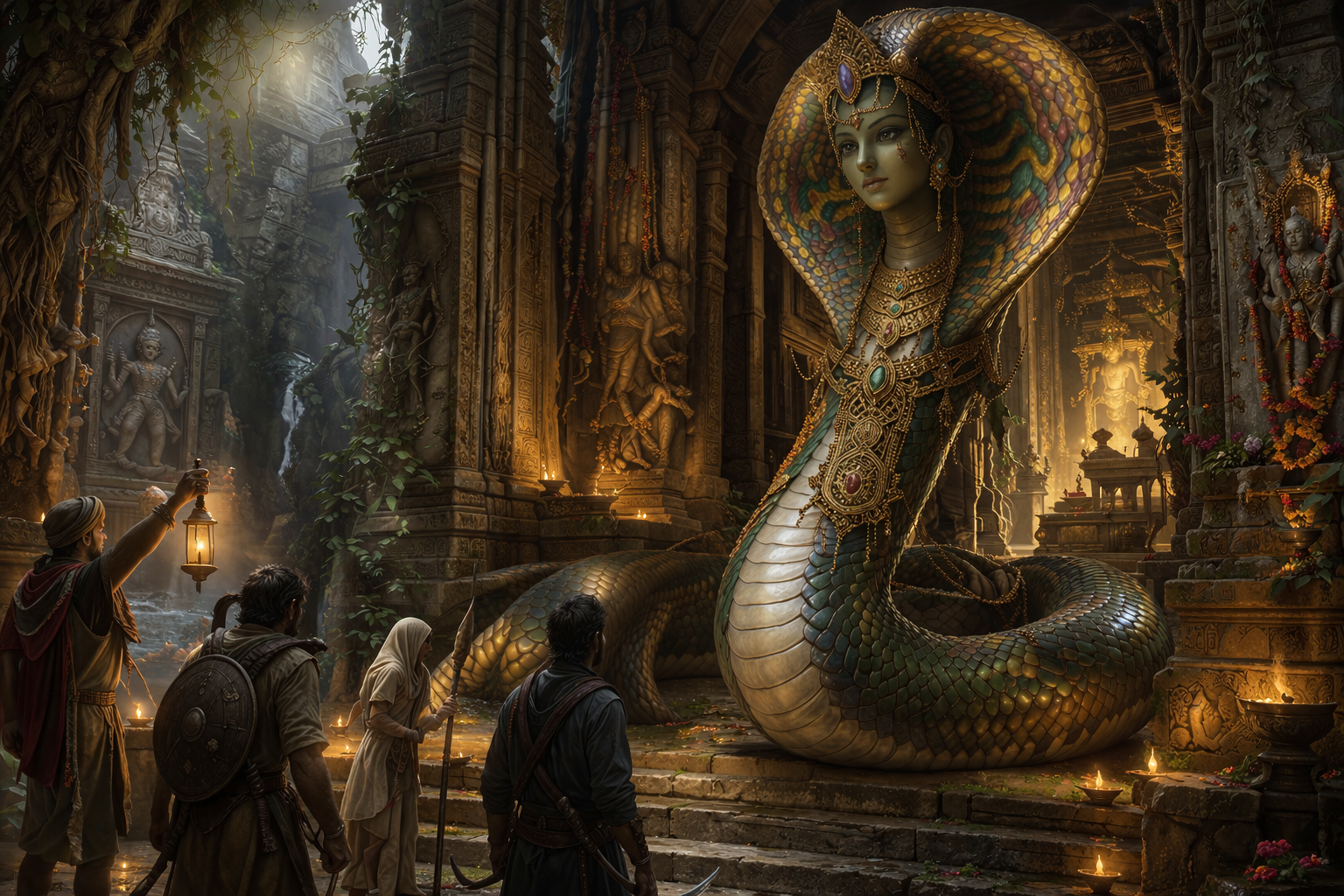
Ancient serpent beings whose intelligence, magic and purpose matter more than their shared shape.
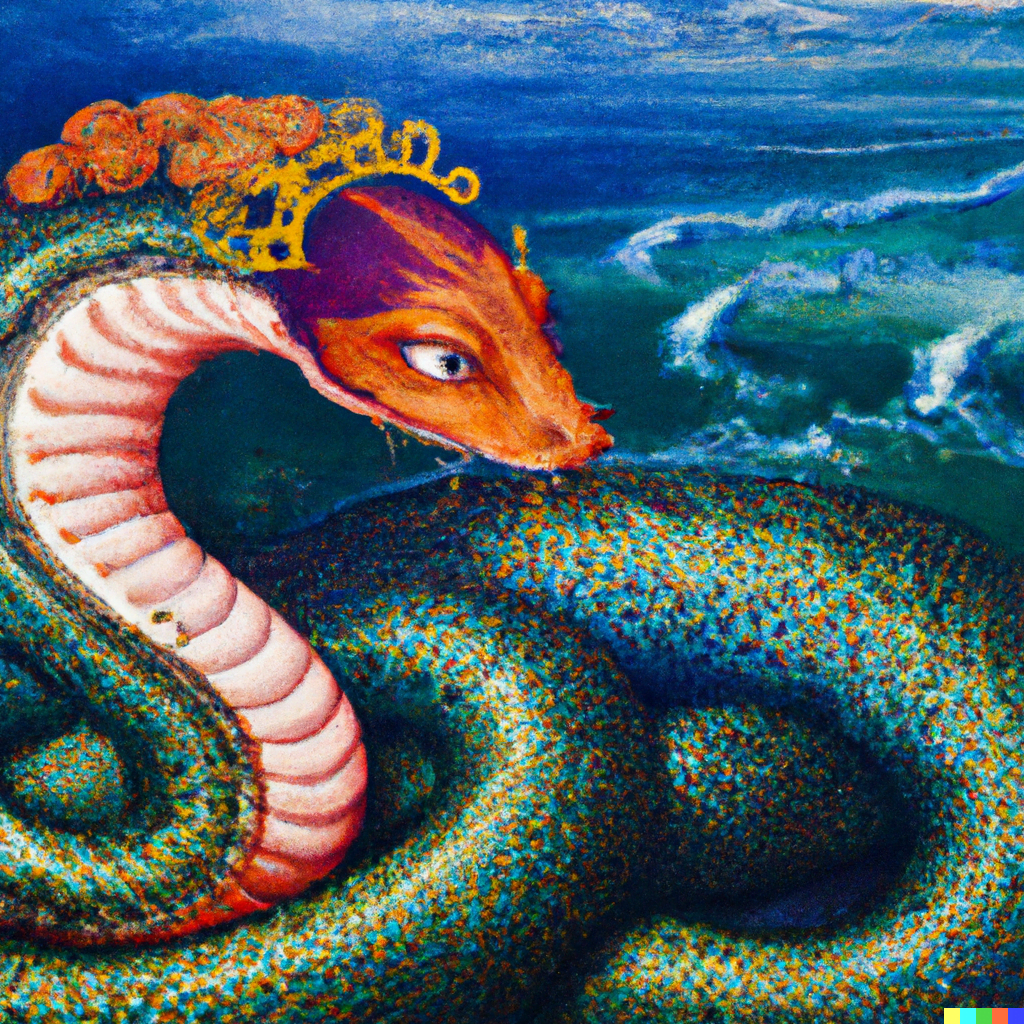
Nagas are a family of intelligent serpentine monsters rather than one interchangeable creature. Most combine a long snake-like body with an expressive humanoid or near-humanoid face, innate or learned spellcraft, venom, and a strong attachment to a place, duty or obsession. Some defend sacred thresholds. Others corrupt, deceive, rule waterways, watch the heavens or build courts around themselves.
At a Glance
Choose a Naga
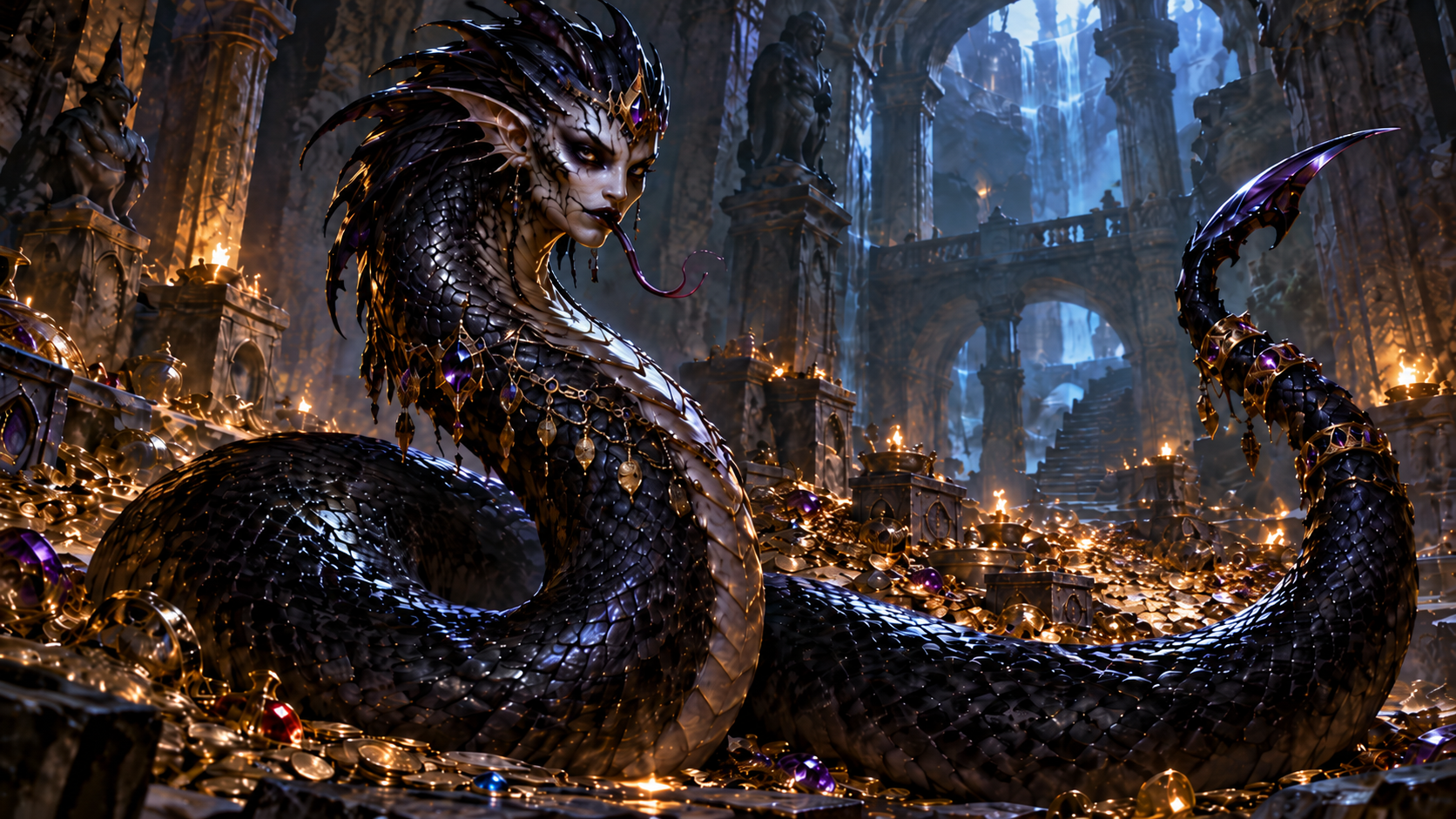
Dark Naga
A calculating psychic manipulator that prefers poisoned servants, hidden influence and controlled ground to a fair fight.
Guardian Naga
A vigilant warden bound to protect a sacred place, sealed relic, bloodline or command that has outlived its original makers.
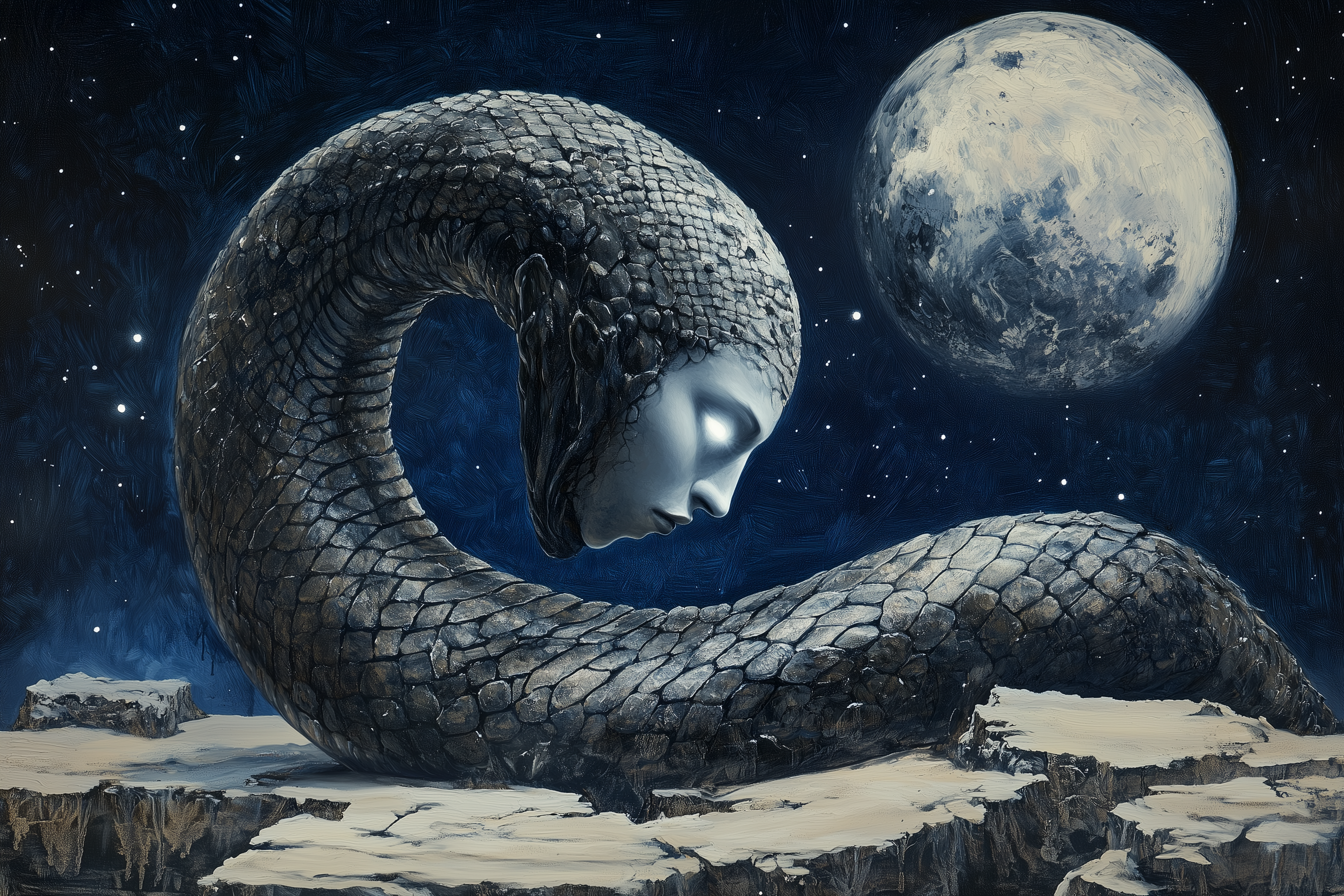
Lunar Naga
A moon-bound naga associated with prophecy, nocturnal magic, tides of power and hidden celestial knowledge.
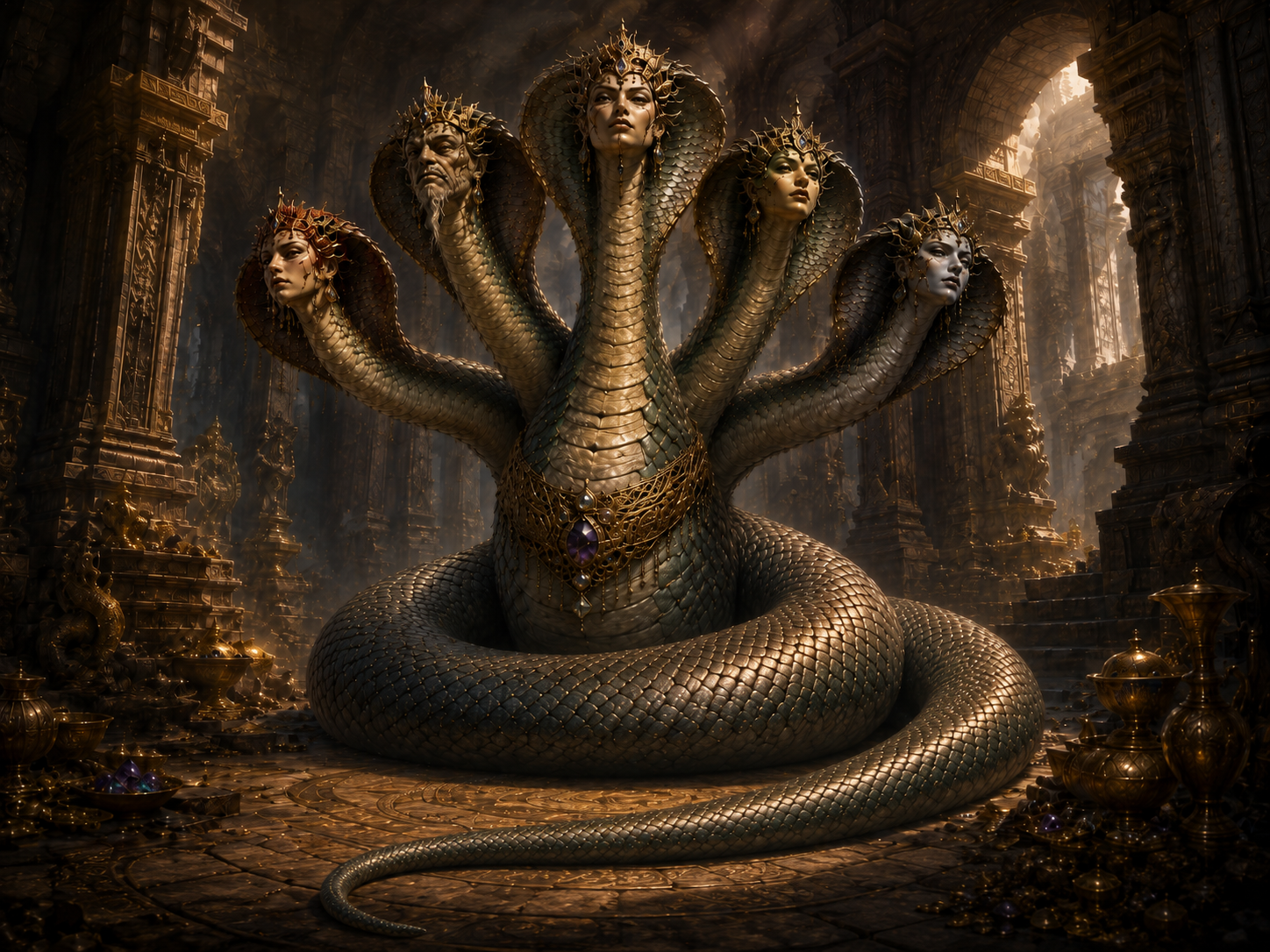
Royal Naga
A rare five-headed naga whose multiple minds, layered senses and regal presence make it a formidable guardian and ruler.

Spirit Naga
A cruel, magically gifted serpent whose immortality and spellcraft let it return to old grudges long after ordinary enemies are dead.
Water Naga
A secretive aquatic naga found in rivers, submerged ruins and hidden pools, more likely to bargain than most of its hostile kin.
What Makes a Naga Encounter Different?
A naga should know its territory. It chooses where visitors enter, where conversations happen and which routes expose intruders to spells or guardians. Even a physically powerful naga normally prefers to win through preparation: a warning nobody understood, an illusion covering the true doorway, charmed servants in apparently harmless roles, or a chamber shaped around the reach of its bite and magic.
Because nagas are intelligent, violence is rarely the only possible scene. A guardian may accept proof that a visitor has the right to pass. A water naga may trade information. A dark naga may offer a bargain that is technically sincere but strategically disastrous. A spirit naga may recognise the descendants of someone it hated generations ago.
Behaviour Before Alignment
The pages in this cluster describe what each naga actually does rather than reducing personality to an alignment label. A hostile naga can be calculating, territorial, vindictive or duty-bound for very different reasons. A benevolent guardian can still be uncompromising if its charge is threatened.
Alignment remains in older rules blocks where the edition uses it, but behaviour is the more useful guide for play.
Nagas and Serpent Traditions
The fantasy-game naga family draws its name and some imagery from the much older nāga traditions of South and Southeast Asia. Those traditions are broad, culturally important and far more varied than a monster category. The game creatures on these pages are therefore treated as fantasy bestiary beings rather than as a claim that every religious, legendary or folkloric nāga belongs to one rules taxonomy.
For regional context, serpent beings and naga traditions can appear naturally around Vijayanagara and other parts of Asia without requiring every naga encounter to use the same culture, morality or purpose.
Running a Naga Lair
Give the naga at least one advantage created before the party arrives. Useful choices include a concealed escape route, a charmed intermediary, water deep enough for three-dimensional movement, a warded threshold, a ritual calendar, or a spell effect already active. Then give the players a way to discover that advantage before combat so preparation matters on both sides.
Related Bestiary Paths
Return to the Aberration Bestiary for other intelligent monsters, or to the World Bestiary for the complete creature index.
Keep this reference growing
If this page helped with your reading or game, you can support its upkeep or explore the curated books.
Explore the Bookshop — epics, classics and stories behind imagined worlds.