
Gdańsk — The Port That Defied the Hell Knights
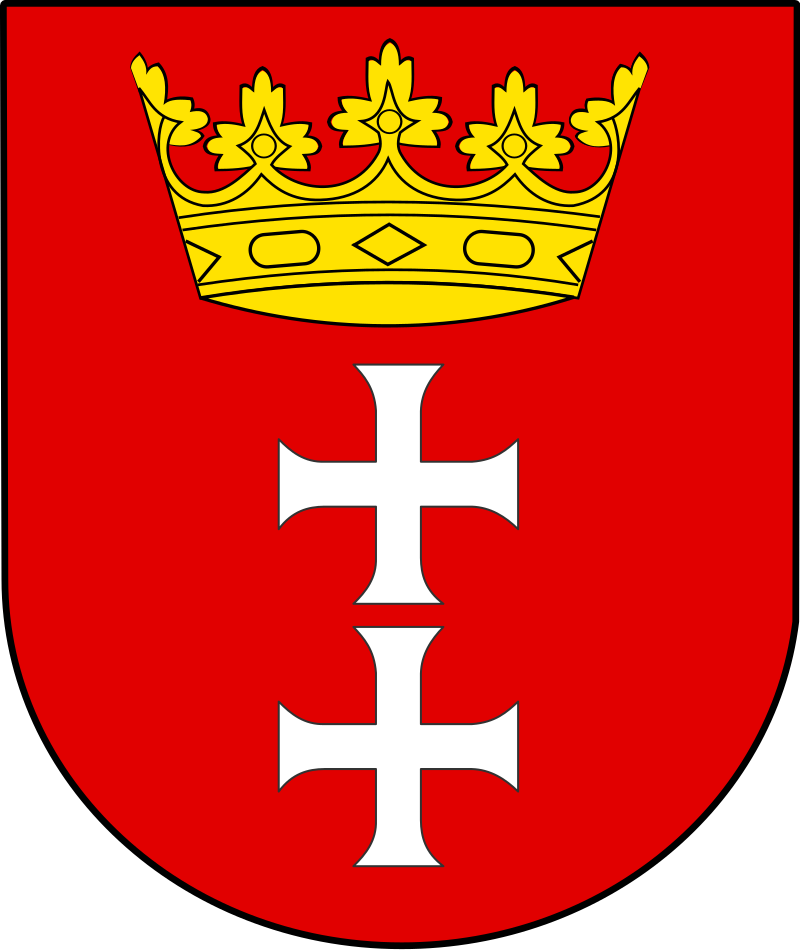
Gdańsk’s quays have become the supply line of a rebellion. The great crane towers above the Motława while the council’s men dismantle the Hell Knights’ castle nearby. Merchants load grain and timber for Baltic buyers, but their city has thrown off the Order and sought the protection of King Casimir IV. The war promises new trade freedoms and grave risks: the ships must sail, the guilds must work and the Hell Knights still command formidable forces across Prussia.
At a Glance
- Realm: city of the Teutonic States in revolt, aligned with Casimir IV of Poland
- Authority: Main Town council and guilds, alongside the older civic communities and the Prussian Confederation
- Waters: Motława and the Vistula estuary, linked to Baltic sea routes
- Landmarks: Long Market, merchant quays, massive harbour crane (1442–44) and the former Hell Knights’ castle
- Neighbourhoods: Main Town, Old Town and the Order-linked Young Town, with different political interests
- Economy: grain, timber, wax, salt, fish, cloth, shipping, warehousing and shipbuilding
- Alliances: Hanseatic League, Prussian Confederation, Polish crown and neighbouring ports
- Immediate crisis: fortress demolition, wartime supply, protection of civic privileges and rival claims to confiscated goods
What Is Happening Right Now?
The Hell Knights’ commander has lost his castle. The Main Town council seized it in February, and teams of workmen are taking the fortress apart so it cannot be used against the burghers again. The old garrison left behind weapons, inventories and debt records. The council wants to recover anything useful before rival claimants, former prisoners or infernal creditors arrive demanding its return.
Gdańsk’s envoys have joined the Prussian Confederation in seeking King Casimir IV’s protection. The Polish crown now offers an alliance and new rights, but the war is not won. Carriers must be paid, ships armed and warehouses guarded. A privilege signed in Kraków means little at the Motława quay if grain does not reach the ships waiting to sail.
The Main Town and Its Working Harbour
The Main Town is the merchant heart of Gdańsk. Its council commands the Long Market and the warehouses beside the Motława, where goods pass between river craft, sea-going cogs and the carts of inland merchants. Many brick-fronted houses serve as both family homes and storehouses. Along the quays, porters, caulkers, rope makers, pilots and coopers work for wages while merchants negotiate entire ships’ cargoes above their heads.
The great harbour crane and water gate were completed between 1442 and 1444. Its two fortified towers frame a wooden hoist powerful enough to lift barrels, anchors and masts. A damaged walking wheel can immobilise a vessel’s cargo; the men who turn the mechanism know exactly how much the merchant houses depend upon them. The council keeps the hoist working even as it calls sailors and shipwrights to prepare for war.
Old Town, Young Town and the Ruined Castle
Gdańsk is not one seamless town. The Main Town’s merchants dominate trade, but the Old Town has its own workshops, mills and established households. Beyond them the Young Town was established under Hell Knight patronage and still carries the stigma of its old protectors. Some families there traded with the Main Town for years; others fear that the rebels will confiscate their homes and businesses without distinguishing friends from enemies.
The ruined military castle is the starkest sign of the change. The Hell Knights’ fortress long guarded the harbour and embodied the military court’s authority. Demolishing it prevents the Order from returning to a ready-built stronghold, but also creates difficult claims over stone, timber, tools and the property of those who lived within its precinct. A skilled mason might profit from the work while still objecting to destroying the only safe storehouse on his street.
Goods, Credit and the River Roads
Gdańsk’s merchants draw grain and timber from the Vistula basin and ship them to the northern and western markets. Wax, hides, metal goods, cloth, salt and fish change hands here, bringing visiting traders from Poland, Lithuania, the Baltic ports, England and Flanders. The Hanseatic League connects its shipowners to foreign partners, but the League has no single treasury ready to pay for Gdańsk’s rebellion.
Warehouses and granaries line the water. Each cargo must be weighed, carried, stored and insured against theft or spoilage. A shipmaster wants the river channel kept open, a grain dealer wants safe transport and the council needs customs receipts to pay the men defending the walls. Royal privileges matter most when they allow goods to move without fresh levies at every crossing.
New Allegiance, Old Arguments
The city council has a strong voice in the Prussian Confederation, but it governs alongside merchant families and guilds that do not always agree. The Old Town’s craftspeople, the Main Town’s shipowners and the families of the Young Town ask different things of the new order. A sailmaker may support Casimir and still refuse a levy that will cost his apprentices their wages. A former Hell Knight supplier may have a contract that no longer protects him from arrest.
Elbing has destroyed its own castle; Toruń is imposing a new civic order after the revolt; Königsberg remains divided among three councils. The Grand Master still commands the Hell Knights from Marienburg. The ports share an enemy without surrendering their separate trade interests or political ambitions.
Work for Visitors
A foreman at the crane needs specialist timber before a lift can resume, but the same cargo has been requisitioned for the city’s defences. A Young Town shipwright asks the party to carry proof that his workshop supplied merchant ships, not the Hell Knight garrison. A clerk clearing the old castle has found a debt register bearing an infernal seal: destroying it may free debtors, but it may also erase the only written proof that the payments were collected twice.
Visitors will find ship passage, inns, warehouse space, scribes, weaponsmiths and river guides, though war prices are rising and many pilots refuse suspicious cargo. A letter from Casimir’s officers does not guarantee safe passage to Marienburg; a Hell Knight permit may be worse than no paper at all when a Confederate watchman inspects it.
History and Sources
The Museum of Gdańsk records the 1454 demolition of the military castle; the Gdańsk tourism history of the Crane dates its construction to 1442–44. The Young Town heritage chronology traces its closeness to the Order and subsequent loss of status. The Toruń museum’s Prussian Confederation account records the renunciation of the Order in February and Casimir IV’s incorporation of Prussia in March 1454.
Keep this reference growing
If this page helped with your reading or game, you can support its upkeep or explore the curated books.
Explore the Bookshop — epics, classics and stories behind imagined worlds.