
Königsberg — Three Towns in Revolt
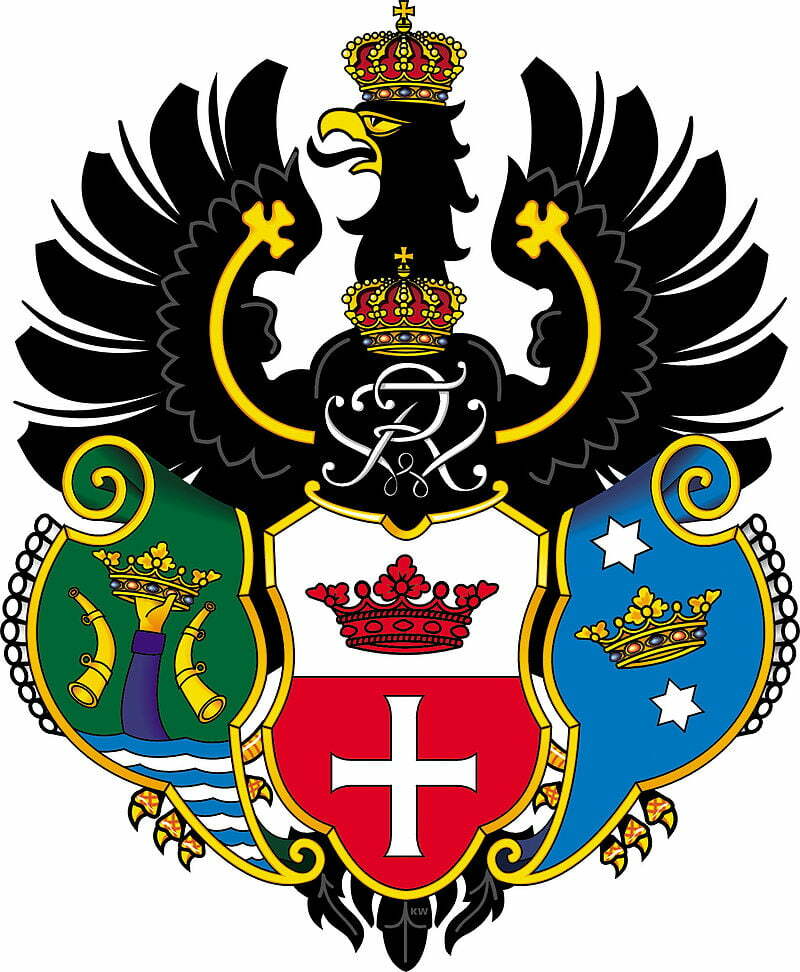
Prussian Confederation · Pregel port · Samland
At a Glance
- Region: Samland, within the contested Teutonic States on the southeastern Baltic
- River and coast: the Pregel, flowing west towards the Vistula Lagoon and onward to the Baltic
- Three towns: Altstadt, Löbenicht and the river-island Kneiphof, each with its own council, privileges and gates
- Present allegiance: Altstadt and Kneiphof support the Prussian Confederation and King Casimir IV; the old Hell Knight regime seeks to recover its position
- Former military command: Königsberg Castle, seat of the Order’s marshal, not the Grand Master, who remains at Marienburg
- Trade: Hanseatic shipping, grain, timber, wax, amber, cloth and routes into Lithuania
- Peoples: Low German town families, Old Prussian and Sambian rural households, visiting Baltic and Polish merchants, displaced soldiers and servants
- Immediate crisis: divided guild loyalties, contested safe-conducts, castle demolition and mounting demands for money and food
Across the Pregel, three councils are deciding what Königsberg will become. Altstadt’s merchants have joined the Prussian Confederation against the Hell Knights; the fortified island town of Kneiphof supports them, while Löbenicht’s loyalties are less certain. The military order founded this stronghold to command Samland, but its old authority is now contested in markets, guild halls and the ruined approaches to the castle. Ships must still bring grain, timber and iron upriver, whatever banner a captain raises over the quays.
What Is Happening Right Now?
Andreas Brunau, mayor of Altstadt and a leader of the Confederation, has promised that the city’s liberties can survive the fall of the Hell Knights. He has the support of wealthy merchants who have long resented military restrictions on trade. But craftsmen are being asked to pay for the new war, while their customers complain about prices. One of Brunau’s supporters has brought a petition from the guilds: they will man the river gates, but not surrender the last of their working coin to an unaccountable war chest.
At Kneiphof a barge is held beneath the island’s fortified approach. Its captain carries supplies bought by an Altstadt merchant, and an old Hell Knight commander’s permit authorises passage through the castle waterway. The castle’s garrison has lost control of the town; nobody agrees whether its permits still mean anything. The flour is already promised to bakers across the Pregel, and the boats cannot lie there through another night.
Altstadt, Löbenicht and Kneiphof
Altstadt grew by the castle and received town rights in the thirteenth century. Its market, workshops and merchant houses face the Pregel. Councillors know the value of a royal privilege, but the citizens who make shoes, iron goods and barrels do not always favour the same policy as the men whose ships sail for Flanders. Brunau’s allegiance to Casimir IV is not a promise of unanimous support from his neighbours.
Löbenicht developed as a separate town east of the older settlement. It keeps its own craftsmen, courts and market officers and has not followed Altstadt into every Confederation bargain. Shopkeepers who trade in both places are caught between councils whose seals and demands differ, even when a dispute concerns the same debtor.
Kneiphof occupies an island in the Pregel, surrounded by channels, quays and bridges. Its merchants entered the Confederation alongside Altstadt, but the island’s gates make its choices more defensible and its supplies more vulnerable. A shipmaster can trade with Kneiphof without having free passage through either neighbouring town. Kneiphof’s sacred estate is also a landholder with property and customary rights, not an office that commands the whole city.
The Castle and the Hell Knights
Königsberg’s fortress was begun in 1255 during the conquest of Samland. The military order established its marshal here to oversee campaigns and commanderies in the east. The Grand Master rules the wider state from Marienburg; Königsberg is not yet his capital. When the Prussian towns rose in 1454, the fortress became both an immediate target and a symbol of the laws and taxes the citizens rejected.
The Hell Knights have lost their normal access to the castle, yet their officers and infernal allies are far from defeated. Registered obligations, confiscated property and military records still bind people who once served the Order. A former castle clerk might seek shelter with the council while holding a debt register that the infernal jurists at Marienburg will insist remains enforceable. The council must decide what to honour, cancel or preserve as evidence.
The Pregel Port and Samland Roads
Merchants use the Pregel to move goods between inland Prussia and the Vistula Lagoon. The harbour handles wax, timber, grain, hides and amber, and Königsberg’s Hanseatic partners supply cloth and foreign credit. Its traders have dealings with Elbing and Gdańsk as well as Lithuanian buyers inland. The river makes traffic possible; shallow channels, uncertain tides and rival customs officials make it costly.
Beyond the walls lie estates and villages where Old Prussian and Sambian families know the wooded paths and waterways. Their relations with the castle, sacred precinct and city merchants are not identical. A ferry keeper may owe a toll to one lord, fuel to another and a military escort to neither. During rebellion a written exemption is worth little unless the person at the crossing agrees to read it.
Where Adventurers Become Involved
A marshal’s clerk has offered to surrender a chest of records, but will only meet envoys from all three towns at once. Kneiphof’s councillors want proof that no infernal claimant can use the papers against their citizens; an Altstadt merchant hopes the chest contains the deed to his confiscated warehouse. Elsewhere a guild wagon is stopped outside Löbenicht with supplies for repairs to Kneiphof’s bridge. Neither council accepts the other’s exemption, and the carpenters have run out of timber.
The river pilots know which barges can slip past a checkpoint, but none will risk their crews for an unsigned promise. Visitors can hire scribes, warehouse guards, carpenters, boatmen and advocates in the three markets. They should ask which town issued the paper and which town controls the destination before accepting any commission.
History and Sources
The Göttingen Academy’s Königsberg history records the 1255 founding, three towns and the Order marshal’s residence. Deutsche Biographie’s entry on Andreas Brunau confirms his leadership of the 1454 Confederation and the later guild revolt of March 1455. An account of the towns and castle’s changing allegiances distinguishes the early Prussian revolt from Königsberg’s later reoccupation and the Grand Master’s move after the loss of Marienburg in 1457. The illustration below is a later engraving, not a contemporary view of this opening situation.

Keep this reference growing
If this page helped with your reading or game, you can support its upkeep or explore the curated books.
Explore the Bookshop — epics, classics and stories behind imagined worlds.