
Stygia — The Frozen Sea
Stygia is the great frozen sea of Hell: black water beneath drifting ice, glacial islands, storm-dark skies, infernal ports and the River Styx carrying ships, prisoners, troops and cargo through one of Hell’s most important waterways.
The Fifth Perdition
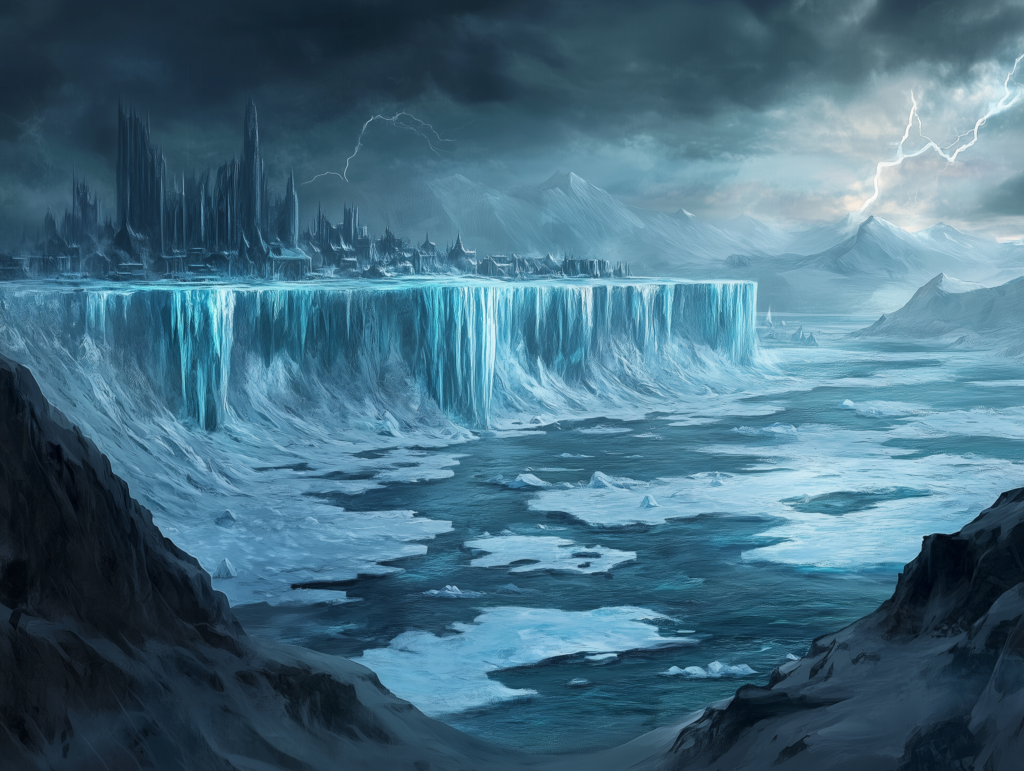
Stygia is dominated by freezing seas rather than solid land. Icebergs, great floes, frozen marshes and glacial islands drift across black water beneath skies continually disturbed by storms and distant lightning.
The ice is rarely uniform. Some floes are thick enough to bear fortifications and settlements, while others fracture without warning. Channels open and freeze again, forcing ships and travellers to rely upon recognised routes, experienced pilots and vessels capable of forcing a passage through the ice.
Cold flames sometimes flicker across the frozen surface. Pressure ridges, blizzards and moving floes can make a familiar route unrecognisable within hours.
Stygia is lethally cold because of its environment and supernatural hazards. It does not automatically alter a visitor’s alignment, universally suppress fire magic, universally enhance cold magic or impose a planar transformation through prolonged exposure.
Leviathan and the Government of Stygia
Leviathan
Lord of the Fifth · Prince of StygiaLeviathan is the recognised current Lord of Stygia. His authority extends across the ports, waterways, fortifications and infernal offices of the Fifth.
He remains imprisoned within an immense iceberg at Tantlin. The imprisonment prevents ordinary physical freedom, but it does not remove his lordship. Agents, courtiers, officials and particularly loyal servants allow him to exercise power throughout his Perdition.
Memory, concealment, information and the political value of forgotten knowledge are closely associated with Leviathan and with the Styx that flows through his domain.
Whatever his rivalries with other infernal powers, Leviathan rules the Fifth beneath the sovereignty of Asmodeus and the wider institutions of Hell.
Lord of the Fifth
Ports, river traffic, fortified routes and recognised infernal offices ultimately fall within Leviathan’s jurisdiction.
The Great Iceberg
Leviathan’s prison is both a physical confinement and a visible centre of political power near the principal port of Stygia.
Barregons
Gate devils known as barregons have an unusually close association with Leviathan and rank among his most dependable servants.
The River Styx in Stygia
The River Styx is one of Stygia’s defining features and one of Hell’s most important transport arteries.
Its black waters cross and feed the frozen seas, connecting ports and recognised routes used by infernal ships, military transports, prison vessels, merchants and authorised travellers.
Contact with the Styx is dangerous. Its waters have ancient associations with memory, identity and forgetfulness, and falling into the river can threaten far more than a traveller’s physical life.
Icebreakers and Ferries
Specialised vessels force passages through the frozen channels where the Styx meets Stygia’s open waters.
Infernal Shipping
Cargo, prisoners, troops, officials and travellers move between ports through a regulated network of infernal waterways.
Controlled Waterways
Important docks, river channels and crossings are political assets subject to customs, guards, tolls and infernal authority.
Tantlin
Tantlin is the largest and most important known settlement in Stygia, built across an immense ice floe beside the waterways of the Styx.
Dark towers and iron structures rise above a maze of frozen streets. The harbour is the city’s greatest strategic asset: a major port through which ships, cargo, troops, prisoners and travellers can enter or leave the Fifth.
Tantlin can appear rougher and less orderly at street level than the great administrative districts of Dis or Nessus. Smugglers, mercenaries, rival factions and opportunists take advantage of the crowded waterfront and shifting traffic.
That disorder does not make the city independent. Its docks, customs points and strategic routes remain within the infernal state, and powerful authorities can impose order whenever larger military, political or commercial interests require it.
The Frozen Docks
Tantlin accommodates Styx-going vessels, ferries, icebreakers and larger infernal ships. Officials inspect cargo and regulate strategically important traffic.
Infernal Authority
Customs officers, guards, military personnel and other infernal servants maintain Hell’s jurisdiction over the port.
Leviathan’s Iceberg
The immense prison of the Lord of the Fifth dominates the waters of Tantlin and ensures that the city remains uncomfortably close to Leviathan’s presence.
Places and Powers of Stygia
Leviathan’s Iceberg
A colossal mass of dark ice stands within the waters of Tantlin. Deep inside lies Leviathan, confined within the frozen structure while continuing to exercise the lordship of the Fifth.
Its passages, chambers and black ice are closely associated with the memory-haunted character of the Styx and its imprisoned ruler.
The Sea of Sorrow
The Sea of Sorrow is one of the great expanses of Stygian water: a region of drifting ice, violent storms, dangerous currents and treacherous navigation.
Where Styx-water, deep currents and moving ice meet, even experienced pilots can find recognised passages blocked or transformed.
Ankhwugat
Set maintains the Black Pyramid and his enclave of Ankhwugat within Stygia.
Hot black sands and a desert character make the enclave a striking anomaly amid the surrounding frozen sea. Set possesses great authority within his own holding, but he is not Lord or co-ruler of the Fifth.
Stygia remains Leviathan’s Perdition.
Coldstone
Geryon , the former Lord of Stygia, survives within the hidden fortress of Coldstone.
Coldstone’s concealment allows the deposed archdevil to remain active within his former Perdition without displacing Leviathan’s current lordship.
Geryon is therefore a surviving rival power and former ruler, not a second Lord of Stygia.
Tantlin
The City of Ice is Stygia’s principal urban centre and one of the most important infernal ports connected to the Styx.
Its strategic importance comes from movement: passengers, cargo, prisoners, soldiers and information all pass through its harbour.
Denizens of Stygia
Infernal Guards and Officials
Devils serving the Fifth protect ports, fortresses, shipping routes, prisons and controlled crossings. Their ranks vary according to the importance and danger of the post.
Barregons
Barregons have a particularly close relationship with Leviathan and serve among his most dependable agents, allowing the imprisoned Lord to extend his influence well beyond his iceberg.
Creatures of the Frozen Sea
The dark waters support dangerous infernal and aquatic life adapted to cold, darkness and the violent currents of the Fifth.
Many remain poorly catalogued, particularly in the deeper waters far from recognised shipping routes.
Souls in Stygia
Stygia does not automatically receive every mortal who betrayed, abandoned, deceived or manipulated another person during life.
Souls reach the Fifth through recognised infernal contracts, claims, allegiances, supernatural circumstances or an appropriate cosmological destination.
Once legitimately held within Stygian jurisdiction, a soul may be imprisoned beneath ice, assigned to labour, traded, interrogated, transported along the Styx or subjected to other infernal punishments.
Freezing a captive into the ice is therefore a punishment used within Stygia rather than a universal afterlife mechanism automatically imposed upon an entire category of the dead.
Travel Through Stygia
Travel through the Fifth depends heavily upon water. Icebreakers, river craft, ferries and larger infernal ships connect important ports and recognised crossings.
Overland movement remains possible across sufficiently stable ice, glacial islands and frozen marshes, but such routes can vanish when floes fracture or storms drive the ice into new configurations.
Harbours and important crossings are therefore strategic assets. Officials can inspect cargo, demand tolls, verify seals, restrict passengers or close routes according to military, commercial and political requirements.
Routes from Phlegethos enter Leviathan’s jurisdiction through recognised infernal approaches and waterways.
The recognised descent toward Malbolge crosses from the frozen Fifth into the Crushing Lands governed by Glasya.
Stygia in Infernal History
Hell itself formed during Eon VII, long before organised devil civilisation assumed its present structure.
By Eon XVI, infernal government, military offices, courts, formal ranks and territorial authority had emerged across Hell.
Leviathan became one of the great powers of the Fifth during the early infernal order and held its lordship through the Luciferian age.
He was later stripped of the Fifth and imprisoned. For a substantial period Geryon ruled Stygia in his place.
Geryon was eventually deposed and Leviathan restored. The present Asmodean settlement therefore recognises Leviathan as Lord of Stygia even though his physical imprisonment continues.
A Mortal Vision of the Ice
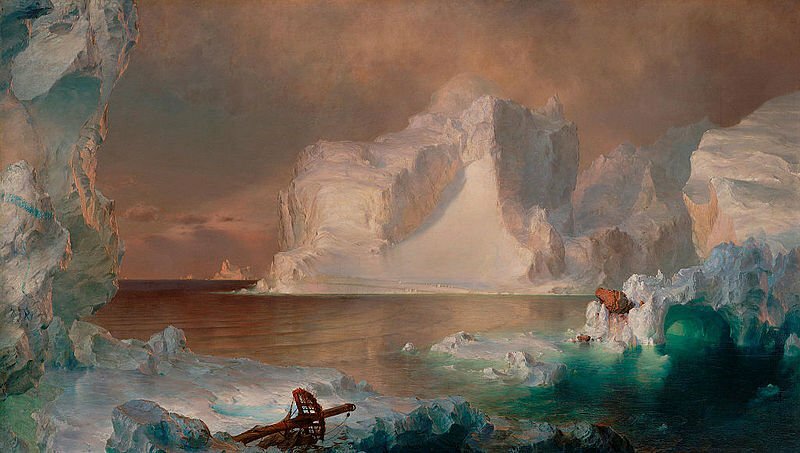
The immense scale and isolation of polar seas provide a useful mortal visual language for Stygia. Historical art can evoke the frozen Fifth without serving as a literal map of the Perdition.
Stygia Beyond SpiralWorlds
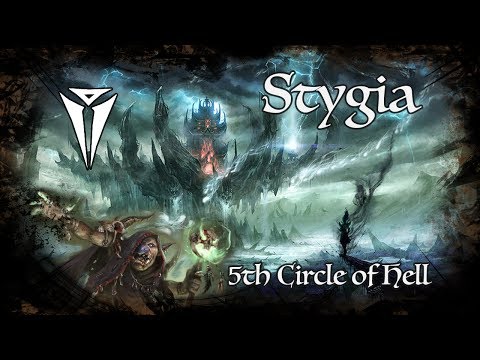
The following ambience track is retained for tabletop use. It represents an external Dungeons & Dragons interpretation and does not define SpiralWorlds canon.
Stygia Ambience
External Dungeons & Dragons ambience inspired by the traditional fifth Hell. Retained for tabletop atmosphere rather than canonical description.
Keep this reference growing
If this page helped with your reading or game, you can support its upkeep or explore the curated books.
Explore the Bookshop — epics, classics and stories behind imagined worlds.