
SpiralWorlds Player’s Manual · Character Creation
Ability Scores
Strength · Dexterity · Constitution · Intelligence · Wisdom · Charisma
Ability scores are the six core numbers used by all three supported rules systems. The names are shared; the way you generate and adjust them is not. Choose the tab for your campaign and complete only that procedure.
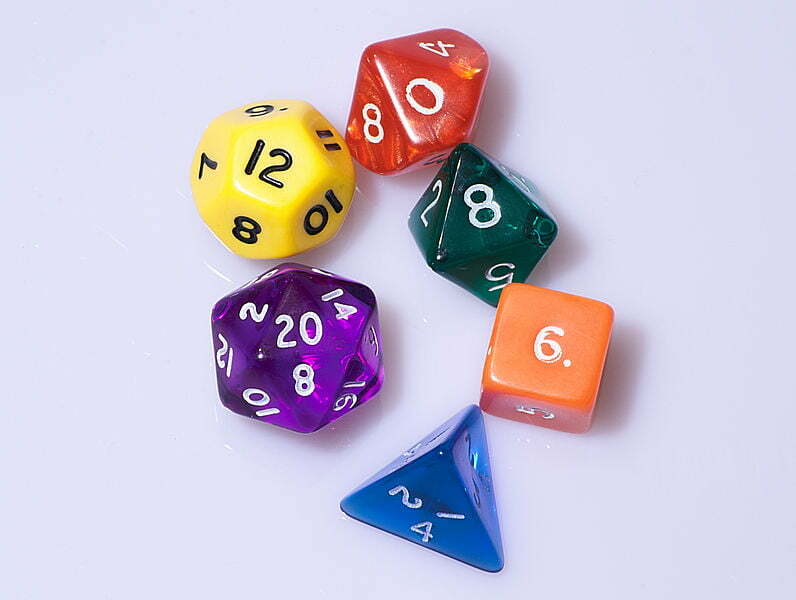
The six abilities
What each score represents
Strength
Physical power, lifting, carrying and force.Dexterity
Agility, reaction, balance and precision.Constitution
Endurance, stamina and physical resilience.Intelligence
Reasoning, memory, analysis and learning.Wisdom
Perception, judgement, intuition and awareness.Charisma
Presence, conviction, self-expression and influence.Legacy individual ability pages
These older pages are retained for link continuity but are not yet fully edition-separated. Use the definitions and mechanics on this rebuilt chapter as authoritative until each child receives its own Player’s Manual pass.
Strength · Dexterity · Constitution · Intelligence · Wisdom · Charisma
Rules procedure
Generate and assign your scores
D&D 5.5e / 2024
1. Generate six numbers. Use the method chosen by the Games Master:
- Standard Array: 15, 14, 13, 12, 10, 8.
- Random Generation: roll 4d6, discard the lowest die, total the highest three, and repeat until you have six numbers.
- Point Cost: spend 27 points using the table below.
| Score | 8 | 9 | 10 | 11 | 12 | 13 | 14 | 15 |
|---|---|---|---|---|---|---|---|---|
| Cost | 0 | 1 | 2 | 3 | 4 | 5 | 7 | 9 |
2. Assign the numbers. Place one score in each ability. Your class’s primary ability is normally a good place for one of your highest scores.
3. Apply background increases. Your 2024 background lists three abilities. Increase one of those by 2 and a different one by 1, or increase all three by 1. These increases cannot raise a score above 20.
4. Record ability modifiers. Use the shared modifier table below, then continue with the remaining character details.
Pathfinder 1e
Choose the generation method approved by the Games Master. Pathfinder 1e provides several official methods:
- Standard: roll 4d6, discard the lowest die and total the other three; repeat six times and assign freely.
- Classic: roll 3d6 six times.
- Heroic: roll 2d6 + 6 six times.
- Dice Pool: allocate a pool of 24d6, at least 3d6 to each ability, and total the best three dice in each group.
- Purchase: begin at 10 in every ability and buy scores using the table below.
| Score | 7 | 8 | 9 | 10 | 11 | 12 | 13 | 14 | 15 | 16 | 17 | 18 |
|---|---|---|---|---|---|---|---|---|---|---|---|---|
| Cost | -4 | -2 | -1 | 0 | 1 | 2 | 3 | 5 | 7 | 10 | 13 | 17 |
| Campaign | Purchase points |
|---|---|
| Low Fantasy | 10 |
| Standard Fantasy | 15 |
| High Fantasy | 20 |
| Epic Fantasy | 25 |
After generation: assign the scores, then apply the Pathfinder racial ability modifiers for the chosen race/people. These adjustments happen after the base scores are generated or purchased.
Pathfinder spellcasters may gain bonus spells from high spellcasting ability scores. That is a Pathfinder rule and should remain inside the PF1e build.
D&D 3.5e
Use the generation method chosen by the Dungeon Master. A common standard method is to roll 4d6, discard the lowest die, total the highest three and repeat until you have six scores, then assign them to the six abilities.
After the base scores are assigned, apply the racial ability adjustments required by the chosen 3.5e race. Do not substitute Pathfinder’s purchase totals or later racial revisions unless the Dungeon Master explicitly uses them.
High spellcasting abilities can affect spell access and bonus spells in 3.5e. Use the 3.5e spellcasting rules for the character’s class; do not apply the legacy bonus-spell table to 5.5e.
Finally, record the modifiers from the shared table below.
Shared arithmetic
Ability modifiers
For ordinary ability modifiers, all three supported systems use the familiar progression below. The modifier is the number added to many checks, attacks, saves and other derived statistics.
| Score | 1 | 2–3 | 4–5 | 6–7 | 8–9 | 10–11 | 12–13 | 14–15 | 16–17 | 18–19 | 20–21 |
|---|---|---|---|---|---|---|---|---|---|---|---|
| Modifier | -5 | -4 | -3 | -2 | -1 | +0 | +1 | +2 | +3 | +4 | +5 |
For a score not shown, subtract 10, divide by 2 and round down.
Player guidance
Put the scores where the character needs them
Before moving on
Ability-score checklist
- The campaign edition is fixed.
- The Games Master’s approved generation method was used.
- All six scores are assigned.
- Only edition-correct background or racial adjustments were applied.
- Final ability modifiers are recorded.
- The class’s primary ability is high enough for the intended build.
- Any spellcasting ability is identified.
- No PF1e/3.5e bonus-spell rule has been applied to 5.5e.
Sources and licensing
Rules sources
- D&D 2024 Basic Rules — Creating a Character
- System Reference Document 5.2.1
- Pathfinder 1e — Getting Started / Ability Scores
- d20 SRD — D&D 3.5e
SRD 5.2.1 attribution: This work includes material from the System Reference Document 5.2.1 by Wizards of the Coast LLC, licensed under Creative Commons Attribution 4.0 International.
Legacy Open Game Content notice
Pathfinder 1e and D&D 3.5e mechanical material is Open Game Content only to the extent that it derives from material released as Open Game Content under the Open Game License version 1.0a. SpiralWorlds setting material, examples, artwork, CSS and editorial presentation are excluded.
Open Game License v1.0a © 2000 Wizards of the Coast, Inc. System Reference Document © 2000 Wizards of the Coast, Inc. Pathfinder Roleplaying Game Core Rulebook © 2009 Paizo Publishing, LLC.
Keep this reference growing
If this page helped with your reading or game, you can support its upkeep or explore the curated books.
Explore the Bookshop — epics, classics and stories behind imagined worlds.