
Satire Domain
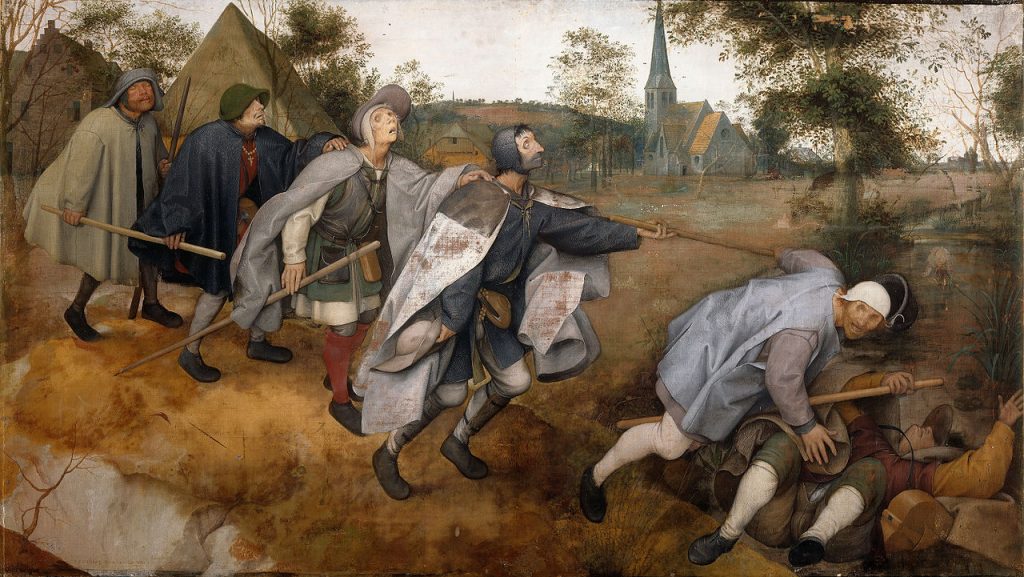
The Satire Domain weaponises reputation, ridicule and bardic curse-magic. It is third-party D&D 3.x material from Dominique Crouzet’s Celtic Druids and the Tuatha de Dannan, built around the legendary destructive power of the satirist.
At a Glance
| Divine Sphere | Satire, public reputation, ridicule, exposure and magical criticism |
|---|---|
| Rules Origin | Third-party D&D 3.x netbook material |
| Source | Celtic Druids and the Tuatha de Dannan, Dominique Crouzet |
| Campaign Patron | Cairbre |
| Typical Role | Social control, curses, humiliation and revelation |
| Other Editions | No official same-named Pathfinder 1e or modern D&D domain is presented here |
Edition Applicability
This page preserves the original third-party D&D 3.x Satire Domain. Its mechanics are not official Wizards of the Coast or Paizo material and are not copied into later editions without a separately labelled adaptation.
Satire Domain — D&D 3.x Third-Party
Granted Power
Perform becomes a class skill, and you gain a +2 bonus on Perform checks.
Satire Domain Spells
| 1st | Honoring the Host |
|---|---|
| 2nd | Irritating Sniveler |
| 3rd | Curse of the Suspicious Mind |
| 4th | Deceptive Object |
| 5th | False Success of the Fool |
| 6th | Glam Dicinn |
| 7th | Blind Love |
| 8th | Grotesque Polymorph |
| 9th | Unveil the Truth |
How the Satire Domain Plays
Satire is a social weapon first and a combat tool second. The progression ruins credibility, encourages suspicion, creates false perceptions and eventually exposes or reshapes a target in ways that can destroy status as effectively as hit-point damage destroys a body.
Cairbre and the Satire Domain
Cairbre is the established campaign patron. The domain suits priests and sacred poets whose words carry supernatural consequences.
What Are Satire Priests Doing Now?
They are humiliating corrupt patrons, defending poets from retaliation, exposing false reputations and deciding whether a magically effective satire is justified criticism or an abuse of sacred power.
Related Domains and Character Options
Rules Sources and Licensing
The granted power and spell progression derive from Dominique Crouzet’s third-party D&D 3.x netbook Celtic Druids and the Tuatha de Dannan.
Keep this reference growing
If this page helped with your reading or game, you can support its upkeep or explore the curated books.
Explore the Bookshop — epics, classics and stories behind imagined worlds.