
Greenland
At a Glance
| Region | Arctic North Atlantic, west of Iceland and east of the North American mainland |
|---|---|
| Political Character | Norse fjord communities, Inuit territories and local authority linked by trade, kinship and necessity rather than dense central administration |
| Principal Norse Centre | Brattahlíð |
| Population | Predominantly Inuit communities across the wider island, with established Norse settlements concentrated in viable fjord districts |
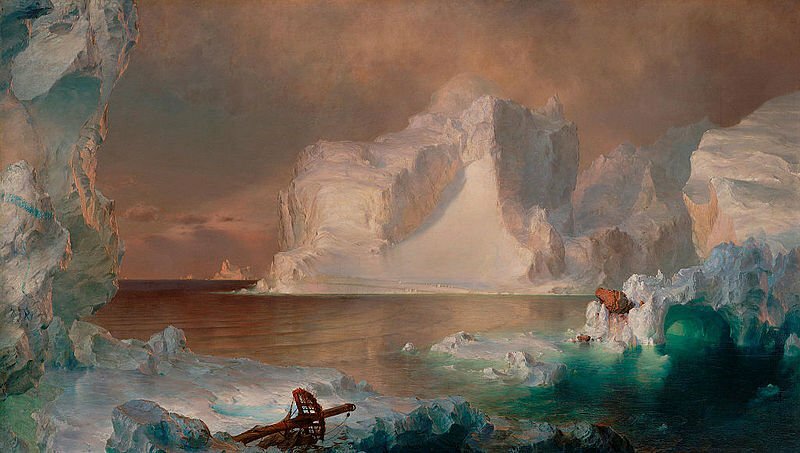
| Landscape | Ice sheet, coastal fjords, tundra, mountains, sea ice and narrow habitable corridors |
| Strategic Role | Essential staging ground between Iceland, Vinland and the wider North American sea-road |
| Dangers | Ice, storms, isolation, sea monsters, supernatural Arctic beings, food failure and routes that shift with season |
| Campaign Themes | Exploration, survival, cultural diplomacy, lost settlements, sea voyages, monster hunting and western trade |
Greenland is not the end of the world; it is the hard middle of the western sea-road. Ships from Iceland arrive in fjords where Norse farms, halls and landing places survive beside a much larger Arctic world known intimately by Inuit communities. From here captains continue toward Vinland and the established settlements farther south in North America.
The island rewards knowledge more than bravado. Weather can erase distance, sea ice can close yesterday’s route and a seemingly empty coast may belong to people or powers who understand it far better than newcomers do. Survival depends upon food planning, boats, winter skill, diplomacy and the ability to recognise when a supernatural warning is also practical advice.
Norse Greenland remains connected to the wider northern world. Families, goods, priests, merchants, adventurers and news move through Iceland and Norway. That continuity makes Greenland an active campaign region rather than a lost colony waiting to be rediscovered.
What Is Happening Right Now?
The Western Route Is Worth More Every Year
Timber, furs, rare materials and information from North America make Greenland strategically valuable. Investors and royal agents increasingly care which captains control the route.
The Ice Is Moving Differently
Experienced hunters report seasonal patterns changing around several fjords. Some blame weather; others describe something enormous moving beneath the ice.
Old Maps Are Becoming Dangerous
Coasts, ice routes and anchorages change. A chart copied faithfully from an older master can kill a crew that trusts it more than local knowledge.
Not Every Western Claim Is Norse
Inuit hunting grounds, travel corridors and sacred places have their own owners and obligations. Successful expeditions depend on relationships rather than assumptions of empty land.
Places and Routes
Brattahlíð
Brattahlíð is a principal Norse household and staging point, useful for hiring crews, gathering western intelligence, settling disputes and finding people with direct experience of Vinland routes.
The Fjord Settlements
Norse communities cluster where grazing, hay, fishing and sheltered water make settlement possible. Each fjord can function as a small political world with its own leading families, rivalries and obligations.
The Ice Edge
The boundary between open water and sea ice is a moving road, hunting ground and hazard. Parties travelling here need Inuit expertise or comparable Arctic knowledge. Sea monsters and supernatural beings use the same boundary.
The Western Sea-Road
Greenland is the final established northern staging point before Vinland and the routes farther south. Ships leaving westward must carry repair materials, food, water, trade goods and enough flexibility to abandon a plan when the sea changes.
Peoples and Powers
| Power | What It Wants | Adventure Pressure |
|---|---|---|
| Inuit Communities | Secure hunting grounds, safe travel, trade on workable terms and respect for local knowledge and sacred places. | Diplomacy, guides, rescue, shared monster threats and disputes caused by outsiders. |
| Norse Households | Food security, livestock, shipping, family alliances and profitable western trade. | Inheritance, missing ships, winter shortages and competition for crews. |
| Atlantic Captains | Reliable routes, profitable cargo and reputation. | Exploration, salvage, convoy work and rival maps. |
| Royal and Merchant Interests | Information, dependable supply and influence over the western route. | Contracts, espionage, protected cargo and political pressure. |
| Arctic Supernatural Powers | Territory, taboo, prey, ancient obligations or purposes not organised around human settlement. | Monster hunting, negotiation and survival mysteries. |
Dangers, Rumours and Adventure Hooks
- The Moving Fjord. A familiar channel is blocked by ice overnight, and something has carved symbols into the new wall.
- The Missing Winter Camp. An Inuit hunting party fails to return from ground nobody considers especially dangerous.
- The False Vinland Map. Three captains buy identical charts from different sellers; each chart leads to a different coast.
- The Silent Farm. A well-stocked Norse farm is found abandoned without signs of violence, but every animal faces the same direction.
- The Thing Beneath the Ice. Hunters report a shadow longer than a ship following the ice edge for days.
- The Western Envoys. Visitors from a North American nation arrive seeking the captain responsible for a broken treaty.
Travel and Survival
Greenland travel is seasonal and local. Boats dominate the fjords and coasts when water is open. Winter creates sled routes while closing others. Food, clothing, shelter and fuel are strategic resources. A party that treats survival gear as background equipment will quickly discover that the environment is part of every encounter.
Local knowledge has enormous value. Inuit hunters understand sea ice, animals, weather and routes that imported charts cannot capture. Norse farmers and captains know particular fjords, anchorages and Atlantic sailing windows. The strongest parties combine these traditions rather than assuming one replaces the other.
Greenland and North America
The western route continues beyond Greenland. Vinland and the later Norse settlements farther south connect Midgard directly to the populated, politically complex continent described in North America. The relationship is one of trade, diplomacy, settlement, conflict and mutual discovery—not an empty frontier.
Greenland therefore works as the transition point for campaigns that begin in Scandinavia and widen across the Atlantic. A missing merchant, divine omen or monster hunt can naturally become an expedition spanning several continents.
Explore the Midgard Cluster
Union of Midgard · Iceland · Norway · Brattahlíð · North America · Midgard Bestiary