
Witch Traditions
A Witch tradition is a living school of practice: inherited lore, ritual custom, patronage and a shared understanding of magic. A tradition can span many covens and generations while still allowing local differences.
Rules note: traditions are setting and character material. Class mechanics remain edition-specific; do not import legacy d20 features into Pathfinder 1e or a 5.5e conversion unless the Games Master explicitly approves them.
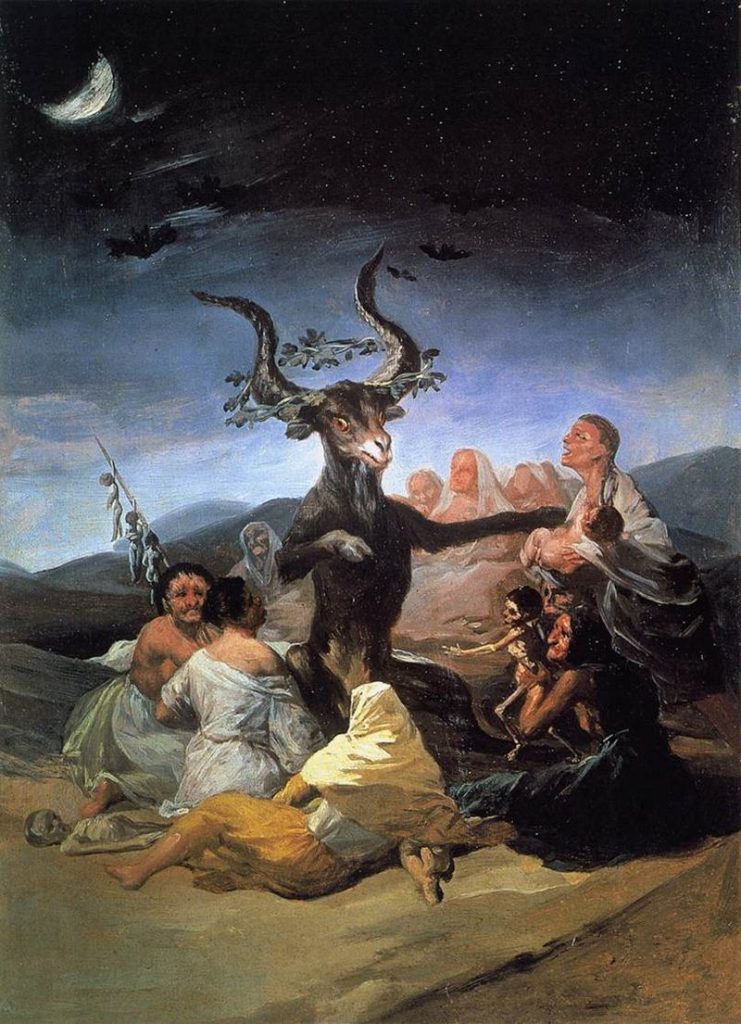
Choose a Witch Tradition
Your Tradition answers a simple question: how did your Witch learn to practise magic? It may come from a family, martial coven, fey court, elemental school, travelling household, alchemical laboratory or a practice assembled by the Witch alone.
| Tradition | Best for players who want… |
|---|---|
| Amazon | martial covens, defence and oath-bound Witchcraft |
| Chovihani | family roads, divination and concealed travel |
| Classical | regional old ways, local spirits and practical lore |
| Craft of the Wise | patron aspects, ritual identity and counsel |
| Eclectic | a flexible practice built from several magical influences |
| Faerie | fey bargains, enchanted places and otherworldly magic |
| Family | inherited secrets, ancestors and household magic |
| Lorelei | song, travel, memory and enchantment |
| Malefic | curses, destructive patrons and dangerous bargains |
| Tantric | healing, discipline and body-spirit practice |
| Tempestarii | earth, fire, air or water as a magical philosophy |
| Venefica | potions, herbs, alchemy and preparation |
| Voudounista | spirit-work, charms, wards and negotiated magic |
Tradition Rules by Edition
5.5e / 2024: each core Tradition now has a full subclass conversion with features at Witch levels 3, 6, 10 and 14. Pathfinder 1e: Traditions determine converted Occult Powers within the Pathfinder Witch chassis. D&D 3.x Legacy: use the preserved Occult Powers and restrictions printed on each Tradition page.
Open the Witch class and edition rules →
Tradition Is Not Destiny
A Tradition gives a Witch teachers, habits and magical assumptions; it does not dictate personality. Two Classical Witches can disagree bitterly about their duties, and two Family Witches can come from households with completely different customs. Alignment, ancestry and sex are not substitutes for character behaviour.
Culture, Covens and Local Branches
A Tradition can span many covens, while a single coven may contain more than one Tradition. Cultural Witch pages describe how particular peoples adapt the class without making ancestry determine magical ability.
- Witch Traditions by People and Culture
- Covencraft
- Using Covens at the Table
- Create a New Witch Tradition
Legacy source
The older Tradition framework originates in Liber Mysterium: The Netbook of Witches and Warlocks by Timothy S. Brannan and the Netbook of Witches and Warlocks team. Its useful game material is preserved on the individual Tradition pages under clear edition boundaries.
Keep this reference growing
If this page helped with your reading or game, you can support its upkeep or explore the curated books.
Explore the Bookshop — epics, classics and stories behind imagined worlds.