
Tuscany · Arno and Tyrrhenian routes
Pisa — Florentine-Controlled Port of the Arno
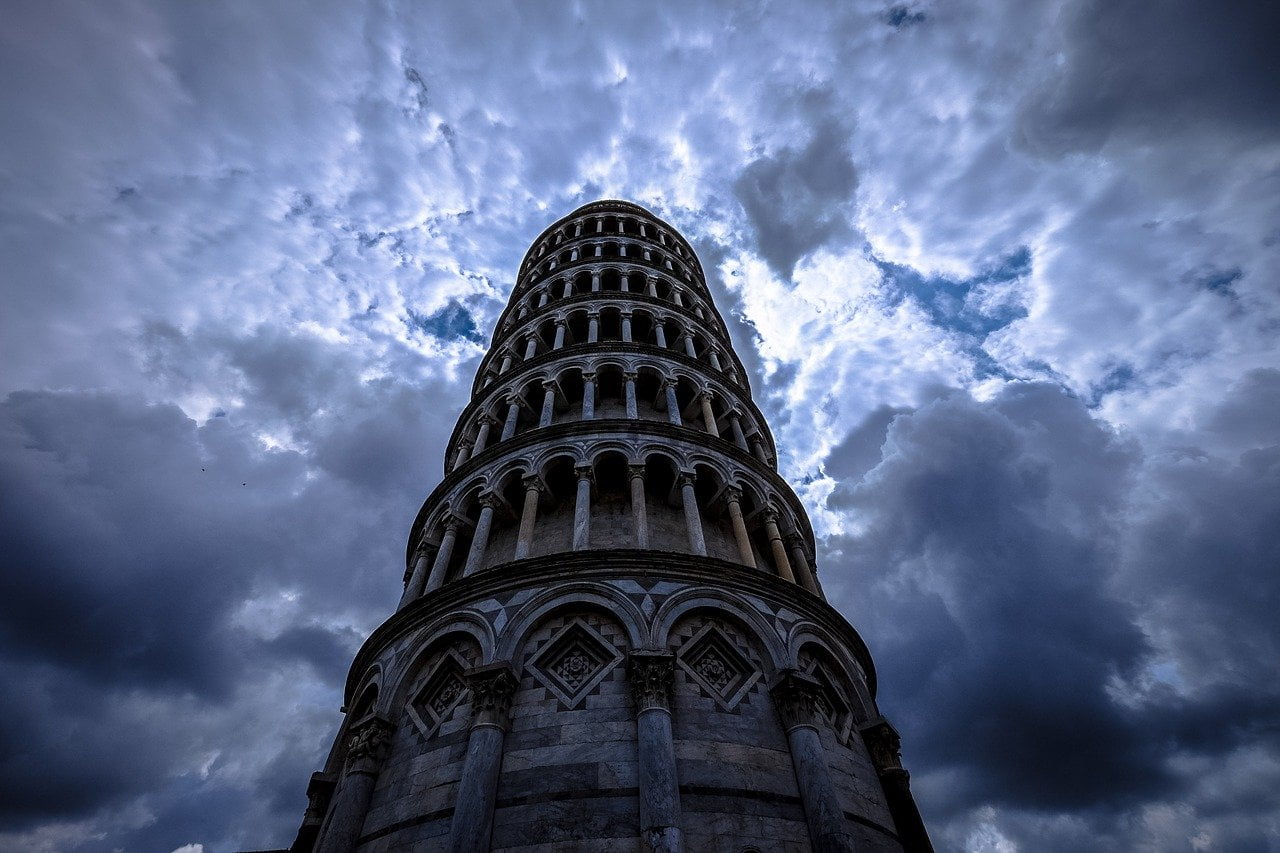
At a Glance
| Political status | City under the rule of Florence since 1406 |
|---|---|
| Local government | Florentine authority works through local magistrates, officials, notaries and merchant families |
| Seat | Pisa, on the Arno |
| Political centre | Florence inland; Genoa and other maritime powers beyond the coast |
| Principal business | Arno cargo, tolls, shipping, credit and the defence of civic privileges |
| Faith and older claims | Temples and oath sanctuaries; ancient sites and the living memory of the Roman gods |

Pisa remembers independence, but Florence has ruled the city since 1406. Florentine authority controls the larger political frame while Pisan magistrates, merchants, notaries and harbour officials still decide how that rule works in daily life. A sealed Florentine order may settle a legal question on paper and still fail at the quay if the wrong family, guild or pilot refuses to cooperate.
The city lives by the Arno and by its western sea approaches. Florentine merchants need Pisa’s access to the coast; Pisan families resent the loss of sovereignty; Genoese sailors and other outsiders test every weakness in the arrangement. A party arriving with cargo, coin or political letters enters those tensions before it finds an inn.
What Is Happening Right Now?
Whose seal opens the port?
Florentine officials want predictable passage for messengers and cargo. Pisan councillors and harbour officers still guard the practical right to inspect goods, set local charges and know who enters their river city.
Use it: a shipment protected by a Florentine seal contains property claimed by a Pisan family.
Florentine rule, Pisan memory
Florentine creditors and officials want the Arno route open and the city obedient. Some Pisan households profit from the arrangement; others treat every new appointment or levy as another reminder that their republic was conquered.
Use it: two valid contracts grant the same storehouse to rival investors, one backed by Florence and one by an old Pisan claim.
Mariners without commissions
A truce far to the north releases soldiers and sailors who still need wages. A merchant who hires them gains escorts; a rival calls them raiders.
Use it: identify the sponsor of a vessel before an armed crew returns to harbour.
Places to Begin
The Arno quays
Porters, pilots, notaries and merchants contest weights, charges and ownership of cargo. A single missing bill of lading can hold a ship longer than a storm.
The council and counting houses
Magistrates judge whose promise binds the city. Merchant households keep private ledgers and maintain contacts in Milan, Florence and Genoa.
Sacred precinct and burial ground
Prayer, patronage, monuments and family memory occupy the same ground. A claim about an ancestor’s grave can decide an inheritance in the present.
Fortified approaches
Watchmen count arrivals from river and road; the old arsenals and strengthened citadels make the movement of arms a political matter.
People and Factions
Pisa’s local political life is a coalition of households, traders, officeholders and Florentine appointees. Florentine representatives bring orders and credit; Pisan families bring local knowledge, property and memory; pilots and shipowners know which promises can actually be carried out on the water. Each group needs the others until one tries to own the whole passage.
In the campaign present, Florence’s Medici circle shapes the larger bargaining ground while Genoese and Milanese interests watch the Tuscan coast for opportunities. The Italian NPCs collection opens further human connections, though a traveller in Pisa still needs a local sponsor before approaching distant courts.
Trade, Faith and Services
| Need | Where to seek it | Price beyond coin |
|---|---|---|
| River and coastal passage | Pilots, quay officials and shipowners | Declared cargo and an acceptable patron |
| Credit or a safe letter | Merchant houses and notaries | Witnesses, collateral or a family guarantee |
| Armed escort | Licensed captains and household guards | A clear destination and liability for losses |
| Sanctuary or testimony | Temple custodians and civic magistrates | An oath whose breach may carry more than a legal penalty |
Names of the older Roman powers survive in stories and sacred places. A sailor still watches what is cast into the water at departure; a magistrate does not dismiss a petition simply because its witness is a spirit.
Dangers, Rumours and Hooks
- A cargo bearing Florentine protection is held at the quay; its Pisan owner insists the civic seal was stolen.
- Three ships disappear after accepting the same pilot. The next captain refuses to sail unless someone follows the pilot ashore.
- A Florentine lender claims a Pisan warehouse under an old debt; a second ledger assigns it to a burial trust.
- Workers opening a sealed chamber beneath a former arsenal hear voices naming living councillors.
- A council vote is due at dawn, and the one magistrate willing to speak against an armed convoy has vanished.
Travel and Law
The Arno road leads inland toward Florence; the coast leads north toward Genoa and south along the Tyrrhenian passage. Florentine authority matters, but harbour dues, local witnesses and Pisan procedure still decide whether goods actually move.
Weapons aboard a hired vessel, a foreign warrant or an unknown passenger give watchmen cause to delay departure. Adventurers who need speed should secure a Pisan witness as well as a Florentine patron.
Old Pisa, Living Pisa
The city’s former sea power remains visible in its buildings, ships’ stories and pride. Florence’s conquest in 1406 ended Pisan independence but did not erase local identity. The sacred precinct and family monuments stand beside the everyday work of merchants and sailors, and old republican memory turns ordinary disputes over taxes, offices and harbour law into questions about who truly owns the city.
Historical Sources and Related Routes
The city of Pisa on its arsenals and citadels and the Italian archival overview of Pisan government provide historical context. Continue to Italy, Milan and Florence. Setting prose, fictional relationships and adventure hooks are original; no game statistics are reproduced.
Keep this reference growing
If this page helped with your reading or game, you can support its upkeep or explore the curated books.
Explore the Bookshop — epics, classics and stories behind imagined worlds.