
Imperial City of Pfullendorf
Imperial City of Pfullendorf
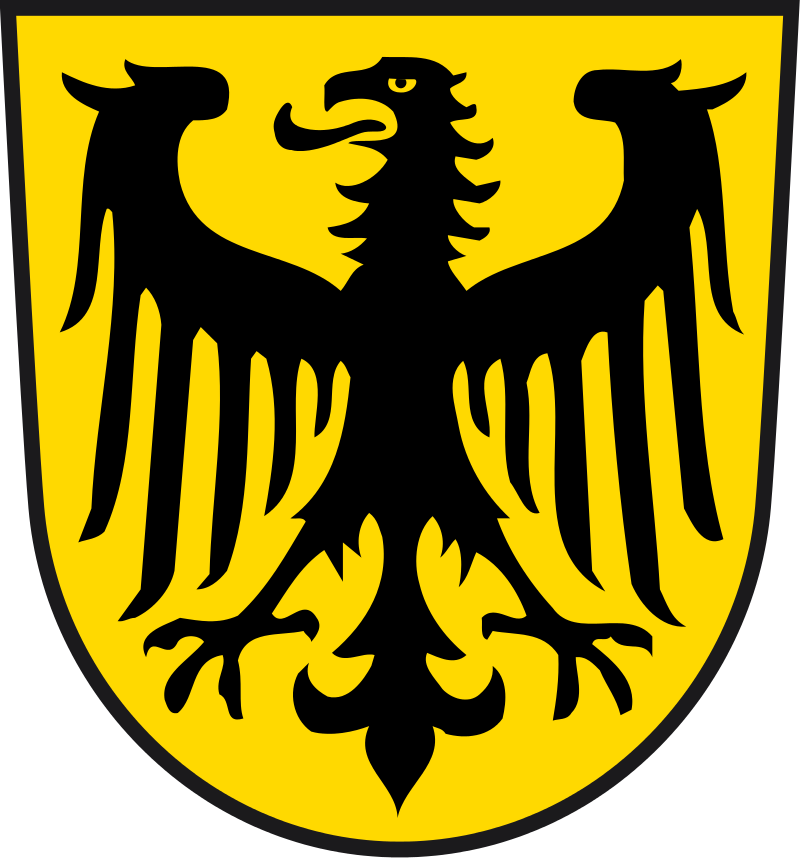
- Coat of arms/Flag
- Status – Settlement, Free Imperial City of the Holy Roman Empire
- General Alignment –
- Settlement size –
- Corruption +; Crime +; Economy +; Law +; Lore +; Society +
- Qualities –
- Danger +
- Demographics
- Country – Holy Roman Empire
- Capital – Pfullendorf
- Government – Republic
- Legislature –
- Population – 6,000
- Places of interest –
- Current Ruler –
- Other Notable residents –
- Marketplace
- Base Value ; Purchase Limit ; Spellcasting
- Minor Items ; Medium Items ; Major Items
Emperor Frederick II elevated Pfullendorf to the status of Imperial City. However, the prince-bishops of Constance, as the biggest landowners in the Linzgau and patrons of several religious institutions such as Holy Spirit Hospital in Pfullendorf, continued to exert significant political influence over the whole area. At the Council of Constance, King Sigismund granted Blutgerichtsbarkeit (“Blood justice” or the right to pronounce sentences of death or mutilation) to the town, a status that confirmed the city as being answerable to God and to the Emperor only.
Pfullendorf rules itself according to a constitution that gives decisive powers to the town guilds and provides for the annual election of the mayor. A 50-member “High Council” also elected annually, was vested with executive authority alongside a 17-member “Small Council” chaired by the mayor.
Pfullendorf’s importance comes from its status as a Free Imperial City near the Lake Constance routes. Its council guards urban privileges, market rights and the city’s direct relationship with the Empire while larger territorial powers press around the same roads and estates.
Keep this reference growing
If this page helped with your reading or game, you can support its upkeep or explore the curated books.
Explore the Bookshop — epics, classics and stories behind imagined worlds.