
East Frisia — The Disputed Coast of Chieftains and Kings
Ulrich Cirksena · King Johann II’s disputed claim · Emden · The Frisian Freedom
At a Glance
| Realm | East Frisian coastal lordships and free communities, not a fully unified hereditary kingdom |
|---|---|
| Greatest Regional Power | Ulrich Cirksena, chieftain of Norden and Greetsiel, consolidating power around Emden, Aurich and surrounding holdings |
| Rival Claimant | Johann II, a cruel self-styled King of East Frisia whose claim is recognised by his followers, not universally by coastal assemblies or the Empire |
| Other Powers | Independent chieftain houses, the Attena of Harlingerland, local councils, wealthy merchants and Groningen’s trading interests |
| Important Settlements | Emden, Norden, Greetsiel, Aurich, Esens, Wittmund and Oldersum |
| Languages | Frisian dialects, Low German and merchant languages of the North Sea |
| Sacred Traditions | Sea and storm deities, ancestor worship, local temple houses and protective spirits of marsh and dike |
| Trade | Salt, livestock, wool, fish, cattle routes, shipping, marshland produce and harbour duties |
| Dangers | Unstable alliances, piracy, predatory captains, storms, broken dikes, kobolds, nixies and disputed land rights |
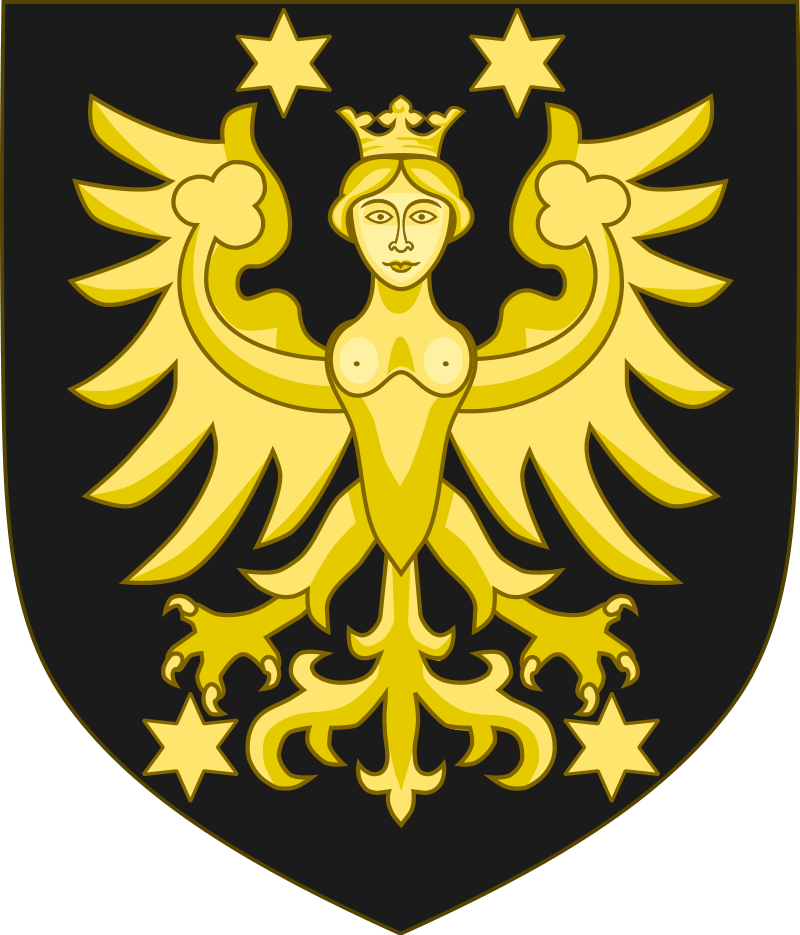
Land of Wind, Water and Rival Oaths
No single command can keep East Frisia’s dikes standing, and no claimant can assume every village will obey his seal. The marshes, salt wind and tidal harbours sustain households proud of their inherited liberties. Merchants in Emden measure profit against the risk of raids; inland freeholders settle disputes by customary law; noble captains offer protection and expect taxes in return.
Ulrich Cirksena has gradually united lands once divided by chieftain rivalries. Yet King Johann II, an existing claimant in the region’s darker political history, insists that an older royal oath makes him rightful master of the coast. His mercenaries, wealthy patrons and frightened dependants lend his title practical force in places where an imperial charter has little immediate value. Ulrich and many Frisian communities deny that such a crown has binding authority over them.
What Is Happening Right Now?
Ulrich Secures His Holdings
The Cirksena chieftain has expanded his power by diplomacy, family alliances and war. Emden’s influence and the recent resolution of its conflict with Hamburg have made him a force no neighbouring lord can ignore. His officers now attempt to reconcile port dues and local freedom without provoking another general feud.
Johann’s Unrecognised Crown
Johann II’s followers call him king, but a merchant arriving from Norden may call him a robber lord. His officials exact tribute and hire armed men wherever he can enforce a claim; other districts contest his right even to call a levy. The royal style is an alternative-history claim, not a declaration that every chieftain has surrendered to one newly invented monarchy.
The Sea Carries News of Grutte Pier
Across the Frisian coasts, Grutte Pier and the already established Black Hope of Arum challenge hostile shipping. East Frisian captains have mixed views: some admire a defender of coastal freedom, others fear retaliation against their own merchants. Johann’s agents may attempt to buy the raiders’ allegiance, while Ulrich wants to prevent a new war at sea.
Places to Know
Emden — The Harbour and the Chancellery
Merchants, sailors, magistrates and chieftain officers contest which tolls are lawful. Ulrich has strengthened his position here, but overseas trade remains dependent upon the goodwill of other ports and the Hanseatic network.
Norden and Greetsiel
Old Cirksena strongholds whose households and watch stations help Ulrich maintain an influence greater than many earlier chieftains could command.
Aurich
An important inland assembly and court centre in contested Frisian country. Johann II’s supporters are especially vocal here, though that does not make Aurich the unquestioned capital of a unified kingdom.
Oldersum and the River Approaches
Simon von Oldersum, a feared local lord of the existing setting, uses mercenaries to enforce his demands. His armed men trouble fishermen and ferry keepers; neither Cirksena officials nor Johann’s followers can count on his loyalty.
Esens, Wittmund and the Harlingerland
Separate lordships and strongholds preserve their own authorities. A traveller can cross from one chieftain’s lands into another’s without seeing a boundary stone.
The Jade Coast and Tidal Flats
Salt marshes, tidal channels, fishing villages and exposed anchorages spread around the Jade. There is no town called Wilhelmshaven here in the campaign’s inherited medieval geography; that historical port and name belong to a much later period.
People, Magic and Factions
Ulrich Cirksena seeks alliances and recognition without trampling Frisian customary law. King Johann II maintains a harsh competing court whose royal claims are widely disputed. Simon von Oldersum commands a dangerous local force.
Hans van der Meer paints unsettling scenes of storms, battles and drowned villages. Whether his newest painting is prophetic or merely a political provocation is an open question. Dr Johann von Bock, an eccentric experimenter, is blamed for missing travellers and failures of unusual devices; investigators will need evidence before believing the accusations.
The coast also contains dwarven craftspeople, halfling merchants and other travellers, as well as old river powers. A kobold encountered near a mill need not be hostile, and a nixie’s demand may concern an ancient promise broken by a local family. The gods of sea, storm and protection are honoured in small shrines and communal temples.
Adventure Hooks
- Two Rulers’ Tribute. A village receives tax collectors from Ulrich and Johann within a week. A forged grant threatens to turn a legal dispute into a raid.
- Oldersum’s Missing Boats. Simon’s mercenaries seize two fishing boats; witnesses say a third vanished without human help.
- A Painting of Tomorrow. Hans van der Meer depicts a flood that has not happened, showing a secret sluice no one admits exists.
- The Doctor’s Glass Vessel. Johann von Bock requests help recovering an apparatus before his enemies publicly destroy it.
- The False Black Hope. Raiders fly Pier’s colours to disguise their own attacks on coastal merchants.
Travel, Dikes and Local Law
Ask who controls the next ferry, harbour or dike. Free communities, temple houses and chieftain families defend different privileges. A promise of safe passage from Johann’s men might provoke Cirksena guards, while a written warrant from Ulrich carries little weight beyond its supporters’ reach. Storm tides, bog roads and shifting channels require local guides.
Deeper History and Sources
The historical East Frisian regional biography of Ulrich Cirksena traces his growing power, while Deutsche Biographie describes the consolidation of chieftain territories. In recorded history, Ulrich was elevated to imperial count in 1464; that recognition has not yet occurred in the inherited political framework. Wilhelmshaven’s municipal history dates its foundation to 1869.
The claim of King Johann II, Simon von Oldersum’s oppressive mercenaries, Hans van der Meer, Dr Johann von Bock, the supernatural dangers and Pier’s advanced rebellion are part of this world’s altered history. They are not assertions about the recorded lives of medieval East Frisians.
Related Lands
Keep this reference growing
If this page helped with your reading or game, you can support its upkeep or explore the curated books.
Explore the Bookshop — epics, classics and stories behind imagined worlds.