
Calenberg — William the Victorious and the Leine Country
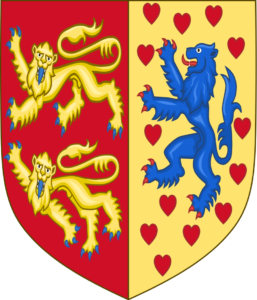
Calenberg is a Welf principality held together by castles, roads and obligations rather than by a single great town. Its prince, William the Victorious, holds court at Calenberg Castle in the lowland between the Leine and the Deister. Beyond the garrison’s reach, merchants of Hanover exercise freedoms that a ducal officer cannot simply ignore. Westward, farming estates, wooded hills and crossings towards the Weser provide the prince with income—and frequent arguments about who owes it.
- Realm: a Welf principality within Brunswick–Lüneburg, established by the division of 1432
- Ruler: William the Victorious, brother of Henry the Peaceful of Wolfenbüttel
- Princely seat: Calenberg Castle on the Leine; Hanover is not yet the residence of the prince
- Key waterways: Leine and its tributaries; crossings towards the Weser
- Land: wet lowland, fields, woods, the Deister’s foothills and scattered lordships
- People: farmers, millers, carters, river traders, castle households and craft families in the towns
- Political neighbours: Hanover’s council, Hildesheim’s territorial lordship and the other Welf courts
- Current concerns: safe-conducts, grain and timber deliveries, scattered dues and ducal inheritance
What Is Happening Right Now?
A cargo of Harz iron has arrived at Hanover under a council safe-conduct, but William’s men demand payment before it can cross ducal territory. The merchants point to the city’s agreement with its trading partners; the castle steward claims the levy maintains the road. If the wagons remain detained, the smiths of Hanover lose work and the Calenberg garrison will wait for fittings needed to mend its gates.
At the castle, a messenger from Henry the Peaceful brings news of a disputed grant. The brothers divided their father’s claims in 1432, but their tenants still work land where old rights run across the new princely boundary. An armed demonstration would be costly for both; scribes and witnesses may accomplish what a dozen mounted men cannot.
Calenberg Castle and the Southern Plain
Calenberg Castle rises from the river country, guarding an approach through the Leine valley and serving as William’s seat. Its moats, stores, stables and lodgings make it a working administrative centre. A bailiff collects grain, fodder and labour owed by nearby estates; a household captain needs them turned into meals, horseshoes and serviceable carts. In spring the road can flood before an expected wagon has even passed the outer fields.
Beyond the castle the villages are neither an empty wilderness nor an endless army camp. Families grow grain, raise livestock, cut timber and carry goods to market. Some labour for a lord or abbey estate, others lease land or hold rights recorded in local custom. A stranger asking whose permission is needed to fish a stretch of river may hear two different answers.
Hanover — A City with Its Own Voice
The merchants and guilds of Hanover defend their walls and rights along the Leine. The town’s councillors have more to worry about than the prince’s next demand: roads must remain open, trading partners expect promised goods, and rival interests within the council can halt a decision for days. The city holds minting rights and participates in northern merchants’ alliances. Its liberties give William a valuable trading neighbour, not a compliant capital.
Calenberg Castle and Hanover answer different needs. The prince wants revenue, military access and recognition; the town wants predictable tolls and authority over its market. They negotiate because neither can afford a closed road for long.
Welf Kin and Rival Jurisdictions
William received Calenberg in the 1432 division of the Welf lands while Henry retained Brunswick–Wolfenbüttel. Lüneburg and Grubenhagen have other Welf princes. Their dukes may share a family name and arms without sharing taxes, laws or every quarrel. Officials moving between their domains carry documents that must be recognised by whoever presently controls the road.
The lordships of Hildesheim and neighbouring noble families complicate any clean map of Calenberg. A farmer may owe rent to one estate, military service to another and court appearances at a third place. Such obligations matter when a wounded rider claims sanctuary, livestock is stolen or a ferry owner refuses to honour a prince’s warrant.
Roads and Work for Travellers
Hanover’s markets are the most useful place to hire a guide, buy carts and arrange a shipment. From there the Leine roads reach south past Calenberg towards the hill country; tracks westward cross wooded ground toward the Weser and Deister. No road is equally safe in every season. Meadow crossings turn soft in rain, horse traffic delays heavy wagons at narrow bridges, and a ducal escort may be recognised on one road but challenged on the next.
A party escorting goods may decide to pay the contested toll, secure a written exemption in Hanover or carry the cargo by a slower route. At the castle a steward may hire messengers to find witnesses to a missing rent-roll; a villager whose oxen were requisitioned needs the same records to recover payment.
Hameln — The Weser and the Lost Children
Westward, Hameln offers Weser landings, working mills and paths into the wooded hills. Its council governs the streets, while rights pledged to Hildesheim complicate Welf claims. Travellers can find beds at the Millstone, river work at the Fish Gate, and a stranger task among the families of the lost children: the Pied Piper is preparing another procession.
Historical Sources and Related Lands
The City of Hanover’s medieval chronology records the 1371 destruction of Lauenrode Castle, 1426 trade pact and 1438 minting rights. Its 1440–1636 chronology documents the council compromise of 1448 and much later choice of Hanover as the princely residence. The Brunswick–Lüneburg gazetteer sets the current Welf branches. The Calenberg engraving below dates from 1654 and is retained as later art, not a campaign-period map.

Calenberg’s title comes from the castle that served its first prince. The 1654 engraving above shows later buildings and land divisions; the campaign landscape is the earlier Welf stronghold and its surrounding routes.
Keep this reference growing
If this page helped with your reading or game, you can support its upkeep or explore the curated books.
Explore the Bookshop — epics, classics and stories behind imagined worlds.