
Demmin — The Three-River Hanseatic Town
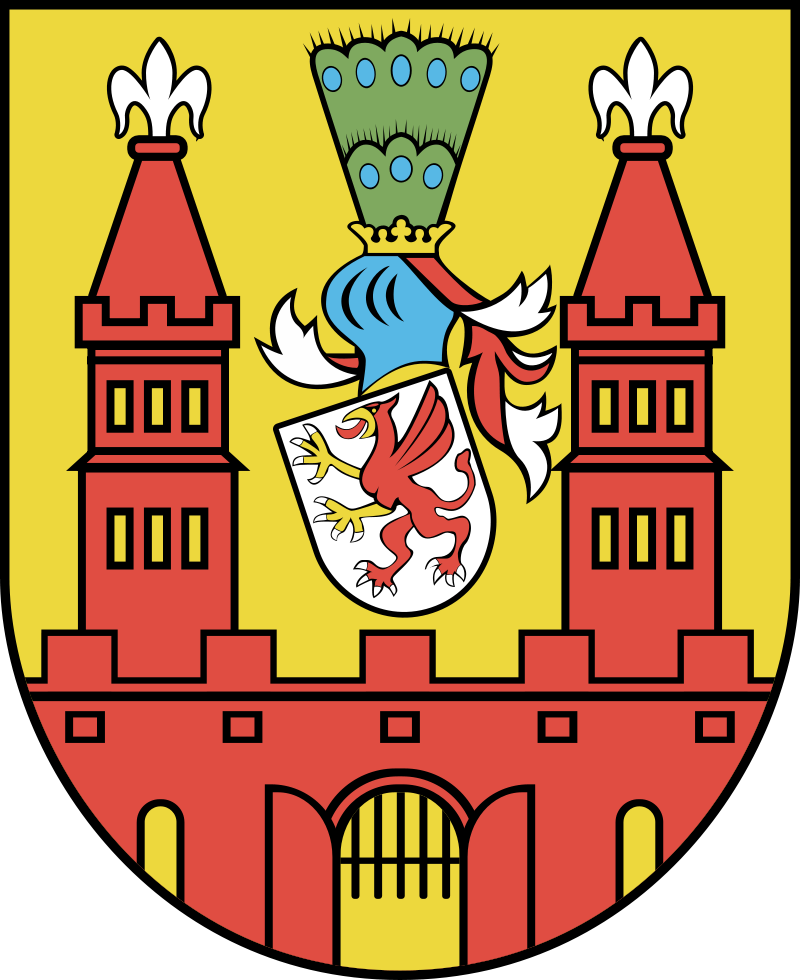
Three rivers meet at Demmin, and so do the merchants who travel them. Where the Tollense and Trebel join the Peene, boatmen haul grain, timber and produce between the inland farms and Pomerania’s ports. The old castle of Haus Demmin guards the approaches beyond the town. Inside the walls, the council keeps accounts of tolls and harbour dues and holds charters that Duke Wartislaw IX has recently renewed at a price.
- Realm: Pomerania–Wolgast under Duke Wartislaw IX, of the Griffin house
- Civic authority: Demmin’s Hanseatic town council under Lübeck law
- Waterways: navigable Peene, Tollense and Trebel converge here
- Trade: grain, livestock, timber, fish, mills, boat repairs and inland road services
- Landmark: Haus Demmin, the old fortified site near the river approaches
- Privileges: Lübeck civic rights confirmed in the thirteenth century, coinage rights from 1332, and the 1452 Golden Privilege
- Allies: Stralsund, Greifswald and Anklam in the four-town alliance
- Current concerns: river safety, the ducal pledge, disputed dues and repairs following high water
What Is Happening Right Now?
A ferryboat laden with rye has grounded just below the confluence. The owner asks the council for relief from wharf fees while the cargo is unloaded onto smaller craft, but a ducal officer claims the grain was being moved without the proper declaration. The workmen want their wages before the grain gets wet; the market cannot afford to lose another shipment.
Demmin’s councillors also face a request from Wartislaw’s household to provide men and boats. The four towns won broad freedoms in the Golden Privilege of 1452, including protection from arbitrary demands. The council has the document, but a noble officer insists the current summons concerns defence of the rivers and therefore lies within his lord’s rights.
Where Three Rivers Meet
The Peene carries traffic towards the Baltic, while the Tollense and Trebel drain the country inland. Riverbanks of meadow and reed give way to higher ground around the fortified settlement. In spring, rising water can drown a familiar road while the ferry continues to work; after a dry summer, shallows make boatmen lighten loads before crossing a gravel reach.
Demmin’s traders buy rural produce and arrange its onward carriage. Millers need grain delivered before it spoils, coopers repair barrels, and carters keep horses fed while awaiting a boat. A skipper who knows the next bend is worth hiring before a novice risks a cargo on the unfamiliar river.
Town Rights and the Old Castle
The town’s earlier rulers guarded the confluence from the stronghold known as Haus Demmin. The surrounding market grew into a town enjoying Lübeck-style civic law, acknowledged by Pomeranian dukes in the thirteenth century. Demmin joined the Hanseatic commercial world and later secured its own minting rights. Its merchants deal in more than river produce: the town has long sent representatives to northern assemblies and contributed men and ships to Hanseatic defence.
Haus Demmin still matters to the duke’s officers, whose jurisdiction does not always match that of the council. Town watchmen protect the gates and market; castle retainers guard the outer roads and may assert older rights over passing animals or timber. A visitor summoned before both authorities must establish which claim concerns the offence alleged.
The Four Towns and the Golden Privilege
In 1452 Wartislaw IX conceded significant freedoms to Demmin, Stralsund, Greifswald and Anklam. Their alliance did not erase the duke, but it required his officers to respect trade, safe conduct and the councils’ privileges. Merchants remember that they helped secure those concessions during the prince’s struggle with Mecklenburg; they are not eager to pay for them twice.
Demmin rarely commands the attention given to the great sea ports. Its value lies in connecting farm and forest goods with river transport. Merchants from Stralsund can buy a shipment here without ever travelling to the fields that produced it; the families who farm those fields depend on the council’s warehouses and fair measures.
Work Along the Water
A missing toll book leaves a boatmaster unable to prove he paid upriver; a council clerk needs it found before the next market. At a waterlogged storehouse, the last dry grain must be moved before another night of rain. In the villages beyond Haus Demmin, an estate steward wants witnesses to a ferry accident in which cargo was lost but all the passengers survived. These troubles affect the same families who keep the Hanseatic rivers open.
History and Sources
The City of Demmin’s chronology records the former duchy, Lübeck civic rights, entry into Hanseatic networks and the four towns’ Golden Privilege of 1452. The Hanseatic Historical Society describes trade at the meeting of Peene, Trebel and Tollense and its thirteenth-century coin and town privileges. For connected Pomeranian cities see Pomerania and the Hanseatic League.
Keep this reference growing
If this page helped with your reading or game, you can support its upkeep or explore the curated books.
Explore the Bookshop — epics, classics and stories behind imagined worlds.