
Stralsund — The Hanseatic Gate to Rügen
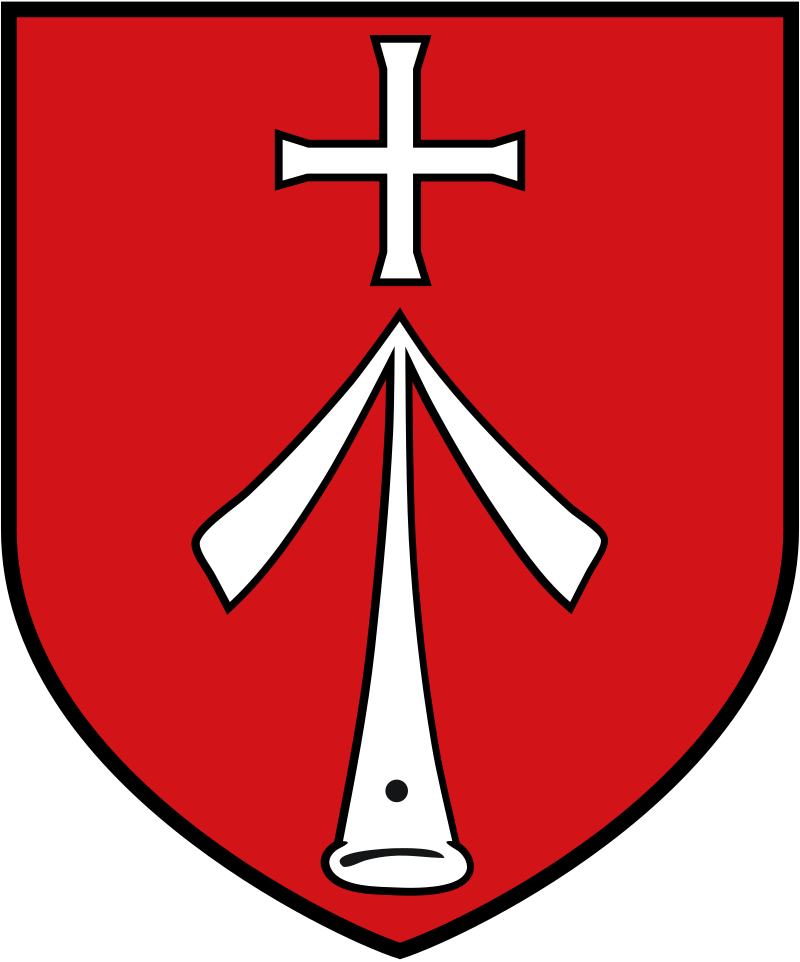
The walls of Stralsund face a strait crowded with ships. Merchant captains wait for a fair wind to cross towards Rügen or take the route along the Baltic, while the town’s council measures grain, salt and fish against the tariffs it has promised its Hanseatic partners. Pomeranian Duke Wartislaw IX claims princely authority in this country; the council holds written rights that make obeying his every demand neither simple nor inevitable.
- Realm: the Wolgast branch of the Pomeranian Griffin duchies, under Wartislaw IX
- Civic authority: Hanseatic town council and merchant families; Lübeck town law granted in 1234
- Water and trade: Strelasund crossing opposite Rügen, Baltic shipping, herring, grain, salt, timber and sailcloth
- Defences: walls, towers and guarded water gates surrounding the old market and harbour districts
- City partners: Hanseatic League, particularly Lübeck, Wismar, Rostock and Greifswald
- Princely pact: among the four towns granted liberties in Wartislaw’s Golden Privilege of 1452
- Recent turmoil: civic divisions around former mayor Otto Voge and relations with the duke
- Well-known charter: the Peace of Stralsund, signed in 1370 between the Hanse and the Danish crown
What Is Happening Right Now?
Wartislaw IX has made peace with Mecklenburg, but his quarrel with Stralsund’s civic leaders has not been forgotten. In 1453 news of the duke’s intended move against the powerful mayor Otto Voge set the council against his agents. Voge was deposed and driven out, and the new civic leadership has since dealt with the duke on a different footing. Merchants who supported either faction still have ships in the harbour and creditors at their doors.
A freight master has brought the council a ducal request for timber and boats. The duke’s officers say it follows from the peace; the merchants point to the freedoms they purchased with their support in 1452. The cargo cannot remain exposed at the wharf for long. Apprentices must be paid, the herring season is passing, and a vessel left idle costs its owners money each day.
Strelasund — The City and the Crossing
Stralsund stands on slightly raised ground surrounded by marshes and water, with the strait separating its quays from Rügen. A ferry can carry passengers across in calm conditions; larger cogs need pilots who know the channels and shifting conditions of the Baltic approaches. Shipmasters rely on rope makers, cooperages, sail makers, carpenters and the men who unload grain and dried fish.
The old and new markets bring different traffic through the walls. Warehouses hold cloth, timber and barrels of fish awaiting buyers. The town hall houses the council and its records; a badly copied charter or missing seal can cost a merchant a fortune. The city’s size and prosperity depend on defended civic privileges as much as on stone walls.
A Hanseatic Town That Remembers Victory
On 24 May 1370 the Hanseatic League’s peace with Denmark was sealed here, after a conflict over trading privileges and control of the Baltic approaches. The documents remain part of the council’s proud inheritance. Envoys still invoke the old settlements when a royal officer challenges a toll or a ship’s rights in the Sound. Stralsund’s council has no army equal to a king’s, but it can join a network of cities whose ships, credit and boycotts command attention.
The city’s friends are not always united. A Lübeck merchant wants the Sound kept open at almost any price; a Stralsund captain may care more about a private cargo and a Greifswald trader may demand compensation for a detained vessel. The Hanse binds their interests without erasing differences between their councils.
The Four Towns and the Duke
Wartislaw’s Golden Privilege extended freedoms to Stralsund, Greifswald, Demmin and Anklam. The grant strengthened the towns in their dealings with him, but did not make them four independent kingdoms. Their councils must still address ducal levies, disputes over rural roads and princely demands for ships. A party travelling between them can meet a different interpretation of the same charter at every gate.
Farther inland, farms provide the grain, wood, animals and tar needed at the quays. Coastal fishers and island households keep the ferries supplied, while the harbour sends money into the hinterland. The council depends on those settlements but also taxes their traffic; few townspeople can claim to be strangers to a countryside quarrel.
Work and Trouble at the Harbour
A pilot disappears after taking a valuable salt cargo toward Rügen. His boat returns with a broken steering oar, but no sign of a storm. The owner wants an answer before the next convoy sails. Elsewhere a cargo master finds two valid-looking documents in the council books, one granting a ducal exemption and the other cancelling it. The men unloading the ship have already been ordered to halt.
In the market a witness to the Voge affair asks for passage out of town. He cannot pay a shipmaster openly without alerting people who blame him for the mayor’s fall. Helping him may carry the party into a political dispute that has lasted longer than the current sailing season.
Historical Sources and Neighbouring Ports
Stralsund’s civic history describes the 1234 foundation, harbour, walls and coastal road. The municipal archive preserves the treaty of 24 May 1370. Deutsche Biographie’s Wartislaw IX entry documents the 1452 Golden Privilege and the conflict around Otto Voge. Nearby readers can continue to Greifswald or the wider Pomeranian duchies.
Keep this reference growing
If this page helped with your reading or game, you can support its upkeep or explore the curated books.
Explore the Bookshop — epics, classics and stories behind imagined worlds.