
General Feat
Detect Poison Feat
Nonmagical poison detection for 5.5e / 2024, 5e / 2014, Pathfinder 1e and D&D 3.5e.

Detect Poison represents trained, nonmagical expertise in recognising the telltale signs of poison on weapons, objects, food and drink. It is the knowledge of the court taster, apothecary, investigator, caravan guard and experienced traveller who knows that a stain, residue, smell, discolouration or unnatural surface sheen can mean death.
| Category | General Feat |
|---|---|
| Prerequisite | Level 4+ |
| Action | Search Action |
| Range | 5 feet |
| Object, Weapon, Food or Drink | Wisdom (Perception), with Advantage |
| Poisoned Creature | Wisdom (Medicine), with Advantage |
| Detection DC | DC 10 obvious; DC 15 normal; DC 20 concealed; DC 25 expertly concealed |
| Uses | At will |
You are trained to recognise the physical signs that poisons can leave on objects, weapons, food, drink and living creatures.
When you take the Search Action to examine one object, weapon, container, portion of food or drink within 5 feet, make a Wisdom (Perception) check with Advantage.
When examining a creature for symptoms of poisoning instead, make a Wisdom (Medicine) check with Advantage.
Poison Detection DCs
| DC | Evidence |
|---|---|
| DC 10 | Obvious. Strong odour, visible residue, obvious staining, crude application, damaged food or an openly coated weapon. |
| DC 15 | Normal. The poison has been competently applied but leaves recognisable physical evidence under deliberate inspection. |
| DC 20 | Concealed. The poison is diluted, mixed into food or drink, carefully applied or deliberately disguised. |
| DC 25 | Expertly concealed. Only minute residue, subtle discolouration, unusual texture, masked odour or another difficult clue remains. |
Detecting poison does not automatically identify the exact toxin, reveal its saving throw DC, neutralise it or cure an affected creature.
| Type | Feat |
|---|---|
| Prerequisite | None |
| Action | Action |
| Range | 5 feet |
| Object, Weapon, Food or Drink | Intelligence (Investigation) or Wisdom (Perception), with Advantage |
| Poisoned Creature | Wisdom (Medicine), with Advantage |
| Detection DC | DC 10 obvious; DC 15 normal; DC 20 concealed; DC 25 expertly concealed |
| Uses | At will |
You have learned to recognise physical evidence left by toxic substances.
As an Action, you may closely inspect one object, weapon, container, portion of food or drink within 5 feet.
Make an Intelligence (Investigation) or Wisdom (Perception) check with Advantage. The DM chooses the ability and skill that best fit the method of examination.
When examining a creature for physical symptoms of poisoning, use a Wisdom (Medicine) check with Advantage instead.
Poison Detection DCs
| DC | Evidence |
|---|---|
| DC 10 | Obvious. Strong smell, visible coating, obvious residue, staining or other clear contamination. |
| DC 15 | Normal. Ordinary poison that leaves recognisable traces when deliberately inspected. |
| DC 20 | Concealed. The poison is diluted, carefully applied, mixed into strongly flavoured food or drink, or otherwise disguised. |
| DC 25 | Expertly concealed. Only minute or deliberately obscured physical evidence remains. |
Detecting poison does not automatically identify its exact name, effects, save DC, dosage or antidote.
| Type | General |
|---|---|
| Action | Full-round action |
| Range | 5 feet |
| Detection Check | Perception |
| Detection DC | DC 15 obvious; DC 20 normal; DC 25 carefully concealed; DC 30 exceptionally concealed |
| Exact Identification | Craft (alchemy), separate check |
| Uses | At will |
As a full-round action, you may closely examine one object, weapon, portion of food, drink or container within 5 feet for physical evidence of poison.
Make a Perception check against the appropriate Detect Poison DC.
Poison Detection DCs
| DC | Evidence |
|---|---|
| DC 15 | Obvious. Clear residue, staining, strong smell, damaged food or crude application. |
| DC 20 | Normal. A competently applied poison that can be recognised through deliberate close examination. |
| DC 25 | Carefully concealed. Poison mixed into strongly flavoured food or drink, lightly coated on an object, diluted or deliberately disguised. |
| DC 30 | Exceptionally concealed. The poison was prepared and placed by an expert and leaves only minute physical evidence. |
Identifying the Exact Poison
Detection and identification are separate tasks. After detecting poison, the GM may call for a Craft (alchemy) check to identify the exact substance.
| DC 15 | Common and distinctive poison. |
|---|---|
| DC 20 | Typical prepared poison. |
| DC 25 | Rare, unusual or deliberately disguised poison. |
| DC 30+ | Exotic, unique or supernatural toxin. |
| Type | General |
|---|---|
| Action | Full-round action |
| Range | 5 feet |
| Check | Search DC 20 |
| Uses | At will |
You are exceptionally skilled at recognising the signs left by poison.
As a full-round action, you may examine an object, weapon, food or drink within 5 feet.
A successful DC 20 Search check reveals whether the examined subject has been poisoned.
This ability may be used at will.
What Detect Poison Actually Does
Detect Poison is investigation rather than immunity. The feat helps a character recognise that something is dangerous before exposure occurs.
Depending on the substance and circumstances, warning signs might include unusual sediment, an oily film, crystalline residue, staining around a stopper, altered colour, a bitter or metallic smell, damage to organic material, abnormal corrosion, disturbed wax seals or traces left where a weapon was coated.
Characters should not be encouraged to taste unknown substances as a routine detection method. Examination is useful precisely because poison can be dangerous before its identity is known.
Detection Is Not Identification
Finding evidence of poison answers the immediate question: is this likely to be poisoned?
It does not automatically answer:
- What exact poison is it?
- How strong is the dose?
- How quickly will it act?
- What saving throw does it require?
- What antidote will work?
- Has somebody already been exposed?
Those questions belong to alchemical expertise, medical knowledge, specialist tools, further investigation or magic.
Detect Poison Feat vs Detect Poison Spell
The feat and the Detect Poison spell solve similar problems in very different ways.
The feat is mundane expertise. It requires close examination and depends upon evidence that a trained person could physically recognise.
The spell uses divination magic and can reveal poison without relying upon ordinary sensory clues.
That distinction keeps both options useful. A professional poison examiner can work repeatedly without expending magic, while a spellcaster can investigate cases where mundane evidence is absent, destroyed or deliberately concealed.
Examples in Play
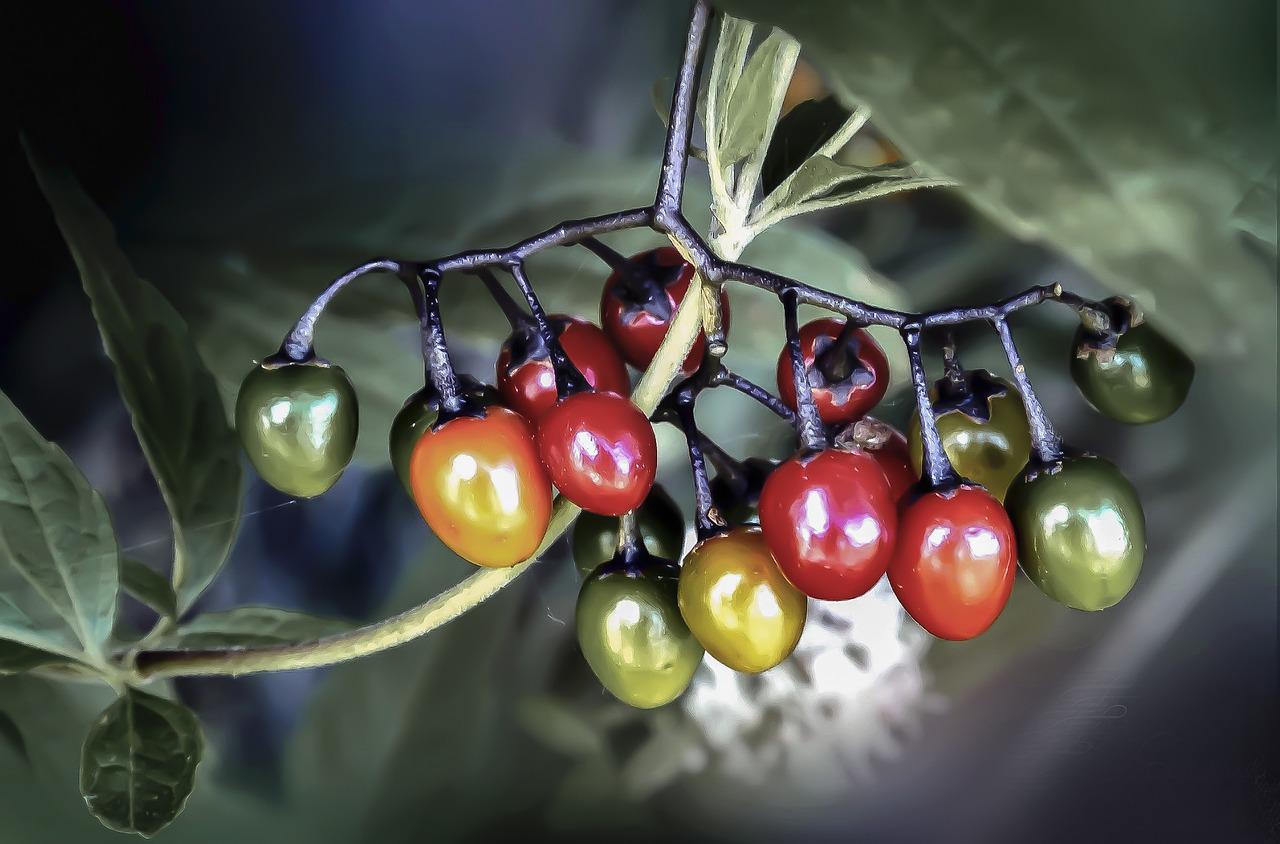
Detect Poison in 1454
In the campaign present, poison detection belongs to practical professions rather than modern laboratories.
Apothecaries, physicians, herbalists, court servants, military quartermasters, hunters, professional tasters and investigators all have reasons to learn what contamination looks like.
The feat is especially valuable where food, drink and medicine pass through several hands before reaching an important person.
A prince’s household may employ servants specifically to watch kitchens and cellars. A merchant caravan may inspect suspicious water or provisions after travelling through hostile territory. An apothecary may be asked whether a patient’s medicine was altered after leaving the shop.
Adventurers encounter the same danger on a less orderly scale: poisoned locks, trapped containers, tainted wells, coated blades, contaminated provisions and gifts sent by people who expect hospitality to do the killing for them.
Useful Specialists
- Court tasters — trained to inspect food, cups, serving vessels and preparation practices.
- Apothecaries — recognise herbs, residues, preparations and suspicious combinations.
- Caravan guards — inspect water, provisions and weapons after sabotage or theft.
- Investigators — look for evidence that an apparent illness or sudden death began with deliberate contamination.
- Hunters and herbalists — recognise dangerous plants, venoms and natural toxins encountered outside cities.
Optional Variable-DC Rule
An earlier version of the feat associated with Eric D. Harry’s Netbook of Feats used a difficulty tied more closely to the poison itself rather than the fixed DC 20 preserved by the later page.
A GM who wants poison detection difficulty to scale by substance may therefore replace the fixed DC with the poison’s own save DC, or use that value as a starting point before adjusting for concealment and available evidence.
This is an optional historical variant. It does not replace the default D&D 3.5e rule on this page.
Related Rules and Equipment
Detect Poison Feat FAQ
Is Detect Poison magical?
Can Detect Poison identify the exact toxin?
Can I use Detect Poison repeatedly?
Does the feat neutralise poison?
Can the feat detect poison with no physical evidence?
Sources and Preservation Notes
The previous page credited Heroes of Fantasy, by August Hahn, Tim Hitchcock, Joseph Miller, Ian Sturrock, John Thompson, Paul Tucker and Patrick Younts, Mongoose Publishing, 2005.
The D&D 3.5e presentation above preserves the established feat mechanically: General feat, Search DC 20, full-round action, 5-foot range and at-will use.
The wording has been rewritten rather than reproducing the earlier text verbatim.
The 5.5e / 2024, 5e / 2014 and Pathfinder 1e panels are conversions designed to preserve the same character concept without mixing edition mechanics.
The earlier Netbook of Feats tradition attributed to Eric D. Harry is retained only as the optional variable-DC historical variant described above.
Keep this reference growing
If this page helped with your reading or game, you can support its upkeep or explore the curated books.
Explore the Bookshop — epics, classics and stories behind imagined worlds.