
Iberian Peninsula — Castile, Aragon, Portugal and Granada
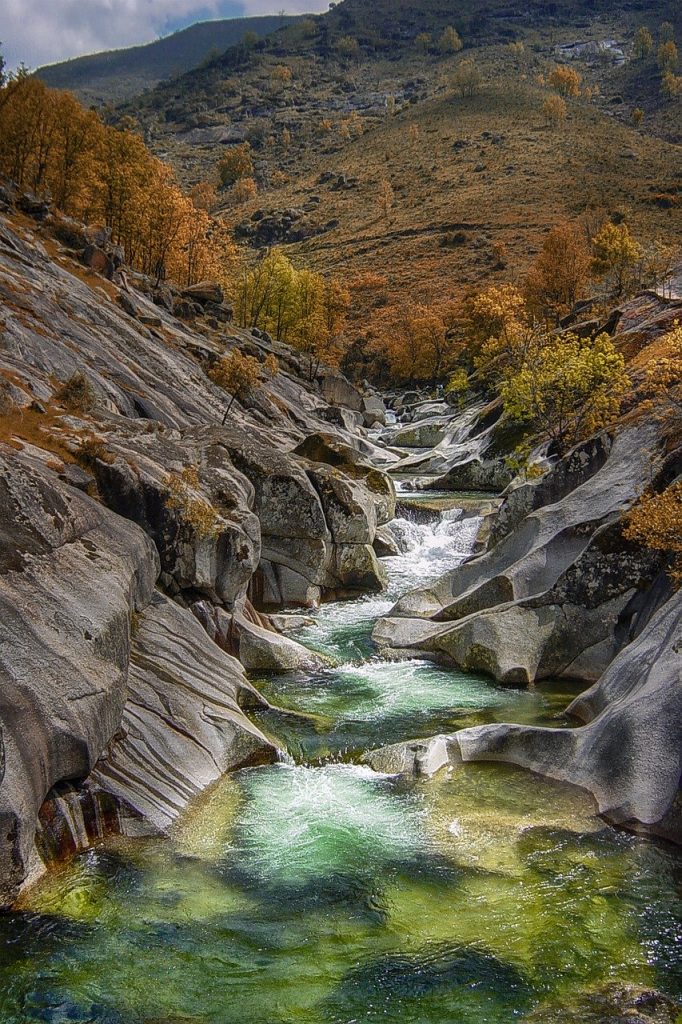
Castile · Aragon · Portugal · Navarre · Granada · Atlantic and Mediterranean Routes
At a Glance
| Political landscape | Several independent crowns and realms; there is no single united Spanish monarchy |
|---|---|
| Castile | Royal transition from John II to Henry IV |
| Aragon | Alfonso V rules a Mediterranean composite monarchy |
| Portugal | Afonso V rules while Atlantic exploration pushes farther down the African coast |
| Granada | Nasrid Granada remains an independent southern power |
| Navarre | Independent kingdom between larger neighbours and Pyrenean routes |
| Campaign tone | Royal succession, noble factions, frontier warfare, maritime exploration, mountain roads and rival commercial networks |
The Iberian Peninsula is not one kingdom. Travellers cross from one crown into another through customs points, mountain passes, river valleys and ports whose laws do not automatically agree. Castile dominates much of the central peninsula, Aragon looks both inland and across the Mediterranean, Portugal faces the Atlantic, Navarre guards Pyrenean approaches, and Granada remains an independent southern state.
The political map is especially unsettled because Castile is changing kings while Portugal and Aragon are both pursuing wider ambitions beyond their core territories. A sealed letter valid in one court may be worthless at the next border. A captain who is a loyal servant in one realm may be treated as a private raider in another.
Explore: Crown of Castile · Crown of Aragon · Portugal · Granada · Navarre · Pyrenees
What Is Happening Right Now?
Castile changes kings
John II’s death brings Henry IV to the throne. Noble houses, towns and royal servants immediately reassess which promises survive the succession and which appointments can be challenged.
Aragon looks across two seas
Alfonso V rules from a Mediterranean network that includes Aragonese and Catalan lands, Sardinia, Sicily and Naples. Couriers and galleys bind together realms that keep their own laws and institutions.
Portugal pushes into the Atlantic
Afonso V rules while expeditions associated with Prince Henry continue south along the West African coast. New routes create new charts, cargoes, captains and arguments about who owns discoveries made beyond familiar waters.
Granada remains independent
The southern frontier is political, military and commercial rather than a simple line on a map. Truces, tribute, raids, hostages and private bargains can all alter local conditions without changing the formal border.
Choose a Realm
Castile and León
Castile is the largest central power, but noble houses and royal towns make the new king’s authority something that must be negotiated as well as proclaimed.
Crown of Aragon
Aragon is a composite monarchy whose Mediterranean realms stretch through the islands toward Italy. Local privileges matter at every shore.
Portugal
Portugal combines royal politics with an increasingly ambitious Atlantic maritime network. Shipyards, charts, pilots and African routes create opportunities far beyond the peninsula.
Granada
Granada remains a wealthy southern court and frontier state whose diplomacy reaches both neighbouring crowns and Mediterranean markets.
Navarre
Navarre sits astride Pyrenean routes where dynastic claims, mountain communities and neighbouring powers compete for influence.
Travel, Trade and Frontiers
- Pyrenean roads: passes connect Iberia to France but weather, tolls and local lordships can close a route quickly.
- Atlantic ports: Portuguese and Castilian harbours support fishing, trade, military shipping and increasingly long voyages south and west.
- Mediterranean routes: Aragonese ports link Iberia with the Balearics, Sardinia, Sicily, Malta and southern Italy.
- Interior roads: royal highways, livestock routes and river crossings depend on local tolls, town privileges and noble estates.
- Granadan frontier: military roads and trading points create a zone where scouts, merchants, envoys and raiders may use the same track for very different reasons.
Dangers and Adventure Hooks
- The dead king’s passport: a Castilian safe-conduct was issued days before John II’s death. A frontier captain refuses to recognise it under Henry IV.
- The Portuguese chart: a pilot returns with a coastal chart that three merchants, a royal officer and a foreign captain all claim to own.
- The Aragonese courier: sealed instructions from Alfonso V must cross Castile before reaching the western coast, but two noble houses want the dispatch opened.
- Granada’s missing envoy: a diplomat disappears near a frontier market where both sides insist the other controlled the road.
- The Pyrenean claimant: an inheritance case in Navarre threatens to pull French, Aragonese and Castilian patrons into the same mountain valley.
Historical Sources
Treccani records the Castilian succession from John II to Henry IV in 1454, Alfonso V’s continued rule over the Crown of Aragon and Naples, and Afonso V’s reign in Portugal while voyages associated with Prince Henry expanded Portuguese knowledge of the West African coast. Later events such as the Ferdinand–Isabella marriage, the conquest of Granada and Columbus’s Atlantic voyage do not belong to the current political state of this page.
Keep this reference growing
If this page helped with your reading or game, you can support its upkeep or explore the curated books.
Explore the Bookshop — epics, classics and stories behind imagined worlds.