
Inglewood Forest — Border Hunts, Outlaws and Arthurian Roads

England · Cumberland · Royal forest · West March · Penrith road · Arthurian borderland
At a Glance
| Realm | Kingdom of England |
|---|---|
| Region | Cumberland, between Penrith and Carlisle on the western road to Scotland |
| Political pressure | Crown forest jurisdiction overlaps with the Honour of Penrith and the military politics of the West March |
| Great magnate | Richard Neville, Earl of Salisbury, holder of the Honour of Penrith and one of the dominant northern lords |
| Landscape | Wood pasture, open ground, farms, deer parks, river valleys, scattered woodland and fortified settlements |
| Key places | Penrith, Hesket, Plumpton Park, Tarn Wadling, the Eden and Petteril corridors, and the road toward Carlisle |
| Living legends | Adam Bell, Sir Gawain and the northern Arthurian court |
| Best for | Border pursuit, outlaw rescues, royal hunts, forest-law disputes, Arthurian encounters and supernatural tests |
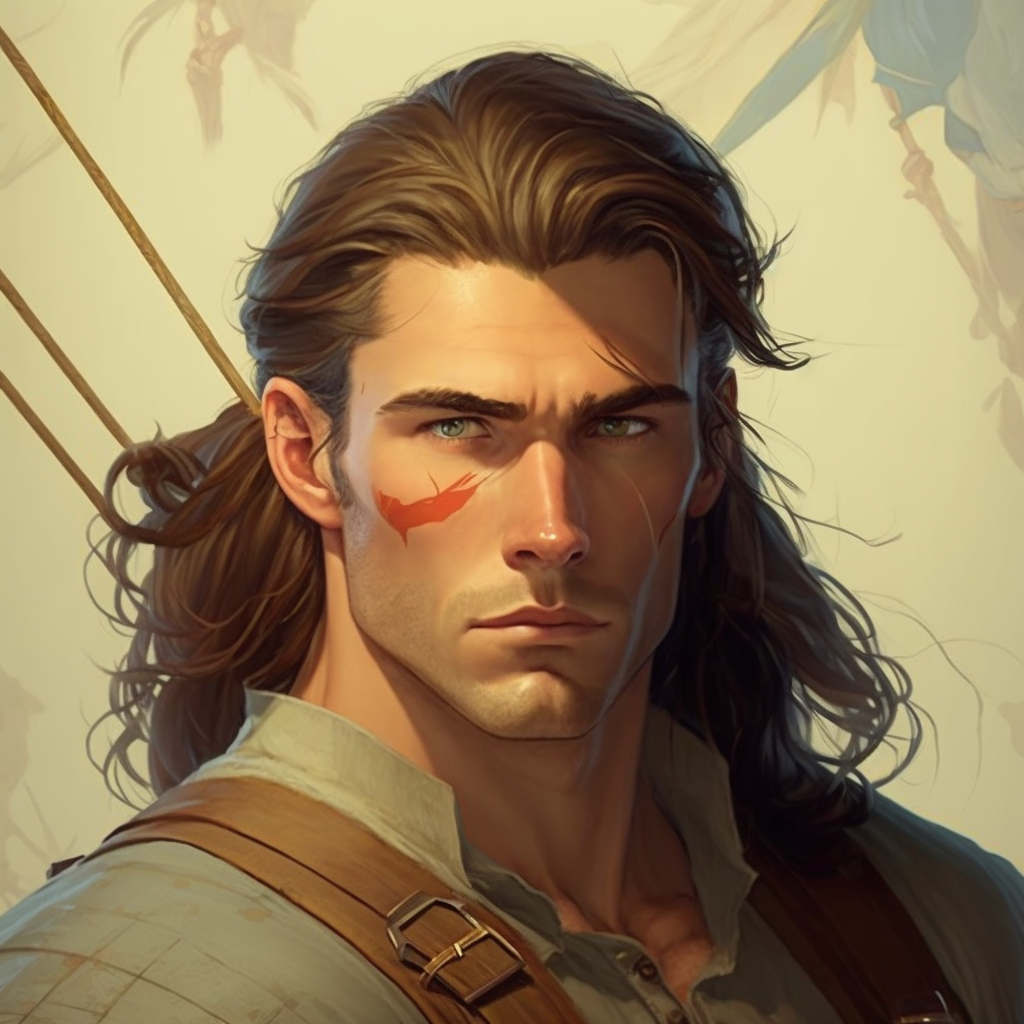
Inglewood is the forest where three kinds of authority collide. The Crown claims deer and forest rights; the Neville power centred on Penrith guards a frontier that can turn violent with little warning; and the old northern stories insist that Arthur, Gawain and stranger powers still use these roads. Between them move foresters, drovers, farmers, raiders and Adam Bell’s outlaw band, all depending on the same tracks and cover.
What Is Happening Right Now?
The north of England is already politically tense before open civil war begins. Richard Neville, Earl of Salisbury, holds the Honour of Penrith and possesses the local power to make royal policy matter on the ground. His family’s conflict with the Percies elsewhere in the north means every armed following, messenger and suspicious rider can be interpreted through a larger factional struggle.
Inglewood is also part of the West March world. The Scottish border lies close enough that wardens, garrisons and local households think in terms of raids, reprisals, hostages and warning beacons even during periods of formal peace. A stolen herd can become an international accusation before anyone proves who took it.
Forest officers continue to defend royal hunting rights across a landscape containing farms, common pasture, parks, roads and settlements as well as woods. Adam Bell, Clym of the Clough and William of Cloudesley exploit precisely that contradiction: men branded outlaws can still command sympathy from people who believe the law is being enforced unjustly.
The older problem is harder to prosecute. Hunts around Tarn Wadling and the deep forest repeatedly draw Arthur’s household into apparitions, riddles and challenges concerning land, sovereignty and courtesy. Local people have learned that a royal hunt can wake things a poacher would have had the sense to avoid.
Run Inglewood Tonight
Cloudesley’s Road to Carlisle
William of Cloudesley slips away from the greenwood to visit his wife and children in Carlisle. A paid informer betrays him. Adam Bell needs help reaching the city before the execution party forms, but every gate and road north is being watched.
The Hart at Tarn Wadling
A royal hunting party drives a white hart to the edge of Tarn Wadling. The animal walks onto the water and does not sink. Moments later the sky darkens, and a woman’s voice calls Gawain by name from beneath the surface.
The Neville Packet
A messenger from Penrith disappears carrying correspondence meant for the West March. Forest officers blame the outlaws. Adam Bell produces the man’s horse and swears the courier was already dead when his band found him.
The Wrong Venison
A tenant household is accused of taking the king’s deer. The carcass hanging in their shed carries an arrow bearing Adam Bell’s fletching, but Adam insists neither he nor his companions killed it. The wound was made after the animal died.
The Woman at Hesket Thorn
A veiled traveller waits beneath the traditional meeting tree and offers every passing officer the answer to one question in exchange for a promise. Those who accept discover that the promise changes wording each time they repeat it.
The Forest Between Penrith and Carlisle
Inglewood is a royal forest in the legal sense: a broad jurisdiction created to protect hunting rights and game, not a continuous mass of trees. Its medieval bounds stretch across low country between Penrith and Carlisle, west of the Eden through a landscape of townships, farms, commons, parks and surviving woodland.
That makes travel complicated in useful ways. A party can be standing in cultivated country and still fall under forest law. A village can depend on grazing and wood rights while fearing the officers who regulate them. A noble’s private land can sit inside a jurisdiction in which the Crown claims special rights over animals and vegetation.
Penrith is the principal southern centre and a market through which forest produce, livestock, messages and political influence move. Carlisle itself lies outside the forest jurisdiction, but it is the great northern fortress and city to which the road ultimately leads.
The Honour of Penrith and the West March
The Honour of Penrith ties several manors and local rights into one powerful northern lordship. Richard Neville, Earl of Salisbury, has inherited the honour and uses Penrith alongside his wider northern estates and offices. His authority does not erase the Crown’s forest rights; it creates another layer through which they are exercised, challenged and negotiated.
The frontier gives local power a military character. Households maintain weapons and fortified places because Scottish raiding, English retaliation and private feud can overlap. A forester may also be a marcher soldier. A merchant may carry intelligence. An outlaw who knows a hidden ford can suddenly matter to a lord who would normally hang him.
Forest Law
Forest law protects royal hunting rights over the deer and the landscape that sustains them. It regulates far more than deliberate poaching. Cutting woodland, enclosing land, grazing animals, keeping dogs and interfering with game can bring a household into conflict with forest officers.
The Charter of the Forest places limits on abuses but does not abolish the system. Regarders, foresters and other officers still inspect, present offences and defend the king’s rights. For a campaign, that means the forest has courts, records, witnesses and procedural weaknesses as well as patrols.
Plumpton Park
The enclosed deer park at Plumpton demonstrates how tightly hunting, land rights and royal privilege can be controlled. Its pale and managed game make it an obvious target for poachers, corrupt officers and anyone wishing to embarrass the authority at Penrith.
Hesket
Hesket lies in the core of the forest country. Its townships, commons and traditional meeting places make it useful for forest business, local testimony and disputes that cannot be resolved simply by sending soldiers from a castle.
Adam Bell and the Inglewood Outlaws
Adam Bell, Clym of the Clough and William of Cloudesley form Inglewood’s best-known outlaw brotherhood. They are archers, hunters and fugitives who understand the roads between forest and city intimately enough to survive against men with greater legal authority.
Their strength is not a fortified camp. It is knowledge: who will hide a bow, which keeper accepts money, where a horse can cross after rain, which road reaches Carlisle without passing the obvious watch point, and which household will risk punishment because forest law has already cost it too much.
That makes the band different from Robin Hood’s larger Sherwood network. Adam Bell’s stories are more tightly bound to Carlisle, rescue, family and the consequences of returning from outlaw country into a city where the authorities know exactly who they are looking for.
Arthur’s Northern Forest
Inglewood is also one of the great living landscapes of the northern Arthurian world. Tales associated with Carlisle place King Arthur and his household here not as distant ancestors but as rulers and travellers whose hunts repeatedly become supernatural trials.
Sir Gawain is particularly bound to the forest. Courtesy, sovereignty and the proper use of power matter as much as swordsmanship. Inglewood has a habit of turning a controlled aristocratic hunt into a meeting with somebody the hunters cannot command.
Tarn Wadling
Tarn Wadling is a real lake in the forest country and an especially dangerous threshold. Carp and wildfowl make it valuable in ordinary life; apparitions and Otherworld encounters make it notorious after dusk. Guinevere’s family, Gawain’s obligations and warnings about the fate of Arthur’s court all converge around its waters.
The Ragnelle Road
Some tracks through Inglewood do not lead to the same destination for every traveller. Arthur’s encounter with the question of sovereignty and Gawain’s marriage tradition remain part of the forest’s living law: a person who enters believing rank gives them control is precisely the person most likely to be tested.
Places That Matter
Penrith
Penrith is the southern administrative and market centre of the forest world. Its castle and Neville interests make it the best place to begin political adventures involving the Honour, marcher defence and the wider factional struggle in northern England.
Hesket-in-the-Forest
Hesket sits inside the historic core of Inglewood. Farms, common land and roads place ordinary households directly beneath forest jurisdiction. It is an ideal place for cases where a disputed right matters more than a monster until the dispute awakens one.
Plumpton Park
Plumpton is a managed deer park within the forest. Its pale concentrates royal game and creates a clear physical boundary for chases, illegal hunting and sabotage.
Tarn Wadling
The lake lies near High Hesket between Penrith and Carlisle. Mist gathers quickly across the water, and the shoreline is famous for encounters that begin as hunts and end as warnings from the dead or demands from the Otherworld.
The Carlisle Road
The north road is the artery linking forest country to England’s principal western border fortress. Merchants, wardens, prisoners, messengers and outlaws all use it. Any ambush here risks becoming more than a local crime because the victim may be carrying business of the March.
Creatures, Portents and Forest Powers
Black dogs appear at roads and boundaries where violence has accumulated. Fey encounters cluster around water, isolated clearings and places where hospitality or courtesy has been broken. The forest’s supernatural events are rarely random attacks: they are tests, warnings and consequences attached to human behaviour.
Deer can also become portents rather than prey. A white hart that refuses an easy shot, an animal that crosses water without sinking or a wounded stag that leads hunters away from the road should be treated as an invitation to stop hunting before Inglewood decides what the chase is actually about.
Dungeon: The Hall Beneath Tarn Wadling
A winter fall in the lake exposes the upper stones of a drowned stair near the old shore. Fishermen know no building stood there within living memory. Gawain recognises the carving on the lintel and refuses to call it a ruin.
The Fishermen’s Steps
The first chamber contains hooks, baskets and lead weights from many periods, as though people have been leaving offerings rather than losing equipment. Fresh footprints descend farther while none return.
The Hart Gallery
Carved deer move around the walls when no one watches them directly. Anyone carrying illegally taken venison hears dogs approaching from behind the stone.
The Court Without a King
Stone seats surround an empty chair. Visitors who sit are asked to judge a land dispute between a forester, an outlaw and a woman who claims the forest itself as her inheritance. Every answer opens a different door.
The Black Water Gate
The deepest passage ends below the lake level at a surface of upright black water. It reflects people who are not present and roads that do not exist on the surface. Crossing it reaches a version of Inglewood in which every promise made in the forest is physically visible.
Whoever returns can expose corruption, prove a forgotten right or discover that a current political claim rests on an oath its holder never knew existed.
Travel Through Inglewood
| Route or Ground | Campaign Pressure |
|---|---|
| Penrith–Carlisle road | Messengers, market traffic, armed retainers, patrols and border news move quickly here. |
| Forest commons | Grazing rights, hunting restrictions and local witnesses make apparently open land politically complicated. |
| Deer parks | Crossing a pale without permission invites immediate suspicion of poaching or trespass. |
| River valleys | Fords and bridges are strategically valuable during pursuit and border alarms. |
| Tarn Wadling after dusk | Weather, apparitions and Arthurian obligations make simple navigation unreliable. |
Historical and Mythic Context
Inglewood became a royal forest after the Norman expansion into Cumberland. Its boundaries changed over time, but the forest remained a major tract between Penrith and Carlisle governed by specialised hunting law. Medieval records connect its administration closely with the Honour of Penrith.
By the middle of the fifteenth century Richard Neville, Earl of Salisbury, holds the Honour of Penrith. The forest therefore sits inside the same northern power network that shapes the West March and the growing Neville role in English politics.
Inglewood’s literary identity is unusually strong. Late medieval northern romances repeatedly place Arthur and Gawain in the forest and around Carlisle. Tarn Wadling is the setting for one of the most striking supernatural encounters in The Awntyrs off Arthure, while the Gawain marriage tradition also begins with Arthur hunting in Inglewood.
Adam Bell’s outlaw tradition belongs to the same northern landscape. His band with Clym of the Clough and William of Cloudesley gives Inglewood its own outlaw cycle rather than making it merely another version of Sherwood.
Cumbria County History Trust — Hesket in the Forest · Institute for Medieval Studies — Inglewood Forest and the Northern Gawain romances · Cumbria County History Trust — Arthurian Carlisle · Cumberland Council — Adam Bell tradition