
Emirate of Granada — Nasrid Court and Mountain Frontier
Granada · Alhambra · Nasrid Court · Sierra Nevada · Mediterranean Frontier
At a Glance
| Capital | Granada |
|---|---|
| Dynasty | Nasrid |
| Ruler | Saʿd al-Mustaʿin, amid a contested succession and competing Nasrid claims |
| Government | Dynastic court supported by officials, governors, military households, urban elites and negotiated frontier arrangements |
| Major centres | Granada, Málaga, Almería, Guadix and mountain strongholds |
| Languages | Arabic and Andalusi speech, with other Iberian and Mediterranean languages heard in trade and diplomacy |
| Major pressures | Succession, Castilian relations, noble factions, mountain routes, Mediterranean trade and control of frontier fortresses |
| Campaign tone | Palace intrigue, irrigated valleys, mountain roads, hostage diplomacy, border truces and contested legitimacy |
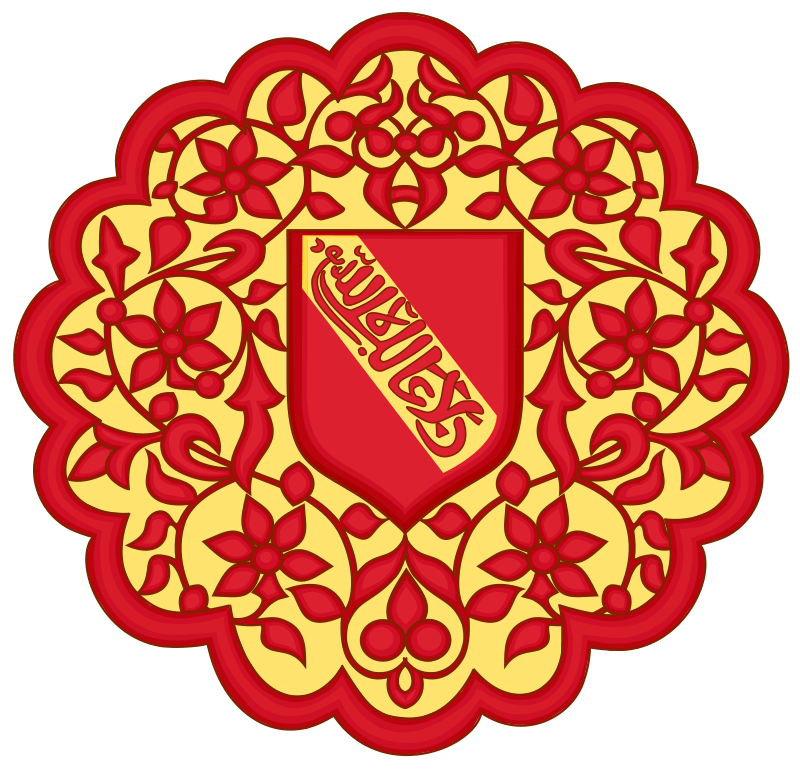
Granada survives because its rulers understand mountains, money, diplomacy and timing. The Alhambra dominates the capital, but the emirate is more than one palace: irrigated valleys feed towns, Mediterranean ports connect the court to wider trade, and frontier fortresses turn every truce into a chain of local decisions.
The court enters the campaign present in a difficult succession period. Muhammad IX’s long, repeatedly interrupted career has ended, and Saʿd al-Mustaʿin is emerging as the central Nasrid ruler amid rival claims. Modern chronologies differ slightly over the exact transition, which makes the political reality especially useful in play: seals, appointments and loyalties can be genuine and still belong to competing versions of lawful rule.
Explore: Iberian Peninsula · Castile · Aragon · Portugal
The Inquisition Beyond the Southern Frontier
The Inquisition of Flame and Iron is a serious threat to Granada, but its authority ends at the border. Torquemada cannot openly command Nasrid courts or imprison a resident by Castilian writ. Instead his agents work through frontier guides, paid informers, hostile noble factions and merchants who carry news between Córdoba, Málaga, Granada and Almería.
Granadan officials know that Torquemada is collecting information about their courtiers, merchants, ritual specialists and routes through the Sierra Nevada. Some officers arrest suspected infiltrators; others accept their gold or use them against a rival. An inquisitorial mission caught inside the emirate can become a diplomatic incident, especially when false accusations threaten a trade agreement or a prisoner exchange. The Inquisition affects daily life here through espionage and fear, not through lawful dominion over the independent Nasrid state.
Gods and Sacred Courts of Granada
The Iberian Pantheons guide covers the southern indigenous deities and the distinctive maritime cults of Granada and neighbouring lands.
The royal household: The court of Granada honours the ancient powers of southern Iberia rather than adopting Castile’s prescribed sacred rites. Neton, named in the ancient record from the Granada region, receives martial and civic reverence; the precise form of his worship belongs to this setting’s living tradition. Betatun is known farther north around Jaén, with a possible connection to water, while coastal houses preserve older Phoenician-Punic gods. The Nasrid nobility has its own religious patrons and alliances: Granada’s sacred courts and local sanctuaries preserve their own loyalties; they are not dependencies of Castile.
The older maritime coast: Merchants from Málaga and Almería remember Melqart, heroic patron of ships and trade, and Tanit, guardian of households and sailors, within surviving Phoenician and Punic gods. In hill villages, springs and ancestral powers remain important regardless of which claimant holds the Alhambra.
Conflict: The Inquisition of Flame and Iron calls these rites suspect and pays agents to identify worshippers, but Castilian warrants cannot close Granadan temples. A northern examiner’s covert attempt to steal a goddess’s relic may unite rival Granadan factions that would otherwise fight one another.
Ritual services: Court diviners read omens for rulers, temple custodians protect sacred objects and coastal priests offer blessings for perilous journeys. Powerful patrons may demand a price for access, but the sacred landscape belongs to more people than the palace.
What Is Happening Right Now?
The succession is not tidy
Saʿd’s authority is real, but rival Nasrid networks, displaced officeholders and frontier commanders have memories of other rulers. A governor may obey the court while quietly keeping a second set of letters.
Castile has a new king
The death of John II and accession of Henry IV changes the northern diplomatic equation. Truces, payments, border understandings and personal guarantees may all need to be renegotiated.
Ports look beyond the peninsula
Málaga and Almería connect Granada to North African and Mediterranean routes. Merchants, envoys and captains can bring strategic news to the Alhambra before overland couriers arrive.
The mountains protect and divide
The Sierra Nevada and surrounding uplands shelter roads, villages, estates and strongholds that are difficult for any central court to supervise continuously.
Places Characters Reach First
The Alhambra
The palatine city combines residence, government, gardens, guarded chambers and dynastic memory. A petition here can become a matter of architecture: who is allowed through which gate may reveal more than the formal answer.
Granada and the Albaicín
Markets, workshops, houses, water channels and steep streets hold the everyday life beneath court politics. Informants can vanish into neighbourhood networks that palace guards do not control.
Málaga
The great southern port connects the emirate to Mediterranean trade, shipping and diplomacy. A customs dispute can hide espionage, smuggling or a rival claimant’s money.
Almería
Another vital maritime gateway, useful for ships, textiles, information and contact with powers across the sea.
Guadix and the eastern roads
Fortified routes through the interior control movement between valleys, mountain country and the eastern approaches.
Sierra Nevada
Mountain paths offer refuge, ambush sites and hidden settlements. Snow, ravines and local guides can matter more than an army’s numbers.
Services and Access
- Court petitions: scribes, interpreters and patrons can place a dispute before the right official, but access itself creates obligations.
- Caravan and mountain guides: local knowledge decides whether a route takes two days or becomes a disappearance.
- Sea passage: Málaga and Almería provide captains, ships and commercial contacts into the western Mediterranean.
- Water and engineering: irrigation specialists, gardeners and builders understand systems that keep valleys and palace grounds productive.
- Intelligence: frontier merchants, hostages, envoys and shipmasters carry news between Granada and neighbouring courts.
Dangers and Adventure Hooks
- Two sultans’ seals: a fortress commander possesses two authentic appointments issued during the succession struggle and must decide which one still binds him.
- The Castilian truce: a border agreement negotiated under John II reaches Granada after Henry IV’s accession. Both sides suspect the other will use the transition to rewrite its terms.
- The vanished canal: water stops reaching a wealthy valley. The blockage is deliberate and points toward a political feud rather than drought.
- The Málaga ledger: a merchant book records payments to a Nasrid claimant who officially has no supporters left.
- The Alhambra chamber: renovations expose correspondence hidden during an earlier deposition of Muhammad IX. Several living families are named.
Travel and Connections
Roads north cross contested frontier zones toward Castile. Mountain routes link Granada to Guadix and the interior, while Málaga and Almería open toward North Africa and the wider Mediterranean. The Iberian Peninsula hub places these routes beside Portugal, Aragon and Navarre.
Historical Sources
L. P. Harvey’s Islamic Spain, 1250 to 1500 places Saʿd’s reign from 1453, while Roser Salicrú i Lluch’s detailed study of Granada and the Crown of Aragon treats Saʿd’s stable reign from 1455. The page therefore presents 1454 as a contested Nasrid transition rather than pretending the chronology is cleaner than the sources allow. The Alhambra remains the central surviving monument of Nasrid political and court culture.
L. P. Harvey, Islamic Spain, 1250 to 1500 · Roser Salicrú i Lluch, El sultanat de Granada i la Corona d’Aragó, 1410–1458
Keep this reference growing
If this page helped with your reading or game, you can support its upkeep or explore the curated books.
Explore the Bookshop — epics, classics and stories behind imagined worlds.