
Covencraft — Witch Covens and Shared Magic
A coven is a working community of Witches: teacher, refuge, ritual circle, social network and, in some traditions, a source of shared magic. Covens can be formal or secretive, hereditary or chosen, local or scattered across several settlements.
Scope note: much of the detailed material below comes from the legacy Liber Mysterium/d20 Witch tradition. Use its organisations and customs as setting material unless a rule is explicitly identified for the campaign’s edition.
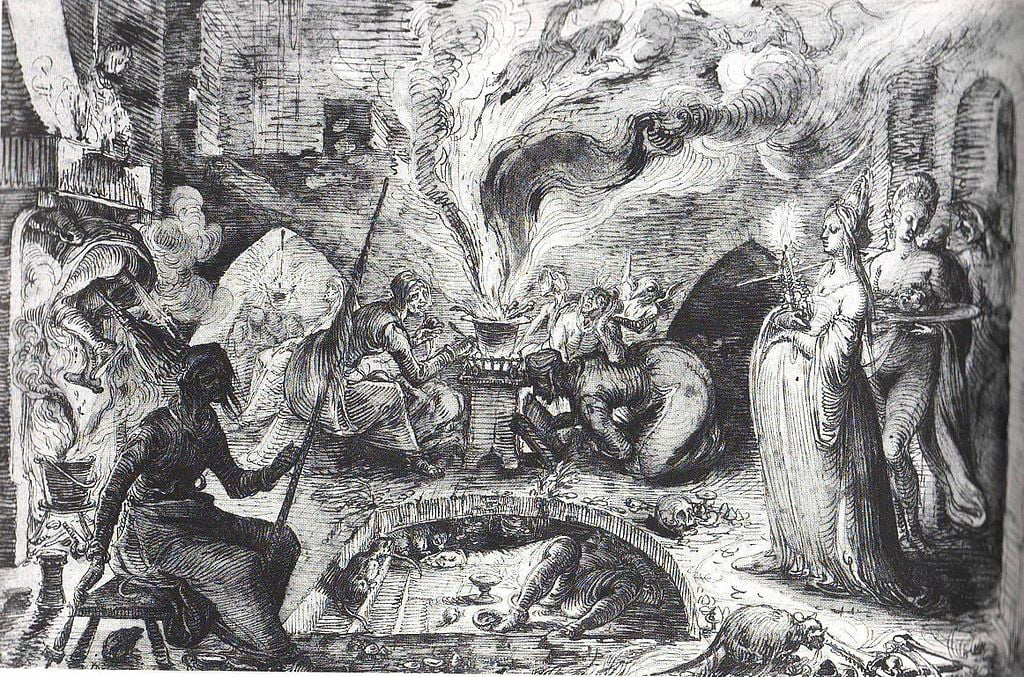
Most player characters have associations that they can or do belong to. Wizards have schools; clerics have temples, sacred orders and recognised patrons. fighters and rogues may belong to a guild. Witches have their covens. Besides the role of providing the witch what she needs to be considered a witch, covens also provide the social background that witches have. Many join with a coven either when they are children or very young.
Liber Mysterium
The Netbook of Witches and Warlocks
By Timothy S. Brannan and The Netbook of Witches and Warlocks Team
Most witches belong to a coven. Covens provide the framework for worship, training for specific abilities, and the environment for learning magic. Covens give the witch with her sense of identity. It is what makes her a witch.
First Witch “When shall we three meet again? In thunder, lightning, or in rain?
Second Witch “When the hurly-burly’s done. When the battle’s lost and won.”
Third Witch “That will be ere the set of sun… Fair is foul, and foul is fair Hover through the fog and filthy air”.Macbeth, Act I, Scene I
The number of members will vary by the Goddess worshipped. A coven can have any number of members, but are usually groups of 12 witches with 1leader (13 members)
of the same tradition. A coven can consist of as little as three witches or as many as 19.
When not adventuring a witch may spend a great deal of time with her coven. Like a cleric and their sacred order, the coven can be the centre of the witch’s ritual and spiritual life. Covens become a second, or sometimes first, family to the witch. The coven often contains members of the same family. It is no wonder that witches from the same coven will refer to each other as “sister” or “brother”
No witch will ever betray her coven, even under the prospect or reality of torture. It is believed that the first witch to do so was labeled as the first Warlock.
Coven Names and Symbols
A coven often chooses a name that describes what they do or how they have come together. A symbol is chosen and this becomes the “signature” of the coven. A witch might make her own personal symbol based on the covens.
There could be hundreds of covens with the name “Coven of the Goddess”, but most covens, even if that name would suit them, feel that a bit more originality is required. A coven that met for the first time on a rainy night may decide to call themselves the “Crying Sky Coven,” “Grove of the Living Elm,” or, like the followers of the fire goddess Brigit, “Daughters of the Flame”. Other names could even be whimsical or mythic, such as the “Laughing Dragon Coven”.
The Coven, Lay-Witches and the Cowan
As the witch exists within the context of the coven, the coven exists in the context of the larger community. The witches coven makes a distinction between lay-witches and the cowan. Lay-witches or Hedge-witches are anyone that shares the belief system of the witch, but does not worship or is a member of the coven. Lay-witches can include priests or clerics of similar ideas, druids, various types of wizards, sorcerers and normal humans. Hedge-witches are those individuals that do follow the witch’s belief system, but are not initiated into any form of coven or tradition. Hedgewitches are detailed in Chapter 3, Mystical Paths and are much the same as Adepts presented in Core Rulebook II. The Cowan are everyone else that does not share the witch’s belief and are very likely an enemy of the witch’s coven. This can also include other types of witches. This is also used to denote any non-witch.
Witches do not share their coven secrets with either lay-witches or cowans. Only witches within the coven are privy to the coven’s secrets.
Degrees & Circles
Sometimes a witch coven will grant degrees upon a witch. A Degree is a subjective measure of power and is used for social reasons or coven advancement only. A good rule of thumb is that witches of 2nd to 6th level belong to the First Degree, witches of 7th to 13th level belong to the Second Degree and finally witches of 14th to 20th level are called Third Degree witches. Some covens will call these Circles instead of degrees. A witch might add these to her name as a title, or as a show of power. Most witches though find this practice a bit pretentious. In any case witches of 1st level are always called Initiates.
Not all witches use Degrees or Circles. Other witches describe their members in terms of the Inner or Outer Lodge. They refer to any witch of 10th level or lower (with
the exception of 1st Level Initiates) as members of the Outer Lodge. Witches of 11th level or higher are members of the Inner Lodge. These are often used by witches
who have a lot of contact with Hermetic Mages. Solitaries are the least likely to use any type of social levels or titles.
Regardless of whether or not a witch coven uses degrees, circles or lodges, a 1st Level witch is always known as an “Initiate”
The Covenstead
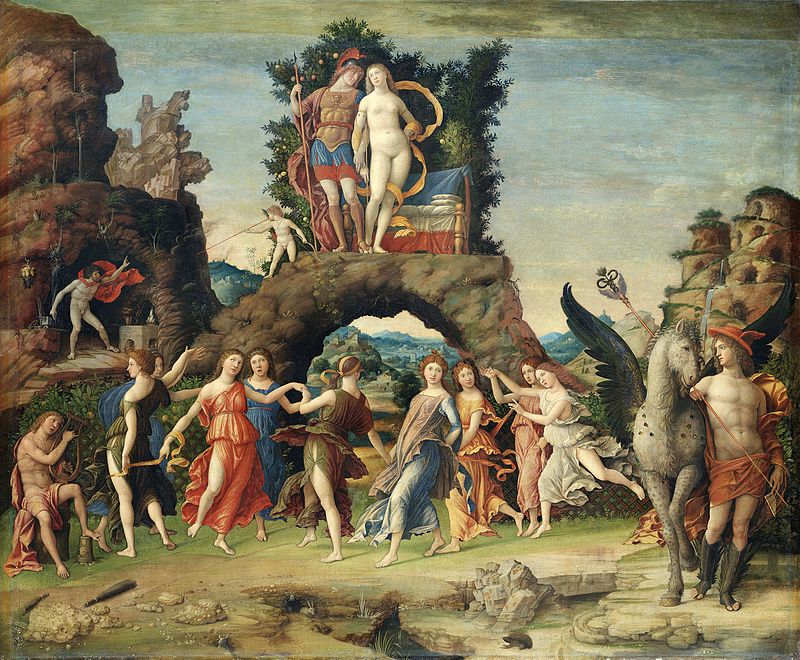
The place where the coven physically meets is known as the Covenstead. Here the altar and other magical tools will be found. A covenstead may be a permanent building, or place that is used for nothing else. Or it may be a temporary place.
Permanent
Creating a permanent home for the coven has many advantages and a few disadvantages as well. To begin with a permanent covenstead can house all of the items required by the witch to perform her duties of worship. Consecrated items and the coven’s Book of Law may be stored here for all of the witches’ use. Plus the coven can place great spells of protection here to guard these items. In addition, well-equipped covens may even have room for a small library or research area. A permanent covenstead gains the following benefits after time. Time is measured from the second full day that the coven has stood.
| Covenstead benefits | |
| Time Covenstead has stood | Benefits |
| 1 month | Hallow spell |
| 3 months | Protection extends to Ethereal |
| 1 year | Protection extends to the Astral |
| 10 years | Protection extends to 1,000’ in any plane that touches the covenstead’s home plane |
Any witch that belongs to a permanent covenstead runs an additional +1 to Spot checks per time spotted at the covenstead to being discovered as a witch. This applies
to both witches and warlocks.
Temporary
A temporary covenstead lacks many of the features found in the permanent covenstead listed above, but its members do not suffer an extra penalty to be discovered. Plus, since it is temporary the chance that any consecrated item kept there will be defiled or stolen is far less.
Other Types
Some covens may meet permanently in one spot, but that may not be the only function of that physical locale. Examples include a room in a house that is used for other things than coven business or a “sky thatched temple” which is outside. These places gain the benefits and drawbacks of a permanent covenstead only when at least 3 witches are present. Otherwise it treated as a temporary one.
Tools of the Craft
Witches rarely accomplish their goals on will alone. Most, if not all, witches depend on tools, both mundane and magical. Certain tools are used in Witchcraft for ritual purposes, such as to invoke their patrons, banish negative influences and cast circles. While not all of these tools are necessary to practice witchcraft, the witch will have at least one item that she has chosen as a spell focus. This item is helpful in increasing Concentration and directing energy. Most tools correspond to certain elements of nature, such as Earth, Air, Fire and Water, and are particularly helpful when performing rituals centering on that particular element. Some of the tools may be difficult to find, but the right one eventually comes to the witch.
Other tools are periphery in nature. Allowing the witch to complete other duties of her craft
In order to properly carry out the greatest and most important Operations of the Art, various Instruments are necessary, as a Knife with a white hilt, another with a black hilt, a short Lance, wherewith to trace Circles, Characters, and other things. The Knife with the white hilt should be made in the day and hour of Mercury, when Mars is in the Sign of the Ram or of the Scorpion. It should be dipped in the blood of a gosling and in the juice of the pimpernel, the Moon being at her full or increasing in light. Dip therein also the white hilt, upon the which thou shalt have engraved the Characters shown. Afterwards perfume it with the perfumes of the Art.
With this Knife thou mayest perform all the necessary Operations of the Art, except the Circles. But if it seemeth unto thee too troublesome to make a similar Knife, have one made in the same fashion; and thou shalt place it thrice in the fire until it becometh red-hot, and each time thou shalt immerse it in the aforesaid blood and juice, fasten thereunto the white hilt having engraved thereon the aforesaid characters, and upon the hilt thou shalt write with the pen of Art, commencing from the point and going towards the hilt, these Names Agla, On. Afterwards thou shalt perfume and sprinkle it, and shalt wrap it in a piece of silken cloth.
But as for the Knife with the black hilt for making the Circle, wherewith to strike terror and fear into the Spirits, it should be made in the same manner, except that it should be done in the day and hour of Saturn, and dipped in the blood of a black cat and in the juice of hemlock, the Characters and Names shown in Figure 62 being written thereon, from the point towards the hilt. Which being completed, thou shalt wrap it in a black silk cloth.
Chapter VIII, The Key of Solomon the King (Clavicula Salomonis)
Ritual Tools
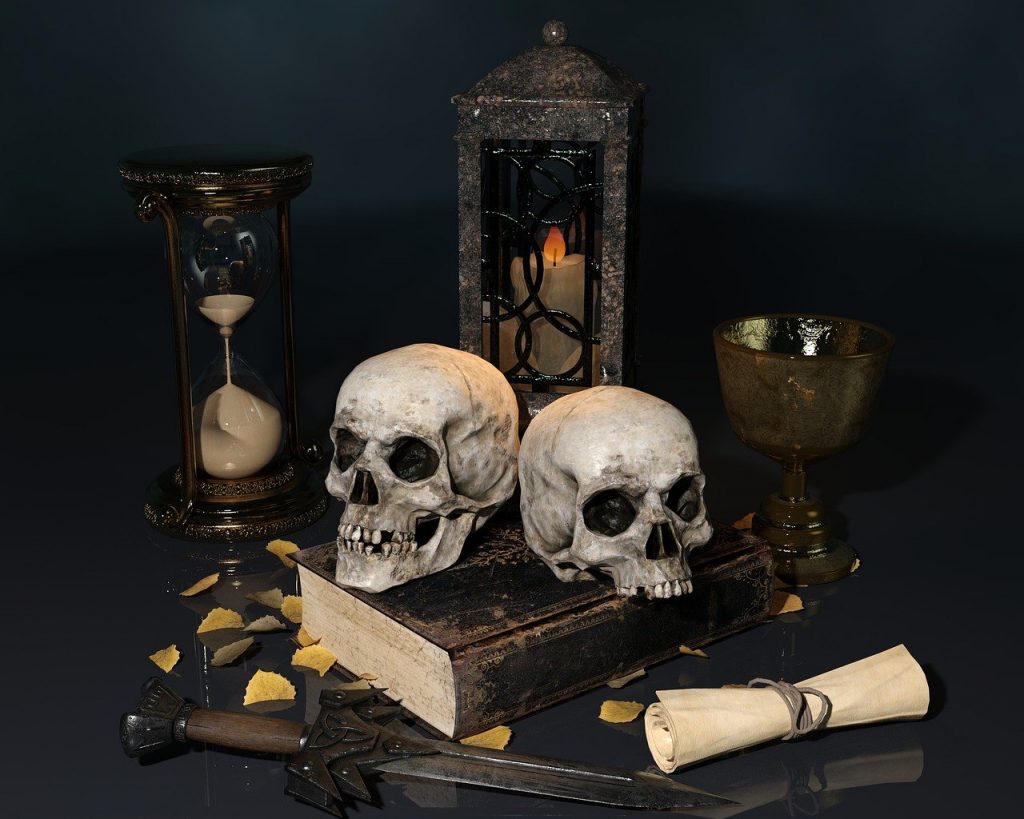
Tools are simply a way to direct and focus energy for magical workings. They have no power except for what the witch gives them. Tools should be consecrated, or cleansed, before use in a circle, to clear them of any negative energy.
Witches are expected to treat their ritual tools with the utmost care. These items do not provide the witch with power, but only allow them to focus the energies of
their patron.
A witch can craft her ritual tools with an appropriate Craft skill. Most of the items are very simple (Broom, Staff) and have a DC of 10. Others require more skill and materials (metal wand, cauldron) and have a DC of 15. Special items like an engraved Athame, Bolline or a Chalice require a DC of 20. Some items will need to be made as masterwork items if they are to be enspelled. Some items may be purchased instead, such as a cauldron or broom. Wands, staffs and athames need to be made by the witch to be properly used.
Heirloom items can also be used, in particular tools from a family tradition.
Athame
The athame (pronounced ah-thah-may) is a magical knife that is commonly used in witchcraft. It is never used for cutting or combat purposes, or for any purposes outside the coven or spell-work. The athame is used in ritual to direct energy and is an instrument of power and manipulation. The blade is often dull and double-edged and the handle is black or some other dark color to absorb power. They are very fine quality and normally have to be specially made. Normal or magical knives, daggers or swords created for combat cannot be used.
Each witch will own her own athame for ceremonial purposes. The knife will have the witch’s personal symbol of power and that of the coven somewhere on the handle.
A witch becomes very attached to her athame. Since athames are used in all of the witch’s mundane and magical rituals it begins to absorb a bit of magical energy. The witch can always locate her athame as if it had a permanent Locate Object spell cast on it. A witch without her athame may not be able to cast some spells. Of course the witch may not want to cast any spells without her athame. Also due to its magical focusing power, the athame cannot rust and makes saves
as if it were a +1 dagger of fine quality.
The athame is the tool of the East and is associated with the element of Air. In some traditions it is the tool of Fire. The athame is also phallic in nature and is therefore a masculine tool and linked to the God.
A Boline is the
name given to a white-handled knife by practitioners of the religion of Wicca.
The knife is used for practical purposes, unlike the purely symbolic Athame. 25
April 2007 Kim Dent-Brown
Some
witches have taken to using a Bolline, or a white knife for practical purposes.
It is sharp and is used as a normal knife or dagger. It is also used in rituals,
but it is keep separate from the Athame. Losing one’s Bolline is an inconvenience,
but not worrisome to the witch.
Broom
Autor:
Thomas Schmidt,selbst fotografiert: GNU-FDL
The broom, or Besom, often is used to purify space before a circle is cast. It is related to the element of Water and is used in many water spells involving cleansing. It also historically has been used to protect the home by laying it across the door.
To make a magic broom, it is suggested that you use an ash staff, birch twigs and a willow binding. Ash is protective, birch cleansing and willow sacred to the Goddess. The coven would use woods or elements sacred to their Goddess.
The broom is associated with Water and is sacred to both the God and Goddess. Unlike the athame, the broom can be used for mundane purposes.
Cauldron
Nothing better conjures up the stereotypical image of a witch than a cauldron. The cauldron is a symbol of the Goddess and corresponds to the element of Water. It is used in ritual as a container in which magical transformations can occur and is often a focal point of a ritual. During spring rites, it can be filled with water and fresh flower petals and in winter, fires can be lighted within the cauldron to symbolize the rebirth of the Sun. It can also be filled with water and used for scrying into the future. Cauldrons often are three-legged and made of iron. They come in all sizes ranging from a few inches in diameter to several feet across.
The cauldron is the tool of the West and is associated with Water. The cauldron is feminine in nature and represents the Goddess, fertility and femininity.
Unlike some of ritualistic items, the cauldron can be used for mundane matters as well.
Censer
Røkelseskar
Photo: Nina Aldin Thune
The
censer, or incense burner, represents the element of Earth. It can be a big, swinging
metal contraption like those used in churches or a small wooden stick incense
holder, whichever coven requires. The use both the stick holders and the metal
ones for powdered incense are fairly common.
If
the witch can’t find a suitable censer, a bowl filled with sand or salt
works fine. The sand or salt absorbs the heat from the charcoal, or incense sticks
or cones can be pushed into it.
Many
witches find that incense greatly increases their Concentration and is especially
useful in meditations or scrying.
The
censer is a tool of the element Air.
Chalice
Chalice in baroque style with a paten.
The altar chalice symbolizes fertility and is related to the element of Water. They are generally used to hold the ritual wine that is imbibed at the end of a rite, but it can also be used for holding water for scrying or other ritual purposes. The chalice can be made out of any substance, from silver or brass to wood or soapstone. When not in use the chalice should be stored away for safe keeping or displayed on the altar.
Some legends state that a normal human can gain magical power by drinking Holy Water, blood, or nearly anything from a witch chalice. These are generally rumors.
Pentacle
The
“Seal of Solomon” or “Pentacle of Solomon” as given in the
Goetia, a famous medieval magical grimoire. 6 May 2008 redrawn using Inkscape.
Fuzzypeg
Of all
the symbols and tools used witchcraft, this is probably the most misunderstood.
The pentacle is usually a flat piece of metal or wood inscribed with a pentagram,
a five-pointed star. When making a metal pentacle, gold or brass is often preferred.
The pentacle came from ceremonial magic and has been used in ritual and magic
for thousands of years. It is used to represent feminine energy and to consecrate
objects such as amulets and charms. The pentacle is also a traditional symbol
of protection and is one of the official symbols of many witch traditions. The
pentacle is the tool of the North and is associated with Earth.
The
pentacle is feminine in nature and represents the Goddess. The pentacle, as used
by good witches, has a single point of the star pointing up, which is not to be
confused with the Diabolic version which is inverted (two points up).
Wand
The wand, an instrument of invocation, corresponds to the element of Air. It is sometimes used to direct energy, to scratch magical symbols in the ground or to stir the contents of a cauldron. Woods such as willow, elder, oak, hazel and apple are traditionally used for the wand, but any fairly straight piece of wood can work. Many witches carve special symbols into the wood to personalize the wand. It is not uncommon to see some truly beautiful wands made out of crystal with gems and stones set into them.
These wands are normally mundane with only a trace amount of a magical aura. As the witch progresses in power she opt to enchant her wand in some manner. Any wand found on or with a witch has a 5% chance per character level of the witch of being enchanted to some degree (either a magic item or via the Craft Wand feat). For thousands of years the wand has been used in both magic and rituals. The wand is used mostly to invoke the God and Goddess, direct energy, and to charge other objects. It is used to draw symbols on the ground and even to stir the cauldron.
The wand is the tool of the South and is associated with Fire. In some traditions it is the tool of Air.
The wand is phallic in nature, is a masculine tool and is sacred to the Gods.
Other Tools
These are some of the other tools that are used by witches. For a few of these tools it is believed by some that they are a direct result of the persecution of witches over the centuries. Take the sword, for example. A sword is long, cumbersome, and very visible. During the darkest years of witch-hunts, for a villager, especially a woman, to possess a sword was very suspicious. Some believe that to blend in, to assimilate if you will, the sword became the dark-handled knife (the athame). It was not unusual for all walks of life to possess daggers. The same applies to the staff. The staff is several feet high and again, very visible. Some believe the wand is a direct result of “shrinking” the staff to a stick, something that could be found in every home in one form or another.
Bell
The bell is used for summoning spirits and for starting vibrations. Bells can either be rung by the witch or by the spirits she summons. It is believed that spirits
and fairies will ring bells when they enter a room. Bells are rung to ward of bad spirits or to signify the beginning or end of a ritual.
The
bell is a feminine symbol and is often used for summoning the Goddess.
Laybrys
This
is a small one handed, double bladed axe. Most often used by dwarven witches it
serves the same purpose of the Athame. While the Laybrys is in fact sharp, it
is not used for cutting mundane items and never as a weapon.
Mortar
and Pestle
Young
leaves of a Taxus baccata are frozen with liquid nitrogen and are pulverised with
a mortar. source: selfmade picture author: Dr. Andreas Giessauf/Karl-Franzens-Universität
Graz Dept. of Chemistry, Austria date: 23-Jun-2006
Favored
by herbalist, Venefica and any witch that works with potions. The mortar is the
cup and a symbol of the Goddess. The pestle is used to grind the ingredient into
powder and is the symbol of the God. Witches that use these as their spell focus,
grind the material components in the mortar and focus the spell with the pestle
like a wand.
The
pestle maybe used to draw symbols on the ground, or anything that a wand may do.
These tools can be used for mundane purposes, but most often the witch has another
set for cooking.
Staff
The Staff directly relates to the wand and has the same attributes and uses. Witches use staves very frequently. Staves are generally considered to be the tools of mages and wizards.
Stone
The Stone is used in much the same way as the pentacle and relates to it in many ways. It is a tool of the North and represents the Earth. For those of the Faerie Tradition, the Stone has a very rich history. Again, the Stone is another tool that is often thought to be a trade off for many witches. Where a pentacle can be an inflammatory symbol, much misunderstood, just about everyone has rocks lying around in some form or another.
Sword
The Sword directly relates to the athame and has the same attributes and uses. The sword is still used by many witches in ritual and magic. Like the athame, the sword must be dull and never used for combat purposes.
Witch’s Tome
Picture
from Codex Gigas
Of all the tools mentioned, nothing is more important to a witch than her personal Librium or tome. They are often referred to in mystical names such as The Book
of Shadows or My Hidden World. They are also written in the coven’s own set of symbols and language. This book is much more than a mere spell-book, although
it serves that function as well. A witch’s tome is very personal. Within its sacred pages are written her spells and ceremonies. Rituals are recorded for later study and memorization. A witch may also include her personal thoughts, her feelings, even things that will not share with her coven. To obtain a witch’s tome is certainly a powerful weapon against the witch. To be invited to read its contents is the utmost gesture of trust. Initiates copy from the coven’s Book by hand as part of their entrance to the coven. A solitary may also keep a Book.
Any witch without her tome cannot memorize new spells or perform any of her official or ceremonial duties. She can continue to cast and re-memorize spells she already
has learned. A witch cannot advance in levels or gain experience points past a new level until her tome is recovered.
Any other character that has possession of the witch’s tome has found a powerful weapon against the witch. Of course such a character may find themselves in great peril as well. Many tomes are cursed or somehow magically trapped to prevent such interference. Curses, Symbols, and Wards may be employed to keep the tome safe. Familiars or other guardians may be physically present. A witch’s familiar can track down a stolen witch’s tome even if the tome ethereally or astrally projected. Once the would-be thief has the tome reading it may be a different manner. Many tomes are disguised with special script, both mundane and magical.
Since the witch is intimately familiar with her tome any spell that the witch can use to locate it always has a 100% chance of success (DC 0). And heavens help the thief who has angered the witch in such a personal manner.
Contents
Every tome will be different and unique as the witch who owns it. There are some common elements that would normally be included in every tome. The tome will also include prayers and devotionals, as well as instructions for proper meditation.
Power Ritual
Sometimes called the Focusing Ceremony, this is the ritual
that the witch uses to summon her powers and commune with her Goddess. It will
be very similar to rituals of every other witch in her coven, but differ greatly
from coven to coven. The ritual can include things as drawing a power circle or
other diagram. Ritual litanies may be spoken. Sacrifices may be required at this
point. Symbolism will be the heaviest here. If the patron deity is an agricultural
Goddess, then grain may be offered or flowers for a god of spring. The Power Ritual
must be performed before the witch can ask for spells, powers or guidance.
The power ritual prepares the witch for divine knowledge and prepares the altar or holy place for the Goddess’ presence. Friendly, or evil, spirits may be invited if the Goddess so inclines.
This is also known as “Calling down the Moon,” “Casting circles,” and “calling quarters”. This ritual is performed every time the witch begins to learn her spells for the day.
Ceremonials
Ceremonials are the witch’s rituals for certain events that are periodically based. Rituals for the New Moon, or the birth of a child are the most common. These are the witch’s forms of organized worship outside the coven. Often these rituals performed with the coven, but they may also be performed alone. It is expected that witch will perform these ceremonials when they are expected, however the witch will not penalized if she misses one. If she continues to miss ceremonials then her god may begin to deny her powers, and eventually her spells. Moon related ceremonials are the most common.
Monthly
Moon Ceremonials
Triple
Goddess Symbol, composed of waxing crescent, full moon, and waning crescent (outlined
version). Sometimes the crescents are tilted up a little to simulate the appearance
of a young waxing moon above the horizon after just after sunset, and of an old
waning moon above the horizon just before sunrise. The symbol is sometimes combined
with a pentagram to express a more general Neopaganism.
New
Moon Ceremony: New Moon workings can be done from the day of the new
moon to three and a half days after. The new moon is for starting new ventures,
new beginnings. Also love and romance, health or adventuring.
Many
witches will begin new adventures at the new moon.
Waxing
Moon Ceremony: From seven to fourteen days after the new moon. The waxing
moon is for constructive magic, such as love, wealth, success, courage, friendship,
luck or health.
Full
Moon Ceremony: From fourteen to seventeen and a half days after the new
moon. Prime time for rituals for prophecy, protection, and divination. Any work
that needs extra power, such as help finding a new job or healing for serious
conditions, can be done now. Also, the full moon is a time for love, knowledge,
legal undertakings, money and dreams.
Waning
Moon Ceremony: From three and a half to ten and a half days after the
full moon. The waning moon is used for banishing magic, for ridding of addictions,
illness or negativity.
Dark
Moon Ceremony: From ten and a half to fourteen days after the full moon.
The dark moon is a time for dealing with attackers, for exploring the darkest
recesses and understanding anger and passion. Also bringing justice to bear.
|
Yearly Witches Wolf |
Closing
Rituals
Like
the Power rituals that began the witch’s holy time, closing rituals are
required to signify the end. They are used to dismiss any spirits that have come
to ceremony and to close out the business of worship. It is only after the closing
ritual does witch gain the knowledge or the power she was seeking. If magical
diagrams were used then they are erased. If magical or holy candles were used
then the witch puts them out.
The
Book of Law
Just
as the Witch has her own personal tome to reflect her worship and relationship
with the coven, the coven has its own tome, The Book of Law. The coven’s
tome will be very similar in nature to the witch’s personal tome. It is
likely to be placed in very sacred place for the coven and it usually left in
the charge of the high Priestess or the highest-ranking coven member. It also
includes all of the coven’s ceremonies and rituals. It also, regardless
of the coven’s alignment, includes the laws, ethos and organization of the
coven. It may also include stories of the deity. It is treated much like that
of any
other cannon of a religious order. The coven’s Book of Law will
also radiate a faint magical aura. Stealing one from a coven should be considered
a suicidal act.
The
GM is of course encouraged to create any other number or nature of rituals and
ceremonies to suit the campaign world. Players should also be encouraged to record
the rituals required of their witch character. Although they are referred to as
tomes, the official cannon and the witch’s personal writing could be in
nearly any form, as long as it a written medium.
|
GM’s |
Sabbats
and Holy Days
Sabbats
are the official holy days, or “high” days, for witches. They are
very similar to any holy days practiced by any other classes, in particular druids,
and some clerics.
A
witch’s Sabbat will depend on the coven or cult she belongs to, but these
guidelines may be followed. By celebrating the natural cycle of the year through
ritual, witches can attune themselves to nature and the Divine that is inherent
in all things. There was a series of firefestivals, occurring at 12-week intervals,
and spaced between the seasonal festivals of solstices and equinoxes (thus, a
festival every six weeks.) These fire-festivals would last three days, beginning
at sunset on the first day, and would be the best time for sacrifices and divination.
Samhain/Witches’
New Year
After
a picnic of chevre and chablis, watching the summer sun set, the sky turned orange
purple, and the moon rose over the Avenue that leads to the Sanctuary. Happy Samhain.
October 30, 2007 at 22:37 Chris Smith from Hayfield, United Kingdom
Other
names: Hallowmas, Samhuinn, Halloween, Shadowfest, Martinmas, All Hallows
Eve, Day of the Dead
Dates celebrated: October 31, November
2, November 4, or when the sun is 15 degrees Scorpio
Traditional Foods:
Apples, Pears, Pomegranates, All Grains, Pumpkin-pie, Hazelnuts, Cakes
for the dead, Corn, Cranberry muffins and breads, Ale, Cider, Herbal teas (especially
Mugwort) and Meat unless the Witch is a vegetarian
Herbs/Flowers:
Calendula, Chrysanthemum, Wormwood, Hazel, Thistle
Incense:
Mint, Heliotrope, Nutmeg, Sage or Floral Woods and Herbs Burned: Apple,
Heliotrope, Mint, Nutmeg, Sage
Sacred Gemstone: Aquamarine
Primary Focus of the Ritual: Transformation, regeneration, honoring
the dead, divination, honoring the harvest, preparing for winter.
Popular
Mythos: Cerridwen’s Cauldron of Transformation; Feeding the Morrigan;
Sniggling the Cailleach; Festival of the Dark Goddess; The Dumb Supper; Dancing
with the Dead
Feast
of the Dead and the Witches’ New Year, Samhain, the third and final harvest
festival, celebrates death and the passing of the soul into the next world. Death
comes before Life in the Witch’s life cycle, because before new growth can
occur, there must be room for it. On this day the veil between this world and
the next is thinnest, so it is a time to remember and honor all those who died
during the year. This is the time when souls that are leaving this physical plane
can pass out and souls that are reincarnating can re-enter this plane. Many Witches
prepare a Feast for the Dead on Samhain night, where they leave offerings of food
and drink for those who have gone before.
Samhain [pronounced “SOW-en”] is Celtic for “Summer’s End.” For now, nights lengthen, winter begins, and Witches work with the positive aspects
of the dark tides as the Sun God and Earth Mother fall into slumber. Darkness
increases as the Goddess reigns as the Crone, part of the triple-goddess that
also includes the Maiden and Mother. The God, the Dark Lord, passes into the underworld
to become the seed of his own rebirth [which will occur again at Yule].
In the British Isles, great bonfires blazed for the Celtic festival of Samhain. The young people would disguise themselves with hideous masks and walk through the village carrying lanterns made from carved turnips, to ward off evil spirits. Jack-O-Lanterns were carved with hideous faces and left on doorsteps and in windows to keep evil from entering houses. In the increasing star and moonlight of longer nights, many witches hone their divinatory and psychic skills as the aid of spirits and guides from the other world can easily be enlisted at this time. As mentioned before, Samhain is one of the two nights a year when the veil that separates this world from the next is at its thinnest. Magic done this night are generally divinations, asking advice of the dead, invocations honoring the dead, and protection spells.
Altars are generally dressed in blacks, oranges, burnt reds, and rich yellows. Jack-O-lanterns, gourds, cider, and fall foliage can be used as altar decorations.
Yule/Winter Solstice
Other names: The Winter Solstice, Yuletide, Alban Arthuan, Arthan, Modranicht [Mother Night]
Dates celebrated: December 20, 21, 22 or when the sun is at 1 degree Capricorn.
Traditional Foods: Fruits such as Pears, Apples and Oranges are served as well as Ginger tea, Cider and Pork. [These items can be prepared and served in many different ways.]
Herbs/Flowers: Holly, Mistletoe, Ivy, Cedar, Bay, Juniper, Rosemary, Pine
Incense: Lilac, Bayberry, Cedar, Pine, Rosemary
Woods and Herbs Burned: Rosemary, Rosemary, Pine, Cedar, Oak, Ash
Sacred Gemstone: Topaz
Primary Focus of the Ritual: Rebirth and renewal, “saining”
or “blessings” in ritual form, burning of the Yule log
Popular
Mythos: Battle of the Oak and Holly King [Oak King wins], Divine King,
the Stag and the Wolf; Festival of the Dark God [as seen in the German Belsnickle]
Return
of Father Winter, aka Santa Claus. This Sabbat represents the rebirth and second
chances, and celebrates inception. Here, on the longest night of the year, the
Goddess again gives birth to the Sun God and hope is reborn. Yule is a time of
awakening to new goals and leaving old regrets behind.
Pagan families bring
a live tree into the home so the wood spirits will have a place to keep warm during
the cold winter months. Bells are hung in the limbs so you could tell when a spirit
was present. Food and treats are hung on the branches for the spirits to eat and
a fivepointed star, the pentagram, symbol of the five elements, is placed atop
the tree. The colors of the season, red and green, also are of Pagan origin, as
is the custom of exchanging gifts. A solar festival, Yule is celebrated by fire
and the use of a Yule log, usually made of oak. A piece of the log is saved and
kept throughout the year to protect the home. That piece is used to light the
next year’s log.
Yule
means “wheel,” for now the Wheel of the Year has reached a turning
point, with the longest night of the year. This is the seed point of the solar
year, midwinter, time of greatest darkness when we seek within ourselves to comprehend
our true nature.
As
mentioned before, in virtually all witch traditions, this is the night of the
Sun God’s rebirth and from this day forward, the days begin to lengthen,
light is waxing. The ancient Pagans lit fires or candles to welcome the Sun’s
returning light and the onset of nature and the earth beginning to awaken. Yule
is the remnant of early rituals celebrated to hurry the end of winter and bring
the bounty of spring, when food was once again readily available. Pagans celebrate
Yule as a reminder that the ultimate product of death is rebirth.
Altars
will be decorated in reds and greens, as stated above, but the true “altars”
of the season will be the witch’s home, decked out for the festivities of
the Yuletide season itself. Being the Festival of Lights, red, green, and white
candles are appropriate, and lots of them; they can be dressed in evergreens or
pines, and mistletoe is certainly something to have hung everywhere, as it brings
luck and kisses.
Imbolc/Candlemas
Other
names: Oimealg, Imbolg, Imbolgc Brigantia, Lupercus, Disting, Lupercalia
Dates celebrated: February 2, or when the sun is at 15 degrees
Aquarius
Traditional Foods: All foods from the Dairy food
group, including cheese or sour cream, curries and dishes made with peppers, onions,
shallots, garlic and chives, foods symbolic of the Sun are also appropriate, such
as raisins
Herbs/Flowers: Violet, Primrose, Snowdrop, Rowan;
all of the first flowers of the year
Incense: Lilac
Sacred
Gemstone: Amethyst
Primary Focus of the Ritual:
New growth, end of winter, rituals of purification, offerings to deity, candle
rituals
Popular Mythos: Pouring milk on the ground, associated
with the goddess Brigit; laying the Cailleach to rest; Lupercus [wolf god in Italian
witchcraft]; Lighting fires or candles in every room in honor of the Sun’s
rebirth
The Return
of Light or Imbolc, translated as “in milk,” involves celebrations
of inception, banishing the winter, and welcoming the spring. At the time of Imbolc,
the newborn Sun God is seen as a small child nursing from his Mother. At this
phase of the cycle, winter is swept away and new beginnings are nurtured. Some
witch covens favor this time of year for initiations into the Craft. It is traditional
at Imbolc to light every lamp in the house for a few minutes in honor of the Sun’s
rebirth. The ewes begin lactating around this time of year, and it is a sign that
winter is coming to an end. Perhaps divinations were cast to determine when spring
would come.
This
holiday is usually celebrated beginning at sundown on February 1 and continuing
through the day of February 2. Another name for this holiday is Oimealg, meaning
“milk of ewes” since it is also the traditional lambing season in
the old world. This holiday is especially sacred to the Celtic Fire Goddess, Brigit,
patron of smithcraft, healing, midwifery, and poetry. A coven’s High Priestess
may wear a crown of lights [candles] to symbolize the return of the Goddess to
her Maiden aspect, just as the Sun God has reached puberty.
Magic
done on Imbolc are generally healing magic, purifications of tools, love magic,
and offerings to chosen deities.
Altars
may be dressed in white with a green swath of fabric, and red candles in brass
candleholders. Also, a book of poetry, a small anvil or metal-working hammer,
and dried herbs may be placed on the altar to honor Brigit. Any symbols of illnesses
or injuries sustained during the year may be placed on the altar as thanks or
as symbols of help needed.
Children
conceived on Beltane are born on Imbolc.
Ostara/Spring
Equinox
Other
names: Ostre, Mean Earraigh, Pasch, Caisg, Pesse, Alban Eiler , Vernal
Equinox.
Dates celebrated: March 20, 21, 22, or when the
sun reaches 1 degree Aries
Traditional Foods: Leafy green
vegetables, Dairy foods, Nuts such as Pumpkin, Sunflower and Pine. Flower Dishes
and Sprouts
Herbs/Flowers: Daffodil, Jonquils, Woodruff,
Violet, Gorse, Olive, Peony, Iris, Narcissus and all spring flowers
Incense:
Jasmine, Rose, Strawberry, Floral of any type Sacred Gemstone: Jasper
Primary Focus of the Ritual: Fertility, sunrise ceremonies, offerings
to the goddess of spring
Popular Mythos: Return of the goddess
from the underworld [Persephone]
The
Spring Equinox is the point of equilibrium; the balance is suspended just before
spring bursts forth from winter. Ostara represents birth and growth. Holiday festivals
use brightly colored eggs as symbols of life and the cosmic universe. Traditionally,
Ostara is a time for collecting wildflowers, walking in nature’s beauty
and cultivating herb gardens. This is the time to free the witch from anything
in the past that is holding her back, a time to bring balance back into the witch’s
life.
As Spring
reaches its midpoint, night and day stand in perfect balance, with light on the
increase. The young Sun God now celebrates a hierogamy [sacred marriage] with
the young Maiden Goddess, who conceives. In nine months, she will again become
the Great Mother. It is a time of great fertility, new growth, and newborn animals.
The next full moon [a time of increased births] is called the Ostara and is sacred
to Eostre the Saxon Lunar Goddess of fertility [from whence we get the word estrogen]
whose two symbols were the egg and the rabbit.
Magics
done at this time are generally those of healing and fertility, and love magics.
Personal change and growth magics are also done as well.
Altars
may be dressed in pastel yellows, pinks, greens, blues, and, of course, silver
for the Goddess. Dyed eggs are usually found dressing the altars, as are statues
or representations of faeries and rabbits, the Green Man, feathers, stones, flowers
and greenery, ribbons. If the witch uses an outdoor altar, small bird baths, animal
feeders, and chimes are also a welcome sight. Ostara is a celebration of growth
and of life; what the witch wishes to decorate her altar with must symbolize that
first and foremost.
Beltane/Mayday
Solstice
fire in Montana, United States.
Other
names: Beltainne, Mean Earraigh, Bealteinne,
Beltaine, Roodmas, Calin
Mai, Valpurga, Festival of Tana
Dates celebrated: April 30
or May 1, or when the sun is
at 15 degrees Taurus
Traditional
Foods: Dairy Products, Oatmeal Cookies/Cakes, or Marigold Custard
Herbs/Flowers: Lily of the Valley, Hawthorn, Honeysuckle, St.
John’s Wort, Woodruff
Incense: Bayberry, Frankincense,
Lilac, Rose
Sacred Gemstone: Agate
Primary Focus
of the Ritual: Appearance of the matured Horned God, fertility, protection
of animals and gardens, leaping the fire for a fortunate summer, love magic
Popular Mythos: Maypole dancing
The
Fires of Bel, bright and lucky fires of Beltane! Buoyant and colorful Spring has
arrived, and the people give thanks. This is a day of fertility and life,
of birth and growth, often the choice day for unsealed handfastings. Beltane is
the time of the sacred marriage, that which honors the fertility of the Earth:
the divine union of the Lord and Lady. Festivities include weaving a web of life
around the Maypole and leaping the Beltane fire for luck. This is a time of self-discovery,
love, union and developing your potential for personal growth.
“Beltane”
means “the fire of Bel,” “lucky fire,” and “bright
fire.” As summer begins, weather becomes warmer, the plant world blossoms,
and an exuberant mood prevails. The sun is fully released from his bondage of
winter, and he’s ready to rule over summer and life once again. The counterpart
to Samhain, it, too, is a time when the veil between the worlds is again at its
thinnest. While Samhain is a festival of death, Beltane is a festival of life;
this is a time of magic, protection, fortune, and purification.
Celebrating
Beltane includes frolicking through the countryside, Maypole dancing, athletic
tournaments, feasting, music, drinking—enjoying life. Flowers are crucial
at Beltane; they symbolize the victory of Summer over Winter, and the blossoming
of sensuality in all of nature. Water is another important component of Beltane
celebrations; water is life. The dew and wild water (flowing streams and springs)
are collected and used to bathe in for beauty, or to drink of for health, on Beltane
Morning.
Magics
done on Beltane center around virility and fertility, prosperity, and love. Incorporating
sacred or tantric sex would be an asset to spellcasting during Beltane.
Flower
wreaths and garlands are typical decorations for this Sabbat, along with ribbons
and streamers. The main color for Beltane is green, but white, red, yellow, blue,
purple, and pink can also be incorporated for altar decoration. Beltane is vibrant,
and should be reflected in altar dressings. This is the time to do prosperity
spells, and love magic.
Children
conceived on Beltane are born on Imbolc.
Midsummer/Summer
Solstice
Other
names: Alban Heruin, Litha, Mean Samhraidh
Dates celebrated:
June 20, 21, 22, or when the sun is at
1 degree Cancer
Traditional
Foods: Garden fresh fruits and vegetables
Herbs/Flowers:
Mugwort, Vervain, Chamomile, Rose, Honeysuckle, Lily, Lavender, Ivy, Yarrow, Fern,
Elder, Wild Thyme, Daisy, Carnation, and Sunflowers, especially.
Incense:
Jasmine, Lotus, Rose, Wisteria Woods and Herbs Burned: Oak
Sacred
Gemstone: Emerald
Primary Focus of the Ritual: Love,
marriage, divination, prosperity
Popular Mythos: Primary
festival of the Horned God; Battle of Oak and Holly King [Holly King wins]; Scandinavian
Baldur [god of light]; the descent of the God or Goddess
Midsummer,
or the Summer Solstice, the longest day of the year, is a time of triumph for
the light. This holiday represents the Sun King in all his glory. In many celebrations,
this is when the Oak King, who represents the waxing year, is triumphed over by
the Holly King, who represents the waning year. The two are one: the Oak King
is the growing youth while the Holly King is the mature man. Midsummer Night’s
Eve is supposed to be a good time to commune with field and forest sprites and
faeries, and divination is enhanced by this.
On
this longest day of the year, light and life are abundant. At midsummer, the Sun
God has reached the moment of his greatest strength. Seated on his Greenwood throne,
he is also lord of the forests, and his face is seen in church architecture peering
from countless foliate masks.
Midsummer
magics are those of healing, prosperity, fertility, and love.
Altar
dressings and decorations are herbs, flowers, and summertime fruits Herbs are
listed above, and fruits such as strawberries, apples, and watermelon are appropriate
for eating. Flowers are listed as well, but it’s important to have sunflowers
on the altar, as they’re a big representation of the unity of Earth Mother
and Sun Father. Altar cloths should be yellow, the goddess candle should be green,
and the god candle should be red. If there’s Alcohol to be had, for this
ceremony, mead should be used instead of wine.
Lammas/Lughnasadh
Leopold
Karl Walter Graf von Kalckreuth (1855(1855) Sommer
Other
names: Lammastide, Latha Lunasdal, Cornucopia, Thingtide, Lughomass
Dates celebrated: August 1 or 2
Traditional Foods:
Apples, Grains, Breads and Berries
Herbs/Flowers: All
Grains, Grapes, Heather, Blackberries, Sloe, Crab Apples, Pears
Incense:
Aloes, Rose, Sandalwood
Sacred Gemstone: Carnelian
Primary Focus of the Ritual: Bread harvest, first harvest, grain
harvest, games of sport, blessing and saining rites, payment of debts, weather
magic
Popular Mythos: Marriage of Lugh to the Goddess [goddess
varies], sacrifice of fruits to the soil [depending on your area], season of handfasting
Lammas,
also called Lughnasadh, is the first of the three harvest festivals; it is the
essential harvest festival, to give thanks to Mother Earth [manifested as Tailte,
mother of Lugh, for the most part] for Her bounty. This is the celebration of
the first fruits of the harvest. The Sun King, now Dark Lord, gives his energy
to the crops to ensure life while the Goddess prepares to give way to her aspect
as the Crone. The Sun God enters his old age, but is not yet dead. The God symbolically
loses some of his strength as the Sun rises farther in the South each day and
the nights grow longer.
Lughnasadh,
another name for this Sabbat, broken into two words, means “Oath”
[Lugh] “Gathering” [nasadh]. Hence, many unsealed handfastings [those
lasting a year and a day] are held on this day, as it is the season for prosperity.
The cycle of life is celebrated; in death, there is life, and vice-versa. Lammas
is the time to teach what you have learned, to reap what you have sown, since
this day originally coincided with the first reaping of the harvest. It was known
as the time when the plants of spring wither and drop their fruits or seeds for
our use as well as to ensure future crops.
Magic
done at Lammas generally consists of weather magic, prosperity spells for the
coming year, protection spells, and invocations of thanksgiving to
deities.
Altars
decorated for Lammas/Lughnasadh will have fruits and vegetables harvested during
this time. Fresh-baked bread is good for this as well. Wheat weaving, such as
the making of corn dollies from the first sheaf of corn harvested, is traditional.
Harvested herbs are also good for the altar, and good for prosperity charms. Kindle
a Lammas fire in your cauldron with sacred wood and dried herbs. Colors for altar
dressings would be golden yellow, orange, green, and light brown.
Mabon/Autumnal Equinox
Other names: Harvest Home, Alban Elued, Mean Fornhair, Winter Finding
Dates celebrated: September 20, 21, or 22, or when the sun is at 1 degree Libra
Traditional Foods: Corn, Fruits and Vegetables ready for harvest this time of year [i.e., corn bread, baked beans and squash]
Herbs/Flowers: Morning Glories, Asters, Hazel, Corn, Aspen, Acorns, Oak Sprigs, Wheat Stalks, Cypress Cones, Pine Cones and all Harvest Gleanings
Incense: Benzoin, Myrrh, Sage
Sacred Gemstone: Chrysolite
Primary Focus of the Ritual: Second Harvest, offering of vegetable and fruit harvest, corn festival
Popular Mythos: Death of the Harvest Lord; King and Queen of the Harvest
At Mabon, the days and nights are equal. In fact, “equinox” means “equal night.” This is a time of balance, but light gives way to increased darkness. It is the second of the harvest festivals, and the Goddess mourns her fallen consort, but the emphasis is on the message of rebirth that can be found in the harvest seeds. This is the day the Sun God, the God of Light is killed by his rival and dark twin the God of Darkness. From this mid-autumn day forward, darkness will be greater than light as night becomes longer than day. The God prepares to leave his physical body and begin the great adventure into the unseen toward renewal and rebirth of the Goddess. At this time, nature and the earth decline, drawing back their bounty readying for winter and its time of rest. The Goddess acknowledges the weakening Sun, although, a fire burns within her womb. She feels the presence of the God even as he wanes.
Mabon marks the completion of the traditional harvests began at Lughnasadh for this is the final grain harvest. It is a good time to walk the forests, gathering dried plants for use as altar decorations or herbal magic. Cornbread and cider are good additions to festivities, which generally center around thanksgiving for the abundance of the harvest, and rituals to ensure next year’s prosperity as well. Harvest suppers are also traditional, with stews, meat pies, hams, roasts, potato cakes, cheeses, custards, cakes, fresh fruit and pies. Typical beverages of the celebrations are ale, cider, and poteen. Fruits eaten at this time are apples, cranberries, fen-berries, grapes, pears, and peaches. Vegetables indigenous of Mabon are corn, beans, and squash.
Magic done during Mabon are generally to center the witch, protection, to honor the dance that partners life with death. Magics done during Mabon are
done to
inflict a personal change upon the witch.
Garlands
of fall leaves make good altar decorations. Also, corn dollies made from the last
sheaf of corn harvested and kept until spring for prosperity,
are good for
a Mabon altar. Other decorations to look at are wheat sheaths bundled together
with gold cords, corn stalks, cornucopias with seasonal fruits and nuts, gourds,
pumpkins, acorns, and pinecones. Fall foliage colors will decorate an altar nicely,
with the altar cloth being vibrant orange or dark brown.
Witches
without a Coven
Under
certain circumstances there will be a witch or warlock that exists without a coven.
These witches can be grouped into two basic categories, solitaries and renegades.
In either case, witches without covens do not have access to Coven spells.
Solitaries
Sometimes
a single witch will not be able to connect with a coven or one may not exist in
her area. These singular witches are known as solitaries. Often
they perform
the same kind of rituals and ceremonies of their covened sisters, just by themselves.
Solitaries receive their instructions of how to worship and gain spells, as do
their sisters, from a patron deity.
When
encountering the solitary, other witches may either feel sadness for their sister’s
solitude, if same alignment or contempt or disgust, if different. A good or neutral
aligned coven will never attempt to convert a solitary to their fold. They may,
however, invite the solitary to see their worship. Evil covens may attempt to
convert the solitary, regardless of her alignment, to join. Evil powers often
tempt to convert solitaries. Because they are so preyed on by other covens and
evil gods, solitaries will reluctantly trust others. Consequently those unaware
of the witch’s status as a solitary will be
more likely to believe that
the witch is evil or at least up to no good.
Renegades
If
solitaries are alone by necessity, then renegades are alone by choice. Any witch
removed from her coven and continues to practice as a witch is considered a renegade.
Mostly, renegades have been accused or convicted of some crime against the coven.
They may still have some of their previous magic, but most often their Patron
has also stripped them of their powers. Sometimes these witches have left their
coven and have become members of another coven, or started their own. While they
may still be advancing as a witch, their former coven-sisters may consider them
as renegades and no longer witches.
A
good example is the various cults of the God Set. There is the Temple of Set,
the Church of Set and the Brotherhood of Set. Which one was the first is unknown
to most sages. Everyone else may not see any differences between these groups,
but each sect sees the others’ members as renegades and treat them accordingly.
How the God Set views them is unknown.
Notes
on Creating a Coven
When
trying to make a coven the questions that should be asked are, What patron does
the coven represent? What purpose does the coven have? And, can this purpose be
carried out by that patron’s normal clergy? Remember that not every deity
will have a witch coven or even need one, but every deity will have a clergy of
some sort. Witches take a lot of the deity’s time and work (not to mention
the Game Master’s!), and a deity will not create a coven unless She absolutely
needs it.
When
Witches are to be added to the campaign the GM needs first decide which patrons
will have witches and which will not. The GM must decide the nature of the coven,
its members, its laws and rules, its spells and its worship.
Examples
of Covens
Wherever
there are witches, there are covens. Every witch must belong to a coven and each
coven is unique. Covens build the rules of conduct for the witches and provide
them a place to learn their new abilities. The Goddesses instruct the covens and
the coven members on magic and how they are to serve. Ardaynes or Ordains are
the Laws of Witchcraft. These are a set of rules governing both individual and
coven conduct. Several old versions exist and their origin is unknown.
The
Goddess or God of the witch is always the
primary power in the witch’s
life. The witch will revere
her patron over any other goddesses or gods the
witch
might also acknowledge. Certain differences apply to the
various
Goddesses of the witches. Presented here are
various Goddesses and their respective
covens.
| “Now, then, must you face those whom you seek” From the Initiation Rite |
The
Cult of the Decaying Earth
The
cult of the decaying earth is viewed as madmen. They seek to bring the destruction
of all things. Only recently have they sprung up, their cult is a young one. Their
youth makes them no less potent. Most members come to the Cult of the Decaying
earth after enduring many hardships, and act out of sheer frustration.
Members:
The Cult of the Decaying Earth is generally open to all comers. Its sole
requirement for entry is athirst for destruction. At any given time, there are
likely to be 4d6 Malefic Witches, 2d6 Venefica, and 2d6 Tempestarii (usually fire).
The leader of the Cult is referred to as the “Grand Destroyer,” and
is usually a powerful Malefic witch or warlock. Most Decaying Earth cultists have
no qualms about dealing with demons, so many of them take the Warlock prestige
class. Also, blackguards or evil witch knights are common within their ranks.
Traditions
Supported: The Cult of the Decaying Earth is made up mostly of Malefic
witches, with half as many Venefica and Tempestarii.
General
Alignment: A Cultist must be Chaotic Evil or Chaotic Neutral.
Sabbats
and Rituals: Cultists especially revere the winter months, as it marks
the end of the year, and is particularly destructive. Their biggest ritual is
performed on the first New Moon of Winter, where the cult meets to discuss their
efforts for the coming winter.
Common
Traits: Most Cultists are wild and destructive, but also are quick thinkers
and deceptively clever, despite their seeming inherent insanity.
Principles:
Destruction is inevitable. Our duty as thinking people has been to destroy our
world, and that destruction must be welcomed, for existence is nothing but struggle
and pain.
Common
Patron Domains (for clerics): Chaos, Pain, Fear, Destruction, Evil, Decayed
Earth
Decayed
Earth Domain
Granted
Power (not received without Greater Divine Dominion feat): Any spell
with an energy type (Frost, Fire, Sonic, Electricity, or Acid), you may substitute
with Acid Energy. All other effects of the spell still apply.
| Lvl | Name | Description |
| 1 | Doom | One subject suffers -2 on attacks, damage, saves, and checks |
| 2 | Ghoul Touch | Paralyzes one subject, who exudes stench (-2 penalty) nearby |
| 3 | Arctic Grasp* | Touch deals 1d6 cold damage per level, ½ movement |
| 4 | Contagion | Infects subject with chosen disease |
| 5 | cone of cold* | 1d6 cold damage/level |
| 6 | Acid Fog | Fog deals acid damage |
| 7 | Fire Storm* | Deals 1d6 fire damage/level |
| 8 | Earthquake | Intense tremor shakes 5 ft/level radius |
| 9 | Incendiary Cloud* | Cloud deals 4d6 fire damage / round |
*
These spells automatically deal acid damage instead of their normal type.
The
Mara
Of
all the known covens, few are as deadly as the Mara. The Mara are invaders of
dreams and some believe the cause of nightmares. While beautiful, they all have
dark, wicked hearts. The claim to have existed since the dawn of mankind. While
there are many who doubt their claims, they are a very old coven.
Members:
This coven always numbers 13, with one, the Grand Mara herself as the
leader. The requirements for joining the coven are simple; one must be a beautiful
but wholly evil witch. Preference is given to initiates who have dark colored
hair.
Traditions Supported:
The Mara tend to have more Malefic than any other type of witch. A
fair number of evil Tantric and Venefica witches are also welcomed. The rest,
especially Classical and Tempestarii are also welcome on a limited basis. No
Faerie or Craft witch has ever joined. This coven also supports a fair number
of Incantatrixes and Psychic Witches.
General Alignment:
The Mara are mostly lawful evil. Mara under the care of Hecate
tend to be more chaotic evil.
Patrons:
The main patron of the Mara is the Goddess Lilith.
She called the Queen of Night by her witches. Some smaller covens honor Hecate
instead.
Sabbats and Rituals:
Mara always congregate during the new moon, which they call the “Darkening”.
Special times of celebration are solar eclipses which they claim shows their
superiority over anyone if they can block out the sun.
Common Traits:
Many of these witches adopt nocturnal lifestyles that they claim emulates
their Goddess. Many witches of this coven also have an affinity for the undead
and are not amiss consorting with vampires, who they call the “Children
of Lilith”. Black robes are
common, but sabbats are usually performed while sky-clad. Many Mara will take
knowledge skills such as Astronomy, Demonology and Undead. Every Mara takes
the Seduction skill.
Mara
are also fascinated with the imagery of snakes and many will have snake or serpent
tattoos.
Principles: “Lilith
was first born. She was not cast out of Paradise, but left on Her own will.
We honor Her by emulating Her. We consort with devils, undead and gods, but
all fall before us as they did to Her. Humanity has forsaken their Dark Mother,
we will remind them”.
Ardaynes:
Mara attempt to cause chaos where they see fit. They must lure the pure
and the pious down paths of self-destruction. To kill a paladin strikes a minor
blow to Good; to seduce and defile one is larger victory for Evil. Use whatever
means, tools and talents you have to obtain your goal.
Common Patron Domains
(for clerics): Chaos,
Death, Destruction, Evil, Lilith’s
Will, Trickery
Lillith’s Will Domain
Granted
Power (not received without Greater Divine Dominion feat): You can turn
Good outsiders as a good cleric turns undead. Use these abilities a total number
of times per day equal to 3 + you Charisma modifier.
| Lvl | Name | Description |
| 1 | protection from good | +2 AC and saves, counter mind control, hedge out elementals and outsiders |
| 2 | shatter | Sonic vibration damages objects or crystalline creatures |
| 3 | Cloak of Shadows | Caster takes shadow form, near invisible and intangible |
| 4 | unholy blight | Damages and sickens good creatures |
| 5 | Contagion | Infects subject with chosen disease |
| 6 | Harm | Subject loses all but 1d4 hp. |
| 7 | Destruction | Kills subject and destroys remains |
| 8 | Earthquake | Intense tremor shakes 5 ft/ level radius |
| 9 | summon monster IX | Calls outsider to fight for you (cast as evil spell only) |
The
Temple of Astartë, Queen of Heaven
Astartë
(Ah-star TAY) is the goddess of love, fertility as well as war and lasciviousness
(lust) to the ancient peoples of Canaan and Phoenicia; she was worshipped as far
West as Carthage, Sicily, Sardinia and Cyprus. All Her witches work to insure
the fertility and the safety of the land. Not mere pacifist, the coven of Astartë
will also take up arms as befitting the Goddess of War.
Astartëis
particularly close the Goddess Lilith.
Both have similar qualities, have witches as their primary worshipers and both
have been cast out of Heaven. While Lilith still roamed the earth she was a handmaiden
to Astartë. Both Goddesses’ covens
are on good terms with each other despite the radical alignment differences.
Total
Members: 6 + 1d8 Tantric, 1d4 Classical, 1d3 Craft of the Wise, some
Amazon and Lorelei.
General
Alignment: Astartë is predominantly
Lawful. Her witches tend towards Lawful Neutral with some Lawful Good, Lawful
Evils and True Neutrals. This is one of the few times when Tantric and Lorelei
witches will be lawful.
Sabbats
and Rituals: Insuring the fertility of the land by pouring Holy Water
on to crops or on to the soil. Clergy also train in various martial arts activities.
Resurrection
festivals are held at the full moon following the vernal equinox. This celebrates
the return of spring and a reminder of Damuz’s return from the dead. Worshippers
burn incense and pour libations to her.
Requirements
for Membership: None special. Must revere Astartë.
Given Her fertility aspect, most of her witches are female.
Common
Traits: As with most pagan Goddesses, the witches of Astartë perform
all rituals while skyclad (i.e. naked). On rare occasions they will don long robes.
Ardaynes
and Principles: Ensure the fertility of the land. Revere the Goddess.
Protect those that also revere the land and the Goddess.
Common
Patron Domains (for clerics): Fertility, Law, Love, War Fertility Domain
Granted
Power (not received without the greater divine dominion feat): +2 bonus
to Profession: Midwifery checks. Gains the ability to detect
animals or plants,
as per the spell, also able to detect if a female is fertile or pregnant. Cast
as if a druid of the same level
| Lvl | Name | Description |
| 1 | Bless Growth | Improves growth of plants, adult creature, or mother |
| 2 | Beguile/Lust | As charm person, except target is romantically inclined towards you |
| 3 | Youthful Vigor | The target gains the vigor of youth |
| 4 | Bounty | Increases the chances that a fetus/embryo/seedling will be born |
| 5 | Make Fertile | Make something previously infertile capable of creating life |
| 6 | Control Outcome of Birth | The can caster choose outcome (gender, amount,) of birth |
| 7 | Magickal Conception | Makes a woman pregnant via magic |
| 8 | Crossbreed | Allow two incompatible races to have an offspring |
| 9 | Magickal Creation | A new life is created without a father or mother |
The
Witches of the Howling Moon
The
White Lotus
The
Witches of the White Lotus are a longstanding coven of witches who commonly work
toward the unification of nature and civilization, acknowledging that a balance
must exist between the two. While most of these Witches live on their own in nature,
they tend to be extremely friendly and helpful to most travelers who happen upon
their homes.
Members:
The members of the White Lotus come from all walks of life. Usually,
a witch receives her calling and will seek out the nearest member of the White
Lotus. All members of the White Lotus are good aligned.
Traditions
Supported: Faerie Witches and Venefica are the most common type of witch
within the White Lotus. Also, earth and water Tempestarii are not uncommon, a
few rare Craft of the Wise followers will exist too. Rarely, a tantric witch will
find her way into the coven.
At any given time, there will be 2d6 Faerie Witches,
2d6 Venefica, 1d6 Earth and Water Tempestarii, 1d4 Craft of the Wise, and 1d3-1
Tantric Witches.
General
Alignment: (of the members) Members of the White Lotus lean toward Neutral
Good, and has no particular preference toward chaos and law.
Sabbats
and Rituals: The White Lotus meet at the first Full Moon after winter,
and the last new moon of Autumn. The location generally stays the same each year,
usually at the eldest member’s home.
Common
Traits: The White Lotus are commonly very kind souls, always eager to
help. They usually dress in deep greens and browns, but no official garb is required.
Principles:
The White Lotus strive for a deep respect for both nature and civilization,
and always seek to protect both. They tend to favor protective spells, but it’s
definitely not uncommon for the White Lotus to use offensive spells when the time
comes.
Common
Patron Domains (for clerics): Animal, Good, Healing, Protection, Plant,
Sun, White Lotus White Lotus Domain
Benefit
(Not received without feat Greater Divine Dominion): The witch gains
the feat Sylvan Empathy, and a +2 bonus to her Wilderness
Lore skill.
| Lvl | Name | Description |
| 1 | Synthesis | Gain 1d4 hit points for each round in direct Sun Light |
| 2 | entangle | Plants entangle everyone in 40 ft radius circle |
| 3 | Searing | Light Ray deals 1d8/two levels, more against undead |
| 4 | Anti-Plant Shell | Keeps animated plants at bay |
| 5 | tree stride | Step from one tree to another far away |
| 6 | Itchweed | Deliver consumed poisons through touch |
| 7 | sunbeam | Beam blinds and deals 3d6 damage |
| 8 | Regenerate | Subject’s severed limbs grow back |
| 9 | Prismatic sphere | As prismatic wall, but surrounds on all sides |
Keep this reference growing
If this page helped with your reading or game, you can support its upkeep or explore the curated books.
Explore the Bookshop — epics, classics and stories behind imagined worlds.