
Uppsala
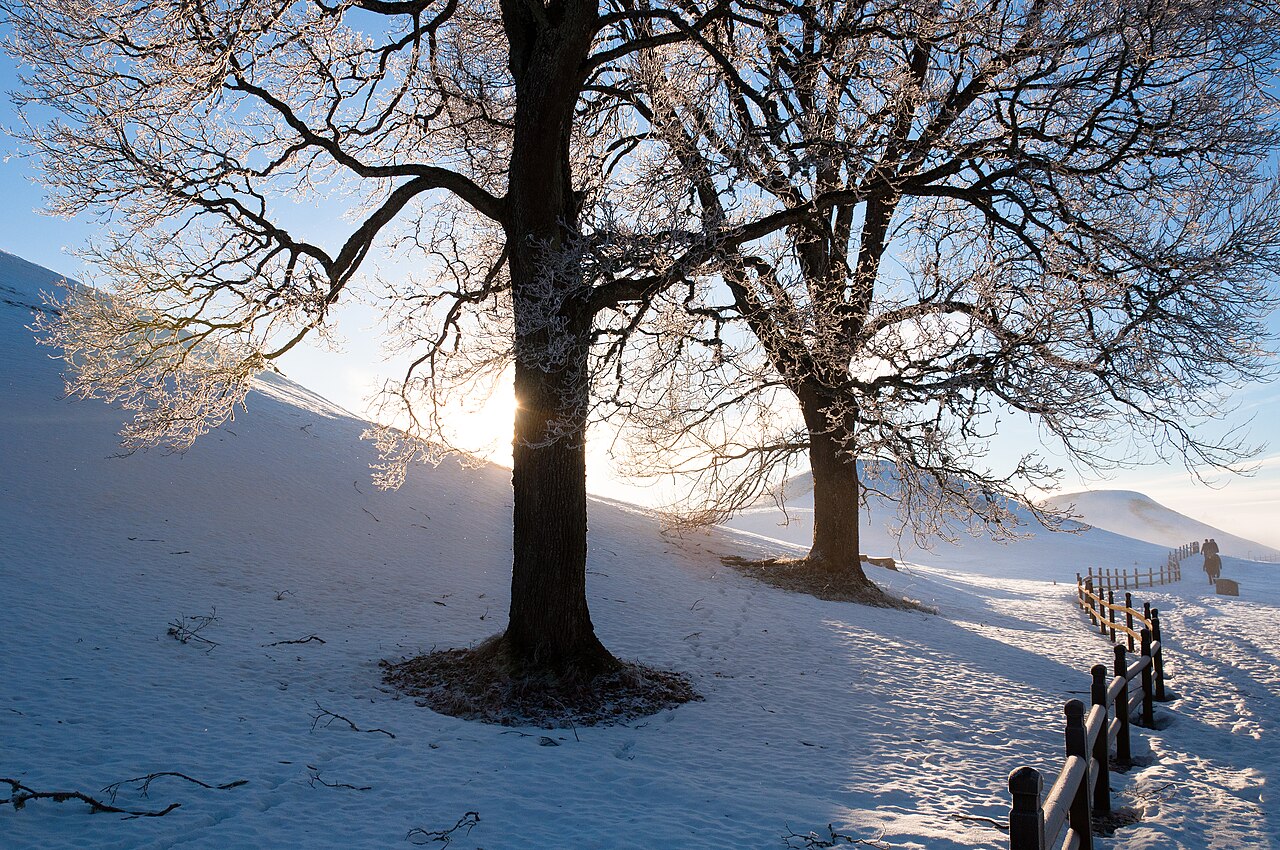
Sweden’s sacred-political heart, where a newly consecrated cathedral faces the older authority of kings, mounds and living gods
At a Glance
| Realm | Kingdom of Sweden |
|---|---|
| Ruler | Charles VIII |
| Type | Archiepiscopal city, sacred centre, market and political meeting place |
| Great Landmark | Uppsala Cathedral, consecrated in 1435 after generations of construction |
| Older Sacred Landscape | Old Uppsala, with royal mounds, assembly traditions, the former cathedral and ancient cult ground |
| Major Powers | Archbishop and cathedral chapter, Swedish crown agents, noble houses, clerks and scholars, Asgardian cult authorities and local landholders |
| Faith | Powerful Christian institutions alongside living cults of Odin, Thor, Freyr, Týr and older local sacred traditions |
| Campaign Themes | Royal legitimacy, relics, sacred rivalry, genealogy, political letters, prophecy, old mounds and dangerous scholarship |
Uppsala is where Sweden argues about who has the right to rule, judge, remember and speak for the sacred. Its cathedral has stood consecrated for less than twenty years, yet already dominates the religious politics of the kingdom. Clergy guard relics, charters and learned authority while nobles and royal agents watch one another across the same streets.
The cathedral is impressive but not the later skyline familiar to future centuries. Its great western towers are not yet complete. The building still feels newly finished after a construction history stretching back to the thirteenth century, and every generation of patronage has left debts, chapels, claims and obligations behind.
A short journey north changes the atmosphere completely. Old Uppsala remains a royal and sacred landscape of monumental mounds, assembly memory and the former cathedral church. In the campaign the old gods never became abstractions: Freyr, Odin, Thor and Týr still possess worshippers, signs and claims here. Christian and Asgardian authority therefore coexist in a place where neither side can safely dismiss the other as superstition.
Explore: Sweden · Stockholm · Birka · Visby · Asgardian Pantheon
What Is Happening Right Now?
The Crown Needs Sacred Legitimacy
Charles VIII’s authority remains politically contested. A public blessing, omen or refusal from Uppsala can strengthen or damage a royal cause far beyond the city.
The Cathedral Is Finished but Not Finished
The church was consecrated in 1435, yet work, payments and embellishment continue. Missing building funds, disputed gifts and unfinished structures create opportunities for corruption and intrigue.
Old Uppsala Is Speaking Again
Dreams reported near the royal mounds contain the same sequence of names. Clergy call for investigation; Asgardian priests insist the names are part of an older kingship rite.
A Relic Has Two Histories
An object presented as connected to St Erik bears marks associated with a much older royal cult. Whoever explains the contradiction will offend somebody powerful.
Run Uppsala Tonight
The Cathedral Precinct
The cathedral, chapter buildings, clerical residences and schools form a centre of written power. Sealed letters, marriage evidence, land grants, relic inventories and political visitors all pass through the precinct. The cathedral’s western towers remain unfinished, making scaffolding, workshops and building accounts part of everyday life.
St Erik’s Shrine
The relics of St Erik were moved from Old Uppsala generations ago and remain central to Christian royal legitimacy. Pilgrims, clergy and rulers treat the shrine as a national sacred focus. In a world where divine powers answer prayers, a relic dispute can have consequences beyond theology.
The Cathedral School
Uppsala has maintained a cathedral school since the late thirteenth century. Clerks and students study Latin, theology, law, music and the skills needed to serve church and court. There is no university yet; that institution still lies in the future.
Old Uppsala
Royal mounds, old assembly ground, the former cathedral and ancient cult memory make Old Uppsala one of the most politically charged landscapes in Sweden. Parties seeking genealogy, divine signs or proof of an old kingship claim come here at considerable risk.
People and Powers
| Power | What It Wants | Adventure Pressure |
|---|---|---|
| The Archbishop and Cathedral Chapter | Religious authority, control of sacred property, reliable records and influence over the crown. | Relic investigations, diplomatic missions, missing documents and heresy accusations. |
| Charles VIII’s Royal Agents | Recognition of the king’s legitimacy and early warning of noble or ecclesiastical opposition. | Espionage, escorts, intercepted letters and politically sensitive omens. |
| Great Noble Houses | Favourable marriages, genealogies, church offices and leverage over succession. | Inheritance disputes, secret patronage and forged pedigrees. |
| Asgardian Cult Authorities | Recognition of old sacred rights, continued worship and a voice in matters of kingship, law and fertility. | Omens, ritual disputes, sacred processions and competing claims to ancient ground. |
| Scholars, Clerks and Students | Patronage, manuscripts, advancement and access to difficult knowledge. | Missing books, secret translations, academic rivalry and dangerous discoveries. |
Magic, Relics and Learning
Uppsala is one of Sweden’s best places to research genealogy, canon law, royal history, relics and old land claims. Cathedral clerks can read Latin and maintain networks extending across northern Europe. Asgardian priests and rune-workers preserve different bodies of memory that may contradict the written archive without being less accurate.
Divination is politically sensitive. A prophecy about the king, an omen at St Erik’s shrine or a sign at the royal mounds can become public knowledge within hours. Wise patrons therefore hire adventurers not merely to interpret supernatural events, but to discover who witnessed them and who is already spreading the story.
Dangers, Rumours and Adventure Hooks
- The Unfinished Tower. Workers uncover a sealed cavity containing royal regalia nobody recognises.
- The Saint and the King. St Erik’s shrine and one of the Old Uppsala mounds begin producing the same dream in different worshippers.
- The Missing Charter. A land grant vanishes from the cathedral archive hours before a major noble hearing.
- The Ninth-Year Omen. Priests at Old Uppsala claim an ancient ritual cycle is returning at exactly the wrong moment for the crown.
- The Scholar Without a Name. A cathedral-school teacher discovers every reference to one medieval archbishop has been cut from unrelated manuscripts.
- The Two Coronations. Rival factions prepare separate sacred ceremonies for the same claimant, each with genuine divine support.
Travel and Law
Uppsala is connected southward toward Stockholm and the Mälaren world by roads and waterways. The Fyris river system remains economically and strategically important, while winter snow and frozen water alter travel throughout Uppland.
Jurisdiction is layered. Cathedral property, royal authority, local courts, noble rights and older sacred claims overlap. Old Uppsala adds a further complication: a dispute can be legally settled in the city and still remain spiritually unresolved on the ancient royal ground.
Deeper History
The archiepiscopal seat was moved from Old Uppsala to the growing settlement then known as Östra Aros in the thirteenth century. Construction of the new cathedral began around 1270, and St Erik’s reliquary was transferred in 1273. The cathedral was finally consecrated in 1435 after plague, cold weather and financial difficulty repeatedly slowed the work.
Old Uppsala remained important after the move. Its former cathedral church, monumental royal mounds and associations with kingship, assembly and pre-Christian worship gave the landscape a symbolic power that the new city inherited but never completely absorbed.
Sources and Image Licensing
Historical grounding: Uppsala Cathedral — History · Uppsala Cathedral — Building · Old Uppsala Church — History.
Hero image: “Burial mounds in old Uppsala” by Staffan Andersson, released under CC0 via Wikimedia Commons.
Explore the Midgard Cluster
Union of Midgard · Sweden · Stockholm · Birka · Visby · Asgardian Pantheon