
Corrupt Spells — Vile Magic Rules
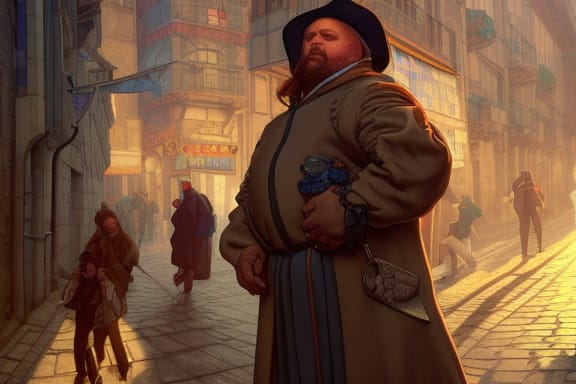
Corrupt spells are a special form of vile magic, not a Cleric domain. They originated in D&D 3.0’s Book of Vile Darkness and can be prepared by eligible prepared spellcasters, whether their magic is divine or arcane.
At a Glance
| Rules Type | Special corrupt-magic spell rules |
|---|---|
| Original Edition | D&D 3.0 supplemental material |
| Source | Book of Vile Darkness |
| Cleric Domain? | No. This page is retained as a related rules reference. |
| Key Cost | Corrupt spells exact an ability-damage or ability-drain cost from the caster |
How Corrupt Magic Works
Prepared spellcasters can prepare corrupt spells in the same general way they prepare ordinary spells. Corrupt spells are not inherently divine or arcane: a divine caster casts one as divine magic, while an arcane caster casts one as arcane magic.
Instead of ordinary material components, corrupt spells impose a corruption cost, usually ability damage or ability drain. The cost is paid according to the individual spell’s rules. When a corrupt spell is used through a magic item, the user rather than the item’s creator pays that cost.
Corrupt Spells Present on This Site
| Level | Spell |
|---|---|
| 1st | Seething Eyebane |
| 2nd | Lahm’s Finger Darts |
| 2nd | Devil’s Tongue |
| 3rd | Rotting Curse of Urfestra |
| 9th | Apocalypse from the Sky |
Corrupt Spells and Clerics
A Cleric may be capable of preparing corrupt magic when the campaign uses these rules, but that does not make “Corrupt Spells” a domain and does not grant a separate domain spell slot. Domain choice and corrupt-magic access are different rule systems.
Related Divine Options
Rules Sources and Licensing
The corrupt-magic rules originate in D&D 3.0’s Book of Vile Darkness. The defining rules point is that corrupt spells are not tied to one character class and are not inherently divine or arcane.
Keep this reference growing
If this page helped with your reading or game, you can support its upkeep or explore the curated books.
Explore the Bookshop — epics, classics and stories behind imagined worlds.