
Barbarella (1968)
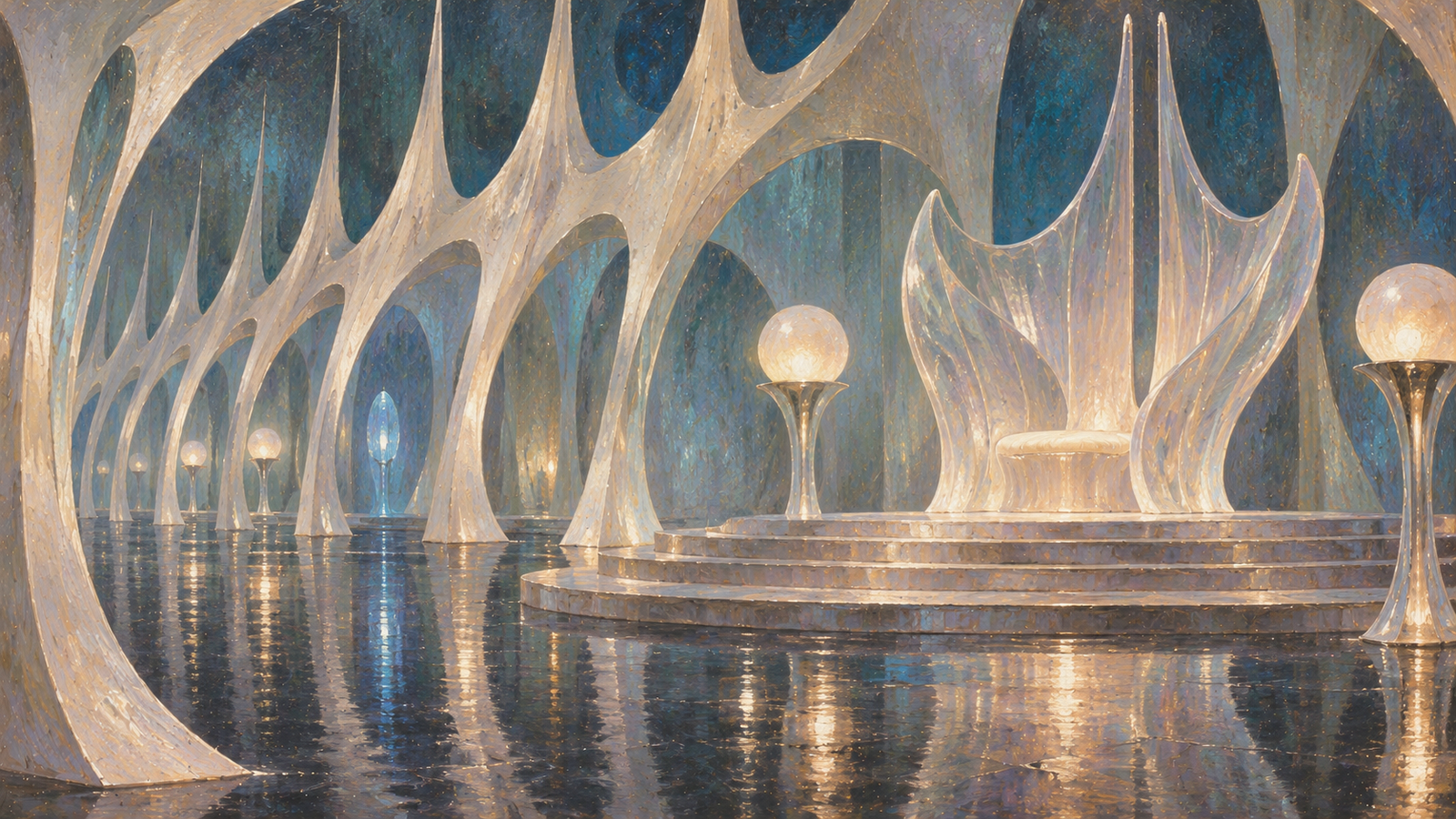
A traveller from a peaceful future searches for a missing scientist in a world where cruelty has become a form of entertainment.
Roger Vadim’s Barbarella adapts Jean-Claude Forest’s French comics into a playful, extravagant space adventure. Its surreal landscapes, pop-art interiors and deliberately theatrical characters make it a distinctive expression of late-1960s popular culture.
At a Glance
| Film | Barbarella (1968) |
|---|---|
| Director | Roger Vadim |
| Producer | Dino De Laurentiis |
| Screenplay | Terry Southern, Roger Vadim and collaborators, including Jean-Claude Forest |
| Source | Jean-Claude Forest’s Barbarella comics |
| Cast | Jane Fonda, John Phillip Law, Anita Pallenberg, Milo O’Shea, Marcel Marceau, David Hemmings, Ugo Tognazzi |
| Cinematography | Claude Renoir |
| Production design | Mario Garbuglia |
| Costumes | Jacques Fonteray; final costume inspired by Paco Rabanne |
| Music | Bob Crewe and Charles Fox (songs and score) |
| Production | France and Italy |
| Running time | 98 minutes (standard theatrical version) |
| Genre | Science-fiction fantasy; satire; adventure |

Why This Film Matters
Rather than pursuing realistic engineering or astronomy, the film imagines distant worlds through fashion, surrealism and comic-book spectacle. Its heroine approaches danger with a mixture of curiosity, optimism and resourcefulness. Her expectation that strangers can cooperate repeatedly clashes with the society she encounters.
The Story — Without Major Spoilers
In the year 40,000, the President of Earth sends Barbarella to recover the missing scientist Durand Durand, whose positronic ray threatens the galaxy’s peace. Her ship reaches Lythion, where she encounters hostile inhabitants, unusual machines and the inhabitants of a vast labyrinth. With the aid of the blind winged Pygar, she reaches Sogo, the City of Night, and becomes involved in its struggle for power.
Characters and Performances
Barbarella (Jane Fonda) provides the film’s comic centre, responding to unfamiliar customs with openness even when they conceal danger. Pygar (John Phillip Law) is a blind winged inhabitant of the labyrinth whose lost confidence matters as much as his physical abilities. Professor Ping (Marcel Marceau) offers knowledge and assistance. The Great Tyrant (Anita Pallenberg) rules Sogo, while Durand Durand (Milo O’Shea) pursues power through his inventions. Dildano (David Hemmings) represents the city’s resistance. Ugo Tognazzi appears as the huntsman Mark Hand.
The World on Screen
Barbarella’s fur-lined spacecraft, icy terrain and the rocky passages of the labyrinth establish sharply contrasting environments. Sogo’s organic architecture, elaborate throne room and the sinister Matmos beneath the city suggest a society sustained by its own corruption. Mario Garbuglia’s sets and Claude Renoir’s photography give these inventions a rich visual identity. Jacques Fonteray’s costume designs draw on contemporary fashion, with Paco Rabanne’s ideas informing the final outfit.
Behind the Camera
Dino De Laurentiis assembled an international cast and creative team for the adaptation. Filming began in 1967 in Rome. The opening’s impression of weightlessness was achieved through an overhead camera and glass platform. Carlo Rambaldi contributed to the spacesuit, Pygar’s wings and creature effects. The screenplay underwent substantial revisions, with multiple writers credited alongside Southern and Vadim. The film’s pop soundtrack and elaborate physical sets reinforce its comic-strip atmosphere.
Adaptation and Critical Assessment
Forest’s comics provide the traveller, episodic structure and irreverent approach to space opera. The adaptation’s visual imagination remains its greatest strength. Its humour and sexual themes reflect both the freedoms and contradictions of the period: Barbarella can act independently and challenge authority, yet the camera frequently presents her for the viewer’s gaze. The film’s enthusiasm for invention is not always matched by the coherence of its narrative.
What works: distinctive art direction, memorable costumes, Fonda’s comic timing and the collision of innocence with dangerous surroundings. What works less well: uneven pacing, repetitive encounters and a tendency to substitute spectacle for character development. Its enduring appeal is inseparable from its particular 1960s aesthetic.
Related Films and Stories
Wild, Wild Planet (1966) shares an interest in extravagant futuristic design and the misuse of technology. Forbidden Planet (1956) likewise considers the danger of inventions that amplify their creators’ ambitions.
Explore the Setting
The Space reference describes the campaign’s celestial geography. The Animate Objects spell offers a fantasy counterpart to encounters with seemingly ordinary objects that become dangerous. The planet Lythion, Sogo and its inhabitants remain elements of the film, not established campaign locations or species.
Ideas for the Table
The missing inventor. A patron asks the party to retrieve a researcher whose discovery could overturn a fragile peace. The researcher may not wish to return.
The labyrinth below. Travellers need the assistance of someone who knows a hostile city’s neglected passages. Winning trust matters more than possessing powerful equipment.
The city that feeds on cruelty. An oppressive ruler draws strength from a society’s suffering. The party must discover whether ending the ruler’s reign is enough to change the underlying system.
Film Viewing
Video reference 1 · Video reference 2 · Video reference 3 · Video reference 4.
Sources and Credits
- Museum of Modern Art — Barbarella — creative credits and Carlo Rambaldi’s effects work.
- Turner Classic Movies — The Gist — story and production history.
- Paramount Pictures — film reference.
- Barbarella’s wardrobe: Exploring Jacques Fonteray’s intergalactic runway — costume-design scholarship.
Original poster and film designs belong to their respective rights holders. Review and adventure ideas are independent editorial work.
Keep this reference growing
If this page helped with your reading or game, you can support its upkeep or explore the curated books.
Explore the Bookshop — epics, classics and stories behind imagined worlds.