
Republic of Venice — The Serene Sea Power
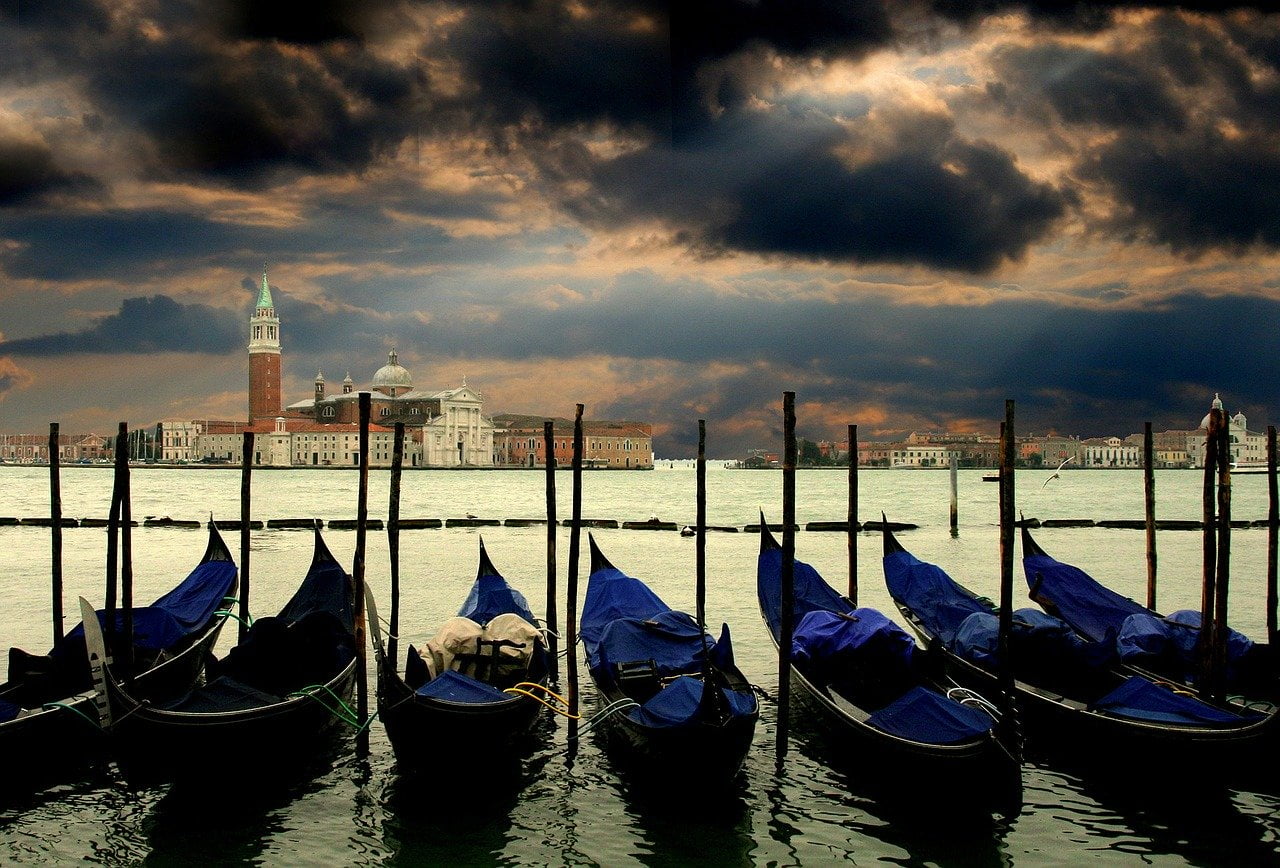
At a Glance
| Region | Adriatic lagoon and mainland possessions in northeastern Italy |
|---|---|
| Capital | Venice |
| Ruler | Doge Francesco Foscari, elected by the republic’s ruling order |
| Government | Merchant republic with a Great Council and Council of Ten |
| Currency | Ducat and lira |
| Rivals | Milan on land; Genoa at sea |
| Campaign tone | Naval trade, masked diplomacy, secrecy and frontier fortresses |

Venice looks tranquil when seen from a boat at dawn. Inside the city, a delayed cargo can threaten a merchant house, a council vote can alter a sea route, and a quiet order from the Council of Ten can put an informant in a prison before a rival learns the charge. Doge Francesco Foscari stands between the sea empire that pays for everything and the mainland war he has just helped contain.
Current Pressures
Peace on the mainland
The Peace of Lodi fixes a frontier with Milan for now. Captains, displaced claimants and creditors have not forgotten the campaigns. A border tower can make a treaty feel distant.
Trade across two seas
Venetian ships and factors reach the Adriatic, eastern Mediterranean and lands linked to the great overland routes. Salt, grain, silk and information all have different escorts and different enemies.
The rival republic
Genoa competes for cargo, contacts and harbours. Both sides know a merchant vessel can carry an envoy or a spy without changing its flag.
Places and People
Great Council and Doge’s court
Foscari presides, but patrician votes and committee findings decide how far a decree travels. The Council of Ten investigates threats to the state behind guarded doors.
Rialto markets
Bankers, brokers and shipowners price cargo before it reaches a warehouse. A rumour from Crete or Genoa can change credit in an afternoon.
Arsenal and lagoon channels
Shipwrights and sailors make Venice’s power tangible. Pilots know which channels remain passable at low tide and which watchers have been paid to overlook a boat.
Artists and travellers
Marco Polo’s journeys remain a model for ambitious merchants. Patrician chroniclers, glassworkers, musicians, mapmakers and visiting scholars move through the republic’s circles of conversation and patronage; reputations travel by boat as quickly as cargo.
Services and Access
Obtain a berth, exchange coin and hire a pilot before arguing over a cargo’s origin. Factors arrange letters of credit and warehouse space; shipwrights repair hulls; captains hire guards for the mainland road or the sea. A visitor seeking council favour should approach a patron who can be named in public. Anonymous talent is useful to spies and frightening to customs officers.
Dangers and Adventure Hooks
- The missing manifest: a vessel unloads two more chests than its register allows. A Milanese envoy and a Genoese factor both claim them.
- A council witness: an informant disappears on a lagoon boat the night before a closed hearing. The pilot insists the passenger stepped onto an empty island.
- The frontier gun: a Venetian fort receives artillery marked as Milanese property. Returning it would expose the broker who sold it.
- Salt and silk: counterfeit weights ruin a merchant family just as its creditors move to seize a ship carrying a dangerous relic.
Travel and Connections
Lagoon pilots and sea captains connect Venice to the Adriatic and the eastern Mediterranean. Roads across the mainland lead toward Milan and the Po plain. For the larger network of rival Italian states, use the Italy guide; for maritime competition, continue to Genoa.
History and Sources
Venice rose from its lagoon settlements into a Mediterranean trading power. Foscari’s long rule expanded its mainland interests and drew it into war with Milan. The present peace is recent enough that naval wealth, land ambition and council suspicion still pull in different directions.
Historical geography and period context: UNESCO, Venice and its Lagoon; Treccani, Francesco Foscari; Treccani, Venice and Italian politics. The heraldry is the site’s established civic image.
Keep this reference growing
If this page helped with your reading or game, you can support its upkeep or explore the curated books.
Explore the Bookshop — epics, classics and stories behind imagined worlds.