
 Buy me a coffee
Irritating Sniveler Spell – Illusion That Ruins Speech
Irritating Sniveler Spell – Illusion That Ruins Speech
Alternative Spell Name: The Bard’s Quiet Revenge
A malicious illusion that makes honest speech sound weak, whining, and contemptible.
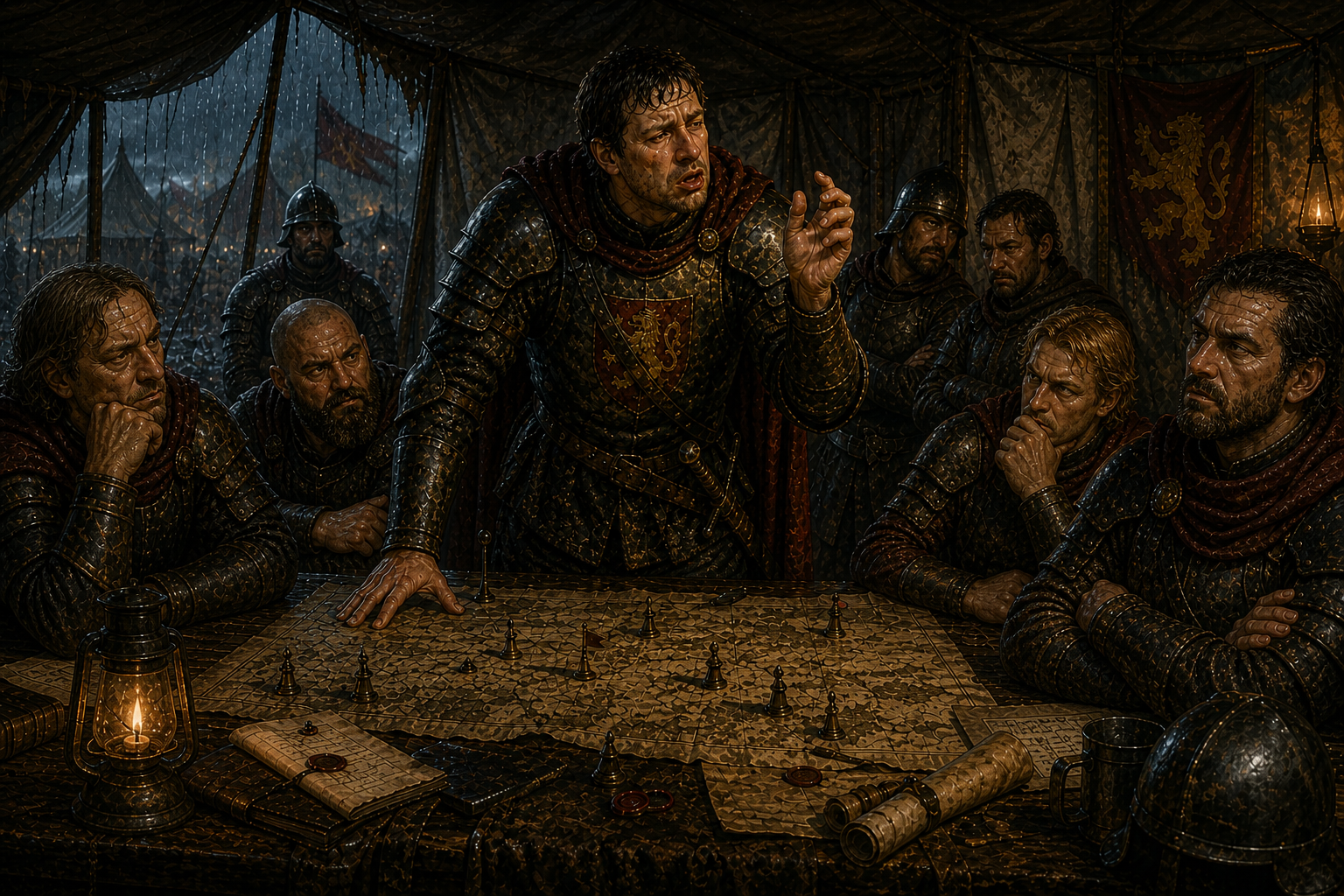
Overview
Irritating Sniveler does not silence its victim. It does something crueler: it lets them speak and makes the speech fail.
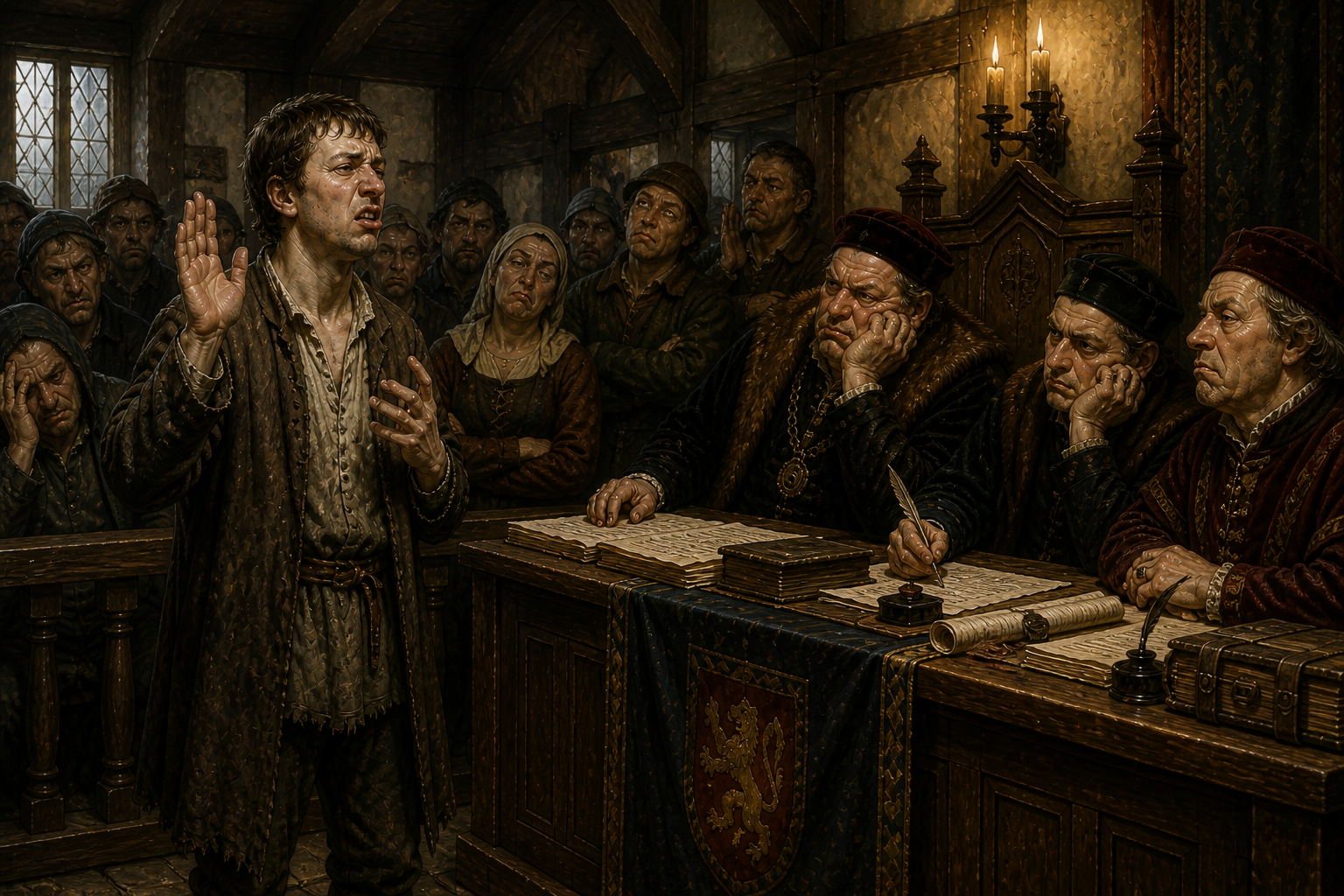
The spell leaves every word intact, but corrupts the way those words are heard. A command sounds petulant. A confession sounds self-pitying. A royal judgement sounds like whining complaint. The victim may be truthful, eloquent, and sincere, yet listeners hear weakness, irritation, and odious manners.
This is a spell for courts, councils, trials, feasts, pulpits, negotiations, and public humiliations. It does not conquer the mind. It poisons the room.
Effect
You distort the perceived manner of one creature’s speech. The target’s actual words do not change, but any creature hearing the target speak perceives the voice, posture, rhythm, and delivery as whining, nasal, resentful, and socially grating.
The spell does not magically compel hatred. It makes the target genuinely difficult to listen to.
Irritating Sniveler 5.5e / 2024
Irritating Sniveler Pathfinder 1e / 3.5e
Irritating Sniveler 3.0
Irritating Sniveler 5.5e / 2024
2nd-Level Illusion Spell
Alternative Spell Name: The Bard’s Quiet Revenge
Casting Time: 1 action
Range: 60 feet
Components: V, S
Duration: Concentration, up to 1 minute
Saving Throw: Wisdom
Available To: Bard, Sorcerer, Wizard
The target must make a Wisdom saving throw. On a successful save, the target is unaffected and knows that someone attempted to distort how its speech is perceived.
On a failed save, the spell affects how the target’s speech is heard for the duration.
While affected, the target has disadvantage on Charisma checks made through speech, including Deception, Intimidation, Performance, and Persuasion checks.
In addition, creatures that can hear the target are predisposed to irritation. The first time the target attempts to influence such a creature through speech during the spell’s duration, the Charisma check is made with disadvantage. In formal or high-stakes social scenes, the DM may instead increase the DC by 5 or worsen the listener’s initial attitude by one step if using attitude rules.
A creature only gets a chance to identify the illusion if it has a clear reason to suspect magical interference, such as noticing the target’s words and apparent manner do not match, observing the spell being cast, or already knowing the target’s normal speech. Such a creature can use an action to make an Intelligence (Investigation) check against your spell save DC. On a success, it sees through the distortion and ignores the spell’s effect.
The target is not automatically aware of the spell on a failed save unless it has another reason to suspect its speech is being distorted.
Adjudication
This spell does not force irrational behaviour. It should not make loyal guards instantly attack their captain or make a loving spouse abandon the target after one sentence. It makes speech irritating and socially damaging. Listeners may interrupt, dismiss, mock, distrust, or become less cooperative.
For quick adjudication, use one of the following approaches rather than stacking them:
- Minor social scene: impose disadvantage.
- Formal negotiation: increase the DC by 5.
- Attitude-based play: shift attitude one step worse.
- Public humiliation: allow the target to speak, but make the room turn against the delivery.
Do not stack repeated attitude penalties from the same casting.
At Higher Levels: This spell gains no additional effect when cast using a higher-level spell slot.
Irritating Sniveler Pathfinder 1e / 3.5e

School: Illusion (Glamer)
Level: Bard 2, Sorcerer/Wizard 2, Satire 1
Components: V, S
Casting Time: 1 action
Range: Medium (100 ft. + 10 ft./level)
Target: One creature
Duration: Concentration + 3 rounds
Saving Throw: Will disbelief; see text
Spell Resistance: Yes
The Irritating Sniveler spell makes the target’s speech seem whining, self-pitying, irritating, and socially contemptible. The target’s actual words are unchanged.
If the target fails its Will save, it takes a –10 penalty on Charisma checks and on Charisma-based skill checks involving speech, including Bluff, Diplomacy, Intimidate, and Perform checks.
Listeners who hear the target speak treat their attitude toward the target as one step worse for the purpose of that conversation or scene. This does not stack with itself.
A listener receives a Will save to disbelieve only if they have a strong reason to suspect illusion, such as seeing the spell cast, knowing the target well, or noticing that the target’s words and apparent manner do not match. A listener who disbelieves the illusion ignores its effect.
The target is unaware of the spell’s effect unless it succeeds on its saving throw or has some other reason to suspect magical interference.
Irritating Sniveler 3.0
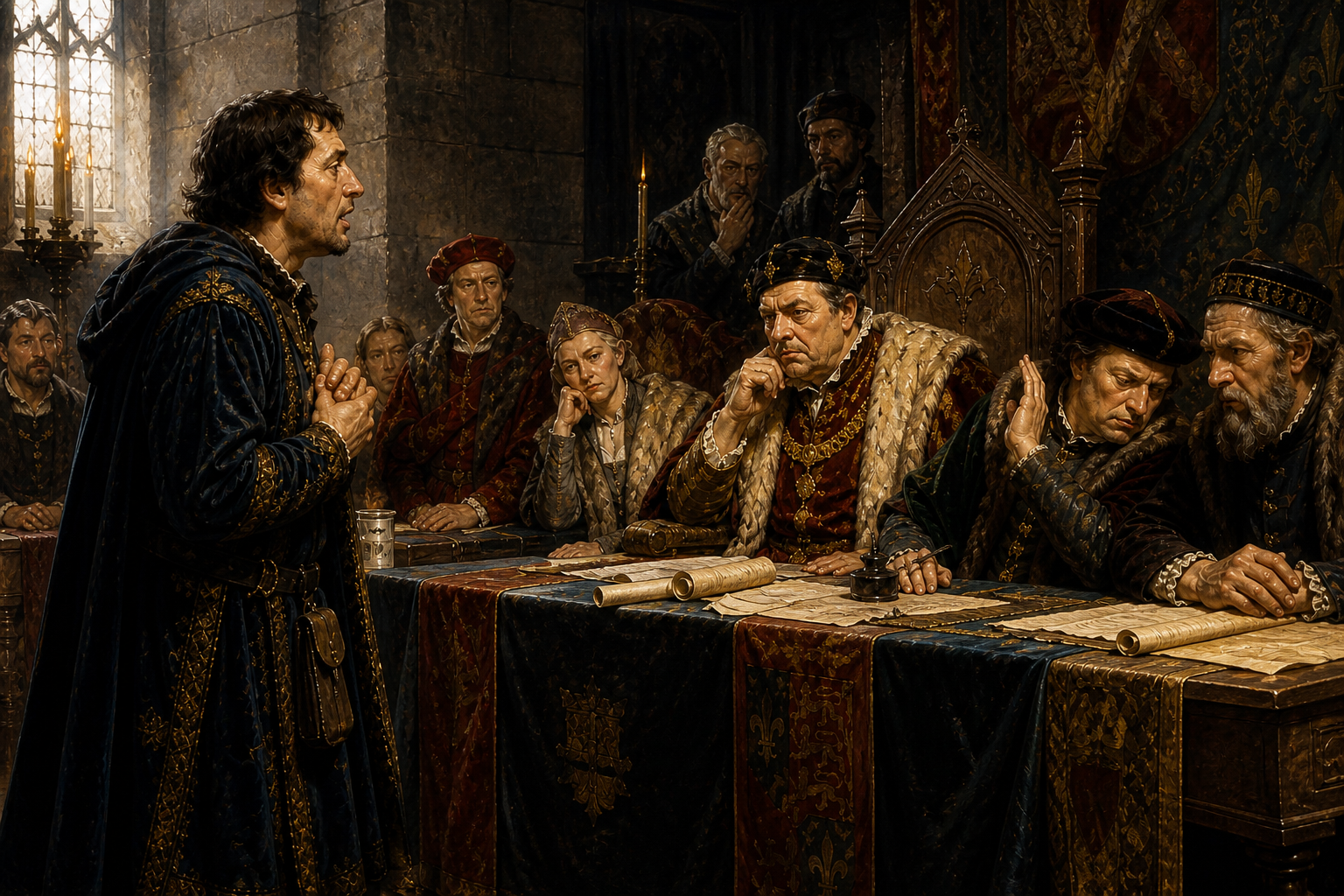
This spell, when cast on any speaking person, makes it appear as a pathetic and antipathetic, sniveler. The intended result being to induce disapprobation onto the listeners.
Celtic Druids and the Tuatha de Dannan
By Dominique Crouzet
Illusion (Pattern)
Level: Bard 2, Sorcerer/Wizard 2, Satire 1
Components: V, S
Casting Time: 1 action
Range: Medium (100 ft. + 10 ft./level)
Target: One creature
Duration: Concentration +3 rounds
Saving Throw: Will disbelief
Spell Resistance: Yes
This spell creates an illusion making appear the target as if she was whining and snivelling when she speaks. Note that the spell doesn’t change any of the words the victim says. Rather it seemingly changes the way she says them, so as to naturally anger those listening to her.
By no way such snivelling could induce pity; it will always induce irritation, as if whined by someone with odious manners and terrible Charisma. The victim of the spell will be unaware of the spell effects unless she makes a Will saving throw. The listeners are entitled a Will saving throw for disbelief only if they have a strong reason to suspect that something is amiss. However the irritation that the spell induces is a natural result, not a magical influence.
The subject of the spell gets a ·10 penalty on all her Charisma checks and skills of communication such as Bluff or Diplomacy, for spell duration. Moreover, all those listening to the subject have their reaction automatically shifted one factor closer to a -Hostile Attitude- reaction.
Why This Spell Is Useful in the World
Irritating Sniveler is useful because it attacks authority without silencing the speaker. It lets the victim keep talking while making every word socially costly.
Satirists use it to humble arrogant nobles. Court magicians use it to weaken rival petitioners. Spies use it to ruin testimony without altering facts. Druids and curse-speakers use it as punishment for boastfulness, false judgement, or public cruelty.
Its strength lies in plausible deniability. No wound appears, no command is forced, and no words are changed. The room simply turns against the speaker.
Best Uses
Use this the Irritating Snivelerspell when tone matters more than force.
It is strongest during trials, negotiations, sermons, public speeches, battlefield commands, formal petitions, noble audiences, guild meetings, and any scene where one person must persuade others quickly.
It is weakest against written orders, private allies who already trust the target, creatures that do not understand the speaker, or situations where no one cares how the target sounds.
Tactics
Cast it before the target speaks, not after the room has already decided.
The spell works best when the victim cannot easily stop speaking: a witness under questioning, a commander giving orders, a noble defending a claim, or an envoy delivering terms.
The caster should avoid obvious follow-up magic. The power of the spell lies in plausible social failure.
DM Notes
Run Irritating Sniveler as reputation damage, not mind control.
The spell should create visible social consequences: hesitation, irritation, interruption, mockery, distrust, procedural delay, loss of confidence, or a harder social check. It should not make sensible characters behave absurdly or abandon established loyalties without cause.
The important question is not simply whether the target fails a roll. It is who sees the failure, who benefits from it, and what reputation damage remains after the magic ends.
Good Combinations
- Disguise Self: Makes another person seem both present and contemptible.
- Silence: Prevents the target from recovering the room with controlled speech.
- Zone of Truth: Makes truthful testimony sound irritating and unreliable.
- Suggestion: Exploits the moment after the target loses credibility.
- Enthrall: Holds the audience in place while the victim’s speech collapses.
Using This Spell in Your Game
This spell works best in campaigns where speech has consequences.
It should create scenes of public failure, not just subtract numbers. The interesting question is not “does the target lose a check?” but “who saw them fail, who benefited, and who now believes the worst?”
Spellcasting Culture and Worldbuilding Hooks
Among satirical bards, this spell is a weapon of professional humiliation.
Some courts ban it under laws against magical slander. Others quietly employ casters who know it. Druidic satirists may use it to punish arrogance without shedding blood, reducing proud rulers to objects of ridicule before their own halls.
In cultures where honour, oath, and public voice matter, being struck by this spell can be worse than being wounded.
Historical Context
This spell draws on the real importance of rhetoric, delivery, and public speech in medieval courts, assemblies, and religious life. A speaker’s authority depended not only on what was said, but on tone, bearing, timing, and perceived character. For a concise overview, see Encyclopaedia Britannica’s article on rhetoric.