
Lemuria — Drowned Deep-Time Realm
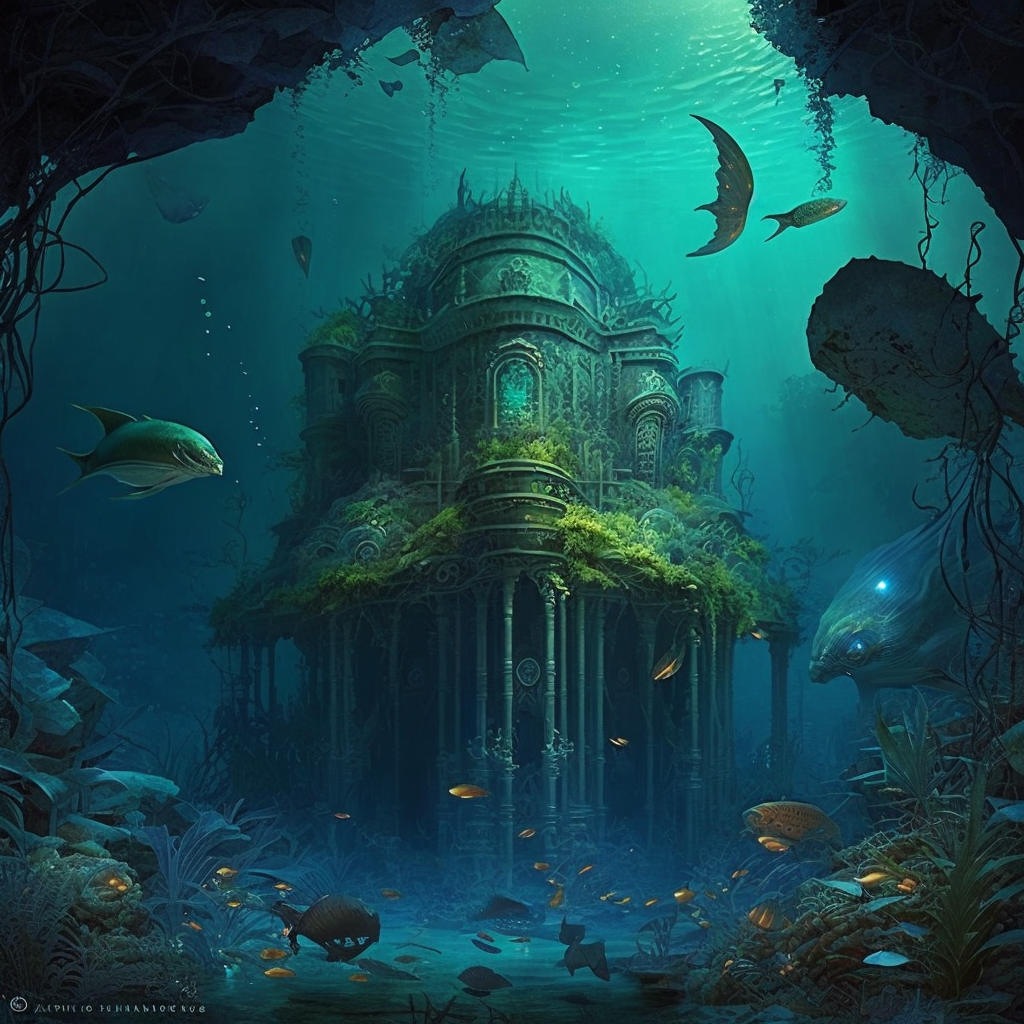
Drowned Deep-Time Realm · Indian & Pacific Oceans
Lemuria is a later surface name for something far older. The civilisation, its drowned lands and its surviving peoples existed long before scholars coined the word by which later ages would catalogue them. What remains is not one intact sunken continent but a scattered world of submerged cities, isolated enclaves, sealed structures and routes descending into older depths.
At a Glance
| Nature | Drowned deep-time civilisation and surviving hidden enclaves |
|---|---|
| Region | Indian and Pacific ocean worlds |
| Status | Fragmented; many ruins are dead, some settlements are not |
| Access | Deep-sea passages, submerged gates, volcanic tunnels and routes connected to the inner world |
| Known For | Ancient engineering, sealed archives, strange ecology and structures older than recorded history |
| Greatest Danger | Pressure, isolation, failing systems, territorial survivors and creatures using the ruins as habitat |
What Is Happening Right Now?
A sealed Lemurian structure has begun opening in stages, releasing warm water, unfamiliar spores and signals detectable by other surviving installations. Surface scholars think they have found a ruin. Nearby hidden communities know it is an active system and disagree over whether it should be shut again.
- Creatures are moving through passages that had been closed for centuries.
- A surface expedition has recovered worked material from a site previously thought geologically impossible.
- One surviving enclave is searching for a missing key-stone before outsiders discover what it activates.
- Deep routes toward the Hollow Earth are becoming easier to reach and harder to defend.
What Survived the Drowning?
The catastrophe destroyed entire regions, but destruction was uneven. Some cities collapsed and became reefs. Some high structures remain sealed beneath the sea. Some populations escaped into pressure-safe complexes, volcanic caverns, deep islands or interior routes. Others vanished, leaving machines and wards still operating without anyone living nearby who remembers their purpose.
This is why two Lemurian sites can feel entirely different. One may be a silent ruin filled with marine life; another may be a defended settlement with laws, food production and generations of memory; a third may predate Lemurian settlement altogether and merely have been reused by them.
Regions and Sites
Sunken City Fields
Broken streets, terraces, towers and monumental foundations lie beneath silt and coral. These are the easiest places for surface divers to recognise and therefore the most heavily disturbed.
Sealed Enclaves
Pressure wards and engineered caverns preserve living communities cut off from ordinary surface routes. Their inhabitants do not regard themselves as museum pieces or remnants waiting to be rediscovered.
The Old Transit Gates
Submerged structures connect distant sites through tunnels, magical currents or mechanisms whose operating principles are only partly understood. Some lead toward the inner world; others terminate in collapsed or occupied stations.
Pre-Lemurian Ruins
Not every ancient structure in Lemurian territory was built by Lemurians. Some sites were already old when Lemurian builders adapted them, a fact that makes dating, ownership and exploration dangerously complicated.
Creatures and the Lost World
Drowned ruins shelter ordinary marine life beside creatures displaced from much older ecosystems. Passages linking the deep ocean to isolated caverns and the inner world allow prehistoric survivors and stranger inhabitants to move between regions that appear separate on surface maps.
The Lemuria, Hollow Earth & Lost World Bestiary is the natural starting point for encounters. Not every creature is a guardian, and not every ruin is a dungeon, but any expedition must distinguish inhabitants, predators, territorial communities and functioning defensive systems before violence begins.
Travel and Salvage
Deep water makes logistics part of every adventure. Breathing, pressure, light, navigation and the ability to return to the surface matter even before magic and monsters enter the problem. A functioning air chamber or intact route marker may be more valuable than treasure.
Rumours and Adventure Hooks
- A recovered tablet marks a city that should lie beneath several miles of solid rock rather than open sea.
- A surviving enclave asks surface adventurers to retrieve something from a ruin its own people are forbidden to enter.
- A salvage crew has removed a component that was quietly regulating pressure across an entire district.
- A prehistoric predator begins appearing near surface shipping after an old transit gate reopens.
- Two groups claim the same sealed archive: descendants of its keepers and scholars who believe its knowledge belongs to the world.
- A route believed to lead to another Lemurian city instead descends into the Hollow Earth.
Sources and Mythic Context
“Lemuria” is a later nineteenth-century scholarly and occult name, not a term used by inhabitants in the campaign present. The label is retained as a recognisable atlas name for a far older drowned civilisation whose actual history survives in ruins, descendant traditions and deep-world records.
Keep this reference growing
If this page helped with your reading or game, you can support its upkeep or explore the curated books.
Explore the Bookshop — epics, classics and stories behind imagined worlds.