
Flanders — The Cloth Cities After Gavere
Ghent · Bruges · Lille · Philip the Good · Guilds and Burgundian reprisals
At a Glance
| County | County of Flanders, a major French Crown fief within the Burgundian territorial union |
|---|---|
| Count | Philip the Good, Duke of Burgundy; the county’s privileges remain legally important |
| Important Cities | Ghent, Bruges, Ypres, Lille and smaller trading and cloth towns, each with distinct liberties |
| Courts | Burgundian councillors and officers, urban magistrates, guild leaders, local nobles and temple courts |
| Languages | Flemish / Dutch dialects, Picard and French in some courts, merchants’ tongues of the North Sea |
| Commerce | Textiles, imported wool, dyeing, finishing, banking, grain, river transport and maritime commerce |
| Sacred Life | Civic patron gods, guild altars, household worship, river cults and older rural sanctuaries |
| Current Crisis | Ghent’s recent defeat at Gavere and the struggle to reconcile punishment with civic rights |
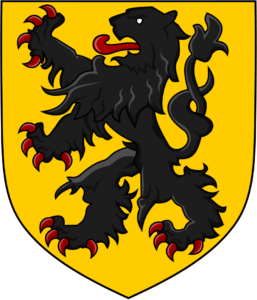
The Price of Defeat
Ghent has lost the war, but its people have not forgotten the cause. The guilds’ struggle against Philip the Good ended at the Battle of Gavere in July 1453. A year later, victorious Burgundian officers demand payment and obedience while mourning households demand to know what became of missing sons. A loyal city magistrate can enforce the peace and still believe its terms unjust.
In Bruges, merchants watch to see whether the duke’s harsher rule will stabilise commerce or ignite new resistance. In Lille, courtiers speak confidently of settled authority. Along market roads, survivors hide weapons, debtors seek vanished records and landowners wonder whether their old exemptions still protect them.
What Is Happening Right Now?
Ghent’s Guilds Count Their Dead
Some guild elders accept the duke’s settlement as necessary; others quietly preserve witness accounts, missing membership rolls and evidence of abuses. A group of apprentices has found a sealed chest whose contents could incriminate either side. Nobody agrees who may lawfully open it.
The Duke Needs the Weavers
Philip’s officers cannot collect taxes from empty workshops. They seek merchants who can restore the wool supply and craftsmen willing to work under the settlement. Guild representatives bargain over old contracts; a foreign creditor may exploit the confusion.
Foreign Influence and Sacred Rivalry
The county’s relationships with France and the Empire are complicated. A noble’s French feudal duties do not erase the fact that Philip commands the local Burgundian machinery. Multiple civic and household gods are honoured; some temples favour ducal peace, while others shelter casualties or preserve oaths the new government would rather ignore.
Places Adventurers Can Visit
Ghent — The Wounded City
Guild halls, warehouses, bridges and watch posts stand close together. The city guard checks unusual visitors; neighbourhoods remember who marched to Gavere and who stayed home. A party might earn guild protection by finding a missing person.
Bruges — Port of Merchants and Money
Textile brokers, money changers, foreign trade houses, halfling merchants and dwarven artificers crowd the markets. Contracts issued in one language are disputed in another. A stolen account ledger is as valuable as a knight’s ransom.
Lille — The Courtly Connection
Burgundian officers, noble petitioners and envoys gather at this important administrative and courtly centre. It is not the only city where the count’s authority is exercised.
Ypres and the Cloth Towns
Old privileges and fiercely guarded workmanship survive alongside competing altars and merchants eager for recovery after years of unrest.
Characters, Factions and Monsters
Philip the Good wants revenue and secure obedience without destroying Flanders’ wealth. Ghent’s guild households seek economic survival and protection from reprisals. Bruges’ merchant networks look for opportunities in damaged trade routes. Temple stewards disagree over which old oaths still bind the victor.
Fantasy peoples are part of ordinary commercial life, but a dwarven craft guild or halfling trading family has its own local loyalties; neither represents a single united faction. Rumours of water spirits around bridges and old cellar guardians may provide cover for smuggling—or point to genuine supernatural obligations.
Adventure Hooks
- The Last Banner of Ghent. A guild heir asks for the banner carried at Gavere, now said to hang in a private Burgundian hall.
- The Duke’s Double Receipt. Two officials collect the same fine from a cloth merchant, each presenting a seemingly genuine warrant.
- Cloth for a Dead Man. A shipment bears the mark of a guildmaster killed the previous summer.
- Mercy in the Temple. A shrine protects a wounded veteran whom ducal troops demand be surrendered.
- The Black-Water Contract. A river spirit refuses passage until a promise made during the revolt is fulfilled.
Travel, Privileges and Worship
Urban charters differ from town to town. A ducal seal grants access in one place and makes a traveller suspect in another. Market permissions, weights, trade guarantees, guild patronage and local witnesses are more useful than claiming that one royal order governs the whole county. The gods and spirits favoured by river communities may differ from the patron powers of court and craft guild.
Deeper History and Sources
Flanders entered Valois-Burgundian dynastic rule in 1384; its towns remained unusually powerful. Ghent rebelled against Philip the Good in 1449 and was defeated at Gavere on 23 July 1453. The Canon of Flanders’ account of Gavere supplies the historical outcome. The setting’s divine cults, supernatural incidents and fantasy peoples adapt that political aftermath without requiring later Protestant or Catholic institutions as current faiths.
Related Lands
Keep this reference growing
If this page helped with your reading or game, you can support its upkeep or explore the curated books.
Explore the Bookshop — epics, classics and stories behind imagined worlds.