
Frankfurt on the Oder — The Hanseatic River Gate
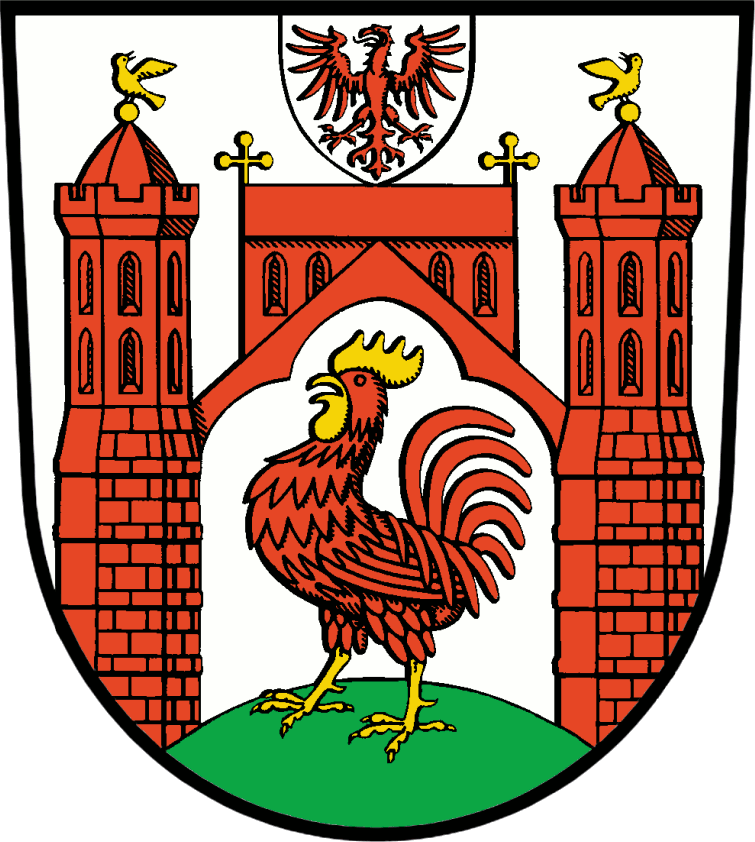
- Realm: The Electorate of Brandenburg, under Elector Frederick II of Hohenzollern.
- Status: Chartered trading city, Hanseatic League member since at least 1430, with powerful merchant interests and civic officers.
- Location: An important crossing on the River Oder, facing the eastern bank and roads toward the Polish lands and Silesia.
- Landmarks: The brick town hall, market square, city walls, river bridge, warehouses and the sacred precincts of the merchants’ quarters.
- Trade: River shipping, Baltic herring, salt, grain, timber, cloth, barrels, wagons and the business of changing loads from boats to carts.
- Civic life: Merchant councillors, boatmen, warehouse keepers, craftsmen, watchmen and river pilots.
- Speech: Local German tongues and the languages of visiting Silesian, Polish and Hanseatic merchants.
- Recent memory: Attacks during the Hussite wars damaged the outer settlements in 1432, leaving families with claims on lost houses and stores.
Frankfurt’s riverfront is never quiet when the Oder is running high. Boatmen shout for space at the landings while merchants haggle over casks of herring and rafts of timber. Beyond the market square, the town walls and brick hall speak of a wealthy council that expects to settle its own affairs. The elector’s officers look east toward Brandenburg’s frontier, but Frankfurt’s merchants look north along the river, where a ship laden with goods may matter more than an argument at court.
The Oder Crossing
Traders settled here because a journey from one bank of the Oder to the other could be made under the protection of a market town. The town charter dates to 1253, and the merchants’ right to store and sell goods brought warehouses, tolls and a thriving river trade. Ship captains bring cargo downriver toward the Baltic; carts carry salt, cloth and iron inland. The wooden bridge needs constant inspection, and a bad season of floods can turn the river from Frankfurt’s advantage into its chief danger.
From the river gate to the brick town hall, the smells change from wet timber and tar to fish barrels and bakery ovens. Hanseatic traders know the local prices, but newcomers can still find work as porters, translators, guards and pilots. A well-stocked boat does not guarantee a profitable voyage: the captain must secure a river guide, sound moorings and a place in the next convoy.
Merchants, Council and the Elector
Frankfurt’s citizens won city rights under the Brandenburg margraves but developed their own council, walls and wide commercial contacts. Their merchants joined Hanseatic assemblies and sailed directly toward the Baltic as early as the fourteenth century. That reach gives Frankfurt leverage over the smaller market towns, yet it also brings demands for contributions and protection. Elector Frederick II wants authority in the March; the council wants enough independence to keep trade moving when princely officials change their minds.
Some families still remember the fires and disruption that followed the Hussite raids in 1432. Repairing an outer storehouse or reclaiming a field outside the walls can raise questions about who owned it before the attack. Such disputes are familiar work for scribes and civic witnesses, while the watch is more interested in whether a rebuilt door conceals a means of bypassing the town gates.
What Is Happening Right Now?
Spring waters have brought a great raft of timber against the bridge supports. One chain has snapped, and the current is pushing the logs toward moored boats loaded with herring. River pilots say the raft came loose above the town after an upstream storm; a stranded woodsman swears someone cut the lashings by hand. Before anyone decides who is responsible, the watch needs crews willing to work in the cold current and keep the bridge from breaking apart.
A brass herring is being prepared as an honour for the city’s fish merchants. Its makers have drawn small donations from scores of traders who expect their guild marks to appear on the mounting. The hall’s stewards now realise there is room for only a fraction of them. The quarrel is awkward rather than violent: whichever names are left off will remember the insult when a future expedition needs underwriting.
Getting Work in Frankfurt
The quays are the best place to learn which roads and waters are open. Captains need guards for valuable cargo, carpenters to patch hulls and people who can judge whether a barge will clear a shallow reach. Near the market a traveller can buy grain, rope, cloth, good fish and a place to sleep before the next sailing. Those heading toward Berlin and the Brandenburg court should ask when the overland escorts depart, rather than assume the river road and land road are equally safe.
Historical Sources
City of Frankfurt (Oder) — Historical Timeline; City of Frankfurt (Oder) — Early City and Town Charter; Brandenburg State Archive — Frankfurt Municipal Records; Hanseatic League — Frankfurt (Oder).
Keep this reference growing
If this page helped with your reading or game, you can support its upkeep or explore the curated books.
Explore the Bookshop — epics, classics and stories behind imagined worlds.