
Druidic Sacrifices — Celtic Offerings, Rituals and Contested History
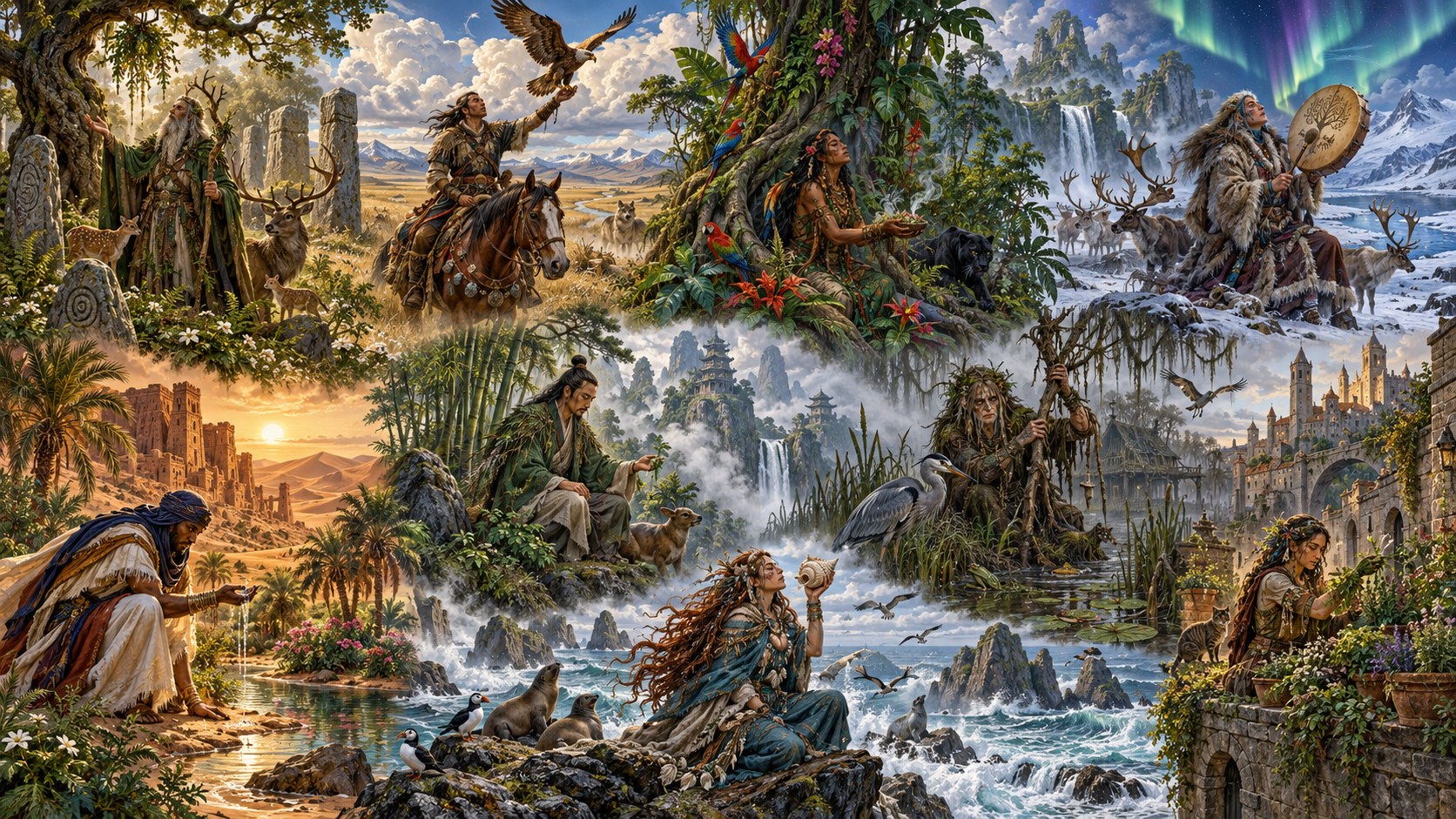
A sacred lake. A missing offering. A rival priest demanding blood. Wealth, vows and ritual authority carry real consequences among the druidic orders of the British Isles.
Offerings, Taboos and Rival Rites
What Is Happening Right Now?
The lake’s missing treasure. A clan has promised a gold torque to the gods, but someone steals it on the eve of the ceremony. A rival druid demands a living substitute. The elders refuse, the water begins to darken, and the characters have one night to find the thief before the gathering divides.
The wicker pyre. A captured creature of the dark is due to burn at Beltane. Its captors call this a protective offering; a neighbouring grove calls it an act of cruelty. The creature offers to name a far worse evil if the party frees it.
Offerings and Forbidden Rites
The druidic orders of the British Isles do not share one ritual code. Sacred sites, deities and local loyalties determine what their members will accept. Most of the orders described here consider an innocent person’s death an abuse of religion, even while rival cults claim divine justification for it.
- Wealth and weapons: Gold, jewellery and finely worked arms surrendered to rivers, springs and sacred pools to seal an oath or seek a blessing.
- Animals: Horses and cattle offered at exceptional ceremonies. The rite and the animal vary by people and patron god.
- Creatures of darkness: Certain groves ritually destroy captured supernatural threats; other druids condemn the practice.
- Voluntary sacrifice: Legends tell of rulers who surrender their lives to end a curse. Such acts are exceptional, dangerous and disputed.
- War captives: Some violent war-cults offer prisoners to their patrons. Other orders forbid it and may seek the party’s help against those cults.
A true ceremonial obligation creates choices for adventurers: who has the authority to make the offering, what was promised, who benefits, and who suffers if the rite is broken?
History, Legend and Uncertainty
Archaeologists have documented valuable objects deposited in watery places in parts of prehistoric Britain. Classical writers described Druids and sometimes accused Celtic peoples of human sacrifice, but their accounts were written from outside those societies and require careful interpretation. No single source establishes the practice of every druidic tradition.
The circumstances of the death of Lindow Man, for example, have been interpreted in different ways. The archaeological evidence does not establish with certainty that he was a victim of a druidic ritual. In this setting, the customs of each order are matters of actual local politics and divine allegiance; they should not be mistaken for universal archaeological facts.
Sources and Historical Illustration
Game source: The Quintessential Druid by Robin O. Duke (Mongoose Publishing, 2002). The original supplement informs the campaign traditions above; the encounters and explanation are original to this page.
Historical reading: English Heritage — Prehistoric Religion; University of Bristol — The Interpretation of Lindow Man. These distinguish evidence from speculation.

Continue to the British Isles or the Druid class.
Keep this reference growing
If this page helped with your reading or game, you can support its upkeep or explore the curated books.
Explore the Bookshop — epics, classics and stories behind imagined worlds.