
Arcadia — Wild Highlands of the Peloponnese
At a Glance
| Region | Arcadian uplands, central Peloponnese |
|---|---|
| Terrain | Forested mountains, grazing hillsides, high valleys, river sources, caves and small defended settlements |
| Political setting | Communities affected by the disputed rule and warfare of the late-medieval Morea |
| Sacred inheritance | Pan, Artemis, Hermes, nymphs and older mountain stories |
| Livelihood | Sheep and goats, woodland, crops in sheltered valleys, mills and mountain trade |
| Best for | Wilderness journeys, folk bargains, local feuds and the discovery of ruins away from major roads |
The shepherds say a path through the pines saves half a day’s walking. They also say never to whistle on it after sunset. When a caravan loses its guide near a spring, its owner offers good coin for anyone willing to find him. The animals refuse to drink from the water, and the only tracks lead deeper into the trees.
What Is Happening Right Now?
Arcadia is not an empty pastoral dream. Families farm narrow fields, herd animals, repair bridges and negotiate with neighbours. Rival lords across the Morea seek revenue, supplies and soldiers. A distant conflict can be felt through a closed pass, a hungry group of refugees or soldiers demanding a village’s last fodder. The mountains give some communities room to resist or evade demands, but that isolation can also be dangerous.
Places and Paths
The Shepherd Roads
Seasonal movement of flocks creates routes unavailable to wagons. Shepherd families know the weather, the water and the places where strangers should not camp. Earn their trust with useful work and respect for their animals rather than presenting a noble letter and expecting obedience.
The Springs and Deep Woods
Above a narrow track leading toward the Lousios gorge, the spring of Melia runs beneath an ancient plane tree. Melia is a nymph whose water once gave the nearby herds safe passage. Iron snares now hang from the tree roots. One has injured her younger sister, and Melia has turned the water away from the herders’ drinking basin. The missing caravan guide, Damon, went looking for the trapper and has been held in a thorn-covered hollow by the nymph until the danger ends.
Melia will release Damon when the traps are cleared and the injured spirit is treated. She wants no coin or altar; she wants the spring left free of iron. Pan‘s distant piping warns the woods when frightened animals bolt. Herders know the sound and gather their flocks before dark.
Ancient Hill Sites
Ruins of old communities and forgotten shrines offer shelter and rumours of treasure. A chamber opened by a landslide may yield only a broken inscription, or an old oath still binding a nearby household. An investigation should ask which living person needs the object hidden there.
Shelter, Supplies and Local Help
The Goat Bell — Above the Lousios Crossing
In a stone-built village above the Lousios valley, the Goat Bell offers a shared sleeping room, warm barley broth, goat cheese and a yard for pack animals. Its keeper Phile is Kallisto’s aunt. She charges travellers a modest fee, accepts labour in place of coin during bad weather and refuses to admit armed raiders. A ranger can learn the safest shepherd paths from her guests; a singer can earn an evening meal performing local songs.
At the Forge and the Healer’s Hearth
Orestes, the village farrier, mends packs, shoes mules and repairs ordinary blades and iron hinges. He sold the metal for the traps without knowing where the hunter would set them and now wants the damage repaired. Thessa, a widow who gathers mountain herbs, cares for sick animals and travellers. She will help tend Melia’s sister after the traps are removed; first, someone must convince Kallisto that the wolves can be kept away without poisoning the spring.
People and Relationships
Damon, the missing guide, has been held in Melia’s thorn hollow since he followed the iron trapper from the spring. He knows the track through the gorge but cannot defend himself against the nymph. Kallisto, keeper of the mountain flocks, first asked hunters to set snares when wolves took two goats; she regrets the damage and will help make amends, provided the herd is protected. Andronikos, a displaced retainer, recruits fighters to restore a fortified crossing held by his estranged brother. Their feud has cut the valley from its nearest grain market.
Gods, Beasts and Services
The shepherds leave bread near the spring for Pan, and Melia’s water sustains their herds. Her anger is already felt in the dry basin, the injured spirit and Damon’s disappearance. Wolves, boars, rain and unstable gorge paths remain real threats, even when the supernatural quarrel is settled. Kallisto can sell cheese and wool, arrange temporary shelter for animals and tell travellers which paths are fit for mules; fine weapons or spell scrolls are not common village stock.
Adventure Openings
- The herd that will not return. Goats flee an otherwise safe pasture; a shepherd blames a nymph, but someone has set traps near her spring. Help the families without violating the place she guards.
- The silent flute. A musician disappears after playing beside an ancient cave. His employer wants the instrument returned; his sister insists he intended to make a bargain and must be allowed to complete it.
- The broken flute. A travelling musician asks who took a reed pipe from Pan’s old hillside shrine. It now sounds from a cave at night, leading lost shepherds away from the safe ridge. Whoever plays it is trying to protect someone.
After the Spring Is Restored
When the iron is removed and Thessa treats Melia’s sister, the water returns before dawn. Damon leads the next caravan safely through the gorge, Phile welcomes the travellers back to the Goat Bell, and Kallisto agrees to keep watch with trained dogs rather than more snares. If the traps stay, the herds must descend early and villages beyond the gorge lose their summer supplies. Melia remembers the visitors responsible.
Travel and Connections
From the central uplands, tracks run east towards Argos, south toward the valleys of Laconia, and west toward the Alpheios basin and Olympia. Local shepherd routes follow ridges and river cuts rather than straight lines across the mountains. A pack mule can cross paths that a heavy wagon cannot; after hard rain, Damon will take the longer way round rather than risk the animals in the gorge.
Deeper History
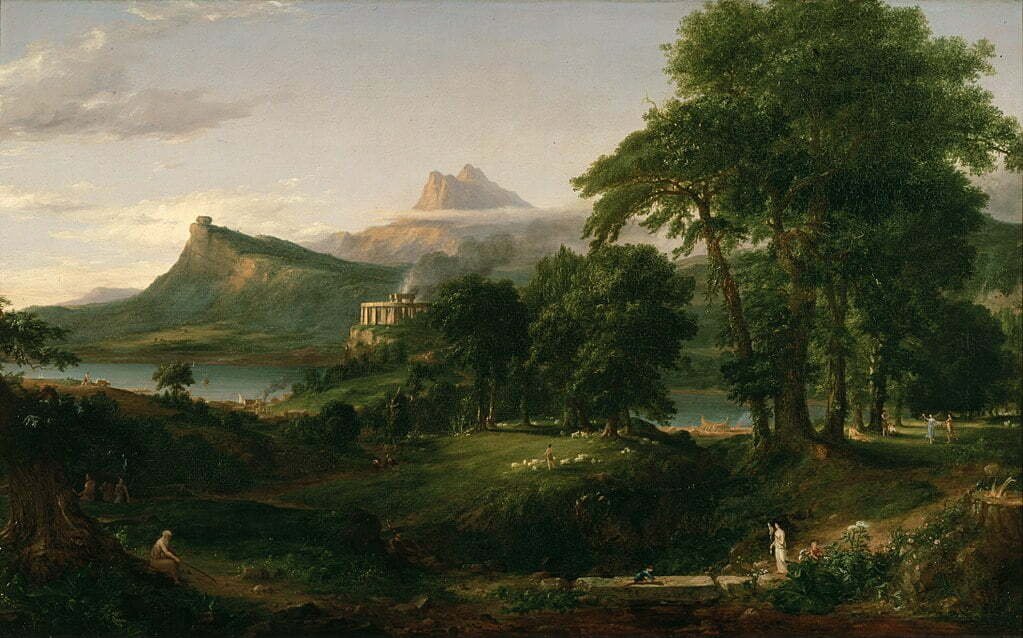
Arcadia was celebrated in Greek tradition as a country of pastoral life, ancient ancestry and mountain gods. Its old heroic stories belong to earlier ages. Modern paintings of a flawless pastoral Arcadia capture an ideal, not the whole lived reality of a late-medieval upland.
Continue Exploring
Keep this reference growing
If this page helped with your reading or game, you can support its upkeep or explore the curated books.
Explore the Bookshop — epics, classics and stories behind imagined worlds.