
SpiralWorlds • Games Master Reference
Special Materials Codex — Rare Metals, Woods, Hides & Arcane Substances
Adamantine, cold iron, mithral, dragonhide and stranger substances can transform an otherwise ordinary weapon, suit of armor or crafted object. This codex gathers extraordinary materials into one practical reference for the Games Master.
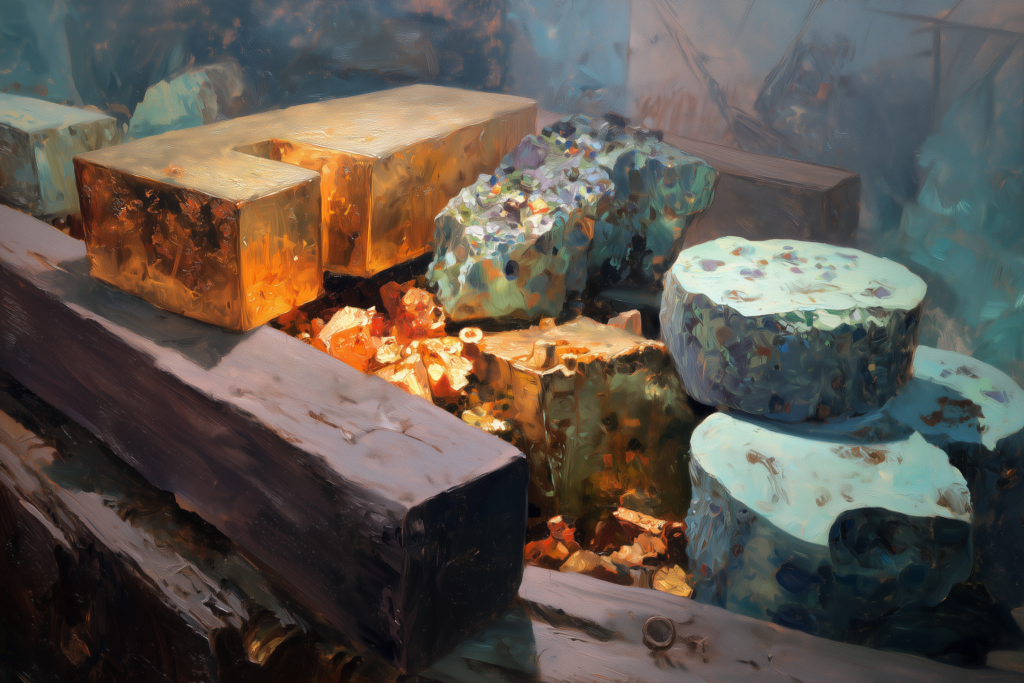
Special materials give the Games Master another way to distinguish treasure, cultures, craftsmen and monsters without requiring every unusual item to be magical. A cold-iron sword, a darkwood shield or a suit of dragonhide armor can be memorable before a single enchantment is added.
Some materials are genuinely supernatural. Others are unusual historical or natural substances whose importance comes from their strength, weight, rarity, cultural significance or suitability for a particular kind of equipment.
Using Special Materials by Edition
Special materials play different roles in each rules system. Use the appropriate edition below as the starting point, then refer to the individual material entry for its specific mechanics.
D&D 5.5e
In D&D 5.5e, use the specific treatment given to the material or finished item rather than assuming a single universal special-material formula. A material may influence a weapon, suit of armor, shield, tool or treasure in a different way depending on what has been made from it.
Pathfinder 1e
Pathfinder 1e gives many special materials specific rules for cost, weight, hardness, armor performance, weapon properties and crafting. Use the individual material entry whenever exact Pathfinder statistics are required.
D&D 3.5e
D&D 3.5e uses the classic special-material framework for such substances as adamantine, alchemical silver, cold iron, darkwood, dragonhide and mithral. Individual entries contain the relevant material mechanics.
Rare Metals & Alloys
Legendary ores, unusual alloys and specialized steels are among the most familiar special materials. Some are prized for extraordinary strength, some for lightness, and others because particular supernatural creatures have reason to fear them.
Adamantine
An extraordinarily hard metal associated with meteoric ore and legendary weapons, prized for arms and armor intended to survive punishment that would destroy ordinary steel.
Explore Adamantine →Bronze
The great pre-steel alloy of copper and tin, still encountered in ancient arms, isolated cultures, ritual objects and equipment made where ironworking has never displaced older traditions.
Explore Bronze →Cold Iron
Iron worked by an exacting process and traditionally feared by supernatural beings whose protections fail before weapons forged from the unyielding metal.
Explore Cold Iron →Damascus Steel
Patterned high-quality steel associated with exceptional historical swordmaking, prized for fine workmanship as much as for the flowing patterns visible across a finished blade.
Explore Damascus Steel →Elysian Bronze
An extraordinary bronze associated with hunters of dangerous creatures. Although brazen in appearance, properly worked Elysian bronze possesses qualities far beyond ordinary bronze.
Explore Elysian Bronze →Fire-Forged Steel
A specialized steel shaped to withstand and channel great heat, favored for arms and armor intended for fiery environments or warriors who regularly face flame.
Frost-Forged Steel
The cold counterpart to fire-forged steel, crafted for bitter climates and battles against creatures or powers associated with supernatural cold.
Gold
Beautiful, corrosion-resistant and immensely valuable, but softer and heavier than practical weapon steel. Pure-gold equipment is often ceremonial, royal, sacred or deliberately extravagant.
Explore Gold →Living Steel
A glossy green metal associated with mineral-rich living growth, remarkable for retaining something of the resilience and restorative power of the living source from which it came.
Mithral
A rare silvery metal renowned for combining the strength required for fine arms and armor with remarkably little weight, making it especially prized by master armorers.
Alchemical Silver
A practical marriage of silver and weapon steel, created so a fighting weapon can exploit supernatural vulnerabilities to silver without being fashioned from soft pure silver.
Explore Alchemical Silver →Woods & Living Materials
Ancient forests and supernatural environments produce timbers and plant materials capable of feats ordinary oak, ash and yew cannot match.
Darkleaf Cloth
Leaves and strips of extraordinary woodland material woven and treated into a light, flexible substance suitable for protective clothing and armor.
Darkwood
A rare hardwood valued for being extraordinarily light without sacrificing the strength expected of good timber, making it ideal for bows, shields and other predominantly wooden equipment.
Explore Darkwood →Greenwood
Living timber that retains a connection to growth even after harvesting and shaping, allowing carefully tended objects to behave unlike ordinary dead wood.
Explore Greenwood →Whipwood
An unusually resilient and elastic timber suited to weapons and hafts that must bend under sudden force without splintering or breaking.
Wyroot
A strange supernatural wood capable of retaining traces of living energy, making it sought after by craftsmen who know how to preserve those qualities in finished weapons.
Hides & Organic Materials
Some extraordinary equipment begins not in a mine or forest but with remarkable creatures. Hide, bone, scales, mane and similar substances can preserve qualities unavailable to ordinary leather or metal.
Angelskin
A rare supernatural hide carrying a lingering celestial presence, used by armorers and occult craftsmen who know how to preserve the unusual qualities left within it.
Bone
Bone can replace wood, horn or metal where other materials are scarce, especially when great beasts and monsters provide pieces large enough to shape into weapons, tools and armor.
Explore Bone →Dragonhide
The hide and scales of a dragon are among the most celebrated monster-derived crafting materials, capable of becoming remarkable armor and shields in the hands of a sufficiently skilled artisan.
Eel Hide
Tough and flexible hide taken from extraordinary eels and similar creatures, valued for protective equipment requiring greater freedom of movement than ordinary leather permits.
Griffon Mane
Strong, light strands harvested from a griffon and woven into garments or armor by craftsmen seeking to retain something of the creature’s affinity with the open air.
Stone, Crystal & Glass
Worked stone, volcanic glass and strange mineral crystals can form deadly edges and remarkable objects, although brittleness can be as important as sharpness.
Blood Crystal
Pale mineral crystal that darkens in contact with blood, prized for piercing and cutting weapons intended to exploit wounds already opened in an opponent.
Obsidian
Volcanic glass capable of taking an exceptionally keen cutting edge. Its sharpness makes it deadly, while its tendency to chip or shatter sets it apart from forged metal.
Explore Obsidian →Stone
Carefully worked stone can produce axes, spearheads, clubs, knives and tools wherever metal is scarce, unavailable or inappropriate to the culture making the item.
Explore Stone →Viridium
Deep-green volcanic glass contaminated by dangerous minerals. Its keen edge makes it useful for weapons, but handling the substance itself can be as hazardous as facing it in battle.
Metals, Smithing & Fantasy Materials
These videos approach unusual materials from complementary directions: fantasy roleplaying metals and the practical decisions involved in historical swordmaking.


Rules Sources & Further Reading
Pathfinder 1e: many of the extraordinary materials in this codex originate in the Pathfinder special-material rules, where individual substances can alter the cost, weight, durability and performance of weapons and armor.
Pathfinder 1e Special Materials
D&D: the edition tabs distinguish current D&D treatment from the classic D&D 3.5e special-material framework. Use the individual material entries for the statistics appropriate to the campaign.
Keep this reference growing
If this page helped with your reading or game, you can support its upkeep or explore the curated books.
Explore the Bookshop — epics, classics and stories behind imagined worlds.