
Transmutation · Minor Magic
Prestidigitation

Prestidigitation is the spell of little wonders: sparks, scents, warmth, chill, colour, cleaning, marks, tiny creations and harmless sensory flourishes. It cannot win a battle by itself, but it is one of the clearest signs that trained magic has entered ordinary life.
The ruling spine is simple: Prestidigitation changes presentation, not substance. It can make something cleaner, warmer, colder, more fragrant, more colourful or briefly more theatrical. It does not make a dangerous thing safe, a worthless thing valuable, a lie true or a crude object functional.
Quick Reference
At a Glance
- Prestidigitation creates only minor magical effects.
- It cannot deal damage, impose conditions or duplicate another spell.
- It can clean, soil, colour, warm, chill, flavour, mark and create harmless sensory effects.
- Modern D&D can also create a hand-sized trinket or illusory image for a moment.
- It may support a disguise, performance, etiquette scene or social trick, but it does not replace the relevant check.
- If a proposed use would replace a proper tool, class feature, spell or meaningful risk, Prestidigitation is too weak to do it.
Rules
Prestidigitation by Edition
Prestidigitation — 5.5e / 2024
| Level | Transmutation Cantrip |
|---|---|
| Classes | Bard, Sorcerer, Warlock, Wizard |
| Casting Time | Action |
| Range | 10 feet |
| Components | V, S |
| Duration | Up to 1 hour, depending on the effect |
Choose one minor magical effect within range. The spell can create an instantaneous harmless sensory effect; light or snuff a candle, torch or small campfire; clean or soil an object no larger than 1 cubic foot; chill, warm or flavour up to 1 cubic foot of nonliving material for 1 hour; place a colour, small mark or symbol on an object or surface for 1 hour; or create a hand-sized nonmagical trinket or illusory image until the end of your next turn.
A created trinket cannot deal damage and has no monetary worth. You can have up to three non-instantaneous Prestidigitation effects active at once.
Prestidigitation — 5e / 2014
| Level | Transmutation Cantrip |
|---|---|
| Classes | Bard, Sorcerer, Warlock, Wizard |
| Casting Time | 1 action |
| Range | 10 feet |
| Components | V, S |
| Duration | Up to 1 hour, depending on the effect |
Choose one effect within 10 feet: a harmless, instantaneous sensory flourish; instantly light or snuff a candle, torch or small campfire; instantly clean or soil an object up to 1 cubic foot; warm, chill or flavour up to 1 cubic foot of nonliving material for 1 hour; place a colour, mark or symbol on an object or surface for 1 hour; or create a hand-sized nonmagical trinket or illusory image until the end of your next turn.
You can maintain up to three non-instantaneous effects at once. Unlike the 2024 wording, the 2014 spell also explicitly lets you dismiss one of those ongoing effects as an action.
Prestidigitation — Pathfinder 1e
| School | Universal |
|---|---|
| Level | Bard 0, Sorcerer/Wizard 0 |
| Casting Time | 1 standard action |
| Components | V, S |
| Range | 10 ft. |
| Target, Effect or Area | See text |
| Duration | 1 hour |
| Saving Throw | See text |
| Spell Resistance | No |
Legacy Prestidigitation enables a stream of very small magical tricks for 1 hour. It can slowly move up to 1 pound of material, colour/clean/soil items in a 1-foot cube each round, or chill/warm/flavour up to 1 pound of nonliving material.
It cannot deal damage, interfere with spellcasting concentration or duplicate another spell. Small created objects are crude, artificial and extremely fragile; they cannot function as tools, weapons or spell components. Changes beyond simple moving, cleaning or soiling last no longer than 1 hour.
Prestidigitation — D&D 3.5e
| School | Universal |
|---|---|
| Level | Bard 0, Sorcerer/Wizard 0 |
| Casting Time | 1 standard action |
| Components | V, S |
| Range | 10 ft. |
| Target, Effect or Area | See text |
| Duration | 1 hour |
| Saving Throw | See text |
| Spell Resistance | No |
For 1 hour after casting, you can perform small magical tricks: slowly lift up to 1 pound of material; colour, clean or soil items within a 1-foot cube each round; or warm, chill or flavour up to 1 pound of nonliving material.
It cannot deal damage, affect a spellcaster’s concentration or reproduce another spell’s effects. Created objects look crude and artificial and are extremely fragile; they cannot be used as tools, weapons or spell components. Changes other than moving, cleaning or soiling last only 1 hour.
Edition Changes
What Changed?
- Modern D&D turns the spell into a menu of named effects rather than a freeform hour of tiny tricks.
- 2024 clarifies Minor Creation: a trinket has no monetary worth and cannot deal damage.
- 2014 explicitly lets the caster dismiss an ongoing non-instantaneous effect as an action.
- PF1e and 3.5e can slowly move up to 1 pound of material, a legacy capability not written into the modern spell.
- PF1e/3.5e use pounds rather than cubic feet for warming, chilling and flavouring nonliving material.
Rulings
Rules Clarifications and Edge Cases
These are suggested GM rulings unless a limit is explicitly stated in the selected edition. PF1e and 3.5e forbid using created objects as tools or spell components; the modern spells do not state that blanket prohibition.
- Can it clean blood from clothing? Yes, if the blood is ordinary surface staining and within the spell’s size limit. It does not erase magical evidence, memories, scent trails or consequences that exist independently of the stain.
- Can it purify food or drink? No. Flavour, warmth and appearance do not remove poison, disease, curses or spoilage.
- Can it fake a coin, gem or seal? Only as a crude or fleeting prop. It has no genuine value and should fail serious inspection.
- Can it make a key or lockpick? PF1e and 3.5e explicitly prohibit created tools. In 2024 and 2014, the GM decides whether a proposed object qualifies as a hand-sized trinket; the spell does not grant knowledge of a lock or proficiency, and the creation lasts only until the end of the caster’s next turn.
- Can it light a torch? Modern versions can light or snuff a candle, torch or small campfire. That is not permission to create a combat fireburst or ignite a creature.
- Can it clean a person? It can remove mundane surface grime from skin, hair, clothing or gear. It cannot heal, cure disease or remove internal parasites or toxins.
- Can it help with disguise? Yes, by improving colour, scent, cleanliness and presentation. It does not replace disguise magic or the relevant ability check.
- Can it break concentration? No. A sensory flourish may distract in the fiction, but Prestidigitation has no rule that mechanically disrupts concentration.
Combinations
Good Combinations
- Mage Hand — remote manipulation paired with cleaning, marking, scent, warmth and chill.
- Minor Illusion — adds a more convincing visual or audible deception while Prestidigitation supplies small sensory details.
- Mending — Prestidigitation cleans the item; Mending repairs the actual break.
- Disguise Self — Prestidigitation supports the disguise with scent, colour and surface presentation.
- Unseen Servant — the servant performs the labour while Prestidigitation supplies the finishing touches.
Everyday Magic
Why This Spell Matters in the World
Prestidigitation is almost irrelevant to a battlefield and enormously useful everywhere else. A trained caster can clean clothing, warm cups, perfume gloves, colour ribbons, chill wine, mark objects and repair the presentation of food or clothing in seconds.
That makes the spell valuable in noble households, taverns, markets, workshops, travelling companies and adventuring camps. It also creates social suspicion: a perfect-looking cup may still be poisoned, immaculate clothes may hide where someone has been, and a freshly cleaned blade may raise more questions than a bloodstained one.

Adventure Hooks
Three Small Tricks That Become Big Problems
The Clean Blade
A duellist’s sword is spotless after a murder. The court mage insists only a cantrip was used. The victim’s family claims the cleaning was part of a ritual cover-up.
The Cup That Lied
A prince survives poisoned wine because an apprentice had been flavouring every cup at the feast and noticed a bitter taint before casting the spell. Now every kitchen servant, cupbearer and minor caster is under suspicion.
The Apprentice’s Mark
Temporary symbols appear every dawn on doors across the city. Most vanish within an hour. One does not. The permanent mark is not Prestidigitation at all, but someone is using apprentice magic to hide the pattern.
Earlier Rules
D&D 3.0e
The earlier 3.0e version belongs to the same legacy family as the later 3.5e/PF1e spell: an hour of tightly limited minor tricks for novice spellcasters. It is retained here as historical context rather than as a fifth main edition tab.
History of the Word
Historical and Mythic Context
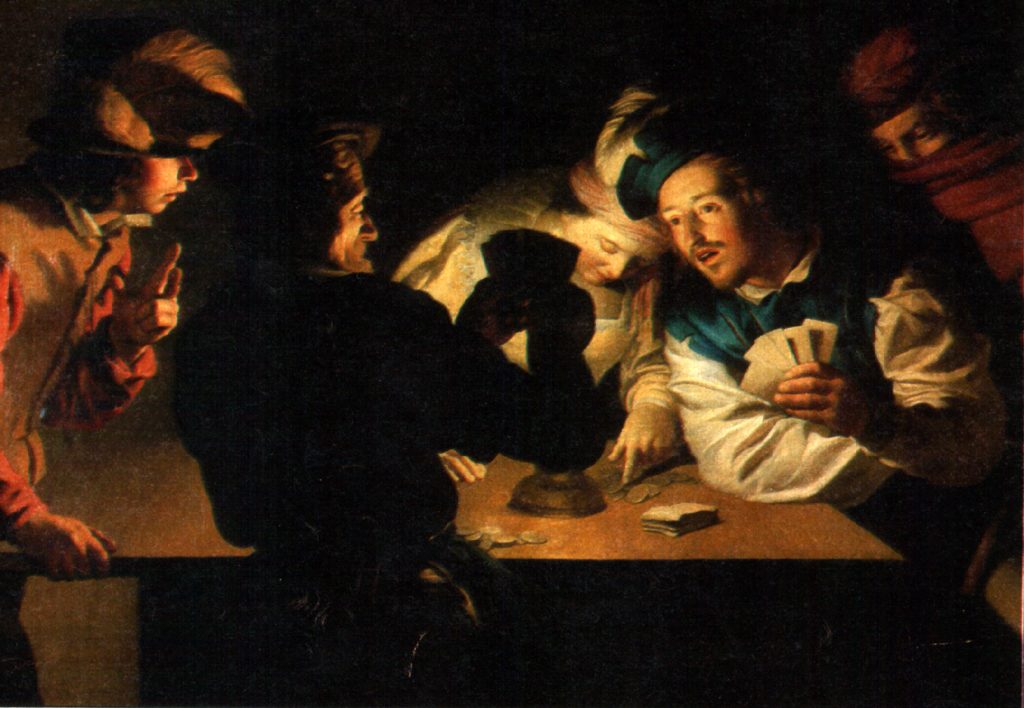
The word prestidigitation belongs to the tradition of sleight of hand, quick fingers and theatrical conjuring. Its historical associations with legerdemain suit the spell: small visible marvels, deceptive presentation and impossible-looking changes performed close to the hand.
That makes the cantrip a natural bridge between stage magic and genuine spellcraft. In a world where magic is real, the sparks are real, the cup truly warms and the mud genuinely leaves the cloak—but the scale remains deliberately small.
Sources & Licensing
Rules Sources
The 2024 and 2014 panels follow their respective public D&D rules entries. Pathfinder 1e and D&D 3.5e use their open rules versions. Edition-specific limits are kept separate so the legacy freeform trick structure is not imported into modern play.
Keep this reference growing
If this page helped with your reading or game, you can support its upkeep or explore the curated books.
Explore the Bookshop — epics, classics and stories behind imagined worlds.